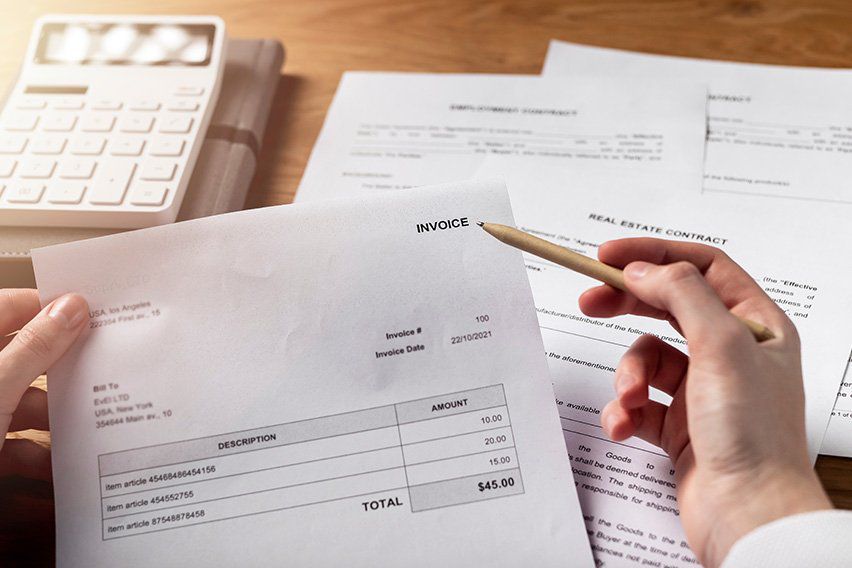
An invoice letter is a document that you send to a customer to request payment for goods or services. The letter should include all relevant information about the invoice, such as the date, invoice number, and the amount due. You should also include a brief message thanking the customer for their business.
Creating Professional Invoice in Excel | Receipt Making Tutorial | Free Template
- Start by creating a header for your invoice letter
- Include the date, your company name and contact information, and the recipient’s name and contact information
- Give a brief description of the goods or services you are billing for
- List the cost of each item or service, along with any applicable taxes or fees
- Include the total amount due and the payment due date
- Thank the recipient for their business
- Include your signature and contact information in case the recipient has any questions
Sending invoice by email letter sample
Sending an invoice by email can be a quick and easy way to get paid. But, it’s important to make sure that your email is clear, concise, and professional. Here’s a sample invoice email that you can use as a template:
Subject: Invoice from [Your Company Name]
Hi [Client Name],
Thank you for your business.
Here’s your invoice for [$Amount] for the work we completed on [Date].
If you have any questions, please don’t hesitate to contact me.
Thank you,
Invoice cover letter template word
If you need help creating an invoice cover letter to go along with your word document invoice, you can find a template online. This type of letter is important because it provides a way for you to request payment for the goods or services that you have provided. The cover letter should be professional and courteous, but it should also be brief.
You will want to include your contact information, the date of the invoice, a description of the goods or services provided, the amount due, and the date by which you expect to receive payment. You may also want to include a statement regarding any late fees or interest that may be assessed if payment is not received by the due date.
Please find attached invoice for your payment email sample
If you’re like most people, you probably get a lot of email. And, if you’re like most people, a lot of that email is probably junk. But every now and then, you might get an email that contains an attachment – an invoice for payment, for example.
When you get an email like this, it’s important to be careful. Many times, these attachments will contain viruses or other malware that can infect your computer. So, before you open any attachment, be sure to scan it with your anti-virus software.
If the attachment is safe, then you can open it and take a look. In most cases, you’ll be able to tell right away if the invoice is legitimate or not. If you’re not sure, you can always contact the sender to ask.
If the invoice is legitimate, then you’ll need to take care of it right away. Most invoices will have a due date, so be sure to pay it before that date. You can usually do this by clicking on a link in the email or by logging into your account on the company’s website.
Once you’ve paid the invoice, be sure to save a copy for your records. And that’s it! Taking care of an email invoice is really not that difficult.
Just be sure to be careful with attachments and to pay the invoice before the due date.
Please find attached invoice for your payment processing
Thank you for your payment! Please find attached your invoice for your records.
If you have any questions about your invoice, please don’t hesitate to contact us.
Thank you again for your business!
Invoice email meaning
An invoice email is simply an email that contains an invoice. This can be a bill for goods or services that you have received, or it can be a request for payment for goods or services that you have provided. In either case, the email will include a link to the invoice itself, which can be viewed and paid online.
There are a few things to keep in mind when sending an invoice email. First, be sure to include all of the necessary information on the invoice itself. This should include your contact information, the date of the invoice, a description of the goods or services provided, the total amount due, and any applicable discounts or promotions.
You’ll also want to make sure that the invoice is clearly visible in the email. If it’s buried in the body of the message or in an attachment, there’s a good chance that your customer will miss it.
Finally, be sure to include a clear call to action in your invoice email.
Tell your customer what you need them to do, whether it’s simply paying the invoice online or contacting you to discuss payment options. Make it easy for them to take action by including a link to your payment page or your contact information. By following these tips, you can make sure that your invoice email gets the attention it deserves and that your customers can easily pay you for the goods or services you’ve provided.
Invoice email subject
Assuming you would like a blog post discussing best practices for emailing invoices:
When it comes to emailing invoices, the subject line is just as important as the body of the email. After all, it is the first thing your recipient will see.
A clear and concise subject line will help ensure that your email gets opened and read, while a subject line that is too vague or confusing will likely result in your email being deleted or ignored.
Here are a few tips for crafting the perfect subject line for your invoice email:
1. Include the word “invoice” in the subject line.
This may seem like a no-brainer, but you’d be surprised how many people forget to do this!
2. Be specific. Include the invoice number and/or the date in the subject line so that your recipient knows exactly what the email is about.
3. Keep it short. A subject line that is too long is likely to be truncated in the recipient’s inbox, so try to keep it to 50 characters or less.
4. Make it actionable.
If you want your recipient to take action on your invoice, include a call to action in the subject line. For example, “Please pay invoice #123 by June 30th.”
By following these simple tips, you can help ensure that your invoice email gets opened, read, and acted upon in a timely manner.
Invoice message example
If you’re like most businesses, you probably send out a lot of invoices. And if you’re like most businesses, you probably don’t put a lot of thought into the message you include on your invoices.
But the truth is, your invoice message is an important part of your customer’s experience with your business.
It’s an opportunity to thank them for their business, remind them of your payment terms, and even upsell them on additional products or services.
With that in mind, here’s a look at some invoice message examples that you can use to improve your own invoices.
Thank your customer
The first and most important thing your invoice message should do is thank your customer for their business. A simple “thank you” goes a long way in making your customers feel appreciated.
If you want to take it a step further, you can thank them for a specific purchase or service.
For example, “Thank you for choosing us for your web design needs.”
Remind them of your payment terms
Your invoice message is also a good place to remind your customers of your payment terms.
This is especially important if you have a longer payment window than the industry standard.
For example, you might say something like, “All invoices are due within 30 days of the date of service.”
Upsell additional products or services

Credit: www.simplybusiness.co.uk
How do you write a invoice letter?
When you are ready to invoice a client, you will want to make sure that you include all of the pertinent information in your letter. This includes the date, your company name and contact information, the client’s name and contact information, a description of the services rendered, the date of service, the amount due, and any special instructions. You will also want to include a statement that payment is expected within a certain number of days, and you may want to include a late fee if payment is not received within that time frame.
Once you have all of the information gathered, you can begin to draft your letter. Start by typing your company name and address in the upper left-hand corner of the page. Skip a line and type the date.
Skip another line and type the client’s name and address. Skip another line and begin your letter with a courteous greeting.
In the body of your letter, describe the services that you provided and when you provided them.
Be sure to include the date of service and the amount due. If you have any special instructions for the client, be sure to include those as well. Finally, remind the client that payment is expected within a certain number of days and include any late fees that may apply.
Close your letter with a courteous statement and your signature. Then, print the letter and mail it to the client.
How do you write and send an invoice?
Before you can send an invoice, you’ll need to create one. To do this, you’ll need to gather some basic information about your customer, including their name, address, and contact information. You’ll also need to know what services you provided and how much you charged for them.
Once you have this information, you can create an invoice using a word processing program or a spreadsheet program.
When you’re ready to send the invoice, you’ll need to choose a method of delivery. You can email the invoice as a PDF, or you can print it out and mail it.
If you email the invoice, be sure to include a clear subject line so your customer knows what the email is about. You should also include a message letting the customer know that they can expect to receive the invoice.
When you’re sending an invoice, it’s important to be professional.
Use a formal tone and make sure all of the information is accurate. If you make a mistake on the invoice, be sure to correct it before you send it. Remember, the invoice is a legal document, so it’s important to get it right.
Sending an invoice doesn’t have to be complicated. By following these tips, you can ensure that your invoice is professional and accurate.
What is a good message to put on an invoice?
Invoices are an important part of any business transaction – they act as a record of what was purchased, when it was purchased, and how much was paid. An accurate and well-written invoice can help avoid any confusion or disputes down the line.
So what makes a good invoice message?
First and foremost, it should be clear and concise. There is no need to get overly wordy or flowery – just state what the invoice is for, and what the payment terms are. It is also a good idea to include a contact name and phone number in case there are any questions about the invoice.
Another helpful tip is to include a due date on the invoice. This will remind the customer that payment is expected, and help to avoid any late payment fees. Finally, it is always a good idea to thank the customer for their business – a simple ‘thank you’ can go a long way!
How do I format a simple invoice?
Invoices are a critical part of running a business. They not only help you track payments, but also provide a professional way to request payment from your clients. But how do you format a simple invoice?
When it comes to formatting a simple invoice, there are a few key elements that you’ll want to include. First, be sure to include your business name and contact information, as well as the client’s name and contact information. Next, include a brief description of the services rendered or the products sold.
Finally, include the total amount due and the payment terms.
If you’re not sure how to format your invoice, there are a number of invoice templates available online that you can use for free. Simply search for “invoice template” and you’ll be presented with a variety of options.
Once you find a template you like, simply download it, fill in your information, and send it off to your client.
Conclusion
Assuming you would like a summary of a blog post on how to write an invoice letter:
When you run a small business, you’ll need to learn how to write an invoice letter. This document is a key part of keeping track of your income and expenses, and it can also be used to request payments from customers.
An invoice letter should include the date, the amount due, and a description of the goods or services that were provided. You’ll also need to include your contact information and any relevant payment terms.
Once you’ve written your invoice letter, send it to your customer along with a copy of the invoice.
Make sure to keep a copy for your records, and follow up with your customer if you don’t receive payment within a reasonable timeframe.