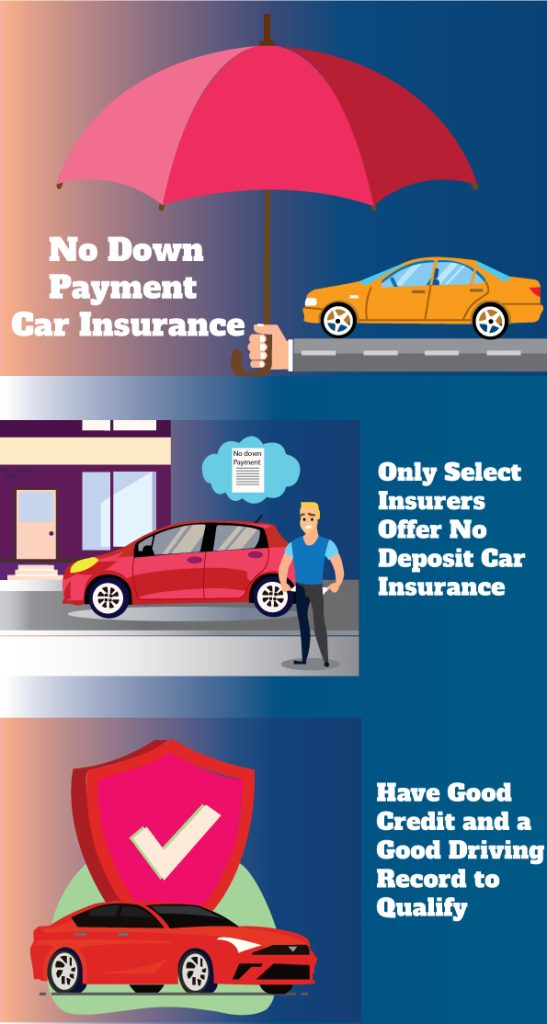
Compare multiple quotes and maintain a good credit score for cheap car insurance. Opt for higher deductibles and bundle policies.
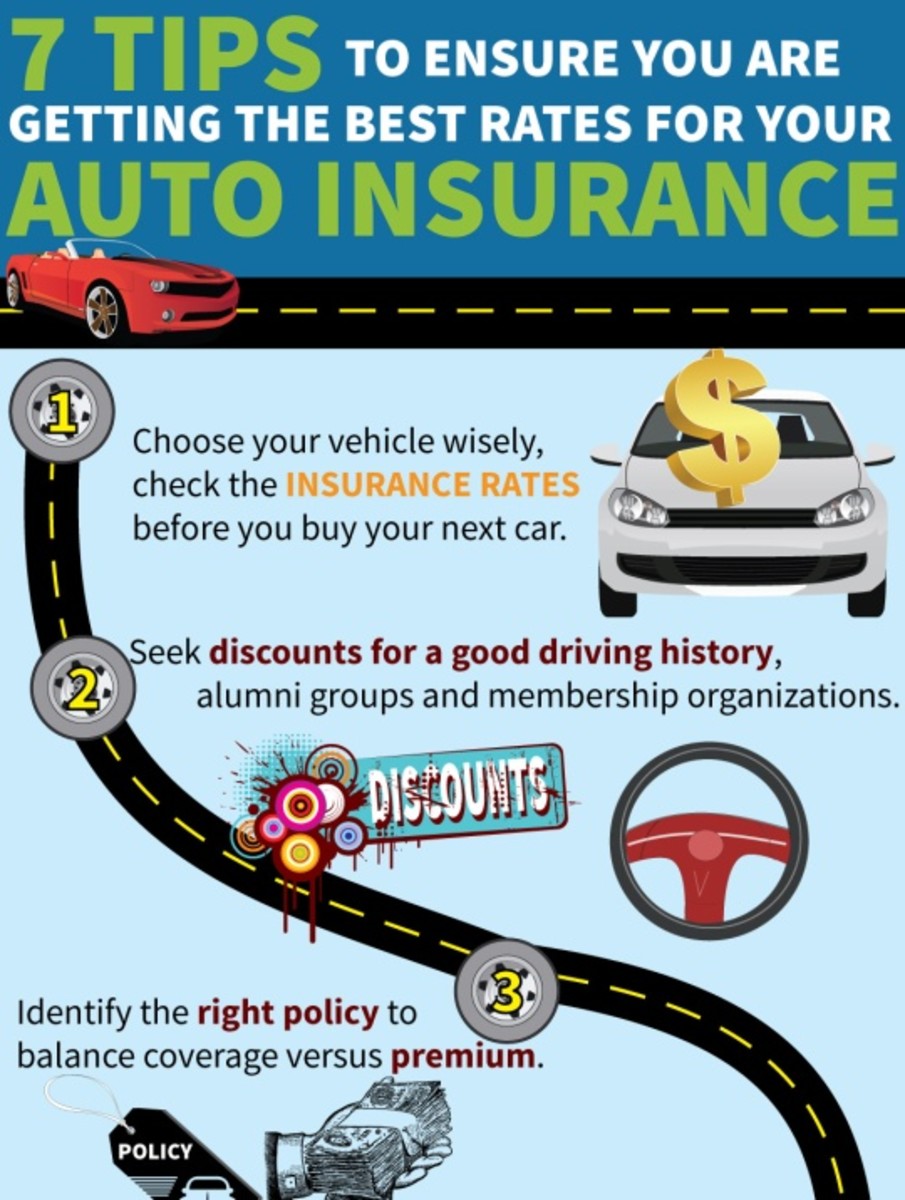
Getting cheap car insurance can feel daunting, but it’s achievable with the right strategies. Comparing multiple quotes from different providers is crucial to find the best deal. Maintaining a good credit score can also significantly lower your premiums. Opting for higher deductibles can reduce monthly costs, but be sure you can afford the out-of-pocket expense if needed.
Bundling your car insurance with other policies, like home insurance, often results in discounts. Additionally, driving safely and avoiding accidents can help keep your insurance rates low. These tips can make a big difference in finding affordable car insurance that suits your needs.
Introduction To Cheap Car Insurance
Finding cheap car insurance can feel tricky. Yet, with the right tips, you can save big. This section will guide you on why cheap car insurance is important and debunk some common myths.
Why It Matters
Car insurance is a must-have for all drivers. It protects you from big expenses in case of an accident. But why should you care about cheap car insurance?
- Saves Money: Lower monthly premiums mean more savings.
- Offers Similar Coverage: Cheap insurance can still cover your needs.
- Reduces Stress: Less financial worry means more peace of mind.
Common Myths
Many people believe myths about cheap car insurance. Let’s clear up some of them.
| Myth | Truth |
|---|---|
| Cheap insurance is low quality. | You can get good coverage at a lower cost. |
| Young drivers can’t get cheap rates. | Young drivers can find affordable policies with research. |
| Only old cars get cheap insurance. | Newer cars can also have affordable premiums. |
Credit: discover.hubpages.com
Assessing Your Insurance Needs
Understanding your insurance needs is essential for finding cheap car insurance. Assessing these needs helps you choose the right coverage. This ensures you do not overpay. Here’s how to do it right.
Coverage Essentials
Identify the basic coverage types you need:
- Liability Coverage: Covers damages you cause to others.
- Collision Coverage: Pays for damage to your car.
- Comprehensive Coverage: Protects against non-collision incidents.
- Personal Injury Protection: Covers medical expenses.
- Uninsured Motorist Coverage: Protects against uninsured drivers.
Choose only what is necessary. This will save you money. Too much coverage can be expensive. Think about your driving habits and risks.
Evaluating Your Vehicle’s Worth
Know your car’s value:
| Factor | Importance |
|---|---|
| Car Age | Older cars may need less coverage. |
| Condition | Well-maintained cars may need more coverage. |
| Market Value | Use online tools to find this. |
Do not over-insure an old car. This can be costly. Use the car’s market value as a guide. This helps you decide the right coverage level.
Shopping For Insurance
Shopping for car insurance can save you money. It’s important to compare different options. This section will guide you through the best tips.
Comparison Tools
Comparison tools are very helpful. They allow you to see many options quickly. Use these tools to compare rates and coverage.
Here are some popular comparison tools:
- Policygenius – A user-friendly tool that compares multiple insurers.
- The Zebra – Known for quick and detailed comparisons.
- Gabi – Offers personalized insurance quotes.
Using these tools can help you find the cheapest car insurance. Make sure to input accurate information for the best results.
When To Shop Around
Knowing when to shop around is crucial. Here are the best times to look for new car insurance:
- Renewal Time – Check new rates before your policy renews.
- Life Changes – Moving or getting married can affect your rates.
- Accidents – After an accident, compare new rates.
- New Car – Buying a new car is a good time to shop around.
Shopping at these times can help you get the best deal. Always keep an eye on your insurance rates.

Credit: www.pinterest.com
Discounts And How To Qualify
Finding cheap car insurance can be challenging. However, knowing about the discounts available can help. This section will guide you on various discounts and how to qualify for them.
Common Discounts
Many insurers offer common discounts. These can help reduce your premium significantly.
- Safe Driver Discount: If you have a clean driving record, you can qualify.
- Multi-Policy Discount: Bundling car insurance with home or renters insurance saves money.
- Good Student Discount: Students with good grades often get lower rates.
- Low Mileage Discount: Driving fewer miles per year can earn you a discount.
Lesser-known Savings
Some discounts are less known but can still save you money.
- Occupational Discounts: Certain professions like teachers or nurses may get special rates.
- Affiliation Discounts: Membership in certain organizations can earn you discounts.
- Defensive Driving Course Discount: Completing a defensive driving course can reduce your premium.
- Vehicle Safety Features Discount: Cars with advanced safety features qualify for discounts.
Understanding these discounts and how to qualify is key. It can make a big difference in your car insurance premium.
The Impact Of Your Driving Record
Understanding the impact of your driving record is crucial for securing cheap car insurance. Insurers look at your driving history to assess risk. A clean record often leads to lower premiums, while violations can increase costs. Let’s explore how different offenses affect your rates.
Minor Offenses
Minor offenses include speeding tickets and small traffic violations. These can slightly raise your insurance premiums. Insurers see them as less risky but still consider them. Here are some common minor offenses:
- Speeding tickets
- Failure to signal
- Improper lane change
- Not wearing a seatbelt
Even minor offenses can add up. Multiple minor violations can significantly increase costs. Keeping a clean record helps maintain lower rates.
Major Violations
Major violations have a more significant impact on your insurance rates. These offenses are seen as high-risk behaviors. They can lead to much higher premiums. Common major violations include:
- Driving under the influence (DUI)
- Reckless driving
- Hit and run
- Driving with a suspended license
Insurers may even deny coverage for severe violations. A major violation stays on your record for years. It can take time and effort to restore a clean record.
Keep your driving record clean to secure the best insurance rates. Both minor and major offenses can affect your premiums. By understanding this impact, you can make better choices on the road.

Credit: www.fool.com
Deductibles And Premiums
Understanding deductibles and premiums can help you save on car insurance. These terms affect how much you pay monthly and during a claim.
Choosing Your Deductible
Your deductible is the amount you pay before insurance covers the rest. A higher deductible means a lower monthly premium. A lower deductible means a higher monthly premium.
Choose a deductible based on your budget and risk tolerance. If you can afford to pay more out-of-pocket, opt for a higher deductible. This will lower your monthly costs.
Balancing Cost And Coverage
Balancing cost and coverage is crucial for affordable car insurance. Here are some tips:
- Compare different policies to find the best rate.
- Consider your driving habits and vehicle value.
- Look for discounts like safe driver or multi-policy discounts.
Using these tips, you can find a policy that fits your needs. A good balance ensures you are covered without overpaying.
| Deductible Amount | Monthly Premium |
|---|---|
| $500 | $100 |
| $1000 | $75 |
| $1500 | $50 |
Policy Adjustments Over Time
Car insurance needs change as life does. Regularly updating your policy ensures you get the best coverage at the lowest cost. Below are key moments to consider adjusting your car insurance policy.
When To Update Your Policy
Review your policy every six months. This checks for better rates or coverage. If you have not had an accident recently, you may qualify for discounts.
Also, consider updating your policy if you’ve moved. Different areas have different risks, which can affect your premium. Updating your address can save you money.
Adding or removing drivers can also impact your rates. Make sure your policy reflects current drivers in your household. This ensures accurate coverage and pricing.
Life Changes And Insurance
Life changes affect your car insurance needs. Below are some key life events and how they might impact your policy:
- Getting Married: Married drivers often get lower rates.
- Having a Baby: You might need more coverage for family safety.
- New Job: A shorter commute can lower your premium.
- Buying a Home: Bundling home and auto insurance can save you money.
Keep your policy updated to reflect your current life stage. This ensures you get the best rates and coverage. Always inform your insurer of major changes.
Avoiding Common Pitfalls
Finding affordable car insurance can be tricky. Many people make simple mistakes that cost them money. Avoiding these pitfalls can save you a lot. Here are some tips to help you out.
Ignoring The Fine Print
Many people ignore the fine print on their insurance policy. This can lead to unexpected costs. Always read your policy carefully.
Check for hidden fees and clauses. These can affect your coverage. Make sure you understand everything. If you don’t, ask your agent for help. Knowing what’s in your policy can save you from surprises.
| Common Clauses | What They Mean |
|---|---|
| Deductibles | The amount you pay before insurance covers the rest. |
| Exclusions | Things your policy does not cover. |
| Limits | The maximum amount your policy will pay. |
Sticking With The Same Insurer
Staying with the same insurer for years might seem easy. But you might be missing out on better deals.
Shopping around can help you find cheaper rates. Compare quotes from different insurers. You may find a policy that fits your needs better. Loyalty doesn’t always pay off.
- Check rates at least once a year.
- Use online comparison tools.
- Ask friends for recommendations.
Switching insurers can save you money. Just make sure to check the coverage details.
Frequently Asked Questions
How Can I Lower My Car Insurance Premiums?
Shop around and compare quotes from multiple insurers. Increase your deductible. Maintain a clean driving record. Bundle policies if possible.
Are There Discounts Available For Cheap Car Insurance?
Yes, many insurers offer discounts. Look for multi-policy, good driver, and low-mileage discounts. Ask your insurer about available options.
Does My Credit Score Affect Car Insurance Rates?
Yes, a good credit score can lower your rates. Insurers use credit scores to assess risk. Improve your score for better premiums.
What Factors Influence Car Insurance Costs?
Several factors affect costs, including your driving record, age, car model, and location. Compare quotes to find the best rate.
Conclusion
Saving money on car insurance doesn’t have to be difficult. Follow these tips to find affordable rates. Compare quotes, maintain a good driving record, and explore discounts. These steps can help you secure cheap car insurance. Remember, a little effort can lead to significant savings over time.
Safe driving!