Insurance can take anywhere from a few days to several weeks to fix a car. The exact time depends on the damage severity and repair shop workload.
Getting your car repaired through insurance can be a stressful process. Many factors influence the repair timeline, such as the extent of the damage, availability of parts, and the efficiency of the repair shop. Simple repairs might only take a few days, while more extensive damage can extend the timeline to several weeks.
Choosing a reputable repair shop and staying in constant communication with your insurance company can help expedite the process. Understanding the variables involved can help set realistic expectations and reduce frustration during the car repair period.
The Insurance Claim Process
The insurance claim process can be confusing. Knowing the steps helps. Here, we break it down into simple parts. This way, you understand how long it might take to fix your car.
Initial Claim Filing
The first step is filing your claim. Contact your insurance company right away. Provide all necessary details about the accident. This includes:
- Date and time of the accident
- Location of the accident
- Details of all parties involved
- Photos of the damage
Submit this information promptly. This speeds up the process. Your insurance company will then assign a claims adjuster.
Claim Assessment Steps
The claims adjuster reviews your claim. They will inspect your car’s damage. These steps help in assessing your claim:
- Damage Inspection: The adjuster checks the car’s damage.
- Estimate Preparation: They prepare an estimate for repairs.
- Repair Shop Selection: Choose a repair shop or use one recommended.
- Approval and Payment: The insurer approves the repairs and payment.
Sometimes, additional inspections are needed. This can delay the process. Communication with your adjuster is important.
Remember, each claim is unique. The time it takes can vary. Stay informed and cooperate with your insurer.
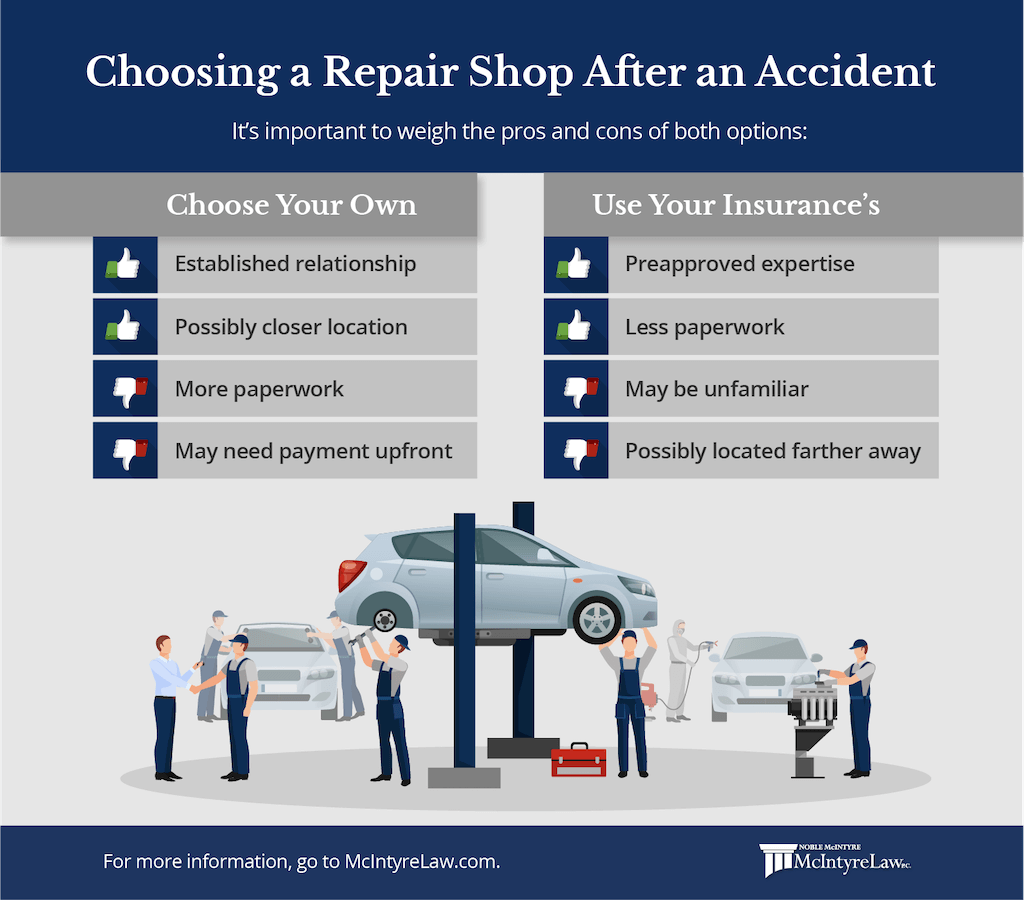
Credit: mcintyrelaw.com
Factors Affecting Repair Timelines
When your car needs repairs, you want it fixed quickly. Several factors can affect how long the process takes. Understanding these can help you plan better.
Extent Of Vehicle Damage
The extent of vehicle damage is a major factor. Minor scratches and dents often take less time to fix. Severe damage can take much longer.
Here is a simple comparison:
| Damage Type | Estimated Time |
|---|---|
| Minor Scratches | 1-2 days |
| Moderate Dents | 3-5 days |
| Severe Damage | 1-2 weeks or more |
Insurance Company Efficiency
Insurance company efficiency plays a critical role. Some companies process claims faster than others. This can significantly affect repair timelines.
Consider these factors:
- Speed of claim approval
- Availability of adjusters
- Communication between insurance and repair shops
Quick approval means repairs can start sooner. Delays in approval can extend the timeline.
Typical Duration For Car Repairs
Understanding how long car repairs take is important. Insurance companies often cover the costs. But the time to fix your car can vary. This depends on the damage. Let’s look at typical timelines for different types of repairs.
Minor Repairs Timeline
Minor repairs usually take less time. Common minor repairs include:
- Windshield replacement
- Paint touch-ups
- Small dent removal
These repairs often take one to three days. Here is a simple table showing the duration:
| Type of Repair | Typical Duration |
|---|---|
| Windshield Replacement | 1 Day |
| Paint Touch-Ups | 1-2 Days |
| Small Dent Removal | 1-3 Days |
Major Repairs Timeline
Major repairs take more time. These repairs include:
- Engine overhaul
- Transmission repair
- Major bodywork
These repairs can take one to four weeks. Here is a table showing the duration:
| Type of Repair | Typical Duration |
|---|---|
| Engine Overhaul | 2-4 Weeks |
| Transmission Repair | 1-3 Weeks |
| Major Bodywork | 2-4 Weeks |
Insurance approval can also affect the repair time. Always check with your insurance company first. They can provide a more accurate timeline.
Role Of Auto Repair Shops
Auto repair shops play a crucial role in how quickly your car gets fixed. Their efficiency can impact the time it takes for insurance to complete repairs. Understanding their role can help you manage expectations and timelines better.
Selection And Appointment Scheduling
Choosing the right auto repair shop is critical. Look for shops with good reviews and certifications. This ensures quality work and faster service. You can find reviews online or ask for recommendations.
Once you select a shop, schedule an appointment. Many shops offer online scheduling options. This makes the process quick and easy. Confirm your appointment to avoid any delays.
Communication With Insurance
Effective communication between the repair shop and your insurance is vital. The shop needs to provide accurate estimates and repair timelines. This helps speed up the insurance approval process.
Some shops have dedicated staff for handling insurance claims. They ensure all paperwork is completed quickly. This can significantly reduce the time needed for repairs.
| Steps | Description |
|---|---|
| 1. Selection | Choose a reputable repair shop with good reviews. |
| 2. Appointment Scheduling | Schedule an appointment online or by phone. |
| 3. Communication | Ensure the shop communicates effectively with your insurance. |
| 4. Paperwork | Complete all necessary paperwork promptly. |
Delays In The Repair Process
Car repairs can take longer than expected due to various delays. These delays can frustrate car owners who need their vehicles back quickly. Knowing the common causes of delays can help you manage your expectations and plan better.
Parts Availability Issues
One common issue is parts availability. Sometimes, the needed parts are not in stock. This can happen with rare or imported cars. The repair shop may need to order parts from other locations. Shipping and handling can take days or weeks.
Some parts need special manufacturing. This process takes even more time. If the car is older, finding parts can be a challenge. The parts may no longer be in production.
Repair Shop Backlogs
Repair shop backlogs are another cause of delays. Popular shops often have many cars waiting for repair. Each car takes time to fix, adding to the wait time. The backlog can grow if the shop is understaffed.
During busy seasons, such as winter, repair shops are busier. Snow and ice cause more accidents, leading to more repair needs. This increases the backlog and extends the wait time for everyone.
Credit: www.answerfinancial.com
Your Rights And Insurance Policies
Understanding your rights with insurance policies is essential. Knowing your entitlements helps you navigate the claims process smoothly. This section highlights your rights and what you should expect from your insurance company.
Policyholder Entitlements
- Fair Treatment: You deserve fair and honest treatment from your insurer.
- Timely Updates: The insurer must keep you informed about your claim status.
- Transparent Process: Insurers should explain the repair process clearly.
- Choice of Repair Shop: You can choose any repair shop for the work.
- Quality Repairs: Repairs should restore your car to its pre-accident condition.
Dispute Resolution Options
Sometimes, disputes arise during the claims process. Understanding your options helps resolve issues efficiently.
- Review Your Policy: Check your insurance policy for dispute resolution steps.
- Contact Customer Service: Speak with your insurer’s customer service for clarification.
- File a Complaint: If unsatisfied, file a formal complaint with your insurer.
- Seek Mediation: Mediation can help resolve disputes without legal action.
- Consider Legal Action: As a last resort, consult a lawyer for legal advice.
Understanding your rights and dispute resolution options ensures a smoother claims process. You deserve timely and quality repairs for your car. Knowing your entitlements empowers you to advocate for fair treatment.
Tips For A Speedier Repair
Getting your car repaired through insurance can take a while. But there are ways to speed up the process. Here are some tips for a faster repair.
Proactive Claim Management
Be proactive with your insurance claim. Report the accident as soon as possible. Provide all necessary documents quickly. This helps the insurance company process your claim faster.
- Take photos of the damage.
- Get a police report if needed.
- Keep all receipts related to the accident.
Follow up with your insurance agent regularly. Ask for updates on your claim status. This shows you are serious and can help speed things up.
Choosing The Right Repair Shop
Select a repair shop that your insurance company approves. This ensures a smoother process. Approved shops often have direct billing with insurers.
Look for shops with good reviews. Check online reviews for customer feedback. A reputable shop will likely fix your car faster.
| Criteria | Why It Matters |
|---|---|
| Insurance Approved | Speeds up the claim process |
| Good Reviews | Ensures quality and timely repairs |
Ask for an estimated repair time. This gives you a clear idea of how long it will take. A good repair shop will give you a realistic timeline.
Post-repair Considerations
After your car is repaired, some steps ensure everything is right. These steps help confirm your car is safe and ready. Below are key points to consider.
Quality Checks And Test Drives
Once repairs are done, quality checks are crucial. Mechanics inspect all parts to ensure proper installation. They check for any loose or misaligned components.
Next is the test drive. This checks if the car runs smoothly. It identifies any unusual noises or performance issues. Test drives usually cover various road conditions.
| Quality Check Step | Purpose |
|---|---|
| Visual Inspection | Detects visible flaws and issues |
| System Diagnostics | Ensures all systems are functioning |
| Test Drive | Checks overall performance |
Finalizing Insurance Claims
After repairs, the next step is finalizing insurance claims. Ensure all repair bills are submitted to the insurance company. Double-check the details for accuracy.
Sometimes, insurance might need a final inspection. An adjuster may review the car to ensure repairs meet standards. This step helps close the claim smoothly.
- Submit all repair bills.
- Confirm details are accurate.
- Schedule a final inspection if needed.
Once everything is verified, the insurance claim can be closed. This process ensures you are back on the road without worries.
:max_bytes(150000):strip_icc()/car-repair-following-insurance-claim-accident-527113_color-e5cd60eaed274db5b5e65c860183cd64.png)
Credit: www.thebalancemoney.com
Frequently Asked Questions
How Long Do Car Insurance Repairs Take?
Car insurance repairs typically take 1 to 3 weeks. The timeframe depends on damage severity and parts availability.
Why Is My Car Insurance Claim Taking So Long?
Car insurance claims can delay due to complex damage assessments, parts delays, or insurance company processing times.
What Affects Car Repair Time With Insurance?
Factors include damage extent, parts availability, repair shop workload, and insurance approval process.
Can I Speed Up My Car Insurance Claim?
Yes, providing complete documentation, promptly communicating, and choosing certified repair shops can expedite the process.
Conclusion
Understanding the timeline for car insurance repairs helps manage expectations. Timely communication with your insurer is key. Keep all required documents ready to speed up the process. Each case is unique, so stay patient. Always choose a trusted repair shop for quality service.
Stay informed to ensure a smooth and efficient repair experience.