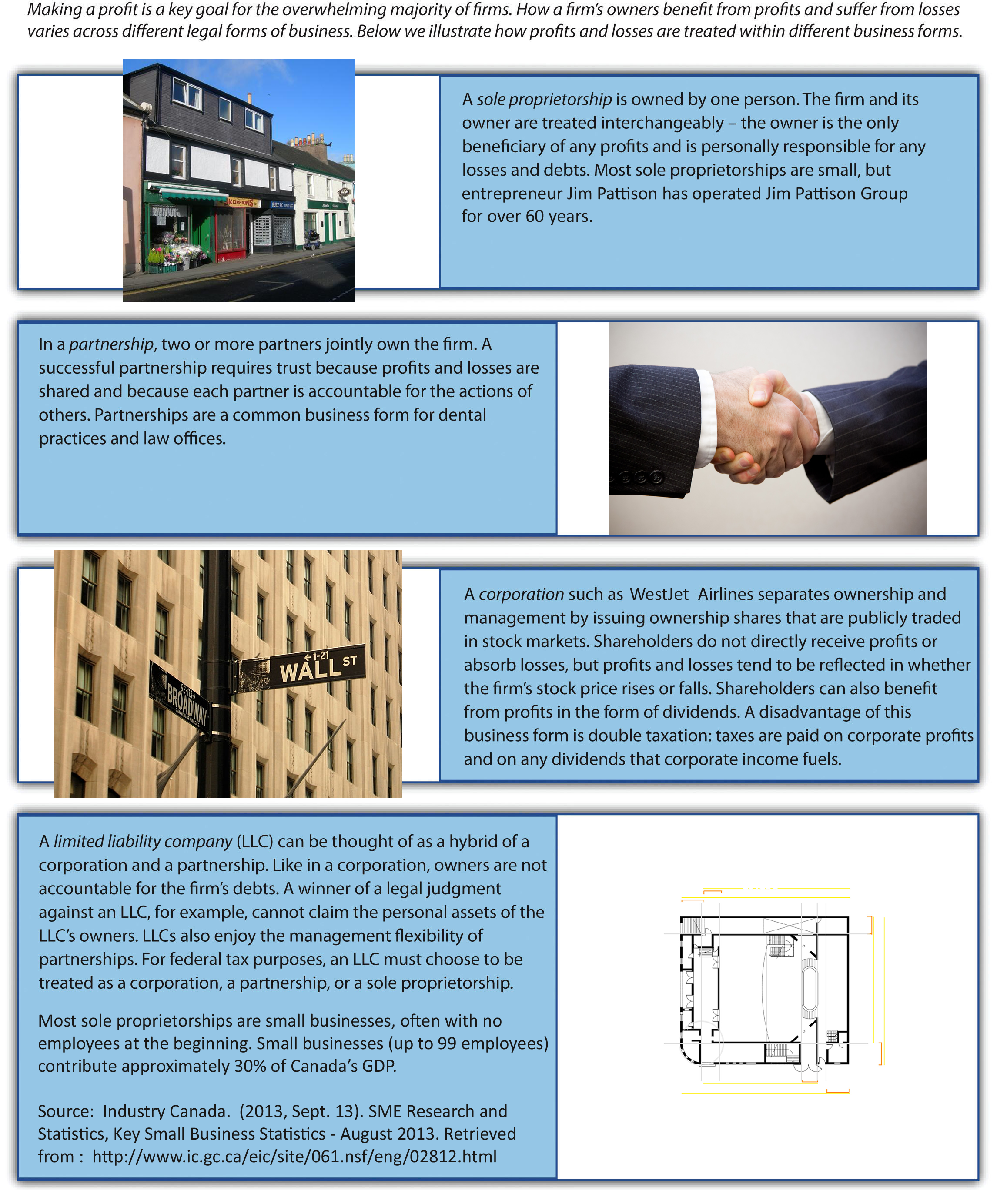
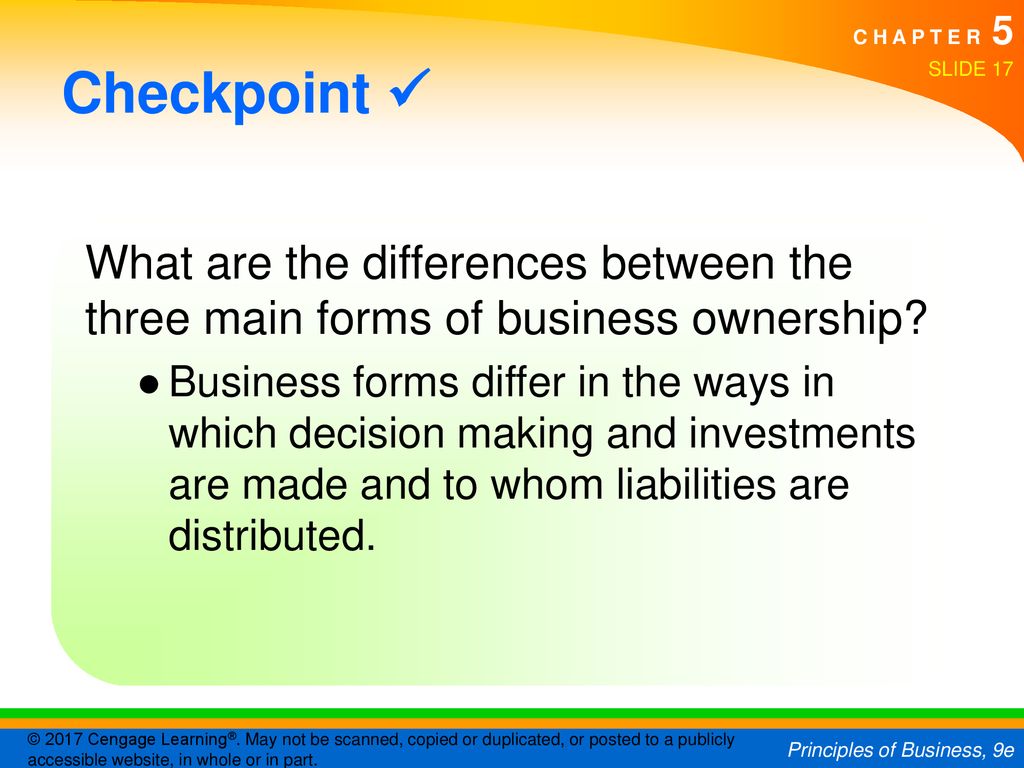
The three main forms of business ownership are sole proprietorship, partnership, and corporation. They differ in liability, taxation, and management structure.
Sole proprietorship is the simplest form, owned by one person. It offers complete control but comes with unlimited personal liability. Partnerships involve two or more people sharing ownership, profits, and liabilities. They provide more resources but require mutual agreement on decisions.
Corporations are complex entities owned by shareholders. They offer limited liability protection but are subject to more regulations and double taxation. Each form has distinct advantages and disadvantages, making it crucial to choose the right one based on your business goals and risk tolerance. Understanding these differences helps in making informed decisions for your business’s structure and future growth.
Credit: www.yumpu.com
Introduction To Business Ownership
Starting a business is an exciting journey. The first step is understanding the different forms of business ownership. Each form has its own unique characteristics and benefits. Choosing the right one is crucial for your success. This blog post will guide you through the main forms of business ownership.
The Concept Of Business Ownership
Business ownership refers to the control and responsibility of a business. There are three main forms:
- Sole Proprietorship
- Partnership
- Corporation
Each form has distinct features. They vary in terms of legal structure, liability, and management. Understanding these differences is essential for making informed decisions.
Importance Of Choosing The Right Form
Choosing the right form of business ownership affects many aspects of your business:
| Aspect | Impact |
|---|---|
| Legal Liability | Determines personal liability for debts |
| Taxation | Affects how your business is taxed |
| Funding | Influences ability to raise capital |
| Control | Determines who makes decisions |
Making the right choice helps you manage risks, optimize taxes, and ensure smooth operations. Each business is unique, so carefully consider your options. Always seek professional advice if needed.
Sole Proprietorship Simplified
Understanding the differences between the three main forms of business ownership is crucial for any aspiring entrepreneur. This section delves into sole proprietorships, offering a simplified view of this common business structure.
Key Characteristics
A sole proprietorship is the most straightforward type of business ownership. Here are some key characteristics:
- Single Owner: One person owns and operates the business.
- Complete Control: The owner makes all decisions.
- Unlimited Liability: The owner is personally responsible for all debts and obligations.
- Simple Taxes: Business income is reported on the owner’s personal tax return.
- Easy to Establish: It requires minimal legal paperwork to start.
Pros And Cons
| Pros | Cons |
|---|---|
|
|
Sole proprietorships offer simplicity and full control, but they come with significant risks. Understanding these aspects helps in making informed decisions.
Exploring Partnerships
Partnerships are a popular form of business ownership. They involve two or more individuals working together to run a business. Partnerships are flexible and allow for shared responsibility. This can make them a good choice for many entrepreneurs.
Different Types Of Partnerships
There are several types of partnerships. The most common are General Partnerships and Limited Partnerships.
- General Partnerships (GP): In a GP, all partners share equal responsibility and liability.
- Limited Partnerships (LP): In an LP, there are both general and limited partners. General partners manage the business, while limited partners invest money but have limited liability.
Advantages And Disadvantages
| Advantages | Disadvantages |
|---|---|
|
|
Understanding Corporations
Corporations are a popular form of business ownership. They are separate legal entities from their owners. This means they can enter contracts, sue, and be sued in their own name. Understanding how corporations work is vital for anyone considering starting or investing in one.
Corporate Structure Basics
Corporations have a defined structure. At the top are the shareholders. They own the corporation by holding shares of stock. Shareholders elect a board of directors. The board makes high-level decisions. They also appoint officers to manage day-to-day operations.
| Role | Responsibility |
|---|---|
| Shareholders | Own the corporation |
| Board of Directors | Make high-level decisions |
| Officers | Manage daily operations |
Benefits And Drawbacks
Corporations offer several benefits:
- Limited liability: Shareholders are not personally liable for debts.
- Perpetual existence: Corporations continue even if an owner leaves.
- Easy transfer of ownership: Shares can be sold or transferred.
There are also some drawbacks:
- Complexity: Setting up a corporation is more complicated than other forms.
- Cost: Corporations can be expensive to establish and maintain.
- Double taxation: Profits can be taxed at both corporate and shareholder levels.
Tax Implications
Understanding tax implications is crucial for any business owner. Each form of business ownership has unique tax treatments. Knowing these differences helps in making informed decisions. Below are the tax implications for sole proprietorships, partnerships, and corporations.
Tax Treatment For Each Business Form
| Business Form | Tax Treatment |
|---|---|
| Sole Proprietorship | Profits are reported on the owner’s personal tax return. No separate business tax. |
| Partnership | Income is passed through to partners’ personal tax returns. The partnership itself files an informational return. |
| Corporation | Corporations are taxed as separate entities. They file their own tax returns and pay corporate taxes. |
Strategies For Tax Optimization
- Utilize Deductions: Take advantage of all available deductions. This reduces taxable income.
- Retirement Plans: Contribute to retirement plans. These contributions are often tax-deductible.
- Expense Tracking: Keep detailed records of all business expenses. Accurate records help claim valid deductions.
- Hire a Tax Professional: Consult a tax advisor. They provide personalized tax-saving strategies.
Liability And Legal Considerations
Understanding liability and legal considerations is crucial for any business owner. Different business structures come with distinct liabilities and legal responsibilities. Knowing these differences can help you choose the best option for your business.
Comparing Liability Across Business Forms
Liability refers to the legal responsibilities of a business owner. The three main forms of business ownership are sole proprietorship, partnership, and corporation. Each has unique liability implications.
| Business Form | Liability |
|---|---|
| Sole Proprietorship | Unlimited liability. The owner is personally responsible for debts. |
| Partnership | Shared liability. Partners are jointly responsible for debts. |
| Corporation | Limited liability. Owners are not personally responsible for debts. |
Sole proprietorships have the highest risk. The owner’s personal assets are at risk. Partnerships share the risk among partners. Corporations offer the most protection. Owners’ personal assets are safe.
Navigating Legal Challenges
Legal challenges vary with business structure. Sole proprietors face direct legal actions. Any lawsuit targets the owner’s assets.
Partnerships distribute legal risks. Each partner may face individual lawsuits. This can complicate legal proceedings.
Corporations have more complex legal structures. They must comply with more regulations. Lawsuits target the corporation, not the owners.
- Sole Proprietorship: Simple but high personal risk.
- Partnership: Shared risk but more legal complexity.
- Corporation: Lower personal risk but higher regulatory demands.
Understanding these legal nuances helps in making informed decisions. Choose the structure that aligns with your risk tolerance and legal capacity.
Funding And Financial Management
Funding and financial management play a crucial role in the success of any business. The type of business ownership you choose impacts how you secure funds and manage finances. Each business type has its own set of advantages and challenges in these areas.
Funding Options For Each Business Type
Sole Proprietorship: Sole proprietors often rely on personal savings, loans, or credit cards for funding. This type of business has limited access to external financing. Banks may view sole proprietorships as high-risk, making loans harder to obtain.
Partnership: Partnerships can pool resources from multiple owners. This increases the amount of available capital. Partners may also seek loans, but like sole proprietorships, they might face challenges in securing large sums. Equity financing is often unavailable.
Corporation: Corporations have the most options for funding. They can issue stocks and bonds, attracting investments from the public. Corporations also have easier access to bank loans. They can secure large amounts of capital for expansion and operations.
Managing Finances Effectively
Sole Proprietorship: Sole proprietors need to keep personal and business finances separate. Using accounting software can help track income and expenses. Regular financial reviews are essential to ensure profitability. Tax obligations also need careful attention.
Partnership: Partnerships require clear agreements on financial roles. Each partner must know their responsibilities. Regular financial meetings can help track the business’s financial health. Using a joint bank account can simplify transactions. Partners should also agree on profit-sharing and expense management.
Corporation: Corporations have more complex financial management needs. They often hire professional accountants. Corporations must comply with stricter financial reporting requirements. This includes preparing detailed financial statements. Regular audits ensure transparency and accuracy. Effective cash flow management is also critical for maintaining operations.
Understanding the unique financial aspects of each business type can guide you in making informed decisions. Proper funding and financial management are key to the success of any business.
Credit: opentextbc.ca
Choosing The Right Fit For Your Venture
Starting a new business involves many decisions. One of the most crucial is selecting the right form of business ownership. The three main forms are Sole Proprietorship, Partnership, and Corporation. Each has unique advantages and challenges. Understanding these can help you make an informed choice.
Factors To Consider
Consider these factors when deciding on your business structure:
- Liability: Personal liability varies by structure. Sole proprietors bear full responsibility. Corporations limit owners’ liabilities.
- Taxation: Tax obligations differ. Sole proprietors and partnerships face personal income taxes. Corporations deal with corporate taxes.
- Control: Who will control the business? Sole proprietors have full control. Partnerships share control. Corporations have a board of directors.
- Funding: The ability to raise capital varies. Corporations find it easier to attract investors. Sole proprietors and partnerships rely on personal resources.
Real-world Examples
Examining real-world examples can clarify the differences:
| Business Type | Example | Key Characteristics |
|---|---|---|
| Sole Proprietorship | Local bakery | Single owner, easy to set up, full control |
| Partnership | Law firm | Multiple owners, shared responsibilities, pooled resources |
| Corporation | Tech startup | Separate legal entity, easier to raise funds, limited liability |
These examples illustrate the unique aspects of each structure. A bakery benefits from the simplicity of sole proprietorship. A law firm gains strength from partnership resources. A tech startup thrives with the funding opportunities of a corporation.
Credit: slideplayer.com
Frequently Asked Questions
What Are The 3 Major Forms Of Business Ownership And The Differences Between Them?
The three major forms of business ownership are sole proprietorship, partnership, and corporation. Sole proprietorship is owned by one person. Partnership involves two or more owners sharing profits and liabilities. Corporation is a separate legal entity, offering limited liability but with more regulations.
How Do You Differentiate The Three Forms Of Businesses?
Sole proprietorships are owned by one person. Partnerships involve two or more people sharing ownership. Corporations are separate legal entities, owned by shareholders.
How Do Businesses Differ From One Another In Terms Of Ownership?
Businesses differ in ownership types such as sole proprietorship, partnership, corporation, and limited liability company (LLC). Sole proprietorships are owned by one person. Partnerships involve two or more owners. Corporations are owned by shareholders. LLCs combine elements of partnerships and corporations.
Each type has unique legal and financial implications.
What Are Three Differences Between Sole Trader And Partnership?
A sole trader has one owner, while a partnership has multiple owners. Sole traders make decisions independently; partnerships share decision-making. Sole traders keep all profits; partnerships split profits among partners.
Conclusion
Choosing the right business structure is crucial for success. Sole proprietorship, partnership, and corporation each have unique benefits and drawbacks. Evaluate your goals, resources, and risk tolerance. Make an informed decision that aligns with your vision. This will set your business on a path to thrive and grow.