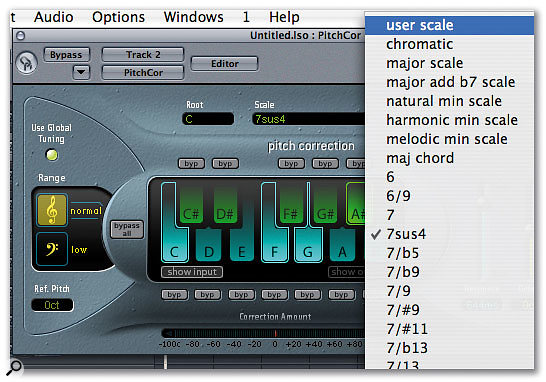
Pitch correction is a process used to fix inaccurate or off-key vocals in recordings, typically through the use of software. It is commonly used in the music industry to enhance vocal performances and ensure that they are in tune with the overall song.
By analyzing the pitch of the vocals and making adjustments, pitch correction can help to improve the overall quality and sound of a recording. It is a valuable tool for both professional recording engineers and singers, as it enables them to achieve the desired musical result.
Additionally, pitch correction can also be used creatively, allowing artists to manipulate the pitch and create unique vocal effects.
What Is Pitch Correction?
Pitch correction is a technique used in the music industry to correct or alter the pitch of a vocal performance. It has become an essential tool for musicians, producers, and audio engineers, allowing them to fine-tune vocal recordings and ensure that they are in key and on pitch.
Understanding The Concept Of Pitch Correction
Pitch correction involves making precise adjustments to the pitch of a vocal recording to correct any inaccuracies or inconsistencies. It allows artists to fix minor pitch imperfections, flatten sharp or flat notes, or create unique vocal effects. The goal is to enhance the overall quality and accuracy of the vocal performance without compromising its natural sound.
How Pitch Correction Software Works?
Pitch correction software utilizes sophisticated algorithms and signal processing techniques to analyze the pitch of a vocal recording and make necessary adjustments. These software tools detect the pitch and timing of each note or phrase and then manipulate the audio signal to bring it in line with the desired pitch.
Common Misconceptions About Pitch Correction
Despite its widespread use, there are several misconceptions surrounding pitch correction that are worth addressing.
- Pitch correction is only used to fix mistakes: While pitch correction is commonly used for fixing pitch errors, it can also be used creatively to achieve unique vocal effects or to enhance the performance.
- Pitch correction makes vocals sound robotic: When used sparingly and skillfully, pitch correction can maintain the naturalness of the vocal performance. It is possible to make subtle corrections without sacrificing the human touch.
- Pitch correction is a magical fix: Although pitch correction can significantly improve the accuracy of a vocal performance, it cannot compensate for poor singing technique or a lack of musicality. It is a tool that should be used judiciously in conjunction with a solid performance.
Credit: www.waves.com
The Benefits Of Pitch Correction
Pitch correction is a technique widely used in the music industry to enhance vocal performances and ensure that every note hits just right. With its ability to correct minor pitch errors without compromising authenticity, pitch correction offers numerous benefits that can transform a good song into a great one. In this article, we explore three compelling advantages of pitch correction that make it an indispensable tool for artists and producers alike.
Enhancing The Overall Quality Of Vocal Performances
Pitch plays a crucial role in the quality of a vocal performance. Even the most seasoned singers can sometimes find themselves hitting a wrong note, which can detract from an otherwise impeccable performance. This is where pitch correction comes to the rescue. By swiftly and accurately adjusting off-key notes, pitch correction enhances the overall quality of vocal performances, ensuring a smooth and polished sound that captivates listeners.
Correcting Minor Pitch Errors Without Compromising Authenticity
Authenticity is paramount in music, and the last thing artists want is for pitch correction to make their performances sound artificial or robotic. Fortunately, modern pitch correction tools have evolved to strike the perfect balance between correcting minor pitch errors and preserving the natural character of the original recording. By maintaining the authenticity of the performance, pitch correction allows artists to showcase their unique voice while still delivering a flawless, pitch-perfect rendition.
Increasing The Commercial Appeal Of A Song
In today’s competitive music landscape, commercial appeal is more important than ever. The success of a song often hinges on its ability to resonate with listeners and stand out amidst a crowded market. Pitch correction can be a powerful ally in this pursuit. By perfecting the vocal pitches and ensuring impeccable intonation, it can significantly increase the commercial appeal of a song. Songs that are pitch-perfect garner more attention, captivating audiences and making a lasting impact that can elevate an artist’s career to new heights.
Popular Pitch Correction Techniques
Pitch correction techniques are widely used in music production to enhance vocal performances. These techniques include auto-tuning, formant shifting, and manual pitch correction, ensuring accurate pitch and a polished sound.
H3popular Pitch Correction Techniques/h3
When it comes to perfecting vocal performances, pitch correction techniques have become an indispensable tool for many music producers and engineers. From subtle adjustments to extreme effects, pitch correction software offers a wide range of possibilities to enhance the pitch accuracy of a vocal recording. In this blog post, we will explore some of the most popular pitch correction techniques used in the industry today.
H3auto-tune: Exploring The Most Widely Used Pitch Correction Software/h3
One name that instantly comes to mind when talking about pitch correction software is Auto-Tune. This industry-standard plugin has revolutionized the way vocal performances are tuned. With its advanced algorithms and real-time pitch detection capabilities, Auto-Tune allows you to finely adjust the pitch of a vocal recording, bringing it into perfect harmony with the rest of the music. From transparent corrections to creative pitch manipulation, Auto-Tune offers a wide range of tools and settings to suit any production style. Whether you want a natural-sounding tune-up or a robotic, futuristic effect, Auto-Tune has got you covered.
H3melodyne: An Alternative Approach To Pitch Correction/h3
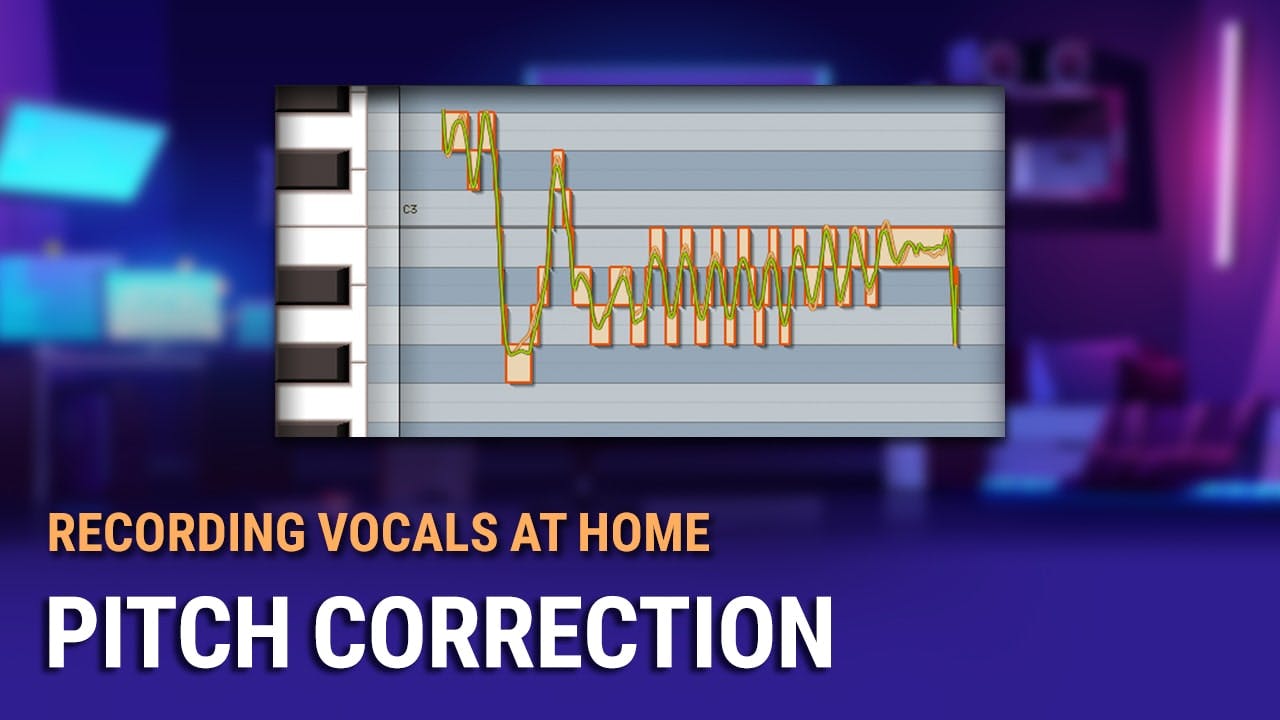
If you’re looking for a different approach to pitch correction, Melodyne is worth exploring. This powerful software takes a unique perspective on pitch correction, allowing you to edit individual notes within a vocal performance. Instead of simply correcting the overall pitch, Melodyne enables you to manipulate the pitch and timing of each note individually, giving you unparalleled control over the final result. Whether you want to fix a few sour notes or completely transform the melody of a recording, Melodyne opens up a world of creative possibilities for musicians and producers.
H3vocalign: Aligning Multiple Vocal Tracks For A Seamless Performance/h3
When working with multiple vocal tracks, one of the biggest challenges is ensuring that all the performances are perfectly in sync. This is where Vocalign comes in. This handy plugin analyzes the timing and pitch characteristics of a reference vocal track and applies the same characteristics to other vocal tracks, aligning them seamlessly. This not only saves valuable time by automating the manual alignment process but also helps in creating a more cohesive and polished vocal performance. Whether you are harmonizing multiple vocal parts or layering different takes, Vocalign ensures that your vocal tracks blend together seamlessly.
H3flex Pitch: Utilizing Pitch Correction Within A Digital Audio Workstation (daw), Ensuring Each H3 Heading Adheres To Html Syntax./h3
If you prefer to work within your digital audio workstation (DAW) without relying on external plugins, Flex Pitch is a powerful in-built tool worth exploring. Available in popular DAWs like Logic Pro X, Flex Pitch allows you to manipulate the pitch and timing of individual notes directly within your DAW’s interface. This gives you complete control over the pitch correction process, allowing for quick and efficient editing. With its intuitive user interface and seamless integration with the rest of your project, Flex Pitch is a convenient option for producers and engineers who prefer an all-in-one solution for their pitch correction needs.
Tips And Tricks For Effective Pitch Correction
The process of pitch correction can greatly enhance the quality of recorded vocals and instruments, making them sound more polished and professional. However, achieving effective pitch correction requires more than just having the right software. In this article, we will look at some essential tips and tricks that will help you get the best results when using pitch correction software. From choosing the right software to understanding the different parameters and settings, maintaining natural-sounding results, and ensuring proper timing and rhythm, we will cover all aspects of effective pitch correction.
Choosing The Right Software For Your Needs
When it comes to pitch correction, having the right software is crucial. There are several options available in the market, each with its own set of features and capabilities. Before making a decision, consider the specific requirements of your project. Some key factors to consider include the level of control you need over the correction process, the ease of use, and compatibility with your recording software. Additionally, it’s important to choose a software that provides real-time monitoring, allowing you to make adjustments on the fly.
Understanding The Different Parameters And Settings
To achieve accurate pitch correction, it’s essential to have a good understanding of the different parameters and settings within the software. These parameters include things like pitch correction strength, formant control, vibrato correction, and more. Each parameter serves a specific purpose and can greatly impact the final result. Take the time to experiment with different settings and understand how they affect the pitch correction process. Remember, a little adjustment can go a long way in creating a natural-sounding outcome.
Maintaining Natural-sounding Results
One of the biggest challenges in pitch correction is maintaining a natural sound. While it’s important to correct any out-of-tune notes, overdoing the correction can result in a robotic and artificial sound. To maintain a natural-sounding result, it’s important to strike a balance between correction and preserving the original performance. Pay attention to the nuances and dynamics of the original recording and make subtle adjustments to bring it in tune without compromising the overall feel and emotion.
Ensuring Proper Timing And Rhythm
Pitch correction is not just about correcting the pitch, but also about ensuring proper timing and rhythm. It’s crucial to align the corrected pitch with the original timing of the performance. Most pitch correction software offers tools for adjusting the timing and note lengths to ensure a seamless integration with the rest of the track. By attentively adjusting the timing and rhythm, you can ensure that your pitch correction is not only accurate but also blends seamlessly with the rest of the music.
Ethical Considerations In Pitch Correction
Pitch correction technology has revolutionized the music industry, enabling artists to achieve impeccable vocal performances. However, the use of this technology raises ethical concerns that need to be carefully navigated. In this section, we will explore the ethical considerations associated with pitch correction, focusing on how to balance artistic integrity with perfection, the ongoing debate surrounding its use in live performances, and the importance of transparency and disclosure for commercially released music.
Balancing Artistic Integrity With Perfection
With pitch correction software becoming increasingly sophisticated, artists are presented with a dilemma. On one hand, they strive for perfection and want their vocals to be flawless. On the other hand, they do not want to compromise their artistic integrity by relying too heavily on pitch correction. Striking the right balance is crucial in ensuring that the final product retains the essence and authenticity of the artist’s performance.
The Debate Surrounding The Use Of Pitch Correction In Live Performances
The use of pitch correction in live performances has sparked a heated debate among music enthusiasts. Some argue that it detracts from the raw energy and spontaneity of a live performance, creating an artificial and detached experience for the audience. Others contend that pitch correction can enhance a live performance by providing a more polished and enjoyable experience for the listeners. As the debate rages on, artists face the challenge of deciding whether to utilize pitch correction during their live shows or rely solely on their natural abilities.
Transparency And Disclosure For Commercially Released Music
In an era where listeners crave authenticity from their favorite artists, transparency and disclosure surrounding the use of pitch correction in commercially released music are paramount. While pitch correction can elevate a song’s quality, it is crucial for artists and producers to be transparent about its usage. This ensures that the audience can make informed judgments and appreciate the craft behind the final product. By disclosing the implementation of pitch correction, artists can maintain trust and integrity with their fan base, fostering a more meaningful connection.
Frequently Asked Questions On Pitch Correction
Is Pitch Correction The Same As Autotune?
Pitch correction and autotune are not the same. Pitch correction is a technique that corrects off-key notes in a recording, while autotune is a specific type of pitch correction software. Autotune is commonly used for its distinct robotic effect, but pitch correction can be applied in a more subtle manner.
What Is Pitch Correction?
Pitch correction is the process of altering the pitch of a recorded vocal or instrument to correct off-key notes. It helps enhance the overall quality and accuracy of the performance.
Do Most Singers Use Pitch Correction?
Most singers use pitch correction to enhance their performances and achieve a more polished sound. It helps to correct any minor pitch inaccuracies and ensure a consistent and professional vocal performance.
Did Pitch Correction Exist Before Autotune?
Pitch correction did exist before autotune.
Conclusion
Pitch correction is an essential tool for musicians looking to enhance their recordings. By fixing vocal imperfections and tuning instruments accurately, it helps create a polished and professional sound. With its user-friendly features and advanced technology, pitch correction software allows artists to achieve the desired pitch effortlessly.
Incorporating pitch correction into your recording process can significantly improve the overall quality of your music, making it more appealing to listeners. Don’t underestimate the power of pitch correction in turning an average performance into something truly exceptional. Give it a try and elevate your music to new heights.