
Imagine having a secret weapon that could transform your website visitors into loyal customers. This isn’t just a dream—it’s the power of a well-crafted landing page.
But what exactly is a landing page, and why is it so crucial for your online success? If you’ve ever found yourself asking this question, you’re not alone. Countless businesses are discovering that understanding landing pages is the key to unlocking higher conversion rates and boosting their bottom line.
You’ll uncover the essential elements of a landing page, learn why it’s a cornerstone of effective digital marketing, and find out how you can create one that captivates and converts. Prepare to dive into the world of landing pages and discover how they can work wonders for your online presence.
Landing Page Basics
A landing page is where visitors land first on a website. Its main goal is to grab attention and drive action. This action could be signing up, buying a product, or downloading an ebook. Clear goals help guide the design and content of the page. They focus on a single message. Simple and direct.
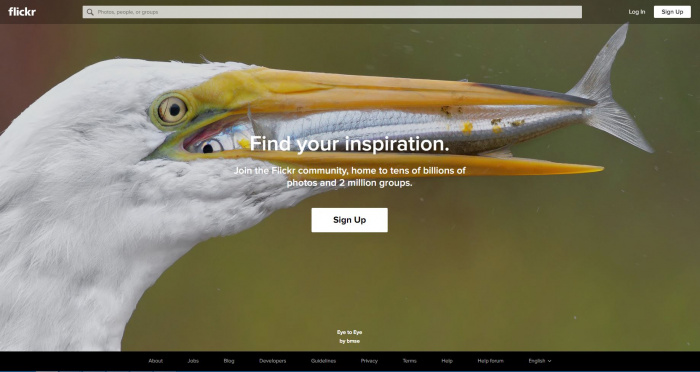
Key features of a landing page include a strong headline and a clear call to action (CTA). The headline should be catchy and tell what the page is about. The CTA tells visitors what to do next. Use eye-catching visuals and short, clear text. Trust signals like testimonials or certificates help build trust. Avoid distractions to keep focus on the main goal.
Credit: www.seobility.net
Types Of Landing Pages
Click-through pages are simple. They have one goal: get users to click. These pages often lead visitors to another page. Usually, it’s a product page or a sign-up page. They don’t have a form. Instead, they show important information. This info makes users want to click. Often used in marketing campaigns. They help increase conversions.
Lead generation pages collect user information. They usually have a form. Users fill out this form. It might ask for their name and email. Sometimes, it asks for more details. Businesses use this info for future contact. These pages offer something in return. Like a free eBook or a newsletter. This encourages users to share their information. Very important for building a customer list.
Sales pages aim to sell a product or service. They have detailed information. This includes product benefits and features. Often, they have customer reviews. These reviews build trust. Sales pages might have a buy button. Sometimes, they offer special discounts. Their design is clear and focused. The goal is to make users buy. They are crucial for e-commerce websites.
Design Elements
A good headline grabs attention quickly. It tells the reader what to expect. Keep it short and clear. Use simple words that everyone understands. A great headline can make people stay longer.
Pictures and videos can tell stories. They make the page look nice. Use bright and clear images. They should match the page’s topic. Visuals help people understand better. They can show what words can’t.
A call to action tells people what to do next. Use simple words. Say things like “Buy now” or “Learn more.” Make it easy to see. Bold colors can help it stand out. A good call to action is important.
Optimization Techniques
Strong SEO strategies help landing pages rank better. Use keywords in the title and content. Add meta tags for search engines. Keep the URL short and easy. This helps users find the page quickly.
Test two versions of a page with A/B testing. See which one works better. Change one thing at a time. Maybe the color or text. Track which version gets more clicks. This helps improve the page.
Track performance to see how well the page does. Check the number of visitors. Measure how long they stay. Look at how many people take action. Use tools to get this data. Improve the page based on these numbers.
Common Mistakes
Too much information confuses visitors. Keep it simple. Highlight key points. Use bullet points or short paragraphs. Focus on what matters most. Avoid cluttering the page.
Many people use phones. Make sure your page works well on mobile. Small screens need easy-to-read content. Test how it looks. Make buttons big enough to tap easily.
Strong calls to action are important. Tell visitors what to do next. Use clear words like “Buy now” or “Sign up”. Make the button stand out. Use bright colors and big text.

Credit: nucleus.iaea.org
Successful Examples
Many brands have made great landing pages. These pages catch attention quickly. Airbnb used simple text and clear images. Spotify had colorful designs and easy buttons. Dropbox showed its features with helpful videos. All these examples have one thing in common. They make visitors want to learn more. They focus on one clear message. This helps users understand the offer. Users feel curious and interested. That’s why they work well.
Innovations can change how landing pages work. Chatbots help answer questions fast. Interactive elements keep users engaged. Personalized content makes users feel special. These tools make landing pages more fun. They help brands connect with users. Users get a better experience. They find what they need faster. Industries use these ideas to improve results. They keep users happy and coming back.

Credit: commons.wikimedia.org
Frequently Asked Questions
What Is Meant By Landing Page?
A landing page is a standalone web page designed for marketing or advertising campaigns. It aims to capture visitor information through a form or engage users with specific content. Optimized for conversions, it often includes a call-to-action (CTA) to encourage desired actions like signing up or purchasing.
What’s The Difference Between A Website And A Landing Page?
A website is a collection of multiple pages with various information. A landing page is a single page focused on a specific goal or conversion, often used for marketing campaigns. Websites offer broad content; landing pages drive specific actions like sign-ups or sales.
What Are The Three Types Of Landing Pages?
The three types of landing pages are click-through, lead generation, and sales pages. Click-through pages guide users to take action. Lead generation pages collect visitor information through forms. Sales pages directly promote a product or service, aiming for immediate purchases.
Are Landing Pages Still A Thing?
Yes, landing pages are still vital. They boost conversions by focusing on specific goals and target audiences. Businesses use them for promotions, lead generation, and capturing visitor information effectively. Optimize landing pages with clear calls-to-action, engaging content, and user-friendly design to enhance performance and achieve marketing objectives.
Conclusion
A landing page wiki offers clear insights. It helps users understand landing pages better. Easy navigation and structured information make it user-friendly. Businesses benefit by optimizing landing pages for better conversion. This page serves as a valuable resource. It guides both beginners and experts alike.
With this knowledge, creating effective landing pages becomes simple. Users can improve their strategies and achieve goals. The landing page wiki is a handy tool for digital marketers. It enhances understanding and application. Use it to boost website effectiveness and user experience.


