
Imagine clicking on an ad that promises a solution to your problem, only to land on a page that leaves you confused and frustrated. You may have experienced this before, and it’s likely you didn’t stick around.
This is where landing page alignment comes into play, and it’s crucial for the success of your online marketing efforts. Have you ever wondered why some landing pages instantly grab your attention and guide you smoothly towards taking action, while others fall flat?
The secret lies in how well the landing page aligns with your expectations and needs. You’ll discover what landing page alignment is and why it’s vital for converting curious visitors into loyal customers. Stay with us to unlock the strategies that can transform your landing pages into powerful conversion tools, making every click count.
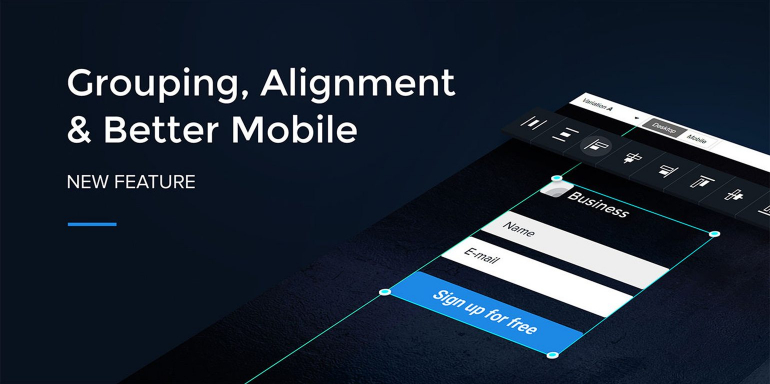
Credit: instapage.com
Landing Page Basics
A landing page is like a special welcome mat online. Its main goal is to grab your attention. It also wants you to take a specific action. Maybe sign up or buy something. It’s important to keep it simple. Too many things can confuse visitors. The page should speak to one goal. This makes it easier for visitors to decide. It should also match the ad or email that brought you there. This creates a smooth experience.
Some parts are very important. First, a clear headline is needed. It tells visitors what the page is about. Next, a short description helps explain more. Add a call-to-action button. This button invites visitors to do something. Like clicking to learn more. Pictures or videos help too. They make the page more engaging. Finally, trust badges or reviews can help build confidence.
Concept Of Alignment
Visual alignment makes a page look nice. Pictures and text should match. They should be in the right spot. This helps people see what is important. It makes the page easy to read.
Textual alignment means words line up well. Sentences are neat. They help people understand better. Words should not be messy. Keeping them tidy is key.
Functional alignment is about how things work. Buttons should be in the right place. Links should be easy to click. Everything should help the visitor. This makes the page easy to use.
Design Principles
Consistency helps users feel comfortable. Colors should match. Fonts need to be the same. It makes pages look professional. Users won’t get confused. They know what to expect. This builds trust. Buttons should be in the same place. Keep forms simple. It improves user experience. Navigation needs to be easy. It helps users find things quickly.
Balance makes a page look nice. Images and text should be even. It helps the eyes relax. Harmony means everything fits together. Colors should not clash. They should blend well. It makes design pleasant. Use white space wisely. It keeps things from feeling crowded. Users can focus better. This makes them happy.
Benefits Of Alignment
Landing page alignment makes websites easier to navigate. Visitors find information quickly. This reduces frustration. Easy navigation keeps users happy. Happy users stay longer. They explore more pages. Exploration leads to engagement. Engagement builds trust. Trust is important. It makes users return. Returning users are loyal users. Loyalty is key to success.
Alignment boosts conversion rates. Clear messages attract attention. Users understand offers easily. Understanding leads to action. More actions mean more sales. Sales grow businesses. Businesses need growth. Growth comes from conversions. Conversions are valuable. Value is essential. It ensures success. Success is the goal of every business.
Tools For Alignment
Good design software helps make nice landing pages. Adobe XD and Figma are popular. They are easy to use. You can create beautiful pages fast. These tools help match colors and fonts. They ensure everything looks good together. Design software makes your page neat. It keeps elements in line. This way, the page looks clean. Users like pages that look nice. Good design helps users stay longer.
Google Analytics shows how people use your page. It tells how long they stay. This tool helps find what works best. Hotjar shows where users click most. It helps see what users like. With these tools, you can improve your page. Analytics tools help make smart changes. They provide data to guide decisions. This means better alignment. It makes the page more effective.
Credit: www.39celsius.com
Common Mistakes
Many people use phones to look at websites. A landing page must be easy to see on phones. If not, visitors get frustrated. They leave quickly. A page should fit on a small screen. Buttons must be big enough to tap easily. Text should be clear and not too small. Pictures must load fast.
Too much information can confuse visitors. They may not know where to look first. A landing page should have only the important points. Use short sentences. Keep paragraphs small. Avoid adding too many links. People should find what they need fast. Simple is better.
Best Practices
A landing page needs a clear call to action. This tells visitors what to do next. Use simple words like “Buy Now” or “Sign Up”. Place the button where it is easy to see. The color should stand out. This helps grab attention. Make sure the action is easy to do. Fewer clicks are better. It keeps visitors happy and engaged.
Branding should match everywhere. Use the same logo and colors on your page. This builds trust. People feel safe with familiar things. Use the same style of pictures. The message should be the same too. Keep it simple and clear. This makes your brand strong and easy to remember.

Credit: www.39celsius.com
Case Studies
Some brands have shown great landing page alignment. They use clear messages. Their pages match ads perfectly. This builds trust. People feel safe when clicking.
One brand used simple images. It helped users know what they sell. Another brand made fast loading pages. Users stayed longer. They bought more. These brands keep designs clean. They avoid clutter.
Good alignment brings more visitors. Users find what they expect. Brands should focus on clear, direct content. This means less confusion. Simple designs work best. They guide users easily.
Pages should load fast. It helps keep users happy. Bold words grab attention. This makes reading easy. Good examples teach us much. Brands should copy these lessons.
Frequently Asked Questions
What Is Meant By Landing Page?
A landing page is a standalone web page designed to capture visitor information or promote specific products. It aims to convert visitors into leads by focusing on a single call-to-action. Effective landing pages are crucial for digital marketing campaigns, optimizing user experience and boosting conversion rates.
What Is Landing Page Format?
A landing page format is a web page designed to capture leads or drive conversions. It includes a compelling headline, clear call-to-action, concise content, and visually engaging elements. The design focuses on simplicity to guide users towards a specific action, improving user experience and conversion rates.
How Do You Structure A Landing Page?
A landing page should include a clear headline, engaging visuals, concise copy, and a strong call to action. Highlight benefits, use testimonials for trust, and ensure fast loading time. Optimize for mobile devices and include contact information for easy access.
What Is The Difference Between A Website And A Landing Page?
A website contains multiple pages with diverse content. A landing page focuses on a single goal, usually conversions. Websites provide detailed information and navigation. Landing pages drive specific actions like sign-ups or sales. Websites are broader in scope, while landing pages target specific marketing campaigns.
Conclusion
Landing page alignment boosts your site’s success. It ensures clear messaging and design. Users find what they need quickly. This increases engagement and conversions. Simple, effective layouts guide visitors smoothly. Consistent branding builds trust. Strong alignment avoids confusion. It gives users a seamless experience.
Focus on user needs. Align your elements thoughtfully. This makes navigation easy. Your message remains clear. A well-aligned landing page stands out. It attracts more visitors. They stay longer and explore more. Success grows with better alignment. Keep refining your pages.
Good alignment makes a big difference. Your efforts will be rewarded.


