
Have you ever wondered why some online content instantly grabs your attention while others just fade away? It might be due to the power of infographics and landing pages.
These tools are not just buzzwords; they are game-changers in the digital marketing world. Infographics simplify complex information, making it visually appealing and easy for you to digest. Meanwhile, landing pages are designed to guide you towards a specific action, like signing up for a newsletter or making a purchase, by focusing solely on your needs and preferences.
Understanding the magic behind these elements can transform how you engage with content online. Dive in to discover why infographics and landing pages are essential for effective communication and successful marketing strategies. You’ll soon see why they could be the missing pieces in your digital toolkit.
Credit: customcreatives.com
Infographic Basics
An infographic is a picture with information. It uses charts and pictures. This makes complex ideas simple. It helps people learn quickly. Infographics are easy to share. They are colorful and fun. They can show data, steps, or facts. Their main goal is to tell a story. In a way people understand. This makes them popular online.
Infographics have several parts. First, there is a title. It tells the main idea. Next, there is the content. It includes text and pictures. Good infographics use colors well. They also use icons and symbols. This helps with understanding. Finally, there is the source. It shows where the information comes from. Each part is important. Together, they make the infographic clear.
Credit: marketingexperiments.com
Types Of Infographics
Statistical infographics show data and numbers in a fun way. They use charts and graphs to share important information. This type helps people understand big numbers easily. They are colorful and have clear labels. Designers use them in reports and presentations. These infographics make learning about numbers exciting. People like them because they are easy to read.
Informational infographics explain a topic in a simple way. They use pictures and text together. This makes it easy to learn new things. These infographics are like mini-guides. They give clear steps or tips. People use them to learn about new subjects quickly. They help share knowledge in an interesting way.
Timeline infographics show events in order. They use lines and dates to tell a story. This helps people see how things change over time. Timelines are great for showing history or plans. They are used in schools and businesses. These infographics make complex stories simple. Readers enjoy them because they are easy to follow.
Design Principles
Use big text for important messages. Place important items at the top. Contrast helps to show what is important. Make sure eyes move easily on the page. Arrows can guide the eyes too. Keep the design simple and clean.
Choose bright colors to catch attention. Use cool colors for calm feelings. Fonts should be easy to read. Bold fonts work for titles. Use different sizes to show what is important. Too many colors can be confusing.
Use charts to show numbers. Graphs can make trends easy to see. Icons help explain ideas quickly. Pictures can tell a story. Keep data simple and clear. Too much data can be confusing. Use legends to explain symbols.
Landing Page Essentials
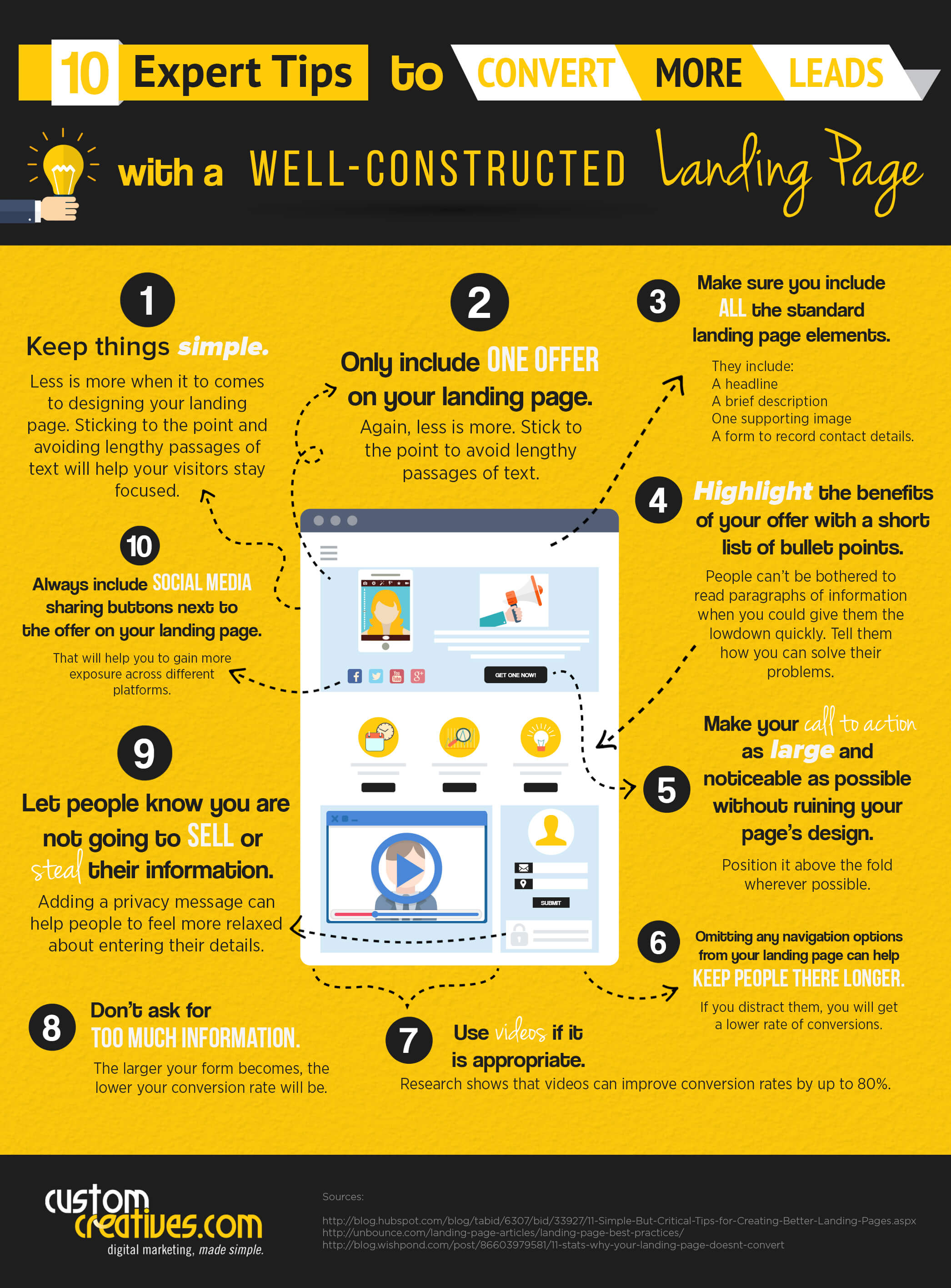
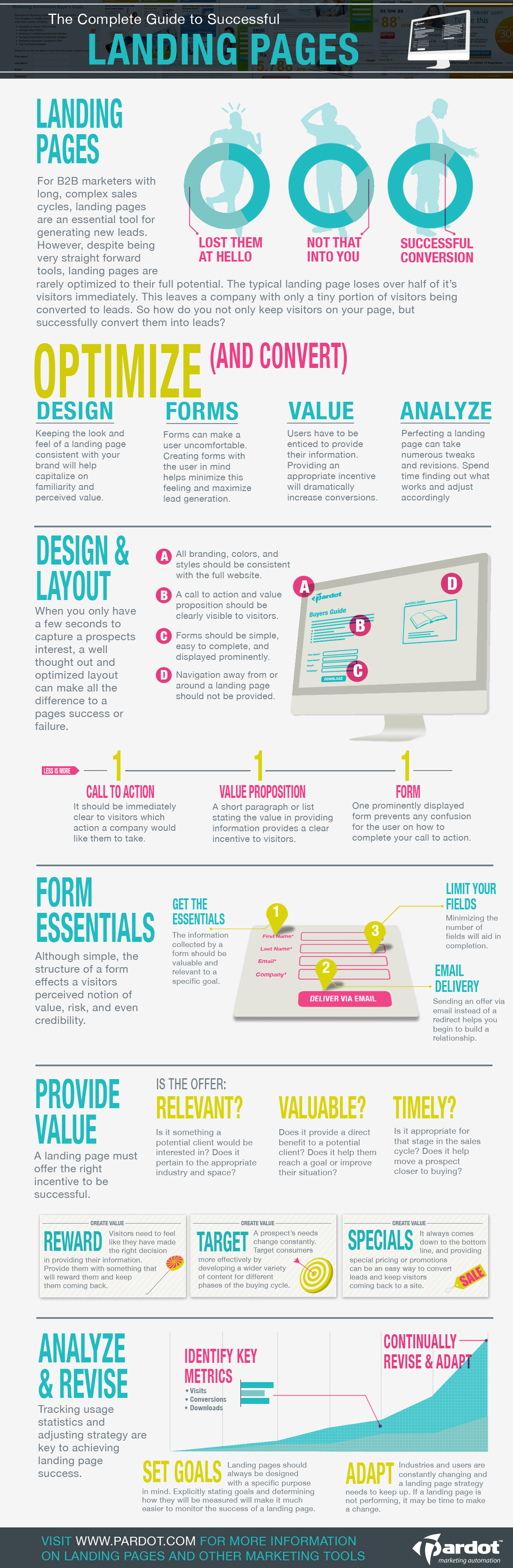
A landing page has a clear goal. It often aims to convert visitors into leads or customers. These pages help people find what they need. They must be simple and focused. A landing page shares one main message. This message guides the visitor to act. Pages are designed to be direct and easy to navigate. Properly made landing pages bring good results. They are important for any online business.
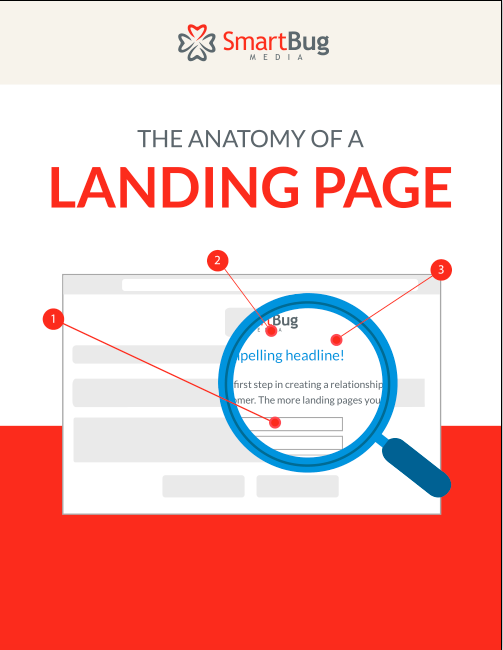
Every landing page needs certain elements. First, a strong headline. It grabs attention fast. Next, a call to action. This tells users what to do. A clean design is also key. It should not distract visitors. Include images or videos. These make the page more engaging. Testimonials can add trust. Finally, use forms. Forms collect visitor information easily. Each element plays a part in success.
Effective Landing Page Design
Make the page simple and easy to use. Users should find what they need quickly. Clear text and pictures help. A good layout makes it easy to read. Easy navigation is key. People like pages that load fast.
Call to Action buttons guide users. They tell users what to do next. Use bright colors to make them stand out. Simple words work best. “Buy Now” or “Sign Up” are good examples. Place them where users can see.
Pages should look good on all devices. Responsive design adjusts to the user’s screen. Phones, tablets, and computers all show the page well. Users stay longer on pages that work everywhere.
Combining Infographics With Landing Pages
Infographics make information easy to understand. They use pictures and short text. Landing pages bring visitors to your site. Combining them is smart. It creates a strong message. People learn fast and stay longer. Colors and images catch the eye. They help users focus. Clear messages build trust. More people will click and read.
In a study, one company used infographics on their landing page. They saw a big increase in clicks. Another business tried it too. Their sales grew fast. People liked the clear info. They found what they needed quickly. These examples show how useful infographics can be. Easy to see. Easy to understand. Easy to act.
Best Practices
Infographics should be colorful and clear. Use bright colors. Include simple icons. Information must be easy to understand. Break down complex ideas. Use short sentences. Add interesting facts. Keep the design neat.
Use keywords naturally. Place them in titles and descriptions. Infographics should have alt text. This helps search engines. Add captions that are clear. They should match the content. Use links to connect related topics. Ensure the page loads fast.
Use tools to see how well your infographic does. Check the views and shares. Look at the time spent on the page. This shows interest. Note the bounce rate. A high rate means users leave quickly. Use this data to improve.
Credit: www.smartbugmedia.com
Frequently Asked Questions
What Is The Landing Page?
A landing page is a web page designed to capture visitor attention and convert them into leads or customers. It focuses on a specific goal, often featuring a call-to-action. Effective landing pages are optimized for search engines, user-friendly, and offer clear, concise information relevant to the visitor’s interest.
What Is An Infographic Page?
An infographic page visually presents data and information using graphics, charts, and icons. It enhances understanding and engagement. This format is ideal for simplifying complex topics, making content shareable, and boosting SEO through visual appeal and keyword optimization.
What Is An Infographic And Example?
An infographic visually presents information using graphics, charts, and text. Example: a poster illustrating recycling benefits.
What Is The Difference Between A Website And A Landing Page?
A website is a collection of web pages providing detailed information and resources. A landing page is a single page designed for specific goals like conversion or lead generation. Websites offer broader content, while landing pages focus on one action, such as signing up or purchasing.
Conclusion
Infographics and landing pages are powerful tools in digital marketing. Infographics simplify complex information visually. They make data easy to understand. Landing pages focus on converting visitors. They guide users to take action. Both are essential for engaging your audience.
Use them to convey your message effectively. Keep designs simple and content clear. This approach enhances user experience. It also boosts engagement and conversions. By integrating these tools, you can achieve better results. Start creating infographics and landing pages today.
Make your digital presence more impactful and user-friendly.


