Yes, it matters what printer ink you use. Using the right ink ensures better print quality and printer longevity.
Printer ink quality directly affects your print results and your printer’s performance. Using the manufacturer’s recommended ink can prevent issues like smudging, fading, and clogging. Third-party inks might be cheaper but often compromise print quality and can damage your printer over time.
Genuine ink provides consistent results and maintains the printer’s warranty. Always consider the type of documents or images you print frequently. High-quality ink is crucial for professional documents and photographs. Choosing the right ink helps maintain vibrant colors and sharp text, ensuring your prints look their best. Investing in proper ink saves money in the long run by reducing maintenance costs.
The Importance Of Choosing The Right Printer Ink
Choosing the right printer ink is crucial. It affects the quality of your prints and the lifespan of your documents. Not all printer inks are created equal. Selecting the right one can make a big difference in your printing experience.
Quality Of Print And Color Accuracy
Using the right printer ink ensures high-quality prints. The colors will be accurate and vibrant. Generic inks may lead to dull or incorrect colors. Brand-specific inks are designed for your printer model. They deliver the best results. Print quality matters for professional documents and photos. Accurate colors make your prints stand out.
Longevity And Durability Of Printed Documents
Choosing the right ink also impacts the longevity of your prints. High-quality inks are designed to last longer. They resist fading over time. Cheap inks might fade quickly and ruin important documents. Durable ink keeps your prints looking new for years. This is crucial for archiving important papers.
| Aspect | High-Quality Ink | Generic Ink |
|---|---|---|
| Print Quality | High | Variable |
| Color Accuracy | Precise | Inconsistent |
| Longevity | Long-lasting | Short-lived |
| Durability | High | Low |
Investing in quality ink saves money in the long run. It prevents repeated printing and document loss. Choosing the right printer ink is a wise decision for all your printing needs.
Original Ink Cartridges Vs. Third-party Options
Choosing the right printer ink is crucial for quality printing. Original ink cartridges and third-party options each have their pros and cons. Understanding these can help you make an informed decision.
Manufacturer Inks: Pros And Cons
Manufacturer inks are made by the same company that produced your printer.
| Pros | Cons |
|---|---|
|
|
Compatible Inks: Risks And Benefits
Compatible inks are made by companies other than your printer’s manufacturer.
| Benefits | Risks |
|---|---|
|
|
Printer Warranty And Ink Use
Choosing the right printer ink can impact your printer’s warranty. Many users wonder if using non-original ink affects their warranty. Let’s dive into the specifics of this important topic.
How Using Non-original Ink Affects Warranty
Most printer manufacturers recommend using original ink cartridges. Using non-original ink can void your printer’s warranty. This is because manufacturers can’t guarantee the quality of third-party inks.
Non-original inks might clog print heads. They may also cause poor print quality or damage internal components. If your printer breaks and you used non-original ink, the manufacturer might not cover the repair costs.
Here are some potential issues with non-original inks:
- Clogged print heads
- Inferior print quality
- Damage to printer components
- Voided warranty
Manufacturer Policies On Third-party Inks
Each printer manufacturer has its own policies regarding third-party inks. Some are more strict than others. It’s crucial to understand these policies before using non-original ink.
Here is a table summarizing policies from major printer brands:
| Manufacturer | Policy on Third-Party Inks |
|---|---|
| HP | Using non-original ink may void warranty |
| Epson | Warranty voided if damage is due to non-original ink |
| Canon | Original ink recommended to maintain warranty |
| Brother | Third-party inks can void warranty |
Before using third-party ink, read your printer’s warranty terms. This will help you make an informed decision.
Credit: www.internet-ink.com
Cost Implications Of Ink Choices
Choosing the right printer ink can significantly impact your budget. Understanding the cost implications helps make smarter decisions. Let’s break down the costs associated with different ink choices.
Long-term Savings Vs. Initial Costs
Initial costs of printer ink can be high. Branded ink cartridges often come with a premium price tag. Yet, these cartridges tend to offer reliable performance.
Non-branded or generic ink cartridges usually cost less. They may save money upfront but can lead to printer issues. Poor-quality ink can clog printer heads or produce low-quality prints.
Investing in quality ink may seem expensive. Over time, it can lead to long-term savings. Reliable ink reduces maintenance costs and extends printer life.
| Ink Type | Initial Cost | Long-Term Cost |
|---|---|---|
| Branded Ink | High | Low |
| Generic Ink | Low | High |
Bulk Ink Purchases And Refill Kits
Bulk ink purchases offer another cost-saving option. Buying larger ink quantities can reduce the per-page printing cost. This option is ideal for high-volume printing needs.
Refill kits provide an economical alternative. These kits allow users to refill their cartridges. Properly used, refill kits can save significant money over time.
Yet, both bulk ink and refill kits have downsides. Improper refills can damage the printer. Bulk ink storage requires careful handling to prevent spills or contamination.
- Bulk Ink Benefits:
- Lower per-page cost
- Ideal for high-volume printing
- Refill Kit Benefits:
- Cost-effective
- Reduces waste
Choosing the right ink depends on your printing needs. Consider both immediate and long-term costs. Balance quality with budget to make the best choice.
Environmental Considerations
Printer ink choices impact the environment. Selecting the right ink can reduce waste and pollution. Let’s explore the environmental aspects of printer ink.
Recycling And Disposal Of Ink Cartridges
Proper disposal of ink cartridges is vital. Many cartridges end up in landfills, causing harm. Recycling is an effective solution.
Many manufacturers offer recycling programs. They collect used cartridges for reprocessing. This reduces waste significantly.
Local recycling centers also accept ink cartridges. Check your city’s waste management website for details.
| Brand | Recycling Program |
|---|---|
| HP | HP Planet Partners |
| Canon | Canon Recycling Program |
| Epson | Epson Recycle Program |
Eco-friendly Ink Alternatives
Eco-friendly inks are a great choice. These inks are less harmful to the environment. They use fewer chemicals and more natural ingredients.
Soy-based inks are a popular option. They are biodegradable and made from renewable resources.
Another alternative is vegetable-based inks. These inks have a lower environmental impact. They also produce vibrant colors.
- Soy-based inks
- Vegetable-based inks
- Water-based inks
Water-based inks are also eco-friendly. They contain fewer volatile organic compounds (VOCs). This makes them safer for the environment.
Credit: www.reddit.com
Ink Composition And Printer Compatibility
Understanding the composition of printer ink and its compatibility with your printer is crucial. Using the right ink ensures better print quality and longevity of your printer. Let’s dive into the details.
Chemical Make-up Of Different Inks
Printer inks have different chemical compositions. These include dye-based inks and pigment-based inks.
Dye-based inks are water-soluble. They offer vibrant colors but can fade over time.
Pigment-based inks are water-resistant. They provide longer-lasting prints but may not be as bright.
| Type of Ink | Characteristics |
|---|---|
| Dye-based | Vibrant colors, fades over time |
| Pigment-based | Long-lasting, water-resistant |
Ensuring The Right Match For Your Printer Model
Always use ink recommended by your printer manufacturer. This ensures optimal performance and prevents damage.
Using the wrong ink can clog printheads and void the warranty. Check the printer manual or manufacturer’s website for compatibility.
Here is a simple checklist to follow:
- Check manufacturer’s recommendations.
- Use the correct type of ink.
- Avoid third-party inks unless verified.
Using the right ink keeps your printer in good condition. It ensures high-quality prints every time.
Troubleshooting Common Ink-related Issues
Printer ink problems can cause a lot of frustration. Knowing how to troubleshoot common ink-related issues helps keep your printer running smoothly. Below are some common issues and how to resolve them.
Dealing With Clogged Nozzles And Print Heads
Clogged nozzles and print heads can result in poor print quality. This problem is common with infrequent printer use. Here’s how to deal with it:
- Run the printer’s built-in cleaning cycle. This is often found in the printer’s maintenance menu.
- Use a lint-free cloth and distilled water to clean the print head manually. Make sure to power off the printer first.
- Consider using a specialized print head cleaning solution. Follow the instructions provided with the solution.
Regular use of your printer can help prevent clogs. Try to print something at least once a week.
Addressing Faded Prints And Color Mismatches
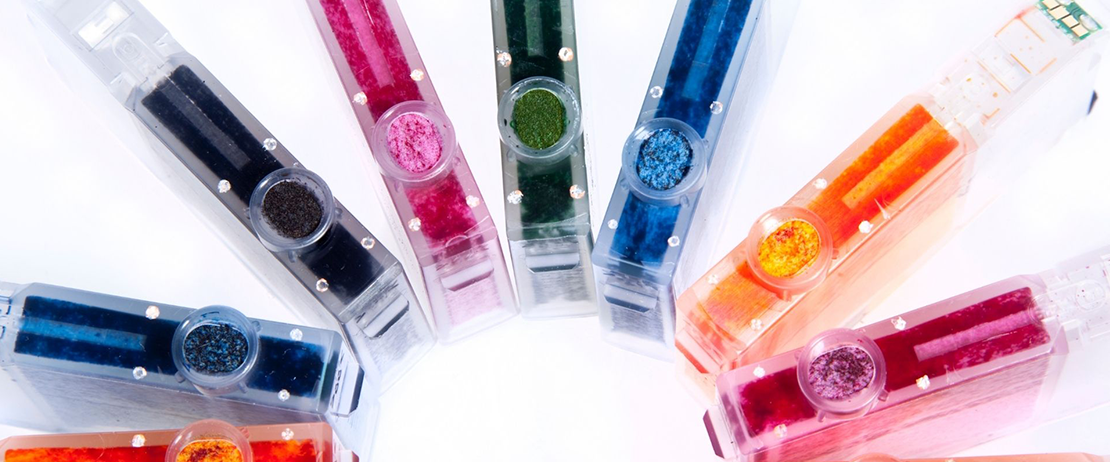
Faded prints and color mismatches are usually due to low ink levels or incompatible ink. Here’s how to fix these issues:
| Problem | Solution |
|---|---|
| Faded Prints | Check ink levels and replace low cartridges. Use high-quality paper for better results. |
| Color Mismatches | Ensure you are using the correct ink type for your printer. Perform a color calibration. |
Using the right ink and paper can make a significant difference in print quality. Always refer to your printer’s manual for the best results.
Credit: busys.ca
Frequently Asked Questions
Does Printer Ink Quality Affect Printouts?
Yes, printer ink quality impacts print clarity, color accuracy, and longevity. High-quality ink produces sharper images and text. Using inferior ink can lead to fading and smudging.
Can I Use Generic Ink In My Printer?
Yes, but it may void the warranty and affect performance. Generic ink can be less reliable and might cause printhead issues.
Is Brand-name Ink Better Than Third-party Ink?
Generally, yes. Brand-name ink is designed for specific printers and offers better quality. Third-party ink can vary in performance.
What Are The Risks Of Using Cheap Ink?
Using cheap ink can result in poor print quality, clogged printheads, and reduced printer lifespan. It may also void your printer’s warranty.
Conclusion
Choosing the right printer ink is crucial for quality prints and cost efficiency. High-quality ink prevents damage and ensures longevity. Always consider your printer’s compatibility to avoid issues. Investing in good ink saves money and stress in the long run.
Make informed choices for the best printing experience.