To get your business formation documents, file with the appropriate state agency. Ensure you provide all required information and fees.
Starting a business involves several crucial steps, and obtaining your formation documents is one of the most important. These documents, such as Articles of Incorporation or a Certificate of Formation, legally establish your business entity. Filing these documents correctly ensures that your business is recognized by the state, allowing you to operate legally and access essential services like business banking and insurance.
Each state has specific requirements and procedures, so it’s important to follow the guidelines meticulously. You can often file online through the state’s official website, making the process more convenient. Consulting with a legal professional or using a business formation service can also streamline the process.
The Foundation Of Business Formation
Starting a business is exciting. But, it also involves many steps. One of the first steps is getting your business formation documents. These documents are the foundation of your new venture.
Types Of Business Entities
Understanding the different types of business entities is essential. Each type has unique benefits and obligations.
| Entity Type | Key Features |
|---|---|
| Sole Proprietorship | Owned by one person. Simple to set up. Owner has full control. |
| Partnership | Owned by two or more people. Shared responsibilities and profits. |
| Limited Liability Company (LLC) | Mix of corporation and partnership. Owners have limited liability. |
| Corporation | Separate legal entity. Can be taxed and held liable. Owners have limited liability. |
Importance Of Formation Documents
Formation documents are crucial for your business. They provide legal structure and protection.
- Legal Recognition: These documents make your business a legal entity.
- Liability Protection: They protect your personal assets from business liabilities.
- Operational Guidelines: They outline how your business will be run.
Without these documents, your business might face legal issues. You might also miss out on important benefits.

Credit: globalfy.com
Initial Steps Before Filing
Starting your business requires careful planning. The first steps are crucial. Understand the basics before filing your formation documents. These steps will set a strong foundation for your business.
Choosing The Right Entity
Deciding on the type of business entity is essential. Each entity type has its benefits and drawbacks. Common options include:
- Sole Proprietorship: Simple to set up but offers no liability protection.
- Partnership: Suitable for businesses with two or more owners. Shared control and responsibilities.
- Limited Liability Company (LLC): Offers liability protection and flexibility. Popular among small business owners.
- Corporation: Best for larger businesses. Provides liability protection but involves more regulations.
Consider consulting with a legal or financial advisor. They can help determine the best entity for your needs.
Naming Your Business
Choosing a business name is a critical step. Your business name represents your brand. It should be unique and memorable.
Here are some tips for naming your business:
- Conduct a name search to ensure it is available.
- Check for trademark availability to avoid legal issues.
- Ensure the domain name is available for your website.
- Avoid names that are hard to spell or pronounce.
Once you have chosen a name, you may need to register it. This depends on your business structure and location.
Navigating Government Websites
Securing your business formation documents can be a complex process. Understanding how to navigate government websites is crucial. These sites hold the keys to your business’s legal establishment. Let’s break down the steps to make this journey easier.
Identifying Relevant Agencies
Different businesses require different documents. Identifying the right agency is the first step. Typically, you will deal with state-level agencies. These might include the Secretary of State or the Department of Revenue.
Here is a table to help you identify the common agencies and their roles:
| Agency | Role |
|---|---|
| Secretary of State | Handles business registrations and formations |
| Department of Revenue | Manages business tax registrations |
| Local County Clerk | Handles local business licenses and permits |
Online Vs. In-person Submissions
Once you know which agency to contact, decide how to submit your documents. Online submissions are quicker and more convenient. Most agencies now offer this option. You can fill out forms, upload documents, and make payments online.
On the other hand, some prefer in-person submissions. This can offer a sense of security. You can receive immediate assistance if there are issues. Here are the pros and cons of each method:
- Online Submissions:
- Faster processing times
- Convenient and accessible 24/7
- Instant confirmation and receipts
- In-Person Submissions:
- Personal interaction with staff
- Immediate help for any errors
- Suitable for those less tech-savvy

Credit: www.delawareinc.com
Filing Your Business Formation Documents
Starting your business requires filing formation documents. This step ensures your business is legally recognized. Let’s delve into the crucial aspects of this process.
Required Documents Checklist
Before filing, gather all necessary documents. Here’s a checklist to help you:
- Articles of Incorporation or Articles of Organization
- Operating Agreement (for LLCs)
- Corporate Bylaws (for corporations)
- EIN (Employer Identification Number)
- Business Licenses
- Registered Agent Information
Ensure all documents are complete and accurate. Errors can delay your filing process.
Understanding Fees And Timelines
Filing fees and timelines vary by state. Here’s a breakdown:
| State | Filing Fee | Processing Time |
|---|---|---|
| California | $100 | 15-20 business days |
| Texas | $300 | 5-7 business days |
| New York | $125 | 10-15 business days |
Expedited services are available in many states. They speed up the process but come at an extra cost. Check your state’s specific requirements to avoid any delays.
After Submission: What To Expect
After submitting your business formation documents, you might feel a mix of excitement and anxiety. Understanding what happens next can ease your mind. This section covers the process after submission, including receiving your documents and handling common issues.
Receiving Your Documents
Once you submit your documents, the state will review them. This process can take a few days to a few weeks. The duration depends on the state and the type of business. Once approved, you will receive your official documents.
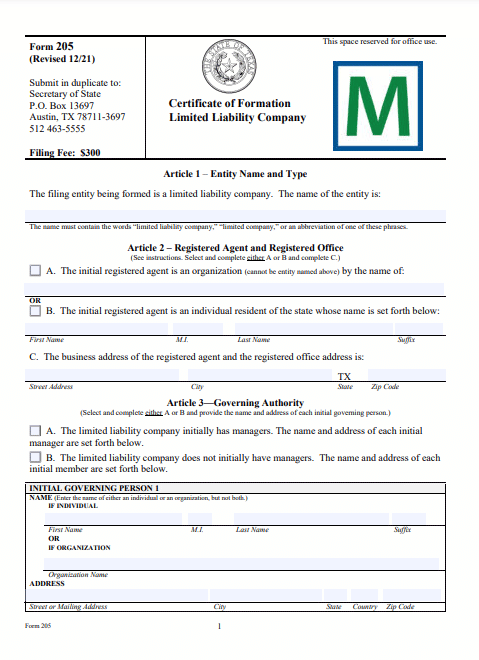
Official documents usually include a Certificate of Incorporation or Certificate of Formation. These documents are proof that your business is legally registered. You may receive these documents via mail or email. Some states offer online portals where you can download them.
Keep these documents safe. They are essential for opening bank accounts, applying for loans, and other business activities.
Common Issues And Resolutions
Sometimes, there are issues with the submitted documents. These issues can delay the approval process. Here are some common issues and how to resolve them:
- Incorrect Information: Double-check all the information before submission. Ensure names, addresses, and other details are accurate.
- Missing Signatures: Ensure all required signatures are present. Missing signatures can cause delays.
- Wrong Filing Fees: Pay the correct fee. Underpayment or overpayment can halt the process.
- Inaccurate Business Name: Make sure the business name complies with state regulations. Certain words may require additional approval.
If you encounter any issues, the state will notify you. Follow their instructions carefully to resolve the problems quickly.
By understanding what to expect after submission, you can ensure a smoother process. Keep an eye on your email and mailbox for your important documents.
Credit: www.moneyaisle.com
Using Your Formation Documents
Congratulations on forming your business! Now, it’s time to put your formation documents to good use. These documents are crucial for establishing your business operations and making your business official. Below, we will explore two key ways to utilize your formation documents: opening a business bank account and applying for business licenses.
Opening A Business Bank Account
One of the first steps after forming your business is to open a business bank account. This helps you keep your personal and business finances separate. Most banks will require the following documents:
- Articles of Incorporation or Certificate of Formation
- Employer Identification Number (EIN)
- Operating Agreement (for LLCs)
- Partnership Agreement (for partnerships)
Having a business bank account provides several benefits:
- It simplifies tax filing.
- It enhances your business’s credibility.
- It helps you track your business expenses.
- It provides access to business credit and loans.
Applying For Business Licenses
After opening a bank account, the next step is to apply for business licenses. These licenses allow you to legally operate in your city, state, or industry. You’ll need the following documents:
- Formation Documents (Articles of Incorporation or Certificate of Formation)
- EIN
- Proof of Address (like a lease agreement or utility bill)
Different businesses require different licenses. Here are some common ones:
| Type of Business | Required License |
|---|---|
| Retail Store | Sales Tax Permit |
| Restaurant | Health Department Permit |
| Construction | Contractor’s License |
Applying for the right licenses ensures you comply with local and state laws. This can help you avoid fines and legal issues.
Maintaining Compliance
Once you’ve formed your business, staying compliant with laws and regulations is crucial. Maintaining compliance ensures your business remains in good standing and avoids penalties. This section covers the essentials of staying compliant, focusing on annual reporting and renewing licenses and permits.
Annual Reporting
Annual reports are a key requirement for many businesses. These reports keep your business information current and transparent. States often require these reports to be filed each year.
- Update business information such as address and contact details.
- Provide details about your business activities.
- List current directors and officers.
Missing the deadline can lead to penalties. Staying on top of these reports helps avoid unnecessary fines. Mark your calendar with the due date to ensure timely filing.
Renewing Licenses And Permits
Licenses and permits are vital for legal business operations. They need to be renewed regularly to maintain compliance.
- Identify which licenses and permits your business requires.
- Check their expiration dates and set reminders.
- Submit renewal applications before deadlines.
Different industries have different requirements. Ensure you know the specifics for your industry to avoid disruptions. Keeping your licenses and permits up-to-date demonstrates your commitment to legal and ethical business practices.
Resources And Help
Starting a business requires various documents. Getting these documents can be challenging. Resources and help are available to make this process easier. This section will guide you through consulting a legal professional and leveraging online resources.
Consulting A Legal Professional
Legal professionals are experienced in business formation. They can offer personalized advice and ensure that your documents are accurate and complete.
Here are the benefits of consulting a legal professional:
- Expert Knowledge: They understand the legal requirements.
- Personalized Service: They tailor their advice to your specific needs.
- Time-Saving: They handle complex paperwork for you.
- Error Reduction: They ensure that all documents are correct.
Consulting a legal professional can be a wise investment. It helps you avoid mistakes and legal issues.
Leveraging Online Resources
Online resources offer convenient and cost-effective solutions for getting business formation documents. Many websites provide templates, guides, and filing services.
| Resource | Benefits |
|---|---|
| Government Websites | Official and up-to-date information. |
| Legal Service Websites | Professional templates and filing services. |
| Business Forums and Blogs | Community advice and shared experiences. |
Online resources are accessible and user-friendly. They provide step-by-step guides to help you through the process.
Using online resources can save you time and money. They are a valuable tool for new business owners.
Frequently Asked Questions
What Is A Business Formation Documentation?
Business formation documentation includes legal papers required to establish a business entity. These documents may include articles of incorporation, operating agreements, and bylaws. Proper documentation ensures legal recognition and compliance.
What Is A Certificate Of Formation In Texas?
A Certificate of Formation in Texas is a legal document. It establishes a business entity, like an LLC or corporation. This document includes essential details such as the business name, address, and registered agent. Filing it with the Texas Secretary of State is required for legal recognition.
What Is A Certified Copy Of A Business Document?
A certified copy of a business document is a true, verified copy of the original, authenticated by a notary or official authority.
What Are The Two Basic Documents That Govern A Corporation?
The two basic documents that govern a corporation are the Articles of Incorporation and the Bylaws. The Articles establish the corporation’s existence, while the Bylaws outline its internal rules and management structure. These documents ensure legal compliance and organizational clarity.
Conclusion
Obtaining your business formation documents is a crucial step. It ensures legal compliance and smooth operations. Follow the outlined steps carefully, and consult professionals if needed. With the right approach, you’ll secure your documents efficiently. Start your business journey with confidence and clarity.