
Imagine visiting a website and instantly feeling at home. That’s the power of a well-crafted homepage and content landing page.
These pages are your digital front door, welcoming visitors and guiding them to where they need to be. If you’ve ever wondered how to create these essential elements, you’re in the right place. You want your website to make a great first impression, don’t you?
The homepage is where you grab attention and spark curiosity. It’s the place where visitors decide whether to stay or go. Likewise, a content landing page is where you convert interest into action, whether it’s signing up for a newsletter, downloading a resource, or making a purchase. Creating these pages might seem daunting, but it doesn’t have to be. By focusing on clarity, design, and persuasive elements, you can craft pages that not only look great but also perform brilliantly. You’ll learn how to blend creativity with strategy, ensuring every visitor finds exactly what they’re looking for. Stick around, and discover how to transform your website into a user-friendly hub that keeps your audience engaged and coming back for more.
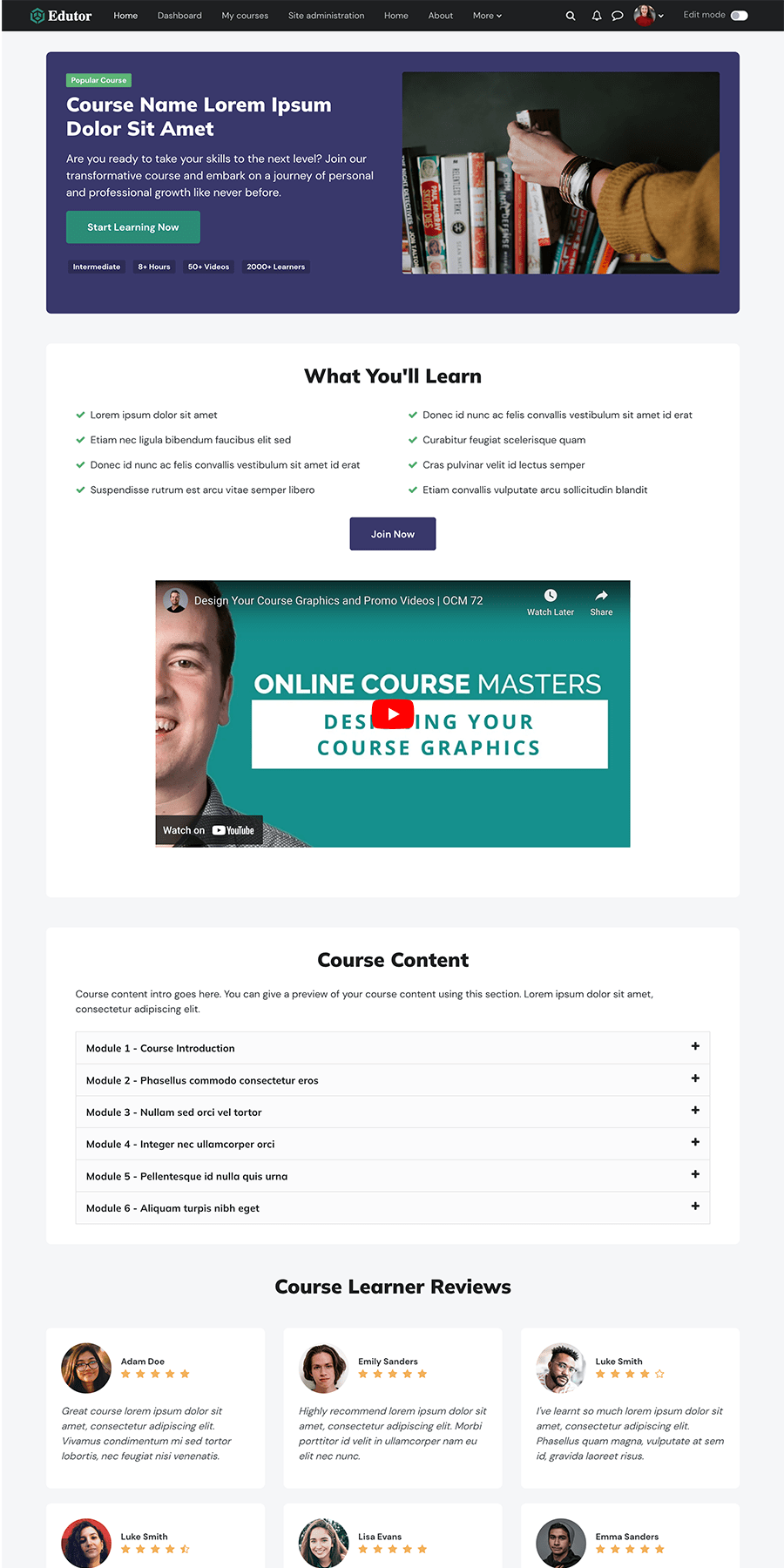
Credit: elearning.3rdwavemedia.com
Homepage Vs. Landing Page
A homepage is the main page of a website. It welcomes users and guides them. It shows the site’s purpose and links to other pages. A landing page is different. It focuses on one goal. That goal could be selling a product or getting a signup. Landing pages have less content than homepages.
Homepages have many links. They show visitors many choices. This can be helpful but also confusing. Landing pages have fewer links. They keep visitors focused. This helps achieve their goal. Both pages are important for a website’s success. Homepages build brand awareness. Landing pages drive specific actions.
Key Elements Of A Homepage
A clear logo is crucial. It shows who you are. Logos should be memorable. Use colors that match your brand. Keep it simple. People should recognize it easily.
A good navigation menu helps users find content. Keep it organized. Use clear titles. Limit the number of items. Users should not feel lost. Make it easy to explore.
The hero section is the first thing people see. Use a strong image. Add a short message. Tell visitors why they are here. Keep it attractive. It should grab attention quickly.
A strong call to action encourages users to act. Use simple words. Be direct. Tell them what to do next. Make buttons big and colorful. They should be easy to find.
Show social proof to build trust. Use testimonials from happy users. Share numbers of users or followers. Display awards or recognitions. People like to see others trust you.
Designing A Content Landing Page
A good landing page needs a clear goal. Know what you want visitors to do. This could be signing up or buying something. Keep this goal simple and direct.
Understanding who will visit your page is key. Think about what they want. Tailor your message to meet their needs. This makes your page more effective.
A strong headline grabs attention. It should be clear and catchy. It tells visitors what they will get from your page. Make it stand out.
Images and videos make your page lively. They should relate to your content. Ensure they are high quality. Good visuals keep visitors interested.
Words matter a lot. Use simple and direct language. Explain benefits clearly. Encourage visitors to take action. Make your words persuasive but honest.
Best Practices For User Experience
Mobile responsiveness is key for a good website. A site should look nice on phones and computers. Big buttons help users click easily. Text should fit the screen. Images must load well. Users get frustrated if a site is not mobile-friendly.
Fast load times keep visitors happy. Slow sites make people leave. Compress images to speed up loading. Use less code. Users enjoy quick access to info. A speedy site helps keep them coming back.
Accessibility considerations ensure everyone can use the site. Add text for images. Make sure colors are easy to see. Large text helps those with vision problems. A site should be easy for all to navigate. This makes it welcoming for everyone.
Seo Strategies For Pages
Keywords are the words people use to search online. They help your page show up in search results. Find words that match your page topic. Use them in your page content. Tools like Google Keyword Planner can help you. Look for words with high search numbers but low competition. This makes it easier for your page to rank well. Remember to use these words naturally. Don’t overstuff them. It can make your content hard to read.
Meta tags tell search engines about your page. They are not seen on the page. The meta description gives a short summary of your page. It should be around 150 characters. Use important keywords here too. Make it clear and interesting. This helps people click on your page from search results. A good meta description can increase your page visits. Keep it simple and direct.
Internal links connect to other pages on your site. They help users find more info. They also help search engines understand your site. External links point to other websites. They show you have done good research. Use links to reliable sources. This builds trust with your readers. Remember not to use too many links. Too many can confuse your readers.

Credit: landingi.com
Analyzing And Improving Performance
Crafting a homepage and content landing page enhances user experience and boosts performance. Clear navigation and engaging visuals keep visitors interested. Optimize loading speed and mobile responsiveness for better accessibility and improved search engine rankings.
A/b Testing
A/B testing helps you find what works best. Create two versions of your page. Show each version to different users. Measure which version gets more clicks. Compare the results to decide the better one. This method gives clear insights. It helps make your page more effective. Always test one change at a time. This makes results easier to understand.
Visitor Analytics
Visitor analytics tells you who visits your page. It shows where they come from. It tracks what they do on your site. Use tools like Google Analytics for this. Look at the bounce rate and average time spent. Find out which pages are most popular. This data helps improve user experience. It also helps target the right audience.
Feedback And Iteration
User feedback is very important. It shows what users like or dislike. Ask users for their thoughts. Use surveys or comment sections. Analyze this feedback for common issues. Make changes based on user suggestions. Keep improving your page regularly. Iteration means making small changes. These changes can lead to better results.

Credit: support.getstreamline.com
Frequently Asked Questions
How To Create A Landing Page Content?
Craft compelling headlines and subheadings. Use clear, concise language. Highlight benefits and call-to-action. Include engaging visuals. Ensure mobile-friendly design and fast loading speed.
Can A Landing Page Be A Homepage?
Yes, a landing page can be a homepage. Both serve different purposes but can overlap. A homepage is often broader, while a landing page targets specific campaigns or audiences. Combining them can streamline user experience and enhance conversion rates. Optimize for SEO and user engagement for best results.
What Is The Best Platform To Create A Landing Page?
The best platforms for creating landing pages are Leadpages, Unbounce, and Instapage. They offer user-friendly interfaces, customizable templates, and integration options. These platforms are ideal for businesses seeking effective lead generation and conversion optimization. Choose based on your specific needs and budget.
What Is The Difference Between A Website And A Landing Page?
A website is a collection of related pages offering various information. A landing page is a single page focused on specific marketing goals, usually designed to convert visitors. Websites provide broader content while landing pages target specific actions like signing up or purchasing.
Both serve distinct purposes in digital marketing.
Conclusion
Creating a homepage and content landing page is crucial. These pages shape first impressions. Keep the design simple and clear. Engage visitors with concise, relevant information. Navigation should be intuitive. Use high-quality images to enhance appeal. Craft compelling headlines to draw attention.
Ensure mobile-friendliness for wider reach. Regularly update content to keep it fresh. Monitor analytics for performance insights. Make necessary adjustments based on feedback. This approach will help build strong connections. Your website will become a trusted resource. Remember, clarity and relevance are key.
Focus on user experience to achieve success.


