Are you looking to boost your blog’s visibility and engagement? Crafting a compelling landing page might just be your secret weapon.
A well-designed landing page can captivate your audience, turning casual visitors into loyal readers. Imagine your blog as a warm, inviting café, and the landing page as the cozy corner that draws people in. It’s where your readers first interact with your content, so making a strong first impression is crucial.
You might be wondering how to create a landing page that not only attracts but also retains your audience’s attention. This guide will walk you through each step, making the process simple and effective. By the end of this article, you’ll have the tools and strategies you need to create a landing page that stands out and drives results. Ready to transform your blog’s online presence? Let’s dive in!
Planning Your Landing Page
Decide what you want from your landing page. Collect emails or sell products? Pick one goal. A clear goal helps focus efforts. Each choice leads the visitor to a specific action. Choose wisely for best results.
Understand who visits your page. Young kids or adults? Each group has different needs. Tailor your page to their preferences. Use language they understand. Engage them with content they like. This builds trust.
Write a message that is easy to understand. Simple words work best. Short sentences make it clear. Tell them what you offer. Explain why they need it. Keep the message focused. This keeps attention on your goal.
Credit: www.blogtyrant.com
Design Principles
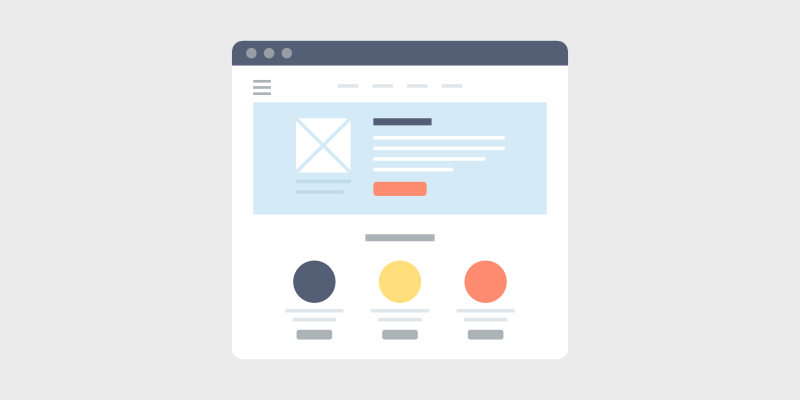
A clean layout helps readers focus. It makes content easy to read. Use simple fonts and colors. Avoid clutter. Too many elements can confuse visitors. White space is your friend. It gives breathing room. Organize information clearly.
Visuals attract attention. They make the page interesting. Use high-quality images. Bright colors can catch the eye. But use them wisely. Too many colors can be distracting. Use icons to highlight points. Images should support the text.
Many people use phones to browse. Make your page mobile-friendly. Text should be readable on small screens. Buttons need to be easy to tap. Responsive design adjusts to any device. This helps users have a good experience.
Content Strategy
Headlines must grab attention. Use strong words. Keep them short and clear. Readers decide fast. A good headline makes them stay. Use numbers when possible. Numbers make headlines more interesting.
Body text should be easy to read. Use simple words. Write short sentences. Avoid long paragraphs. Break ideas into chunks. This helps readers understand. Keep the message direct. Clarity is key.
Calls to action guide readers. Use action verbs. Be clear about what to do. Buttons should stand out. Keep instructions simple. Tell them why they should act. Make it urgent if needed.

Credit: bloggle.app
Seo Optimization
Choose keywords that match your content. Use tools to find popular terms. Place these keywords in titles and headings. This helps search engines find your page.
Write clear meta tags for your page. Include your chosen keywords. This tells search engines what your page is about. Keep descriptions short and precise.
Fast pages keep users happy. Compress images to reduce size. Use fewer plugins and scripts. Check speed with online tools. Make sure your page loads quickly.
Testing And Analytics
A/B testing helps find the best version of your page. Create two versions. Show each version to different users. Compare which one works better. Use tools like Google Optimize. They make testing easy. Look for changes in clicks and sign-ups. This helps pick the winner. Choose the version that works best.
Watch how users interact on your page. Use tools like Google Analytics. See what users click. Know how long they stay. Find the parts they ignore. This helps improve your page. Make changes based on user actions. This keeps users happy.
Conversion rates show how many visitors become customers. Check these rates often. Find out why users leave. Use the data to make changes. Improve parts where users drop off. Aim for higher conversion. It helps grow your blog’s success.
Tools And Resources
Creating a landing page is easy with landing page builders. Builders like Wix and Squarespace offer drag-and-drop features. No coding skills needed. Customization options make pages unique. Choose templates that fit your style. Some builders provide analytics to track visits. Many builders have free trials. Try before you buy.
Analytics tools help understand your audience. Tools like Google Analytics show visitor patterns. Learn what works and what doesn’t. Track clicks and page views. See how long users stay on your page. Use insights to improve your landing page. Free tools are available for beginners.
Find ideas with design inspiration platforms. Websites like Behance showcase creative designs. See what others are doing. Get inspired by colors, layouts, and fonts. Platforms help in making your page attractive. Save designs you like for later use. Discover new design trends easily.
Common Mistakes To Avoid
Too much text can confuse visitors. A landing page should be clear and focused. Use simple words. Keep sentences short. Visitors want quick answers. Highlight key points. Make important ideas stand out. Use bullet points if needed. Help readers find what they need.
Many use phones to browse. A landing page must work on mobile. Test on different devices. Adjust layout for small screens. Text should be readable. Buttons must be easy to tap. Images should load fast. Mobile users need a good experience.
Feedback helps improve pages. Listen to what users say. Ask for opinions. Change things based on feedback. Fix problems quickly. Happy users come back. They trust sites that listen. Better pages come from listening.

Credit: www.youtube.com
Frequently Asked Questions
How To Make A Landing Page On Blogger?
Create a landing page on Blogger by designing a new post. Customize the layout and use static HTML. Optimize with relevant keywords and clear call-to-action. Use Blogger’s theme editor for styling adjustments. Promote your page through internal links and social media sharing to increase visibility and engagement.
How Do I Create My Own Landing Page?
Use a website builder like Wix or Squarespace to create your landing page. Choose a template, customize content, and optimize for SEO. Ensure mobile responsiveness and include clear calls-to-action. Publish your page and monitor its performance using analytics tools.
What Is A Blog Landing Page?
A blog landing page is a dedicated webpage designed to capture visitor interest. It promotes specific content or encourages action, like subscribing or downloading. This page optimizes user engagement and enhances conversion rates by focusing on a single goal.
How To Create A Home Page In Blogger?
To create a home page in Blogger, sign in and select your blog. Choose “Pages” from the menu, click “New Page,” and design your page. Name it “Home,” then save and publish. Set it as the homepage under “Settings” by selecting “Homepage” and choosing your newly created page.
Conclusion
Creating a landing page for your blog is simple and effective. It enhances your blog’s engagement and conversion rates. Focus on clear design and concise messaging. Use compelling headlines to grab attention. Ensure your call-to-action is visible and straightforward. Images should support your text, not overpower it.
Keep navigation easy to follow. Mobile-friendly design is crucial. Test your page regularly to improve its performance. With these tips, your landing page can effectively serve your blogging goals. Enjoy the process and watch your blog thrive.