
Picture this: you’ve got a fantastic product or service, but your sales aren’t where you want them to be. Ever wondered why?
The answer might lie in your landing page. A well-designed landing page can be the difference between a visitor and a customer. It’s the gateway to capturing interest, building trust, and driving conversions. But here’s the kicker—creating a landing page that truly converts isn’t just about throwing together some catchy phrases and eye-catching visuals.
It requires understanding the psychology of your audience and knowing what makes them tick. Imagine knowing exactly what your visitors need to see, feel, and experience to click that ‘buy now’ button or sign up for your newsletter. We’ll dive deep into the secrets of designing a high converting landing page. You’ll discover how to craft compelling headlines, use persuasive imagery, and optimize your call-to-action to turn curious visitors into loyal customers. Ready to unlock the potential of your landing page and boost your conversions? Let’s get started!
Essential Elements
A headline must grab attention. It needs to be clear and strong. Use simple words that explain your offer. Keep it short. Make it interesting and easy to understand.
Your call to action must be easy to see. Use bright colors. Make it stand out. Tell visitors what to do next. Use simple words. Click here or buy now works well. This button should be easy to find.
Trust signals are important. Include customer reviews. Show certifications or awards. Use logos of known brands you work with. Trust signals make people feel safe. They make visitors believe in your offer.
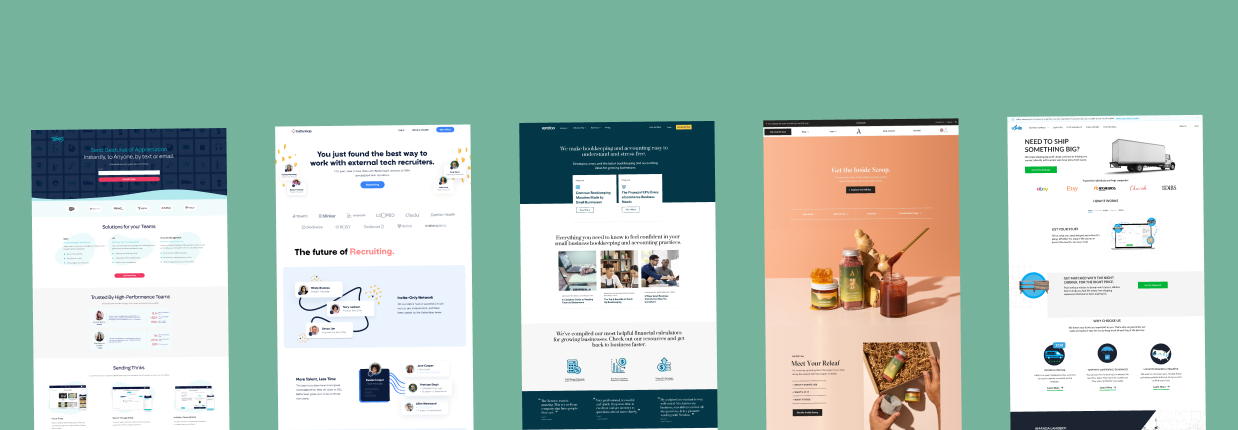
Credit: tuffgrowth.com
Visual Appeal
Colors can make people feel different things. Blue is calming. Red is exciting. Use colors that fit your brand. Make sure text color and background color work well together. This helps people read easily. Choose colors that guide users to important parts of the page.
Pictures tell stories fast. Use clear and real images. People like to see what they get. Keep images simple. Avoid too many details. Choose images that fit your message. They should match your product or service.
Websites must work on all devices. Phones, tablets, and computers. Layouts should change size. This helps users read easily on any screen. Buttons and links must be easy to click. No matter the device size.
Content Strategy
A strong value proposition tells why your offer is special. It should be clear and simple. Highlight benefits and make them easy to understand. Use short sentences to explain why your product is needed.
Use customer testimonials to build trust. Real stories from buyers help others believe in your product. Choose quotes that show positive experiences. Make sure they are easy to read and genuine.
Write benefit-oriented copy to show how the product helps. Focus on what the user gains. Use words that are easy to understand. Keep sentences short and direct. Highlight the main advantages clearly.

Credit: unbounce.com
User Experience
Simple menus make users happy. Easy-to-find links help users stay. Use clear words on buttons. This helps users know where to click. Fewer clicks make users trust your page. Keep it neat and tidy. Users like clean pages.
Fast pages keep users around. Slow pages make users leave. Compress images to save time. Big files slow things down. Use fewer big images. Speed makes users smile. Happy users stay longer on your page.
Phones are popular for browsing. Make pages work on all screens. Use responsive design for easy viewing. Large text helps users read better. Buttons should be big enough to click. Keep everything neat. Users should not zoom in to see.
Testing And Optimization
A/B testing helps find what works best. Show different versions to visitors. This helps find the better version. Use one change at a time. This helps know which change is good. Small changes make a big difference. Try different headlines, buttons, or images.
Use tools to see visitor actions. Google Analytics is a popular choice. It shows where visitors click. Know how long they stay. Find out which parts interest them. This data helps improve the page. Make decisions based on facts. Not just guesses.
Keep making the page better. Look at data often. Find new ways to improve. Even small tweaks help. Test, measure, and learn. Make changes based on findings. Always aim for a better page. Happy visitors become customers.
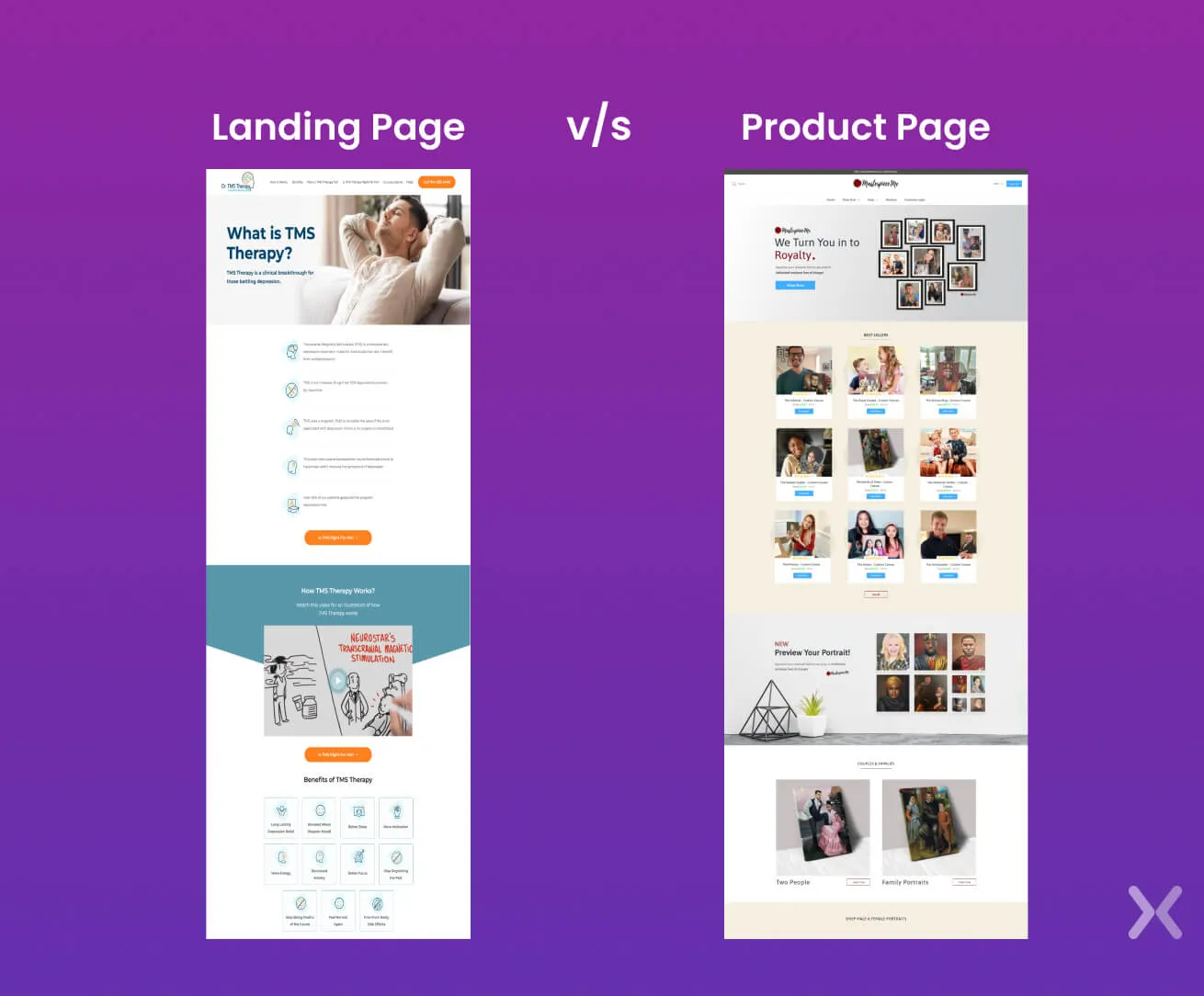
Credit: www.apexure.com
Frequently Asked Questions
How To Structure A High-converting Landing Page?
Create a compelling headline and engaging subheadline. Use clear, concise content. Highlight benefits and features. Add strong calls-to-action. Include trust signals like testimonials and guarantees. Optimize for mobile and fast loading. Ensure easy navigation and visually appealing design. Test and analyze for improvements regularly.
How To Optimize A Landing Page For Conversions?
Optimize landing pages by creating clear headlines, using compelling calls-to-action, and ensuring fast load times. Include relevant visuals, keep forms short, and prioritize mobile responsiveness. Test different elements, analyze user behavior, and refine based on data. Ensure content aligns with user intent and enhances user experience for higher conversions.
How Do I Make A High-converting Product Page?
Optimize product descriptions with clear benefits. Use high-quality images and videos. Highlight customer reviews and ratings. Ensure easy navigation and quick load times. Include clear call-to-action buttons.
What Is A Good Conversion Rate For A Landing Page?
A good landing page conversion rate is typically between 2% and 5%. High-performing pages can achieve rates above 10%. Optimization strategies like A/B testing and clear calls-to-action can help improve conversion rates. Regularly analyze user behavior and adjust elements to match audience preferences for better results.
Conclusion
Creating a high converting landing page requires attention to detail. Focus on clear, simple design. Use concise, powerful headlines. Ensure your call-to-action stands out. Keep the layout clean and organized. Optimize for mobile users. Test different elements to find what works best.
Remember, understanding your audience is key. Address their needs and concerns directly. Trust is essential, so include testimonials and reviews. Make navigation easy. Speed matters, so keep loading times short. With these tips, your landing page can effectively engage visitors.
Convert them into loyal customers. Your efforts will lead to improved results and success.


