
Are you ready to transform your landing page into a lead-generating powerhouse? Imagine turning visitors into enthusiastic applicants with just a few clicks.
Creating an application within a landing page isn’t just a trend; it’s a game-changer for boosting engagement and conversions. Whether you’re looking to simplify the application process for a job, a course, or a special offer, this guide will show you how to craft a seamless experience that captivates your audience.
By the end of this article, you’ll have the tools and insights to create a landing page that not only attracts visitors but also compels them to take action. Let’s dive in and unlock the potential of your landing page today!
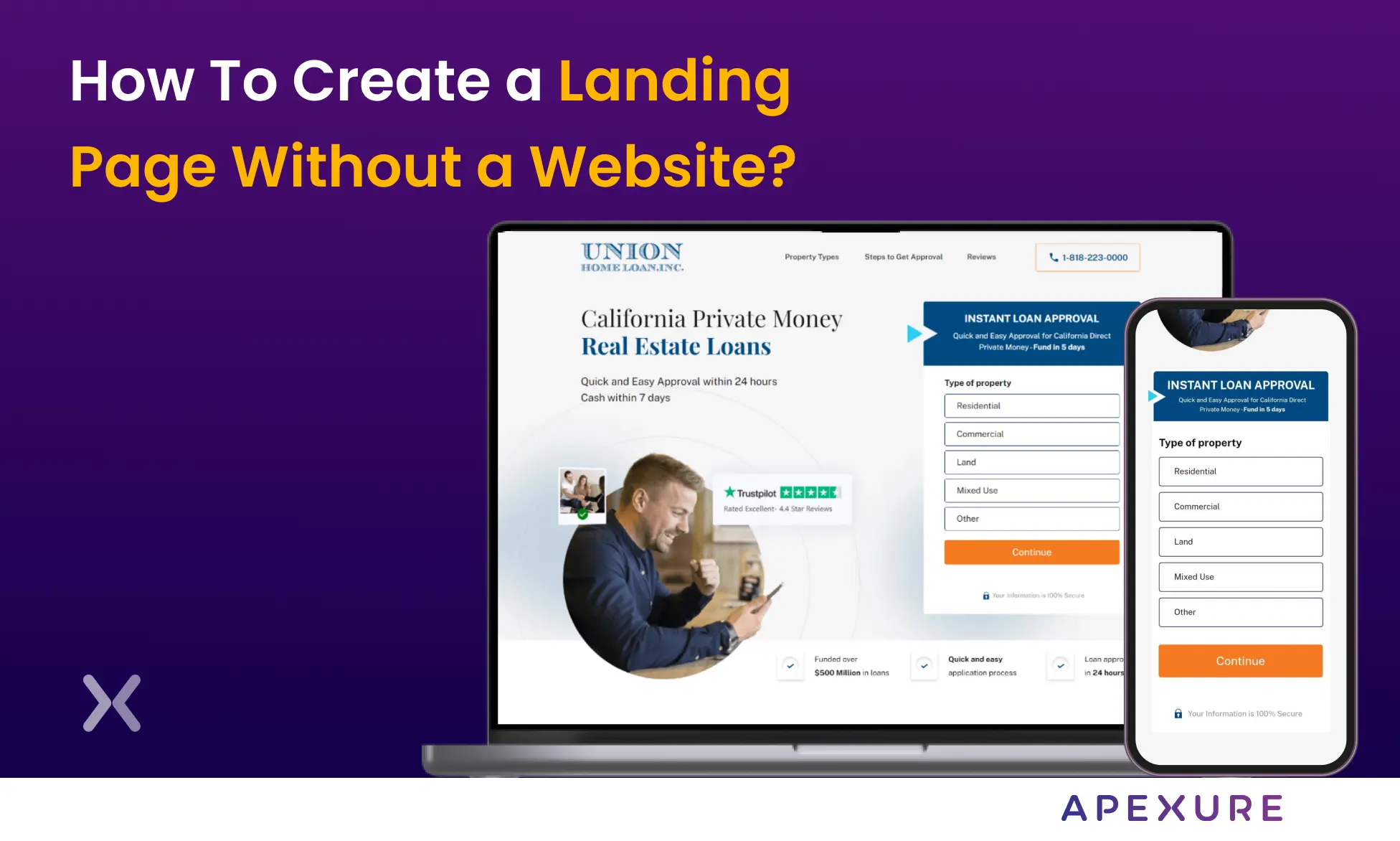
Credit: www.apexure.com
Planning The Application
Start with the purpose of your application. What do you want to achieve? Set clear goals. Your goals guide every step. Make them simple. Make them easy to understand. This helps you stay focused. It helps you succeed.
Know who will use your application. Are they kids, teens, or adults? Think about their needs. What problems do they face? Knowing your audience helps you design better. It helps you meet their needs.
Look at what others are doing. Check similar applications. Find their strengths and weaknesses. This helps you make your app better. It helps you stand out. Be different. Be special. Offer something new.
Designing The User Interface
A good layout helps users find things easily. Start by deciding where each part will go. Keep it simple. Users should not feel lost. Use grids to guide your layout. This helps in keeping everything neat and tidy. Always remember, a clean layout makes users happy.
Colors make your app look nice. Pick colors that match your brand. Use no more than three colors. Too many colors can be confusing. Make sure your text is easy to read. Use dark text on light backgrounds. This helps people see words clearly.
Wireframes are like a blueprint for your app. Draw simple lines and boxes to show where things will go. You do not need details yet. Focus on the main parts first. This makes changes easier later. Wireframes help you plan before building.
Developing The Application
Picking the best technology is crucial. It affects your app’s speed and look. JavaScript is popular for web apps. Python is great for data tasks. PHP helps with server tasks. Each tool has strengths. Choose wisely based on your app needs.
Set up tools for coding. IDE helps write and debug code. Git stores code safely. Node.js runs JavaScript outside the browser. Docker creates environments quickly. These tools make coding easier. Install them to start coding smoothly.
Start with basic features. Login lets users access the app. Search helps find items. Forms collect user info. Buttons perform actions. Build these features first. They are crucial for user interaction.
Integrating With Landing Page
Adding your application to a landing page can be simple. Use HTML to embed components. Widgets and forms work well here. They make your page interactive. Users can engage without leaving the page. This boosts user experience and keeps their attention.
Responsive design is vital for any application. Your page must look good on all screens. Use CSS to adapt the layout. Test on phones, tablets, and desktops. Users will appreciate a smooth experience. Happy users are more likely to stay longer.
Fast loading pages keep users happy. Optimize images and code for speed. Compress files to make them smaller. Use lazy loading for images. This helps the page load quickly. A quick page keeps users engaged. Slow pages may lead users to leave.
Testing And Debugging
Usability tests help find problems in the application. Users try the app and give feedback. Watch how they use it. See what confuses them. Make a list of all issues. These issues need fixing. Keep tests simple. Invite real users to test.
Bugs make the app not work right. They can be small or big. First, find the bugs. Use tools to help find them. Next, fix each bug. Test after fixing. Ensure the app works well. Double-check your work. Ask others to help test.
After fixing, look for ways to improve. Make small changes first. Test changes with users. Get feedback on changes. Repeat the process. Improvement takes time. Each change makes the app better. Always aim for a smooth user experience.
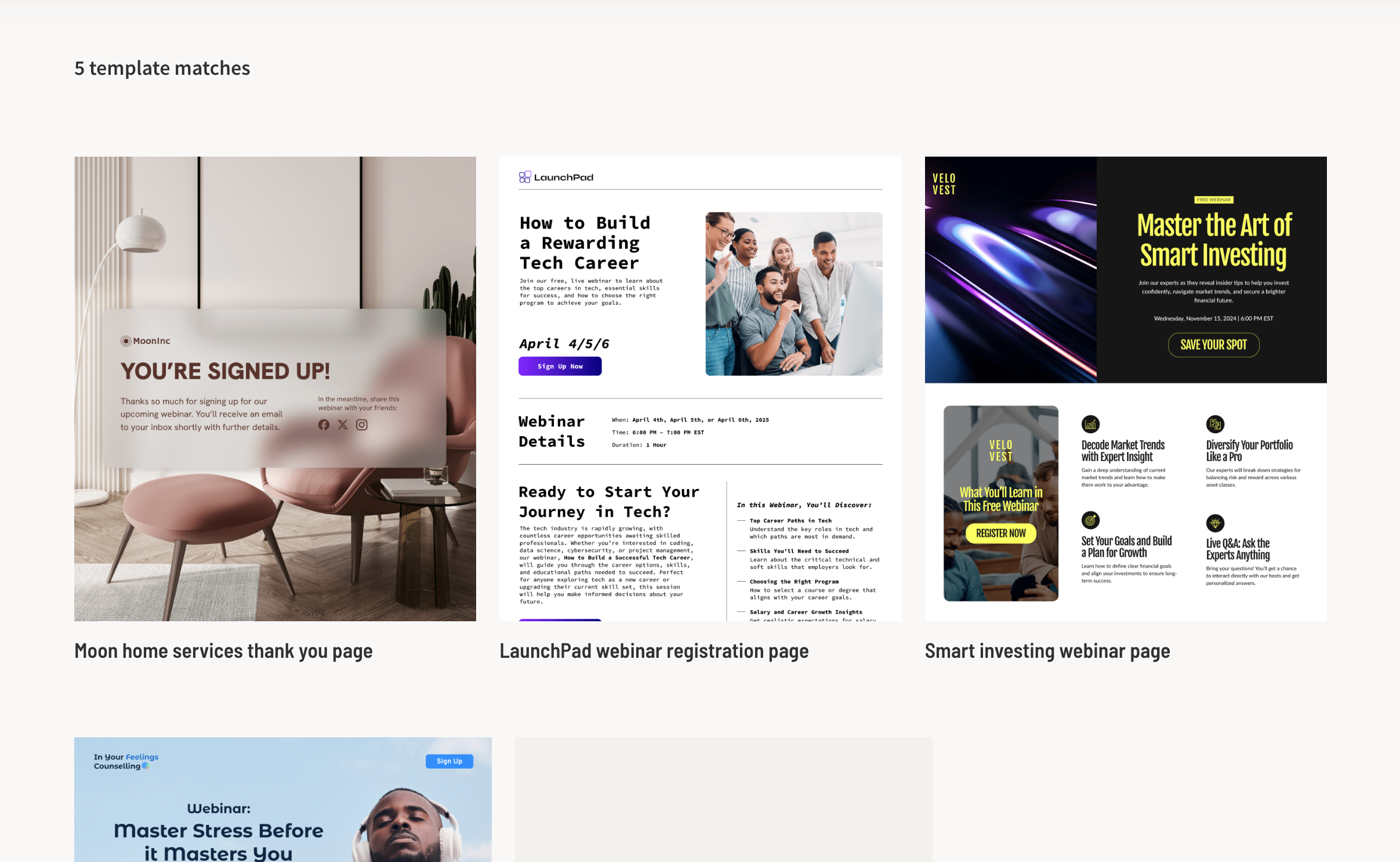
Credit: unbounce.com
Launching The Application
Creating an application involves designing a user-friendly landing page. This page should clearly showcase app features. Easy navigation and engaging content can attract users and encourage downloads.
Deploying To Servers
Deploying your application means putting it on the server. Servers are like big computers that store data. Ensure your application files are correctly arranged. Use tools like FTP or SSH to upload files. Check if the server settings match your application needs. This helps in smooth operations. Keep a backup of your application files. This helps in case something goes wrong.
Monitoring Performance
Monitoring how well your application works is crucial. Use tools like Google Analytics or New Relic. These tools show how fast the application is. Also, check the server load. Server load tells how busy your server is. Keep an eye on error messages. Error messages help fix problems quickly. Regular checks ensure your application runs smoothly.
Gathering User Feedback
User feedback helps improve your application. Create a simple feedback form. Ask users to share their thoughts. Listen to what users say about your application. This helps in making changes. Use feedback to make the application better. A better application means happy users. Happy users often tell others about your application.
Marketing And Promotion
Crafting an application in a landing page involves strategic design and user-friendly features. Focus on clear call-to-action elements to guide visitors. Ensure seamless integration of application processes to enhance user experience and conversion rates.
Crafting Compelling Copy
Words matter. They can make people interested. Choose simple words that everyone gets. Short sentences keep eyes moving. Use action words. They make people want to click. Use friendly words that speak to hearts. Make it sound like a chat.
Utilizing Seo Strategies
SEO helps people find your page. Use keywords that fit your app. Title tags should be clear. Meta descriptions give a quick page idea. Images should have alt text. This helps search engines. Links to good sites are helpful. Update content often. This keeps it fresh.
Leveraging Social Media
Social media connects people. Share your app story there. Use images and videos. They grab attention fast. Ask questions to start chats. Reply to comments quickly. This builds trust. Share tips about your app. This shows value. Join groups where your users are. Be part of the talk.

Credit: www.getresponse.com
Frequently Asked Questions
How To Create An App Landing Page?
Start by defining your app’s target audience and unique features. Use a clean, responsive design. Highlight key benefits, include engaging visuals, and add clear calls-to-action. Optimize for SEO with relevant keywords, fast loading speed, and mobile-friendliness. Include testimonials and a contact form for user engagement.
How Do I Add A Form To My Landing Page?
To add a form to your landing page, use your website builder’s form widget. Customize fields and design. Integrate with email marketing tools for seamless data collection. Ensure mobile responsiveness for accessibility. Test the form functionality before publishing.
Which Software Is Best For Landing Pages?
Unbounce, Leadpages, and Instapage are popular choices for creating effective landing pages. They offer user-friendly interfaces, customizable templates, and advanced analytics. These tools help optimize conversions and enhance user experience. Choose based on your specific needs and budget to maximize your marketing efforts.
What Is The Difference Between A Website And A Landing Page?
A website consists of multiple pages for various purposes, offering comprehensive information. A landing page focuses on a single goal, designed to capture leads or drive specific actions. Websites provide broader navigation, while landing pages aim for conversion through concise and targeted content.
Conclusion
Creating an application on a landing page can be simple. Follow the steps outlined in this guide. First, plan your design and user experience. Next, choose the right tools and platforms. Test thoroughly to ensure everything works smoothly. Make sure your page is mobile-friendly.
This attracts more users. With practice, your skills will improve. You’ll create effective applications in no time. Remember, a clear and engaging landing page is key. Keep learning and adapting. Soon, you’ll master this process effortlessly. Happy building!


