
Imagine this: a visitor clicks on your ad, intrigued and ready to explore what you offer. But when they land on your page, confusion strikes, interest wanes, and in a matter of seconds, they’re gone.
All your marketing efforts—down the drain. This is where the magic of a successful landing page comes into play. Creating an effective landing page isn’t just about aesthetics; it’s about crafting a seamless experience that captures attention and drives action.
You want your visitors to feel understood, engaged, and compelled to take the next step. In this guide, you’ll discover the key elements that transform an ordinary page into a conversion powerhouse. Whether you aim to boost sales, generate leads, or grow your email list, you’ll find actionable tips tailored just for you. Ready to turn those clicks into loyal customers? Let’s dive in and uncover the secrets to landing page success.
Key Elements Of A Landing Page
A good headline grabs attention. It should be clear and bold. This helps visitors know what you offer. Use simple words. Make it easy to understand. Keep it short. A headline is like a promise to your reader.
Pictures speak louder than words. Use bright and clear images. They should match your message. A video can also work well. It keeps visitors interested. Visuals make your page more lively and fun.
Words on the page must be strong. They need to convince the reader. Use short sentences. Explain benefits clearly. Why should someone care? Answer this in your text. Make every word count.
Tell visitors what to do next. Use action words like “buy now” or “learn more”. Make it clear and simple. A button can help. Make it stand out. It guides visitors to take action.
Design Principles
A simple layout is best for landing pages. It keeps the page clean. Visitors can find information easily. This helps them focus on the main message. Too many elements can be confusing. Stick to the essentials only.
Responsive design means the page looks good on all devices. Phones, tablets, and computers. A responsive page adapts to different screen sizes. This ensures a good user experience. More people visit from phones today. Make sure the design works everywhere.
Branding should be the same across all pages. Use the same colors and fonts. This builds trust with visitors. They recognize the brand easily. Consistent branding makes the page look professional.
Optimizing For Conversion
A/B testing helps find what works best on your page. Create two versions of a page. Show each version to different groups of users. Compare the results. See which version gets more clicks or sign-ups. Use this data to make the page better. Small changes can lead to big results.
Track how users behave on your page. Use tools like heatmaps. See where users click the most. Find spots they ignore. Learn which parts make users leave. Fixing these parts can improve engagement. Understanding user paths helps make better pages.
Fast pages keep users happy. Slow pages make them leave. Optimize images by making them smaller. Reduce large files. Use a reliable hosting service. Keep your code clean and simple. These steps help pages load quickly. Quick load times can increase conversions.
Seo Best Practices
Keywords are very important. They help your page rank higher. Use them in your titles. Place them in headers. Sprinkle them in your text. Don’t use too many. Too many keywords can hurt your page.
Write clear meta descriptions. They tell search engines about your page. Keep them short. Use simple words. Describe your page well. Make it inviting. This helps people click on your link.
Many people use phones to browse. Your page must be mobile-friendly. Check your page on different devices. Make sure it looks good. Images should fit the screen. Text should be easy to read. Mobile optimization helps reach more people.
Crafting A Value Proposition
Knowing your audience is key to success. Think about what they want. Understand their problems and what they search for. This helps in making a strong value proposition.
Show what makes you special. Tell them why your service is best. List the benefits they will get. People like to know why something is good for them.
Trust is very important. Use customer reviews to show you are honest. Add badges or awards if you have any. This makes people believe in you more.
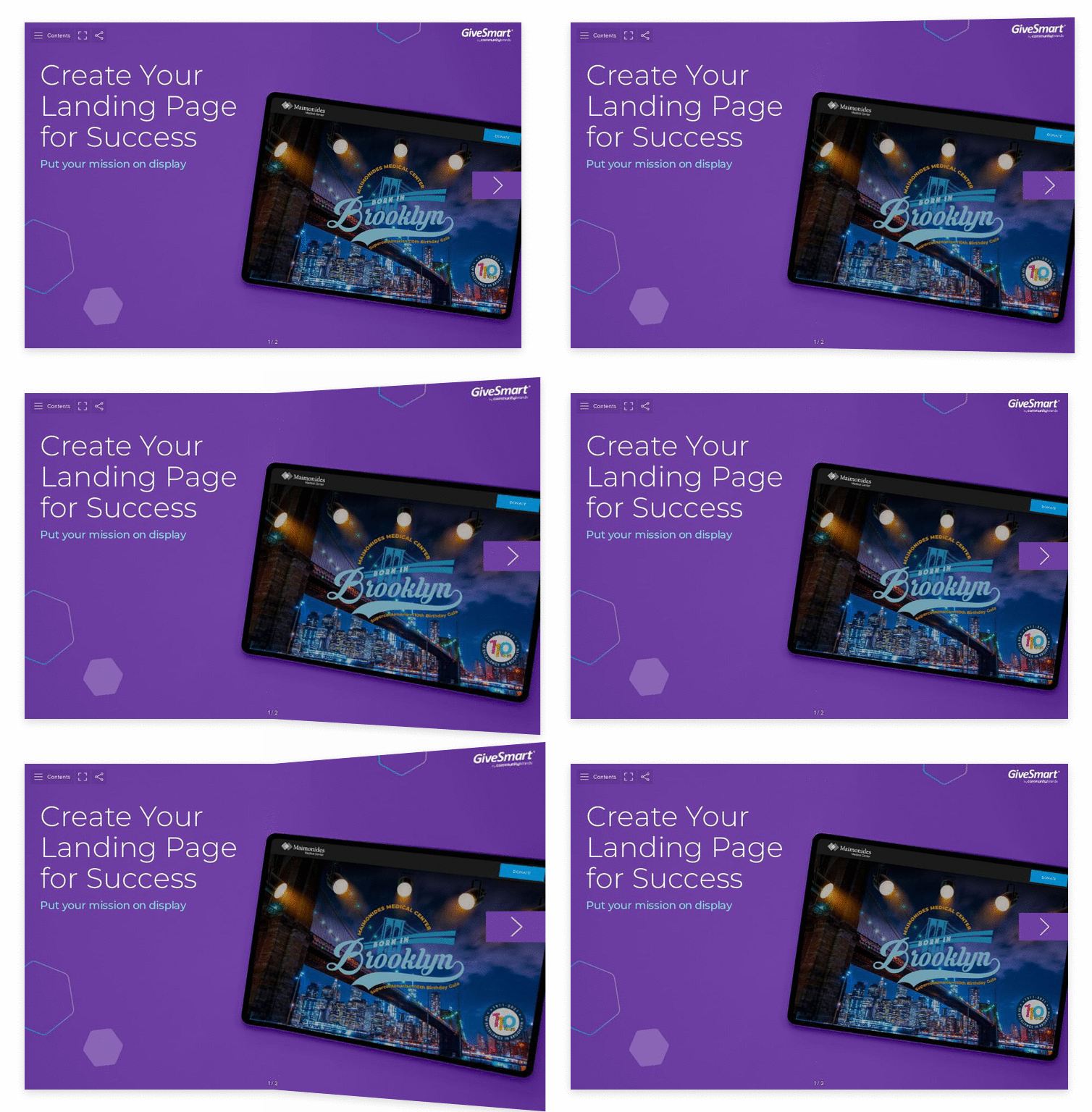
Credit: www.givesmart.com
Using Social Proof
Testimonials help to build trust. They show real people using your product. This makes new visitors feel safe. People love to hear stories from others. Real stories make your landing page strong. Use short and clear testimonials. They should be easy to read. Add a name or picture if you can. This makes the testimonial more real.
Case studies tell a detailed story. They show how your product helped someone. Make them short and to the point. Use numbers and facts. This makes them powerful. People like to see proof. Proof that your product works. Share how a problem was solved. This helps others understand the value.
User reviews give a voice to your customers. They are honest and real. People trust what others say. A good review can be very convincing. Keep reviews fresh and updated. New reviews show that people still use your product. Add a star rating if possible. Stars are easy to understand.
Analyzing Performance Metrics
Conversion Rate tells how many people take action. It shows if your page is working well. A high rate means many people like your page. A low rate means some changes are needed. Use clear and easy-to-read words. Make sure your message is simple. This can help improve the rate.
Bounce Rate shows how many people leave without clicking anything. A high bounce rate means your page might be confusing. Try to make your page easy to understand. Use simple words and clear images. This can help keep people on your page.
Time on Page tells how long people stay. A longer time means people find your page interesting. Short time means they leave quickly. Use interesting content to keep them longer. Simple stories or facts can help.
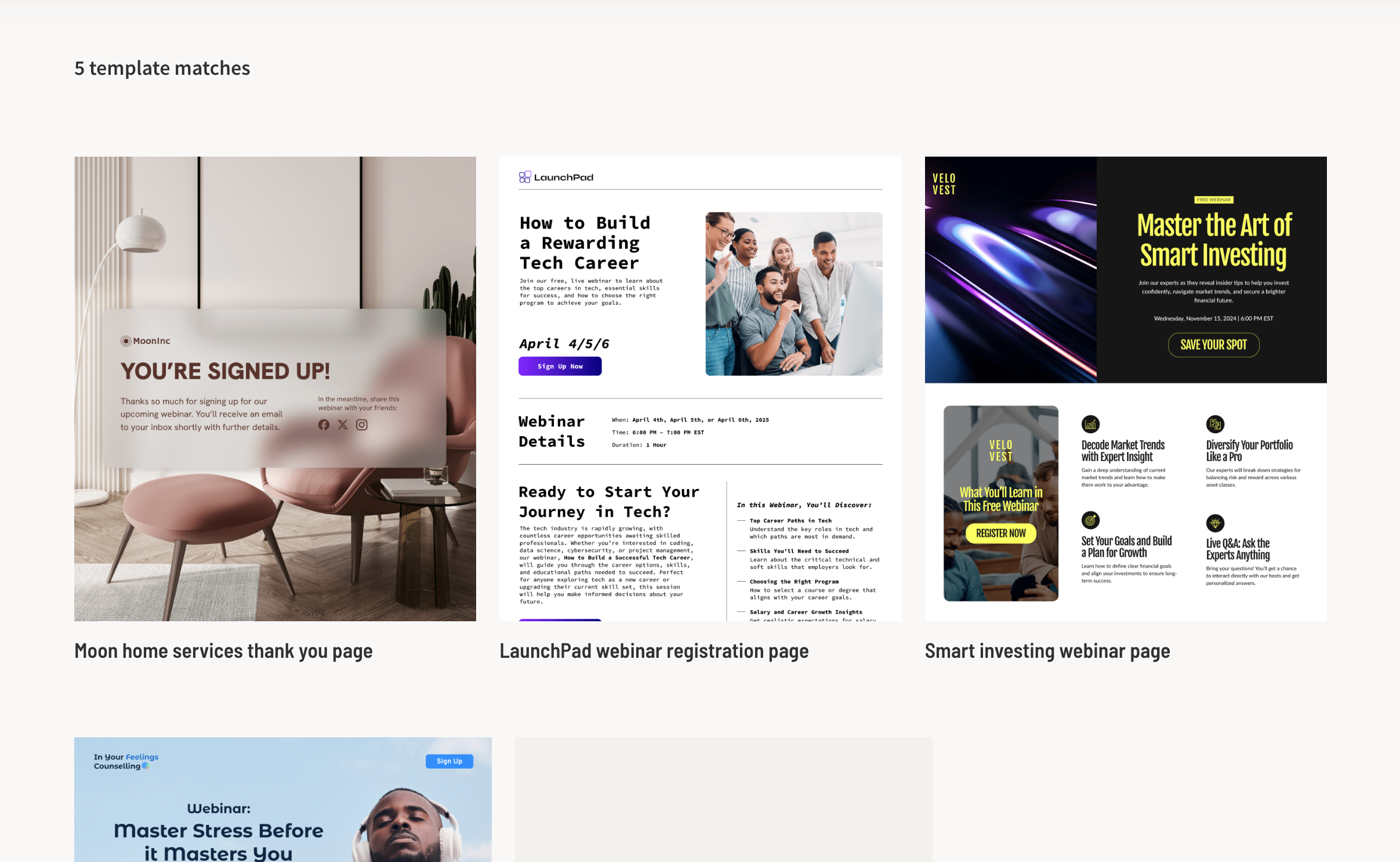
Credit: unbounce.com
Tools And Resources
Landing page builders help create pages easily. Choose a builder with drag-and-drop features. Look for one with templates that fit your needs. Good options include Unbounce, Leadpages, and Instapage. These tools simplify the creation process. They offer customizable designs and analytics to track performance.
Analytics tools show how visitors interact with your page. They help understand what works best. Use tools like Google Analytics to check views and clicks. Heatmaps tools, such as Hotjar, reveal where users click. These insights improve page effectiveness. Metrics guide adjustments for better results.
Design resources enhance page visuals. Use sites like Canva for easy design. Unsplash offers free images to beautify your page. Fonts matter too; Google Fonts provides numerous choices. Good design attracts visitors. It keeps them on your page longer. Use these resources for a clean look.

Credit: wpengine.com
Frequently Asked Questions
How Do I Create A Good Landing Page?
Craft a compelling headline and clear call-to-action. Optimize for mobile, ensure fast loading speed. Use engaging visuals and concise content. Highlight benefits and address user needs effectively.
What Does A Successful Landing Page Look Like?
A successful landing page features a clear headline, engaging visuals, concise content, and a strong call-to-action. It loads quickly, is mobile-friendly, and includes social proof or testimonials. The design is clean, with easy navigation, and it uses SEO best practices to improve search visibility.
What Is The Best Platform To Create A Landing Page?
Choose platforms like Unbounce, Leadpages, or Wix for creating effective landing pages. They offer user-friendly interfaces, customizable templates, and powerful analytics. Optimize your landing page with SEO practices and ensure mobile responsiveness for better engagement and conversions. These platforms are ideal for small businesses and marketers seeking streamlined solutions.
What Is The Best Format For A Landing Page?
The best landing page format includes a clear headline, engaging visuals, and a strong call-to-action. Make navigation simple, use concise content, and ensure mobile responsiveness. Highlight benefits and testimonials to build trust and drive conversions. Optimize for SEO to improve search visibility and attract more visitors.
Conclusion
Creating successful landing pages doesn’t have to be difficult. Focus on clear, concise headlines. Use strong, action-oriented calls to action. Ensure your design is clean and user-friendly. Test different elements to find what works best. Remember, your goal is to engage visitors.
Address their needs directly. Keep the content relevant and valuable. A well-crafted landing page can boost conversions significantly. Always keep your audience in mind. Their experience should be smooth and intuitive. With these tips, you can create landing pages that truly deliver results.


