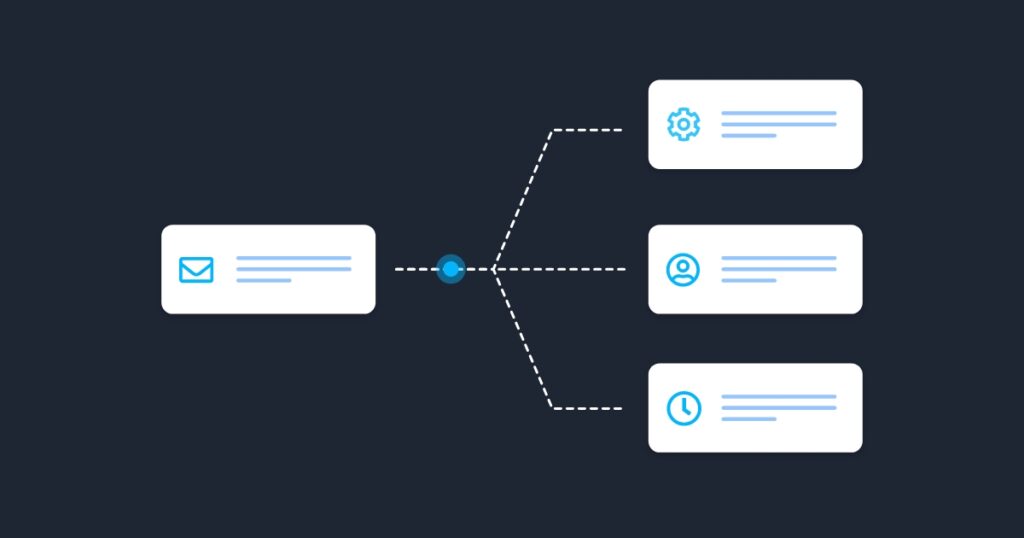
Segment your audience for targeted campaigns. Use personalized content to increase engagement and conversions.
Email marketing automation streamlines your marketing efforts, saving time and boosting efficiency. By segmenting your audience, you can send tailored messages that resonate with different groups. Personalization goes beyond just using the recipient’s name; it involves crafting content that addresses their specific needs and interests.
Automated workflows help maintain consistent communication, nurturing leads through the sales funnel. Use A/B testing to refine your strategies and improve open and click-through rates. Analytics provide insights into what’s working, allowing you to fine-tune your campaigns. Stay compliant with regulations like GDPR to maintain trust and credibility. Effective email marketing automation drives results and enhances customer relationships.
The Essence Of Email Marketing Automation
Email marketing automation helps businesses save time and increase efficiency. It allows for personalized and timely communication with customers. Automated emails can engage your audience and build stronger relationships. This process ensures that your messages reach the right people at the right time.
Benefits Of Automation In Email Campaigns
- Time-Saving: Automation frees up valuable time for other tasks.
- Personalization: Emails can be tailored to each recipient’s preferences.
- Consistency: Ensures regular communication with your audience.
- Increased Engagement: Personalized emails tend to have higher open and click-through rates.
- Improved Analytics: Track and measure the success of your campaigns easily.
Key Differences Between Manual And Automated Emailing
| Aspect | Manual Emailing | Automated Emailing |
|---|---|---|
| Time Investment | High | Low |
| Personalization | Limited | Extensive |
| Consistency | Varies | Stable |
| Engagement | Moderate | High |
| Analytics | Basic | Advanced |
Getting Started With Automation Tools
Email marketing automation is a powerful tool for businesses. It helps save time, increase engagement, and boost sales. Let’s explore how to get started with automation tools. We’ll cover choosing the right software and setting up your first automated campaign.
Choosing The Right Email Marketing Software
Choosing the right email marketing software is crucial. Here are a few factors to consider:
- Ease of Use: Pick software that is easy to navigate.
- Features: Ensure it offers templates, segmentation, and analytics.
- Price: Compare costs and see which fits your budget.
- Support: Check if they offer good customer support.
Popular email marketing software includes Mailchimp, ActiveCampaign, and HubSpot. Each has unique features and pricing plans. Evaluate your needs and pick the best fit.
Fundamentals Of Setting Up Your First Automated Campaign
Setting up your first automated campaign may seem daunting. Follow these steps to get started:
- Define Your Goal: What do you want to achieve? More sales, sign-ups, or engagement?
- Segment Your Audience: Group your contacts based on interests or behavior.
- Create Your Email Sequence: Plan a series of emails that guide your audience.
- Design Your Emails: Use templates to make your emails look professional.
- Set Triggers: Define actions that will trigger each email. These could be sign-ups, purchases, or specific behaviors.
- Test and Launch: Test your campaign to ensure everything works. Then, launch it.
Use these fundamentals to create effective automated campaigns. They help save time and improve engagement. Happy emailing!
Crafting Your Email Automation Strategy
Email automation can transform your marketing efforts. It allows you to send personalized messages to your audience. To succeed, you need a solid strategy. This involves segmenting your audience and mapping the customer journey.
Segmenting Your Audience For Targeted Messaging
Segmenting your audience is crucial for effective email marketing. You can divide your audience based on various factors like:
- Age
- Gender
- Location
- Purchase history
Segmentation helps you send targeted messages. These messages are more relevant to your audience. This increases engagement and conversion rates.
Mapping Out The Customer Journey In Your Emails
Mapping the customer journey is the next step. It involves creating a flow of emails that guides your audience. Here’s a simple example:
| Stage | Email Content |
|---|---|
| Awareness | Introduce your brand and offer value |
| Consideration | Share customer testimonials and product benefits |
| Decision | Offer a discount or special deal |
| Post-Purchase | Send thank you emails and request feedback |
Each stage has a specific email objective. This ensures your audience receives the right message at the right time.
Credit: www.bigmailer.io
Personalization: The Heart Of Engagement
Email marketing automation thrives on one key element: personalization. Personalization transforms generic emails into engaging content. It ensures that your message resonates with each recipient. By tailoring messages, you boost open rates and drive conversions.
Utilizing Data For Tailored Content
Data is essential for creating tailored content. Collect customer data to understand their preferences. Use this information to segment your audience.
- Purchase history
- Browsing behavior
- Demographic information
Create segments based on this data. Tailor your content to fit each segment. Personalized emails make your audience feel valued. They are more likely to engage with your content.
Dynamic Content And Personalization Tactics
Dynamic content is crucial for effective personalization. Use dynamic content blocks to change email elements. This ensures each recipient gets a unique email.
| Personalization Tactic | Description |
|---|---|
| Dynamic Subject Lines | Change subject lines based on user data |
| Personalized Recommendations | Recommend products based on past purchases |
| Location-Based Offers | Send offers relevant to the user’s location |
Implement these tactics to enhance your email marketing. Personalization fosters engagement and builds customer loyalty.
Timing And Frequency: When To Hit Send
Email marketing automation is a powerful tool. But, knowing the right time to send can make a huge difference. Timing and frequency play a key role. They help in maximizing open rates and conversions. Let’s dive into some best practices for scheduling your automated emails.
Best Practices For Scheduling Automated Emails
Timing your emails right is crucial. Here are some best practices to follow:
- Know Your Audience: Understand your audience’s daily routine.
- Time Zones: Consider different time zones of your recipients.
- Avoid Weekends: Most people don’t check emails on weekends.
- Test Different Times: Experiment with different send times.
Following these practices ensures better engagement and open rates.
Analyzing Metrics To Optimize Send Times
Analyzing metrics helps in understanding the best times to send emails. Here are some steps to follow:
- Open Rates: Check which times have the highest open rates.
- Click-Through Rates: Look for times with higher click-through rates.
- Conversion Rates: Identify times that lead to more conversions.
- A/B Testing: Use A/B testing to compare different send times.
Here’s a table to summarize these metrics:
| Metric | Importance |
|---|---|
| Open Rates | High |
| Click-Through Rates | Medium |
| Conversion Rates | High |
| A/B Testing | Essential |
By analyzing these metrics, you can find the perfect send times. This helps in reaching more people effectively.
Credit: www.zoho.com
Advanced Triggered Emails
Advanced Triggered Emails are a game-changer in email marketing automation. They respond to user actions, delivering relevant messages at the right moments. This approach boosts engagement and conversion rates, making your campaigns more effective.
Designing Effective Trigger-based Email Sequences
Creating trigger-based email sequences requires a strategic approach. You need to plan each step carefully. Follow these tips to design effective sequences:
- Identify triggers: Determine the user actions that will trigger emails. These can include sign-ups, purchases, or page visits.
- Segment your audience: Group users based on behavior and preferences. This ensures personalized messaging.
- Map the customer journey: Outline the journey from initial contact to conversion. Identify key touchpoints.
- Create engaging content: Ensure each email offers value. Use strong headlines and clear calls-to-action (CTAs).
- Test and optimize: Regularly test different elements. Optimize based on performance data.
Examples Of Triggered Emails That Convert
Here are some examples of triggered emails that have high conversion rates:
| Trigger | Email Type | Description |
|---|---|---|
| Welcome | Welcome Email | Sent after a user signs up. Introduce your brand and offer a discount. |
| Abandoned Cart | Cart Reminder | Remind users of items left in their cart. Include a CTA to complete the purchase. |
| Purchase | Thank You Email | Show appreciation for a recent purchase. Provide recommendations for related products. |
| Inactive User | Re-engagement Email | Encourage inactive users to return. Offer a special incentive or update them on new features. |
By implementing these tips and examples, you can enhance your email marketing strategy. Triggered emails ensure timely, relevant communication, which drives better results.
A/b Testing In Automation
A/B testing helps you find the best version of your emails. It allows you to test two versions of an email to see which performs better. This is essential in email marketing automation for improving engagement and conversions.
How To Implement A/b Testing With Automated Emails
Implementing A/B testing in automated emails is simple. Follow these steps:
- Create two versions of your email (Version A and Version B).
- Change only one element in Version B (subject line, image, CTA).
- Set up your email automation tool to send Version A to half your list.
- Send Version B to the other half.
- Monitor key metrics like open rates, click-through rates, and conversions.
Use a table to track the changes and results:
| Version | Element Changed | Open Rate | Click-Through Rate | Conversion Rate |
|---|---|---|---|---|
| Version A | Original | 20% | 5% | 2% |
| Version B | New Subject Line | 25% | 7% | 3% |
Interpreting A/b Test Results To Improve Campaigns
After running your A/B tests, analyze the results. Look for significant differences between the two versions. The version with higher metrics is usually the better one.
Here’s how to interpret the results:
- If Version B has a higher open rate, the new subject line worked.
- If Version B has a higher click-through rate, the new CTA was effective.
- If Version B has a higher conversion rate, the overall email was better.
Use these insights to refine your email marketing strategy. Repeat A/B testing regularly to keep improving your campaigns. Always test one element at a time for clear results.
Maintaining A Healthy Email List
Maintaining a healthy email list is key for successful email marketing. It ensures your messages reach engaged subscribers, boosting your campaign’s effectiveness. A clean email list reduces bounce rates and improves deliverability.
Regular List Hygiene Best Practices
Regular list hygiene is essential for a clean email list. Follow these best practices:
- Remove Hard Bounces: Delete email addresses that always bounce back.
- Eliminate Invalid Emails: Use tools to find and remove invalid emails.
- Check for Typos: Fix common typos in email addresses.
- Monitor Unsubscribes: Regularly update your list to remove unsubscribed users.
Re-engagement Campaigns For Inactive Subscribers
Re-engagement campaigns help bring inactive subscribers back. Follow these tips:
- Send Special Offers: Offer exclusive discounts to inactive subscribers.
- Ask for Feedback: Request feedback to understand why they became inactive.
- Personalize Content: Tailor your messages to their interests.
- Segment Your List: Target inactive users with specific campaigns.
These practices help keep your email list healthy and engaged. Regular maintenance and targeted re-engagement strategies are key.
Scaling Up Your Email Automation Efforts
Email marketing automation can help your business grow. Scaling up these efforts means using advanced tools and strategies. This helps you reach more people and make your emails better.
Incorporating Ai For Advanced Email Personalization
Artificial Intelligence (AI) can help make your emails feel special. AI can analyze user behavior and preferences. This lets you send emails that match what people like.
Here are some ways to use AI for email personalization:
- Dynamic Content: AI can change parts of your email based on user data.
- Predictive Analysis: AI can guess what users will like next.
- Automated Segmentation: AI can group users with similar interests.
Personalized emails can boost your open and click-through rates. This means more people will engage with your content.
Integrating Email With Other Marketing Automation Tools
Connecting your email system with other tools can improve your marketing. Here are some tools to integrate:
| Tool | Benefit |
|---|---|
| CRM | Track customer interactions and send relevant emails. |
| Social Media | Share email content on social platforms. |
| Analytics | Measure email performance and adjust strategies. |
Combining email with other tools creates a powerful marketing system. This helps you reach your audience in multiple ways.
Start scaling up your email automation efforts today. Use AI for personalization and integrate with other tools. Your business will grow faster and more efficiently.
Monitoring And Analyzing Email Campaign Performance
Monitoring and analyzing email campaign performance is crucial for success. It helps you understand what works best and what needs improvement. By keeping a close eye on key metrics, you can refine your strategy and achieve better results. Let’s dive into the essential metrics and how to use analytics effectively.
Essential Metrics To Track For Email Automation
Tracking the right metrics is vital for email automation. Here are some key metrics to focus on:
- Open Rate: Measures the percentage of opened emails.
- Click-Through Rate (CTR): Tracks the percentage of clicks on links.
- Bounce Rate: Indicates the percentage of undelivered emails.
- Conversion Rate: Shows the percentage of completed desired actions.
- Unsubscribe Rate: Measures the percentage of opt-outs.
These metrics provide valuable insights into your email campaigns. By understanding these numbers, you can make informed decisions.
Using Analytics To Refine Your Email Strategy
Analytics play a significant role in refining your email strategy. Use the data to identify patterns and trends. Here’s how you can leverage analytics:
- Segment Your Audience: Group your audience based on behaviors and preferences.
- A/B Testing: Experiment with different subject lines and content.
- Personalization: Tailor your emails to individual preferences.
- Optimize Send Times: Find the best times to send emails.
- Monitor Engagement: Track interactions to gauge interest.
Use these strategies to improve your email campaigns. By analyzing your data, you can create more effective and engaging emails.
Legal Compliance And Ethical Considerations
Email marketing automation can transform your business. But it also brings responsibilities. Following legal and ethical guidelines is crucial. This will help you build trust and avoid penalties.
Adhering To Email Marketing Laws And Regulations
Compliance is key to effective email marketing. Know the laws in your country or region. The CAN-SPAM Act in the U.S. sets rules for commercial emails. The GDPR in the EU protects personal data.
- Include a clear unsubscribe link in every email.
- Use accurate sender information.
- Ensure you have consent to email your recipients.
Failure to follow these rules can lead to heavy fines. Always stay updated on new regulations.
Building Trust Through Transparent Email Practices
Transparency builds trust with your audience. They should know why they receive your emails. Be clear about your intentions.
- Use a recognizable sender name.
- Provide a clear and concise subject line.
- Explain how you got their email address.
Use a table to outline the key points:
| Practice | Description |
|---|---|
| Recognizable Sender Name | Use a name your recipients will recognize. |
| Clear Subject Line | Be honest about the email’s content. |
| Email Source | Explain how you obtained their email address. |
Following these tips ensures your emails are welcomed. This increases engagement and builds a loyal audience.
Credit: makewebbetter.com
Future Trends In Email Marketing Automation
The future of email marketing automation holds exciting possibilities. Innovations will shape how businesses engage with customers. Emerging technologies offer new ways to personalize and optimize email campaigns. Preparing for these trends will keep your strategies effective and relevant.
Emerging Technologies Shaping Email Automation
New technologies are transforming email marketing automation. AI and machine learning help personalize emails better. They analyze user behavior and predict preferences. This leads to highly relevant content for each subscriber.
Chatbots are another emerging tool. They can automate responses to common queries. This enhances customer service and improves engagement rates.
Interactive emails are gaining popularity. These emails include elements like polls, quizzes, and videos. They make the email experience more engaging and dynamic.
Blockchain technology is also influencing email marketing. It ensures secure and transparent transactions. This builds trust between brands and customers.
Preparing For The Future Of Automated Email Marketing
Businesses must stay ahead of future trends in email marketing. Start by investing in AI and machine learning tools. These tools will help you understand your audience better.
Train your team on new technologies. Keep them updated on the latest trends and tools.
Focus on creating interactive email content. Use polls, quizzes, and videos to engage your audience.
Ensure data privacy and security with blockchain technology. This will build trust and credibility with your subscribers.
| Technology | Benefit |
|---|---|
| AI and Machine Learning | Personalized and relevant content |
| Chatbots | Automated customer service |
| Interactive Emails | Enhanced engagement |
| Blockchain | Secure and transparent transactions |
By embracing these trends, businesses can improve their email marketing efforts. Stay updated and continuously innovate to keep your audience engaged.
Frequently Asked Questions
How To Automate Your Email Marketing?
Automate email marketing by using tools like Mailchimp. Set up triggers, segment your audience, and personalize messages. Schedule campaigns and track performance.
What Are The 7 Email Marketing Strategies?
1. Segment your email list. 2. Personalize your messages. 3. Craft compelling subject lines. 4. Use A/B testing. 5. Optimize for mobile. 6. Include clear CTAs. 7. Analyze and refine your campaigns.
How To Write Good Automated Emails?
Write clear subject lines. Personalize content with names. Keep messages concise. Use engaging calls to action. Test and optimize regularly.
What Are The 5 Steps Of Email Marketing?
The 5 steps of email marketing are: 1. Build a targeted email list. 2. Craft engaging and relevant content. 3. Design an appealing email template. 4. Schedule and send your emails. 5. Analyze performance and optimize campaigns.
Conclusion
Mastering email marketing automation can elevate your campaigns. Use these tips to enhance engagement and drive conversions. Implement strategies effectively for maximum impact. Always test and refine your approach. Stay updated with industry trends to stay competitive. Consistent improvement leads to successful email marketing efforts.
Achieve your marketing goals with these actionable insights.