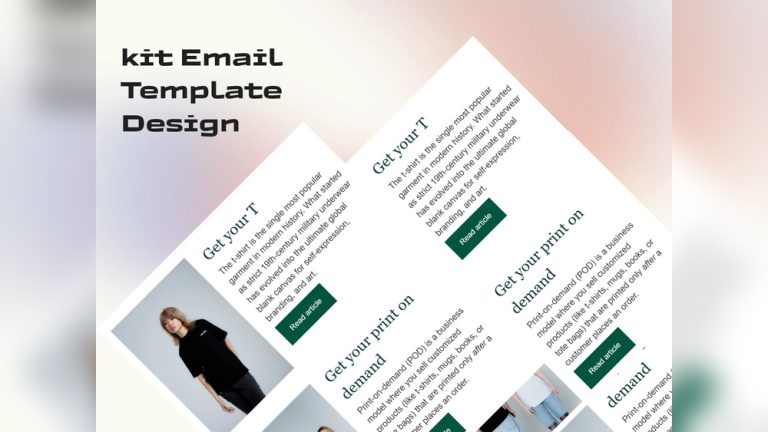
Personalize your emails and segment your audience for effective back-to-school email marketing. Include exclusive offers and valuable content.
Back-to-school season provides a golden opportunity for businesses to connect with parents, students, and educators. Email marketing can be a powerful tool to reach these audiences. Personalizing emails ensures that recipients feel valued and understood. Segmenting your email list allows for targeted messaging, increasing engagement and conversion rates.
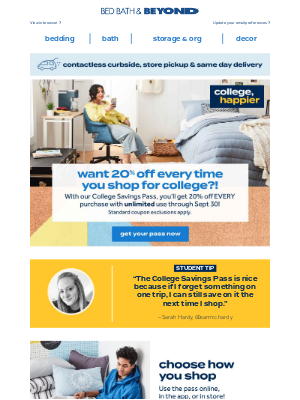
Highlight exclusive offers, discounts, and special promotions to attract attention. Providing valuable content, such as school supply checklists or study tips, adds value to your emails. Keep your messages concise, visually appealing, and mobile-friendly for best results. Engaging subject lines and clear calls-to-action will further enhance the effectiveness of your back-to-school email campaigns.
Credit: www.mailcharts.com
Introduction To Back To School Email Campaigns
Back to school season is a prime time for email marketing. Parents, students, and teachers are all shopping for supplies. This is the perfect opportunity to boost sales through targeted email campaigns.
Effective back-to-school emails can create excitement and urgency. They help your brand stay top of mind during this busy season.
The Importance Of Seasonal Campaigns
Seasonal campaigns capture your audience’s attention at the right moment. They help you stay relevant and timely.
Back to school is a major seasonal event. Many people are in search of products and services for the new school year.
By planning and executing a well-timed campaign, you can significantly increase engagement and conversions.
Key Timings For Back To School Promotions
Timing is crucial for back-to-school email campaigns. Start early to catch early shoppers.
| Phase | Timing |
|---|---|
| Early Bird Shoppers | June – Early July |
| Main Shopping Period | Mid July – August |
| Last-Minute Shoppers | Late August – Early September |
Each phase has its unique strategies. Early bird shoppers may respond to exclusive discounts and early access deals.
During the main shopping period, focus on comprehensive product guides and bundles. Last-minute shoppers often look for quick deals and fast shipping options.
Target Audience Segmentation
When it comes to back-to-school email marketing, understanding your audience is crucial. Target audience segmentation helps tailor messages to specific groups. This increases engagement and conversion rates. Below, we explore essential strategies for effective segmentation.
Identifying Your Demographics
Start by identifying your demographics. Knowing who your audience is can help you craft better messages.
- Age: Are you targeting parents, students, or both?
- Location: Where do your subscribers live?
- Gender: Are your products gender-specific?
- Income Level: Are you targeting budget-conscious customers?
Use this data to segment your audience into meaningful groups. This helps you send relevant content to each group.
Personalizing Messages For Different Groups
Once you have identified your demographics, personalize your messages. Personalized emails have higher open and click-through rates. Here are some ways to personalize:
- Use Their Names: Start emails with the recipient’s name.
- Relevant Offers: Send offers based on past purchases.
- Special Discounts: Offer discounts for specific groups, like students or teachers.
- Content: Tailor the content to the interests of each group.
A personalized email feels more relevant to the recipient. This increases the chances of engagement.
| Demographic | Personalization Strategy |
|---|---|
| Parents | Include tips for back-to-school shopping. |
| Students | Offer discounts on school supplies. |
| Teachers | Share educational resources and tools. |
Segmenting your audience and personalizing messages can significantly improve your email marketing results. Use these tips to make your back-to-school campaign a success.
Crafting The Perfect Subject Line
Creating the perfect subject line is crucial for back-to-school email marketing. A compelling subject line grabs attention and encourages opens. With students and parents receiving many emails, yours must stand out. Let’s dive into two key strategies: capturing attention and using urgency and curiosity.
Capturing Attention
To capture attention, your subject line should be clear and concise. Use powerful words that evoke emotion and interest. Here are some tips:
- Personalization: Include the recipient’s name or specific details.
- Relevance: Ensure the subject line relates to back-to-school needs.
- Benefits: Highlight the benefits, such as discounts or new arrivals.
For example, a subject line like “John, Get 20% Off On School Supplies!” is more engaging than “Back to School Sale.”
Using Urgency And Curiosity
Urgency and curiosity can drive higher open rates. Creating a sense of urgency prompts immediate action. Here are some tips:
- Time-Sensitive Offers: Use phrases like “Today Only” or “Limited Time.”
- Exclusive Access: Mention “Exclusive” or “Members Only” deals.
- Tease Content: Create curiosity with phrases like “Guess What’s New for School!”
For instance, a subject line like “Hurry, 50% Off Ends Tonight!” creates urgency. It makes the recipient want to act fast.
By focusing on these strategies, your back-to-school email subject lines will stand out. They will attract more opens and drive engagement.
Credit: www.smartrmail.com
Designing Engaging Email Content
Creating captivating email content is key for back-to-school campaigns. Your email should attract attention and deliver value quickly. Here’s how to design engaging email content that stands out.
Visual Elements That Appeal
Visuals grab the reader’s attention immediately. Use bright, school-themed images. Ensure your visuals are high-quality and relevant. Graphics, photos, and icons can enhance your message.
Consider using a mix of these visual elements:
- Photos: Include pictures of school supplies, kids, and classrooms.
- Icons: Use school-related icons like books, pencils, and backpacks.
- Infographics: Visualize data and statistics for easy understanding.
- GIFs: Add animated elements to make your email lively.
Place visuals strategically. They should not overwhelm the text. Balance is key.
Informative And Concise Copy
Your email copy should be clear and to the point. Use short sentences and simple words. Highlight the key points early in the email.
Follow these tips for effective copy:
- Start with a strong headline: Make it catchy and relevant.
- Use bullet points: Summarize essential information.
- Keep paragraphs short: Two to three sentences per paragraph.
- Include a call-to-action: Encourage readers to take action.
Avoid jargon and complex language. Your goal is to make the content easy to understand.
Here’s an example of a concise paragraph:
Get ready for school with our special discounts. Save on notebooks, backpacks, and more. Shop now and start the year prepared!
Using these strategies, you can create engaging email content that resonates with parents and students.
Incorporating Offers And Promotions
Back to school season is a prime time for email marketing. One effective strategy is incorporating offers and promotions. This can grab attention and drive sales. Here are some tips to make your email campaigns stand out.
Exclusive Discounts For Subscribers
Offer exclusive discounts to your email subscribers. This makes them feel special. Use phrases like “only for our subscribers.” This can create a sense of urgency and exclusivity.
You can also use time-sensitive offers. For example, “Get 20% off before September 1st.” This encourages quick action. Another idea is a loyalty discount. Reward those who have shopped with you before.
Bundling Products For Back To School
Create bundled products for back to school. This can increase your sales. For example, a “Back to School Kit” with pens, notebooks, and a backpack. Bundles offer value and convenience.
Use a table to show the savings:
| Item | Individual Price | Bundle Price | Savings |
|---|---|---|---|
| Notebook | $5 | $4 | $1 |
| Pen Set | $10 | $8 | $2 |
| Backpack | $20 | $15 | $5 |
Highlight the total savings in your email. For example, “Save $8 when you buy our Back to School Kit!” This makes the offer more attractive.
Use bullet points to list the contents of the bundle:
- 5 Notebooks
- 1 Pen Set
- 1 Backpack
This makes it easy to see what they get. It also shows the value of the bundle.
Bundling products can also help clear out older stock. This makes room for new inventory. It’s a win-win situation.
Optimizing Email Send Times
As the back-to-school season approaches, email marketing can boost your sales. Optimizing email send times ensures your message reaches your audience effectively.
Analyzing Past Engagement Data
To determine the best send times, start with analyzing past engagement data. Look at previous email campaigns. Identify when your audience was most responsive. Use metrics like open rates and click-through rates. A simple table can help:
| Day | Open Rate | Click-Through Rate |
|---|---|---|
| Monday | 20% | 5% |
| Tuesday | 25% | 6% |
| Wednesday | 30% | 7% |
| Thursday | 28% | 6.5% |
| Friday | 22% | 5.5% |
This table shows which days have the highest engagement. Adjust your send times accordingly.
Considering Time Zones And Schedules
Your audience might be in different time zones. Always consider time zones and schedules when planning your email sends. Use an email service provider that allows you to schedule emails based on the recipient’s time zone.
Think about your audience’s daily schedule. Parents and students have busy mornings. Send emails when they are more likely to check their inboxes. Early evening might be a good time.
Here are some tips to consider:
- Segment your list based on location.
- Test sending emails at different times.
- Use A/B testing to find the best time.
By considering these factors, you can increase your email engagement.
Utilizing A/b Testing
A/B testing is a powerful tool for your back-to-school email marketing. By comparing two versions of an email, you can discover what works best. This helps in making data-driven decisions to improve your campaigns. Let’s explore how to make the most of A/B testing with your email marketing.
Testing Subject Lines
Subject lines are crucial for email open rates. A/B testing helps you find the best-performing subject line. Create two versions of your email with different subject lines. Send these to a small segment of your audience. Measure the open rates to see which subject line performs better.
- Keep subject lines short and engaging.
- Use emojis to attract attention.
- Include a call to action.
Choose the winning subject line for your main campaign. This increases your chances of better open rates.
Experimenting With Email Layouts
Email layout impacts how readers engage with your content. Test different layouts to see which one works best. Create two versions of your email with different designs. One could have a single-column layout, and the other a multi-column layout. Send these to a small segment of your audience.
Measure the click-through rates to determine the best layout. Consider the following elements:
- Header images
- Text placement
- Button styles
Use the winning layout for your main campaign. This ensures better engagement and click-through rates.
| Element | Version A | Version B |
|---|---|---|
| Subject Line | Short and catchy | With emoji |
| Layout | Single-column | Multi-column |
A/B testing helps you understand what your audience prefers. Use these insights to improve your back-to-school email marketing campaigns.
Leveraging Social Proof
Back to school season is here. Email marketing can boost your sales. Leveraging social proof can be a game-changer. It builds trust and encourages purchases. Let’s dive into how you can use social proof effectively.
Incorporating Testimonials
Testimonials are powerful. They show real people love your products. Ask satisfied customers for short quotes. Add these quotes to your emails. Make sure they are relevant and genuine. This makes your brand more trustworthy.
Use a table to highlight key testimonials:
| Customer Name | Testimonial |
|---|---|
| John Doe | “The best back-to-school products ever!” |
| Jane Smith | “My kids love their new backpacks!” |
Showcasing User-generated Content
User-generated content (UGC) can be gold. It shows real-life use of your products. Encourage customers to share photos on social media. Use a hashtag to track these posts. Share the best ones in your emails.
Here are some ways to encourage UGC:
- Run a photo contest
- Offer a small discount for sharing
- Feature a “Customer of the Month” section
Make sure to get permission before using their content. This shows respect and builds trust.
Mobile Optimization
Mobile optimization is crucial for back-to-school email marketing. Many parents and students check emails on their phones. Optimizing your emails for mobile devices ensures better engagement and higher conversion rates.
Responsive Design
A responsive design adjusts to any screen size. Whether the recipient uses a phone, tablet, or desktop, the email looks great. Make sure your email templates are responsive. Use tools that allow you to test the email on various devices.
- Adjust font size for readability on small screens.
- Ensure images scale properly and do not break the layout.
- Use a single-column layout for simplicity.
Fast Loading Times
Emails should load quickly on mobile devices. Slow-loading emails can frustrate users and lead to higher bounce rates. Ensure your images are optimized for fast loading. Compress large files without losing quality.
| Optimization Tip | Description |
|---|---|
| Image Compression | Reduce file sizes for quicker loading. |
| Minimal Use of Videos | Videos can slow down load times. |
| Clean Code | Remove unnecessary elements in your HTML and CSS. |
Fast loading times improve user experience and increase open rates.
Follow-up Strategies
Effective follow-up strategies are key to successful back-to-school email marketing. They help maintain engagement, drive sales, and build customer loyalty. These strategies ensure your messages reach the right audience at the right time.
Trigger-based Emails
Trigger-based emails are automated messages sent based on user actions. These can include:
- Welcome Emails – Sent when a user signs up.
- Abandoned Cart Emails – Remind users of items left in their cart.
- Purchase Confirmation Emails – Sent after a purchase is made.
These emails are highly effective. They are timely and relevant to the user. For example, a welcome email can offer a special discount. This encourages the user to make their first purchase.
Re-engagement Campaigns
Re-engagement campaigns target inactive subscribers. These campaigns can bring back lost customers. Here are some strategies:
- Special Offers – Send exclusive discounts to inactive users.
- Feedback Requests – Ask for feedback to understand why they left.
- Content Updates – Share new and exciting content.
Use attractive subject lines and personalized content. This increases the chance of re-engaging the user. For example, “We Miss You! Enjoy 20% Off Your Next Purchase” can be very effective.
| Trigger-Based Emails | Re-engagement Campaigns |
|---|---|
| Welcome Emails | Special Offers |
| Abandoned Cart Emails | Feedback Requests |
| Purchase Confirmation Emails | Content Updates |
Both trigger-based emails and re-engagement campaigns are essential. They help keep your audience engaged and drive sales.
Measuring Campaign Success
The success of your back-to-school email marketing campaign hinges on your ability to measure its effectiveness. Analyzing your results ensures you can refine strategies and achieve better outcomes next time. Here, we’ll delve into key performance indicators and learning from analytics, which are crucial for evaluating your campaign’s impact.
Key Performance Indicators
Key performance indicators (KPIs) are essential for measuring campaign success. They help you understand how well your emails are performing. Here are some important KPIs to track:
- Open Rate: This shows how many people opened your email.
- Click-Through Rate (CTR): This measures how many clicked a link in your email.
- Conversion Rate: This tells you how many completed a desired action.
- Bounce Rate: This indicates how many emails couldn’t be delivered.
- Unsubscribe Rate: This shows how many people opted out of your emails.
Tracking these KPIs helps you understand audience engagement. You’ll know what works and what needs improvement.
Learning From Analytics
Analytics provide a deeper insight into your campaign’s performance. Learning from this data is vital for growth. Here are ways to use analytics effectively:
- Segment Your Audience: Use data to create targeted email lists.
- Test Different Strategies: A/B test subject lines and content.
- Monitor Engagement Patterns: Identify peak engagement times.
- Analyze Conversion Paths: Understand the steps leading to conversions.
- Adjust Future Campaigns: Use insights to refine your approach.
By analyzing these metrics, you can tailor your strategies. This leads to higher engagement and better results.
Final Thoughts
Back to school email marketing is crucial for connecting with parents and students. Effective campaigns drive engagement and sales during this key season. As you wrap up your current efforts, consider these last strategies for future success.
Preparing For Next Year
Start preparing for next year’s campaign now. Review this year’s performance data. Identify what worked well and what didn’t. This information will guide your future strategies.
- Analyze open rates and click-through rates.
- Assess which subject lines had the highest engagement.
- Note the products or offers that attracted the most interest.
Use this data to create a more effective campaign next year. Plan your content calendar in advance. Ensure you have enough time for design and testing.
Adapting To Trends And Feedback
Stay updated on the latest email marketing trends. Adapt your strategies to meet changing customer preferences. Use feedback from your audience to improve your campaigns.
- Send surveys to gather customer opinions.
- Monitor social media for feedback and trends.
- Incorporate new technology like interactive emails or AI recommendations.
Incorporate these insights to keep your campaigns fresh and relevant. Always be ready to tweak your approach based on what you learn.
By following these tips, you can ensure your back to school email marketing remains effective and engaging year after year.
Credit: dotdigital.com
Frequently Asked Questions
What Are The 5 Ts Of Email Marketing?
The 5 Ts of email marketing are Targeting, Timing, Testing, Tracking, and Transparency. Target the right audience. Send emails at optimal times. Test different elements. Track performance metrics. Maintain transparency with subscribers.
What Are The 7 Email Marketing Strategies?
1. Personalize your emails. 2. Segment your audience. 3. Optimize subject lines. 4. Use clear CTAs. 5. Automate campaigns. 6. Test and analyze performance. 7. Provide valuable content. These strategies boost engagement and conversion rates.
How Do I Advertise Back To School?
Promote back-to-school sales on social media and email campaigns. Offer discounts and bundle deals. Collaborate with influencers. Use targeted ads and create engaging content. Optimize your website for relevant keywords.
When To Send Back To School Emails?
Send back-to-school emails 2-3 weeks before classes start. This timing maximizes engagement and preparation.
Conclusion
Boost your back-to-school email marketing by implementing these tips. Engage with personalized messages and eye-catching designs. Track your results to refine your strategy. Start planning now for a successful campaign. Elevate your brand and connect effectively with your audience. Happy emailing!