
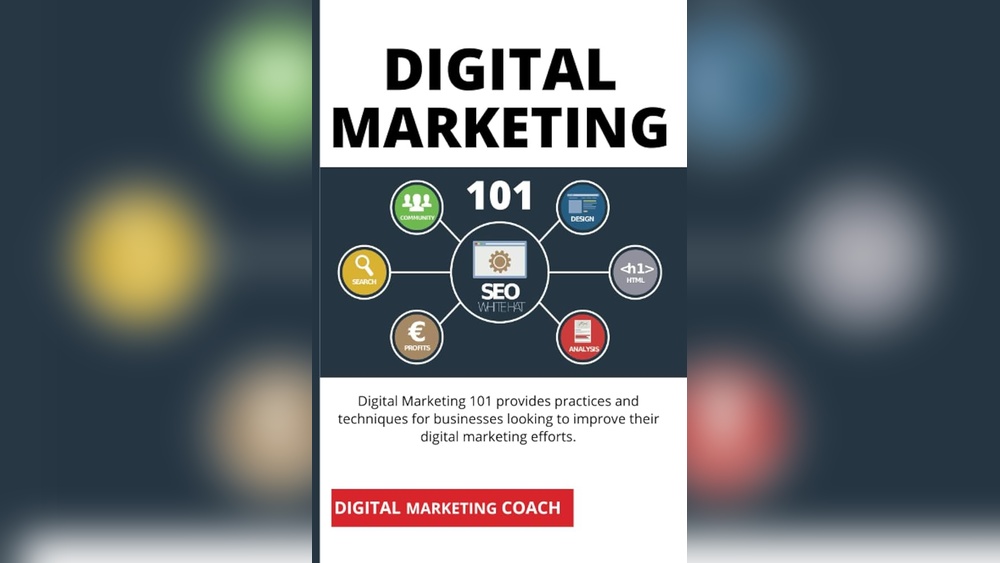
Are you ready to unlock the power of digital marketing but don’t know where to start? This guide is made just for you.
Digital marketing can feel overwhelming, with so many tools and strategies out there. But once you understand the basics, you’ll see how simple and exciting it can be. Imagine reaching more people, growing your business, or boosting your brand without wasting time or money.
Keep reading, and you’ll discover clear, easy steps to build a strong digital marketing foundation. Your success story starts here.
Basics Of Digital Marketing
Understanding the basics of digital marketing is important for anyone new to the field. Digital marketing uses the internet and electronic devices to reach customers. It helps businesses grow by connecting with more people online.
Learning these basics gives a clear path to promote products or services effectively. It involves different tools and techniques that work together to attract and keep customers.
What Is Digital Marketing
Digital marketing is the use of online channels to promote brands and products. It includes websites, social media, email, and search engines. The goal is to reach the right audience at the right time. It allows businesses to communicate directly with customers. Digital marketing is measurable, so businesses can see what works and improve.
Key Channels To Explore
Several channels make up digital marketing. Search engine optimization (SEO) helps websites rank higher in search results. Social media platforms like Facebook and Instagram connect brands with users. Email marketing sends personalized messages to customers. Pay-per-click (PPC) ads appear on search engines and social media. Content marketing creates helpful articles, videos, or posts to attract visitors. Each channel has its own strengths and uses.
Benefits For Small Businesses
Digital marketing offers many advantages for small businesses. It is often less expensive than traditional marketing. Small businesses can reach a global audience easily. Digital tools help track customer behavior and measure results. It allows personalized communication, building stronger customer relationships. Small businesses can compete with larger companies on a more even level. Digital marketing creates opportunities to grow and succeed in a busy market.
Creating A Digital Strategy
Creating a digital strategy is the first step in successful digital marketing. It helps you focus your efforts and resources. A clear plan guides your actions and measures progress. Without a strategy, your marketing can feel random and ineffective.
This section explains how to create a strong digital strategy. It covers setting goals, finding your audience, and picking platforms. These steps build a solid foundation for your marketing efforts.
Setting Clear Goals
Goals give your marketing direction. They tell you what to aim for. Set specific, simple goals like increasing website visits or gaining followers. Clear goals help you track success and improve.
Identifying Target Audience
Know who you want to reach. Think about their age, interests, and problems. Understanding your audience helps create messages that connect. Targeting the right people saves time and money.
Choosing The Right Platforms
Pick platforms where your audience spends time. It could be social media, email, or search engines. Using the right platforms increases your chance to reach and engage people. Focus on a few platforms instead of many.
Content Marketing Essentials
Content marketing is a key part of digital marketing. It helps businesses talk to their audience. Sharing useful and interesting content builds trust. This trust leads to more customers and better brand recognition.
Good content makes people want to learn more. It can explain products or services clearly. It also shows that a business understands its audience’s needs. Creating and sharing the right content boosts engagement and sales.
Types Of Content To Use
Choose content that fits your audience and goals. Blog posts help explain ideas in detail. Videos grab attention quickly and keep people interested. Infographics show facts and numbers in a simple way. Social media posts spread messages fast and wide. Emails reach people directly and personally. Each type has a unique role in your marketing plan.
Crafting Engaging Messages
Write messages that speak directly to your audience. Use simple words and short sentences. Ask questions to make readers think. Share stories that relate to real-life problems. Be clear about what you want readers to do next. Engaging messages keep people reading and increase shares.
Content Distribution Methods
Share your content where your audience spends time. Use social media platforms like Facebook or Instagram. Send newsletters via email to your subscribers. Post on forums or groups related to your niche. Use search engines to help people find your content. Regular sharing keeps your brand visible and trusted.
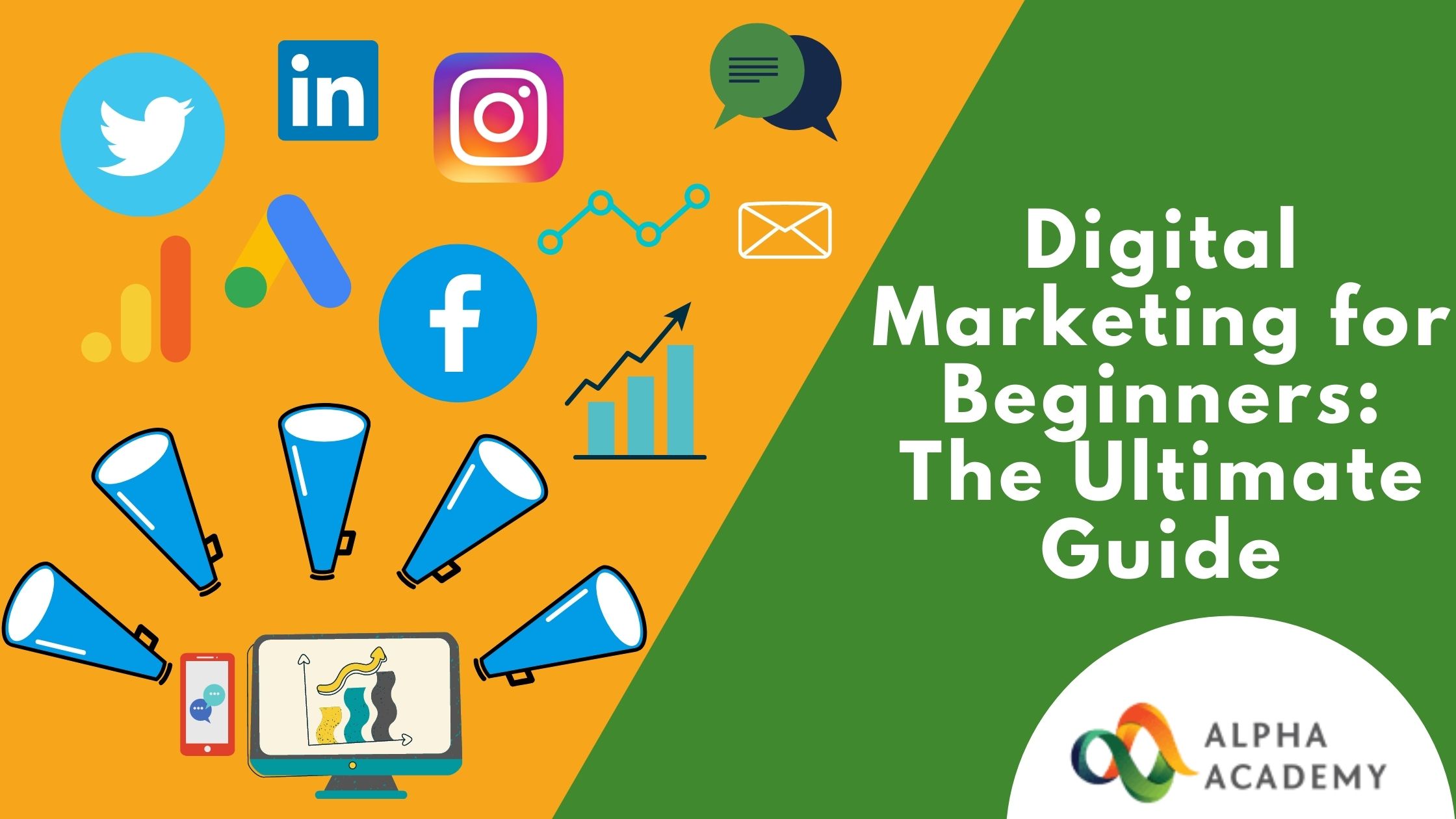
Credit: www.alphaacademy.org
Search Engine Optimization Basics
Search Engine Optimization (SEO) is the process of improving a website’s visibility on search engines like Google. It helps websites rank higher in search results. Higher rankings lead to more visitors and potential customers. Understanding SEO basics is important for anyone starting digital marketing.
SEO involves many techniques. Some focus on the website itself. Others work outside the site to build reputation. Learning these basics helps build a strong online presence.
Importance Of Seo
SEO drives organic traffic to your website. This means people find your site without paid ads. More visitors can lead to more sales or inquiries. SEO builds trust and credibility with users. Search engines view well-optimized sites as reliable. Good SEO also improves user experience. Fast, easy-to-use websites keep visitors longer.
On-page Seo Tips
On-page SEO means changes made on your website. Start with using clear, relevant keywords. Include them in titles, headings, and content. Write short, simple sentences for easy reading. Use descriptive meta tags and alt texts for images. Make sure your site loads quickly on all devices. Organize content with proper headings for clarity. Internal links help users navigate your site. These steps make your site search engine friendly.
Off-page Seo Strategies
Off-page SEO happens outside your website. It focuses on building your site’s reputation. Getting links from other trusted websites is key. These links show search engines your site is valuable. Social media shares and mentions also help. Engage with your audience on social platforms. Creating quality content encourages others to link to you. These strategies improve your site’s authority and ranking.
Social Media Marketing Tips
Social media marketing is key for any digital marketing plan. It helps brands reach many people fast. Using social media right can grow your business and build strong connections with your audience. Simple tips will guide beginners to create effective social media strategies.
Selecting Suitable Channels
Choose social media platforms that fit your business goals. Each platform has a different audience. For example, Instagram suits visual products. LinkedIn works well for B2B services. Focus on two or three channels to start. This approach keeps your efforts clear and manageable.
Building Audience Engagement
Post content that interests your followers. Ask questions and invite comments to encourage interaction. Use images and videos to catch attention. Respond quickly to comments and messages. Engagement builds trust and keeps your audience active.
Measuring Social Success
Track key metrics like likes, shares, and comments. Use platform analytics to understand your audience better. Check which posts get the most response. This data helps improve your future content. Regular review keeps your strategy effective.

Credit: www.youtube.com
Pay-per-click Advertising
Pay-Per-Click (PPC) advertising is a popular way to get traffic quickly. It lets you show ads on search engines or websites. You only pay when someone clicks your ad. This method helps businesses reach new customers fast and control their spending.
How Ppc Works
PPC works by bidding on keywords related to your business. Advertisers compete to show their ads for those keywords. When someone searches using those words, the search engine picks ads to display. The ads with the highest bids and best quality appear first.
Each time a user clicks your ad, you pay a small fee. This fee depends on your bid and ad relevance. You can track clicks and measure how well your ads perform.
Creating Effective Ads
Good ads grab attention and match what people want. Use clear and simple language. Highlight benefits and include a call to action. A call to action tells users what to do next, like “Buy Now” or “Learn More.”
Use keywords in your ad text to make it relevant. Test different versions of your ads to find the best one. Update ads regularly to keep them fresh and effective.
Managing Budgets And Bids
Set a daily or monthly budget for your PPC campaign. This helps control your spending and avoid surprises. Adjust bids based on how well your ads perform. Increase bids for keywords that bring good results.
Lower bids on keywords that do not perform well. Use tools to monitor your spending and results. This keeps your campaign efficient and cost-effective.
Email Marketing Basics
Email marketing is a key tool for any digital marketing strategy. It helps businesses connect directly with their audience. Emails can share news, offers, or useful content. This keeps customers interested and builds trust.
Success in email marketing starts with the basics. Understanding how to build a mailing list, create campaigns, and track results is important. These steps help you reach the right people and measure your efforts.
Building A Mailing List
A mailing list is a group of people who want to hear from you. Start by asking visitors to sign up on your website. Offer something useful, like a free guide or discount. Always ask for permission before sending emails. Keep your list clean by removing inactive addresses regularly. This improves delivery and engagement rates.
Designing Effective Campaigns
Write clear and simple messages that grab attention. Use short sentences and friendly language. Include a strong call to action, like “Buy Now” or “Learn More.” Use images sparingly to keep emails fast to load. Make sure your emails look good on phones and computers. Test different subject lines to see what works best.
Tracking Email Performance
Measure how many people open your emails. Track clicks on links inside your messages. Use these numbers to learn what your audience likes. Adjust your campaigns based on this data. Look for patterns in what gets the best response. This helps you send better emails over time.
Analyzing Digital Marketing Results
Analyzing digital marketing results helps you see what works and what does not. It shows if your efforts bring visitors, leads, or sales. You can learn where to spend time and money better. Tracking results helps improve your campaigns step by step. It is a key part of any digital marketing plan.
Key Metrics To Monitor
Monitor metrics like website traffic, bounce rate, and conversion rate. Traffic shows how many people visit your site. Bounce rate tells if visitors leave quickly or stay. Conversion rate measures how many take an action, such as signing up or buying. Track social media engagement and email open rates too. These numbers reveal how your audience reacts to your messages.
Using Analytics Tools
Use tools like Google Analytics to collect data easily. These tools show detailed reports on visitor behavior and sources. They help you see which pages perform best and where visitors drop off. Set goals in the tool to track specific actions. Many tools offer free versions for beginners. They simplify data and make it easy to understand.
Adjusting Strategies For Growth
Use your data to make smart changes in campaigns. Stop strategies that don’t bring results. Focus on channels with high engagement and conversions. Test different headlines, images, and offers to find what works. Regularly review your performance and update your plans. Small changes can lead to better results over time.
Common Mistakes To Avoid
Starting digital marketing can be exciting but tricky. Many beginners make mistakes that slow progress. Avoiding these errors helps create a strong marketing plan. Focus on key areas to improve your results and save time.
Ignoring Mobile Users
Many people use phones to browse the internet. Websites and ads must work well on small screens. Ignoring mobile users means losing many potential customers. Test your site on different devices to ensure easy use. Fast loading on phones is also very important.
Overlooking Audience Needs
Understanding your audience is essential. What do they want or need? Content should answer their questions and solve problems. Ignoring this leads to low engagement and poor results. Use surveys or feedback to learn what your audience values most.
Neglecting Consistent Branding
Branding helps people recognize your business. Use the same colors, logos, and tone everywhere. Inconsistent branding confuses customers and weakens trust. Keep your message clear and steady across all channels. This builds a strong, reliable image over time.
Tips For Ongoing Improvement
Improving your digital marketing skills takes time and effort. It is important to keep learning and adjusting your strategies. Small changes can lead to better results. This section shares tips to help you keep improving.
Staying Updated With Trends
Digital marketing changes fast. New tools and methods appear all the time. Follow blogs, podcasts, and news sites to stay informed. This helps you use the latest techniques. Staying updated keeps your marketing fresh and effective.
Testing And Experimenting
Try different ideas and see what works best. Test headlines, images, and calls to action. Use small changes to compare results. Experimenting helps you find the best way to reach your audience. Keep testing often to improve your campaigns.
Learning From Competitors
Watch what your competitors do. Analyze their ads, websites, and social media posts. Notice what attracts their customers. Learn from their successes and mistakes. This helps you create better marketing strategies and stand out.
Credit: www.northbeam.io
Frequently Asked Questions
What Is Digital Marketing And Why Is It Important?
Digital marketing uses online channels to promote products or services. It helps businesses reach wider audiences, engage customers, and increase sales effectively and affordably.
How Do Beginners Start Learning Digital Marketing?
Beginners should start with basics like SEO, content marketing, and social media. Online courses and tutorials offer practical skills and real-world examples.
What Are The Main Types Of Digital Marketing?
Main types include SEO, PPC, email marketing, content marketing, and social media marketing. Each serves different goals and audiences.
How Can Digital Marketing Improve Business Growth?
Digital marketing boosts visibility, attracts targeted customers, and builds brand loyalty. It provides measurable results to refine strategies.
Conclusion
Digital marketing is a key skill for today’s world. Start with basics like SEO, social media, and email. Practice often to gain confidence and improve results. Stay patient; success takes time and effort. Keep learning new trends to stay ahead.
Use these fundamentals as a strong foundation. Your small steps can lead to big growth. Begin now, and watch your skills grow steadily.


