
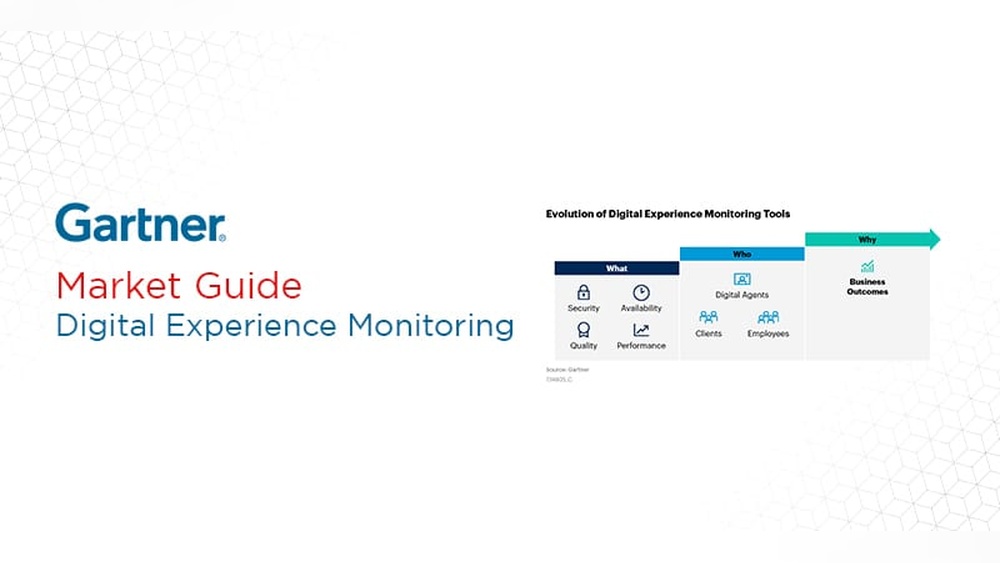
Are you struggling to keep track of how your customers experience your digital services? Understanding every click, load time, and interaction is crucial for staying ahead.
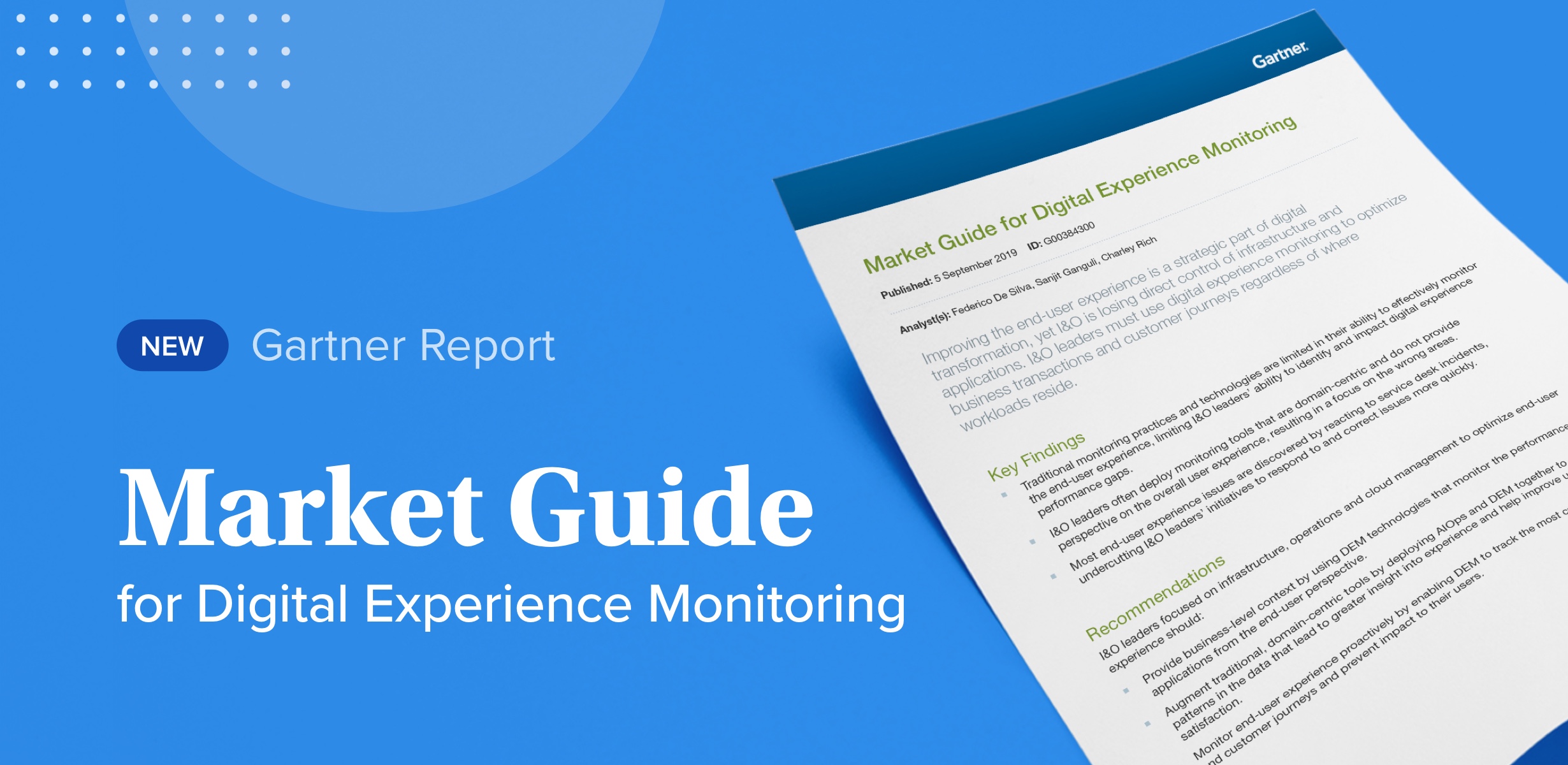
The Gartner Market Guide for Digital Experience Monitoring offers insights that can transform how you see and improve your user experience. This guide helps you discover the tools and strategies you need to deliver seamless, satisfying digital moments. Keep reading to find out how this guide can empower you to make smarter decisions and boost your digital success.
Credit: www.nexthink.com
Digital Experience Monitoring Basics
Digital Experience Monitoring (DEM) helps businesses track how users feel about their digital services. It measures real user interactions and system performance. DEM shows where users face issues and how to improve their experience.
Understanding DEM basics is important for IT teams. It helps them deliver smooth and fast digital services. Companies can find problems early and fix them before users complain.
Key Components Of Dem
DEM has several important parts. First, Real User Monitoring (RUM) collects data from actual users. It tracks clicks, page loads, and errors. Next, Synthetic Monitoring uses tests to simulate user actions. This helps find problems even without real users.
Performance Analytics analyze all collected data. They show trends and patterns to spot issues. Lastly, Alerting tools notify teams when performance drops. These components work together to keep digital services running well.
Importance In Modern It
Modern IT depends on fast and reliable digital services. DEM helps teams deliver consistent user experiences. It reduces downtime and fixes bugs quickly. This leads to happier customers and better business results.
With DEM, IT teams can understand user behavior clearly. They can improve apps and websites based on real data. This makes digital services more user-friendly and efficient.

Credit: www.7signal.com
Gartner Market Guide Highlights
The Gartner Market Guide for Digital Experience Monitoring (DEM) offers key insights into the current landscape of digital experience solutions. It helps businesses understand which vendors lead the market and what trends shape the future of DEM. This guide is essential for companies aiming to improve user satisfaction and optimize digital performance.
By exploring the guide, readers can identify important vendors and notice emerging trends. These highlights provide a clear view of the market’s direction and innovation areas.
Top Vendors To Watch
Gartner lists several top vendors known for their strong DEM capabilities. These companies provide tools that monitor user interactions, application performance, and network health. Their solutions help detect issues quickly and improve digital experiences.
Some leading vendors offer easy-to-use dashboards and real-time analytics. They support businesses in making fast decisions to fix problems before users notice them. These vendors often integrate with other IT systems for better data flow and insights.
Emerging Trends In Dem
New trends in DEM focus on better data collection and smarter analysis. Artificial intelligence is becoming common to predict problems and suggest fixes. This reduces downtime and improves user satisfaction.
Another trend is the rise of cloud-based DEM solutions. These offer flexibility and scalability for businesses of all sizes. Mobile monitoring also grows as more users access services through smartphones and tablets.
Benefits Of Digital Experience Monitoring
Digital Experience Monitoring (DEM) helps businesses track how users interact with their digital services. It gives clear insights into user behavior and system health. This monitoring boosts both user satisfaction and application performance. It makes digital services more reliable and user-friendly.
Improving User Satisfaction
DEM collects data on user interactions in real time. It helps find issues before users notice them. This proactive approach reduces frustration. Users enjoy smoother, faster digital experiences. Happy users often return and recommend services. Monitoring helps tailor services to user needs. It ensures websites and apps meet expectations consistently.
Enhancing Application Performance
DEM tracks application speed and uptime continuously. It identifies slowdowns and errors quickly. Developers receive alerts to fix problems fast. This reduces downtime and improves stability. Better performance means users stay longer and engage more. Monitoring also helps optimize resources and reduce costs. It supports better planning for future updates and capacity.
Challenges In Dem Implementation
Implementing Digital Experience Monitoring (DEM) poses several challenges for businesses. These challenges can slow down progress and affect the quality of user experience insights. Addressing these issues is key to successful DEM adoption and use.
Data Overload And Analysis
DEM tools collect massive amounts of data from multiple sources. This can overwhelm teams trying to find useful information. Sorting through data to spot real problems takes time and skill. Without clear analysis methods, important signals get lost in noise. Teams need efficient ways to filter and interpret data. This helps focus on key user experience issues quickly.
Integration With Existing Tools
Many companies already use various monitoring and IT tools. Adding DEM solutions can create compatibility challenges. DEM tools must work smoothly with current software and workflows. Poor integration leads to data silos and duplicated efforts. A seamless connection ensures better visibility and faster problem resolution. Teams can then use insights from all tools together for a full view.
Future Directions For Dem
Digital Experience Monitoring (DEM) is evolving fast. New tools and techniques will shape its future. Understanding these changes helps businesses stay ahead.
DEM will focus more on predicting issues and improving user satisfaction. This shift brings fresh challenges and chances for growth.
Ai And Machine Learning Impact
AI and machine learning bring smarter analysis to DEM. They detect patterns that humans might miss. This helps find problems early and fix them quickly.
Machine learning models can adapt to changing user behavior. They improve over time, making DEM more accurate. AI also automates routine tasks, saving time and effort.
Expanding Use Cases
DEM use cases are growing beyond traditional areas. It now covers mobile apps, cloud services, and IoT devices. Businesses want to monitor every user interaction closely.
New industries like healthcare and finance are adopting DEM. They need to ensure smooth digital services. This expansion means DEM tools must handle more data types and sources.

Credit: www.paloaltonetworks.com
Frequently Asked Questions
What Is The Gartner Market Guide For Digital Experience Monitoring?
The Gartner Market Guide lists key vendors offering Digital Experience Monitoring solutions. It helps businesses choose tools to improve user experience and IT performance. The guide highlights market trends, capabilities, and vendor strengths for informed decision-making.
Why Is Digital Experience Monitoring Important For Businesses?
Digital Experience Monitoring ensures optimal user interactions with applications and websites. It helps detect issues, improve performance, and boost customer satisfaction. Monitoring supports proactive problem-solving and enhances overall digital service quality.
How Does Gartner Evaluate Digital Experience Monitoring Vendors?
Gartner assesses vendors based on product capabilities, innovation, customer feedback, and market presence. The evaluation includes technology features, integration, scalability, and support. This helps organizations find reliable and effective monitoring solutions.
What Key Features Should I Look For In Dem Tools?
Look for real-time analytics, user journey tracking, and multi-channel monitoring. Integration with existing IT systems and AI-driven insights are valuable. Scalability and ease of deployment also enhance DEM tool effectiveness.
Conclusion
Digital Experience Monitoring helps businesses improve user satisfaction. It tracks how users interact with websites and apps. This data guides better decisions and fixes issues fast. Companies gain clear insights into digital performance. Choosing the right tools is key to success.
Keep monitoring to stay ahead in a competitive market. Better user experience means happier customers and growth. Digital Experience Monitoring is essential for today’s businesses.


