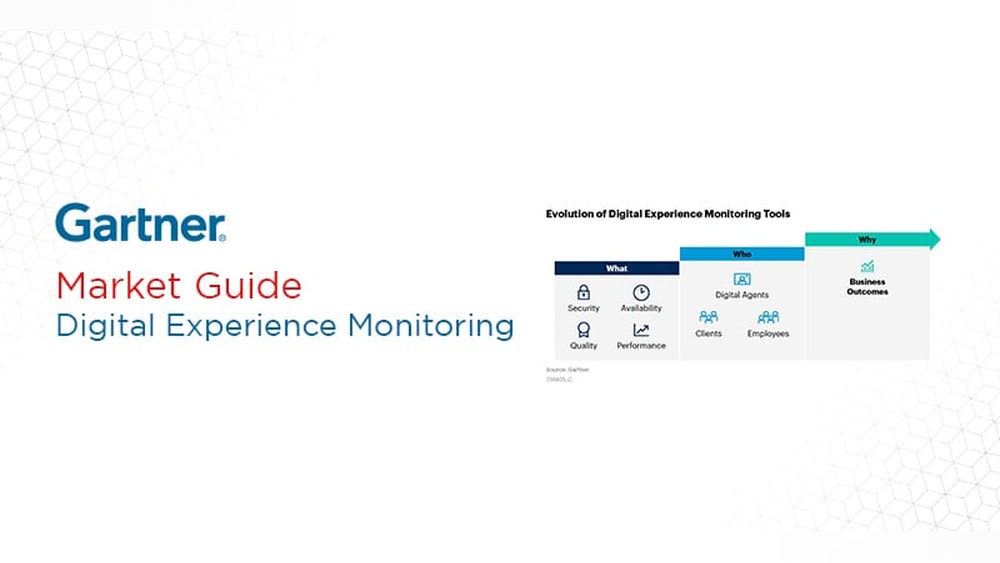
If you want to stay ahead in delivering flawless digital experiences, understanding Gartner’s Market Guide for Digital Experience Monitoring (DEM) is a must. This guide sheds light on the tools and strategies that help you track and improve how users interact with your digital services.
Imagine being able to spot issues before your customers even notice them, ensuring your applications run smoothly every time. You’ll discover how DEM can transform your approach to performance monitoring, boost user satisfaction, and align your IT efforts with your business goals.
Ready to unlock the secrets behind seamless digital experiences? Keep reading to learn how Gartner’s insights can help you make smarter decisions for your digital future.

Credit: www.7signal.com
Digital Experience Monitoring Basics
Digital Experience Monitoring (DEM) helps businesses track how users interact with digital services. It focuses on spotting issues that affect the user experience. DEM collects data from many sources to give a clear view of performance. This helps IT teams fix problems fast and keep users happy.
Understanding the basics of DEM is key to improving digital services. Several methods work together to monitor real users, simulate actions, check applications, watch devices, and combine data. Each method offers unique insights that help maintain smooth digital experiences.
Real User Monitoring
Real User Monitoring (RUM) tracks actual user actions on websites or apps. It shows how users interact and reveals real performance problems. RUM helps identify slow pages, errors, or crashes that affect users. This data reflects true user experiences and guides improvements.
Synthetic Transaction Monitoring
Synthetic Transaction Monitoring (STM) uses automated scripts to mimic user actions. It runs tests regularly to catch issues before real users see them. STM checks login processes, searches, or purchases to ensure they work well. This proactive approach helps prevent downtime and errors.
Application Performance Monitoring
Application Performance Monitoring (APM) analyzes how software runs behind the scenes. It finds bottlenecks, crashes, or slowdowns in applications. APM helps developers fix code and improve app speed. This ensures users get smooth and responsive digital services.
Endpoint Monitoring
Endpoint Monitoring keeps an eye on user devices like phones, laptops, and desktops. It checks device health and network connections. Endpoint issues can cause slow or broken experiences. Monitoring endpoints helps IT fix problems on the user side quickly.
Data Integration
Data Integration combines information from RUM, STM, APM, and endpoints. It creates a full picture of digital performance. This unified data helps spot patterns and root causes of issues. Integration makes monitoring more effective and supports faster problem-solving.

Credit: www.paloaltonetworks.com
Core Features In Gartner’s Guide
The future of Digital Experience Monitoring (DEM) is evolving rapidly. New technologies and strategies are shaping how businesses track and improve user experiences. Innovations in AI, data collection, and user-focused metrics are leading this transformation. These trends will help companies act faster and make better decisions to enhance digital interactions.
Ai And Automation
Artificial intelligence is becoming a key part of DEM tools. AI can analyze vast amounts of data quickly. It spots patterns and predicts issues before users notice them. Automation helps fix problems automatically, reducing downtime. This means IT teams can focus on bigger tasks. AI-driven insights lead to faster problem-solving and smoother user experiences.
Expanded Data Sources
DEM will use more data sources in the future. Beyond apps and networks, it will include IoT devices and cloud platforms. This broader view gives a clearer picture of user experiences. It helps identify hidden issues across different systems. Collecting data from multiple points improves accuracy. Businesses gain deeper understanding of how users interact with digital services.
User-centric Metrics
Future DEM tools will focus more on user-centric metrics. These measure how users feel and behave during their interactions. Metrics like user satisfaction and engagement will become standard. This shift ensures monitoring reflects real user experiences, not just technical performance. It helps companies prioritize fixes that matter most to users. User-centric data drives better decisions for digital service improvements.
Credit: www.nexthink.com
Frequently Asked Questions
Is Gartner Better Than Mckinsey?
Gartner excels in technology and IT research, while McKinsey specializes in management and business strategy. Choose based on your specific research needs.
What Is Digital Experience Monitoring?
Digital Experience Monitoring (DEM) tracks and analyzes user interactions with digital services. It helps detect, diagnose, and fix performance issues to ensure smooth user experiences. DEM combines real user data and simulated tests to optimize applications, networks, and devices from the end-user’s perspective.
What Is A Gartner Market Guide?
A Gartner Market Guide helps buyers identify key vendors and trends in specific technology markets. It offers expert analysis and market insights.
Who Is Gartner’s Biggest Competitor?
Gartner’s biggest competitor is Forrester Research. Both provide technology market analysis and advisory services.
Conclusion
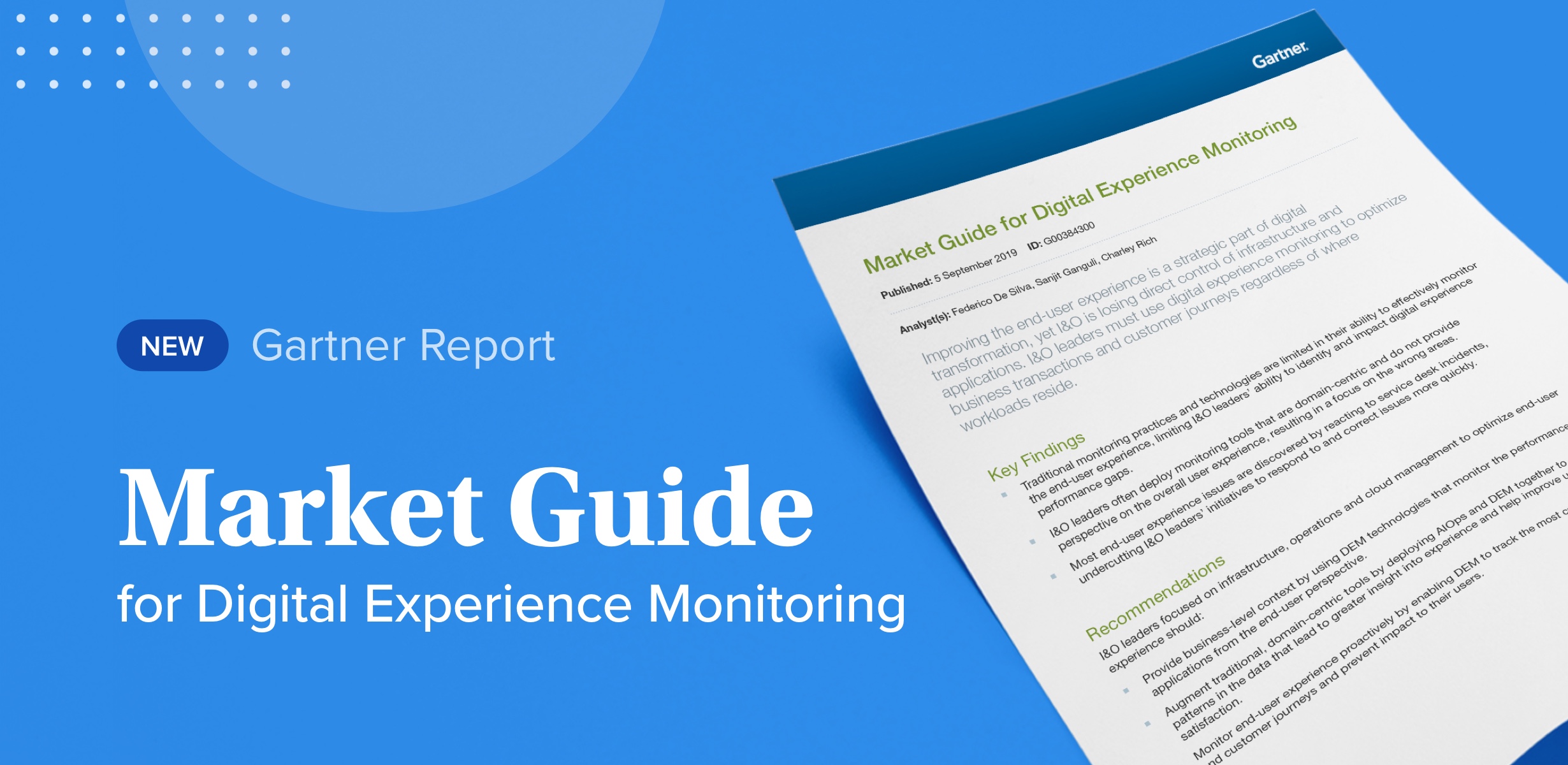
Gartner’s Market Guide for Digital Experience Monitoring helps businesses understand key tools. It highlights ways to track real user interactions and test system performance. Using this guide, companies can find solutions to prevent problems early. This leads to better service and happier users.
Staying informed about DEM trends supports smarter technology decisions. Keep monitoring digital experiences to improve overall business success.