Are you looking to boost your business or connect better with your audience? Email marketing might be the secret weapon you need.
It’s a powerful tool that can help you reach the right people, build trust, and drive sales—all without breaking the bank. But to make it work, you need to know what really matters. You’ll discover the key things about email marketing that can change the way you communicate with your customers.
Ready to unlock the potential of your inbox? Let’s dive in.
Credit: optinmonster.com
Email Marketing Basics
Email marketing is one of the easiest ways to reach your audience directly. It allows businesses to send messages straight to people’s inboxes. This method helps build relationships, share news, and promote offers. Understanding the basics is important before starting any email campaign.
Learning how email marketing works can save time and money. It also improves communication with customers. The key is to know why it matters and what types of emails to send. This knowledge helps create effective campaigns that people want to read.
Why Email Marketing Matters
Email marketing offers a direct line to customers. It reaches people who have shown interest in your brand. This means your messages are more likely to be read. Emails also allow personalized content, making customers feel valued.
It is cost-effective compared to other marketing channels. You can send many emails at a low price. Results are easy to measure, helping improve future campaigns. Email marketing keeps your brand visible and builds trust over time.
Types Of Email Campaigns
There are several types of email campaigns to explore. Newsletters share updates, tips, or company news regularly. Promotional emails highlight special offers or new products to boost sales.
Welcome emails greet new subscribers and introduce your brand. Transactional emails confirm purchases or provide important account information. Each type has a unique role in keeping your audience engaged.
Building Your Email List
Building your email list is a key step in email marketing. A strong list helps you reach the right people. It also grows your business steadily. Focus on attracting real subscribers who want your messages. Quality matters more than quantity.
Effective Lead Magnets
Lead magnets attract people to sign up. Offer something valuable for free. Examples include ebooks, checklists, or discount codes. Keep the offer relevant to your audience’s interests. Make it simple and easy to get. Clear value encourages more sign-ups.
List Segmentation Strategies
Segmentation divides your list into smaller groups. Group people by interests, behavior, or location. Tailor emails to each segment’s needs. This approach increases engagement and opens rates. Send relevant content to keep subscribers interested.
Crafting Compelling Emails
Crafting compelling emails is essential for successful email marketing. Great emails grab attention and invite readers to act. They must be clear, simple, and relevant to the audience. Every part of the email matters—from the subject line to the design and personal touches.
Writing Engaging Subject Lines
The subject line is the first thing readers see. It must be short and catchy. Use words that create curiosity or urgency. Avoid spammy phrases like “free” or “buy now.” Personalize the subject line by including the reader’s name or location. Test different subject lines to see which works best.
Design Tips For Better Emails
Good design makes emails easy to read on any device. Use clear fonts and a clean layout. Include white space to avoid clutter. Use images that support your message but keep file sizes small. Make buttons large and easy to tap. Make sure your email looks good on both phones and computers.
Personalization Techniques
Personalization increases engagement and builds trust. Use the recipient’s name in the greeting and subject line. Tailor content based on past purchases or interests. Segment your email list to send relevant offers. Simple changes make emails feel more personal and less like spam.
Timing And Frequency
Timing and frequency play a big role in email marketing success. Sending emails at the right time can increase open rates and engagement. Too many emails can annoy subscribers and cause them to unsubscribe. Finding the perfect balance matters.
Best Times To Send Emails
Emails sent during weekdays often perform better. Tuesday, Wednesday, and Thursday are popular days. Morning hours, between 9 AM and 11 AM, tend to get more attention. Early afternoon, around 1 PM to 3 PM, also works well. Avoid late evenings and weekends when people check emails less.
Avoiding Email Fatigue
Sending too many emails can tire your audience. People may ignore or delete your messages. Keep a consistent schedule but limit emails to one or two per week. Monitor how your audience responds. Adjust frequency based on their engagement levels. Quality content matters more than quantity.
Analyzing Email Performance
Analyzing email performance helps improve your email marketing efforts. It shows what works and what does not. This way, you can send better emails that get more attention. Understanding the results helps you connect with your audience more effectively.
Tracking important data points lets you see how people respond. Testing different ideas helps find the best approach. Both steps are crucial for growing your email list and boosting engagement.
Key Metrics To Track
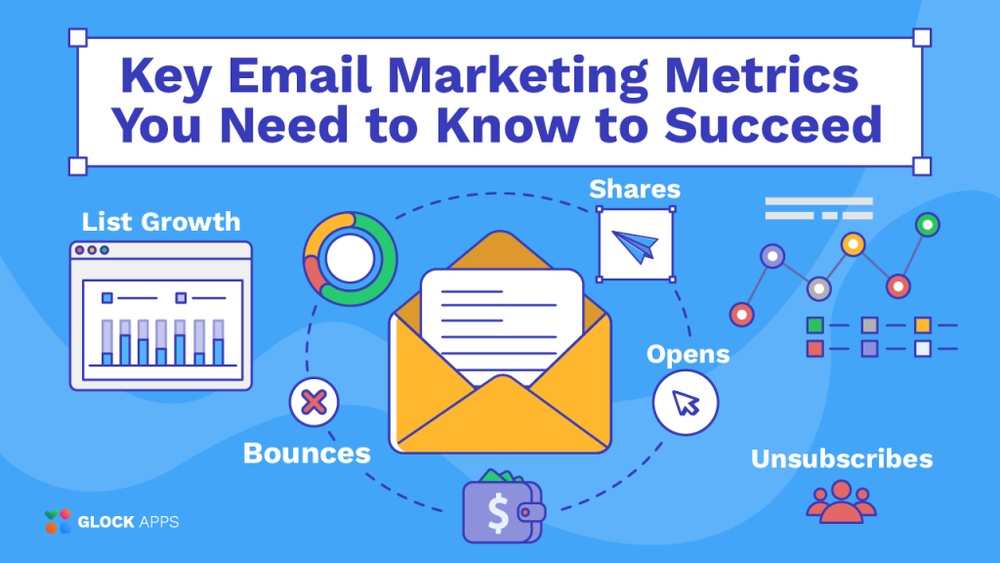
Open rate measures how many people open your email. It shows if your subject line is interesting. Click-through rate tells how many click the links inside. This reveals if your content is useful or engaging.
Bounce rate counts emails that failed to deliver. A high bounce rate can hurt your reputation. Unsubscribe rate shows how many stop receiving your emails. Keeping this low means your audience likes your messages.
Using A/b Testing
A/B testing compares two versions of an email. One small change can be tested at a time. This might be the subject line, images, or call to action. Sending these to a small group shows which works best.
After testing, send the better version to your full list. This helps improve open and click rates over time. Testing regularly keeps your emails fresh and effective.
Compliance And Deliverability
Email marketing success depends on two key factors: compliance and deliverability. Compliance means following the laws about sending emails. Deliverability means making sure your emails reach the inbox, not the spam folder. Both affect how well your campaigns perform and your brand’s reputation.
Understanding these aspects helps avoid legal problems and improves your chances of connecting with your audience. Let’s explore how to keep your emails compliant and ensure they arrive safely.
Avoiding Spam Filters
Spam filters block unwanted emails from reaching inboxes. To avoid them, use clear subject lines and avoid spammy words. Keep your email list clean by removing inactive addresses. Use a reliable email service provider to improve delivery rates. Test your emails before sending to check if they land in spam. Make your content relevant and valuable to readers. This increases engagement and reduces spam complaints.
Following Legal Requirements
Follow laws like CAN-SPAM, GDPR, and others depending on your location. Always get permission before sending emails. Include a clear unsubscribe link in every email. Provide your physical mailing address. Identify the email as an advertisement if it is one. Keep records of consent from your subscribers. Respect privacy and handle data carefully. Breaking these rules can lead to fines and damage your reputation.
Advanced Email Marketing Tips
Advanced email marketing moves beyond basic newsletters and promotions. It uses smart techniques to save time and boost results. These tips help you connect better with your audience and increase engagement. Focus on automation and combining email with other marketing channels for best outcomes.
Automation And Drip Campaigns
Automation sends emails automatically based on user actions or schedules. It saves time and keeps your audience engaged without manual work. Drip campaigns deliver a series of emails over time. They guide subscribers step-by-step through your message or offer. This approach builds trust and encourages users to take action. Set up triggers like sign-ups, purchases, or clicks to start these campaigns.
Integrating With Other Channels
Combine email marketing with social media, websites, and ads. This creates a unified experience for your audience. Share email sign-up links on social platforms to grow your list. Use website data to personalize email content. Promote your email campaigns through ads for wider reach. Integration helps reinforce your message and improves overall marketing success.

Credit: glockapps.com

Credit: www.campaignmonitor.com
Frequently Asked Questions
What Is Email Marketing And How Does It Work?
Email marketing is a digital strategy using emails to promote products or services. It targets specific audiences for engagement and conversions.
Why Is Email Marketing Important For Businesses?
Email marketing boosts brand awareness, drives sales, and builds customer loyalty. It offers high ROI and direct communication with customers.
How Can I Create An Effective Email Marketing Campaign?
Focus on clear goals, quality content, personalized messages, and strong calls-to-action. Test and analyze results for continuous improvement.
What Are The Best Tools For Email Marketing?
Popular tools include Mailchimp, Constant Contact, and Sendinblue. They offer automation, templates, analytics, and audience segmentation.
Conclusion
Email marketing helps you reach customers directly and clearly. It builds trust and keeps people interested in your brand. Consistency and good content make emails effective. Testing and learning from results improve your messages. Stay honest and respect your readers’ time.
Small steps lead to better connections and growth. Start simple, keep trying, and watch your efforts pay off.