Imagine checking your email while sipping coffee, waiting for a bus, or lounging on your couch. It’s all possible because of mobile devices.
They have revolutionized the way we access information, including emails. But what does this mean for email marketing? As someone navigating the ever-changing landscape of digital marketing, understanding this shift is crucial for you. How have mobile devices influenced the way you design and deliver email campaigns?
Are your strategies keeping pace with this change? This article will unveil the impact mobile devices have on email marketing, offering insights that could transform your approach and boost your engagement. Prepare to learn how to harness the power of mobile devices to enhance your email marketing efforts. Don’t miss out on these game-changing tips that could elevate your strategy to new heights!
Rise Of Mobile Email Usage
Mobile devices have changed email marketing. People check emails on phones and tablets more than on computers. This shift means emails must be easy to read on small screens to reach more people.
The rise of mobile email usage has transformed the landscape of email marketing. With the increasing reliance on smartphones, emails are now more accessible than ever. This shift has opened new doors for marketers, offering opportunities to reach audiences instantly and directly. You might check your emails during breakfast, or while waiting for a bus. This habit has turned mobile email into a powerful tool for engagement.Growth Of Smartphone Adoption
Smartphones have become an indispensable part of our daily lives. Their adoption rate has skyrocketed, with millions now owning a device. This widespread usage means more people are checking their emails on-the-go.Think about how often you use your phone to read emails compared to a desktop computer. Your habits reflect a larger trend that marketers can leverage. With smartphones, emails can be viewed anywhere, anytime, making it crucial for marketers to optimize emails for mobile users.Increase In Mobile Email Apps
Mobile email apps have surged in popularity, offering convenience and accessibility. Applications like Gmail, Outlook, and others are designed for mobile use, ensuring you can easily access your inbox.These apps also come with features that enhance user experience, like instant notifications. This means your audience can read your emails immediately. Have you ever noticed how quickly you react to an email notification on your phone?This instant access challenges marketers to craft compelling subject lines that grab attention. It’s not just about reaching inboxes; it’s about being seen and read. Are your emails optimized for this fast-paced environment?Understanding these trends can guide your email marketing strategy. Focus on mobile-friendly designs, clear calls to action, and concise content. How are you adjusting your approach to meet the demands of mobile-savvy consumers?Changes In Consumer Behavior
Mobile devices have transformed email marketing by making it more accessible. People now check emails on phones anytime, anywhere. This shift requires marketers to optimize content for smaller screens, ensuring emails are easy to read and engaging.
The proliferation of mobile devices has dramatically transformed consumer behavior, especially in how we interact with emails. With smartphones and tablets in nearly every pocket, checking emails is no longer a task reserved for sitting at a desk. It’s part of our daily routine, integrated into every idle moment. This shift has significant implications for email marketing strategies, demanding a keen understanding of how consumer habits have evolved.Shift To On-the-go Reading
More people now read emails while commuting, waiting in line, or during brief breaks throughout the day. This means your emails need to capture attention quickly and be easily digestible on smaller screens.Think about your own experience—how often do you scroll through emails while sipping coffee or waiting for a meeting to start? It’s crucial for marketers to design emails that load quickly, have clear headlines, and offer immediate value.Consider testing your emails on various devices to ensure they provide a seamless experience no matter where or when they’re read.Preference For Shorter Content
With the rise of mobile email checking, there’s a noticeable trend towards shorter, more concise content. Readers want to grasp your message at a glance without sifting through lengthy paragraphs.Imagine receiving an email that feels like a novel when you’re just trying to get a quick update. It’s frustrating and often results in a swift delete.To keep your audience engaged, break down your content into bite-sized chunks. Use bullet points, bold text for emphasis, and clear calls-to-action.What’s the main takeaway you want your reader to have? Make sure it’s front and center.By adapting to these changes in consumer behavior, you can create email campaigns that resonate with your audience and drive the desired action.Are you ready to rethink how you approach email marketing in this mobile-first world?Mobile-friendly Design
The surge in mobile devices has transformed email marketing. Emails now need to be mobile-friendly to engage readers effectively. Quick loading times and easy navigation enhance user experience on small screens.
In today’s digital age, mobile-friendly design is no longer optional—it’s essential. With the surge in mobile device usage, the way people access emails has transformed dramatically. An email that looks great on a desktop might be unreadable on a smartphone. Ensuring your emails are mobile-friendly can make the difference between a message that gets read and one that gets trashed. But what does mobile-friendly really mean for email marketing?###Responsive Email Templates
Responsive email templates are the backbone of mobile-friendly design. They automatically adjust to fit the screen size, whether it’s a smartphone, tablet, or desktop. This means your content remains accessible and visually appealing, no matter where it’s viewed.Imagine receiving an email where you have to pinch and zoom just to read the text. Frustrating, right? That’s why responsive templates are crucial. They ensure your message is clear and easy to engage with, reducing the chance of your audience giving up in annoyance.###Importance Of Readable Fonts
Readable fonts are a small detail with a big impact. On a small screen, complex or tiny fonts can be a major turn-off. You don’t want your reader squinting to understand your message.Choose fonts that are clear and large enough to read without strain. A size of at least 14 pixels is often recommended for mobile devices. By prioritizing readability, you ensure your message is delivered effectively, enhancing the overall user experience.Consider this: how many emails have you deleted simply because reading them felt like a chore? Ensuring your fonts are reader-friendly can significantly improve email engagement rates.So, are your emails mobile-friendly? If not, it’s time to rethink your design strategy. Embracing responsive templates and readable fonts can transform how your audience interacts with your content. Are you ready to make the change?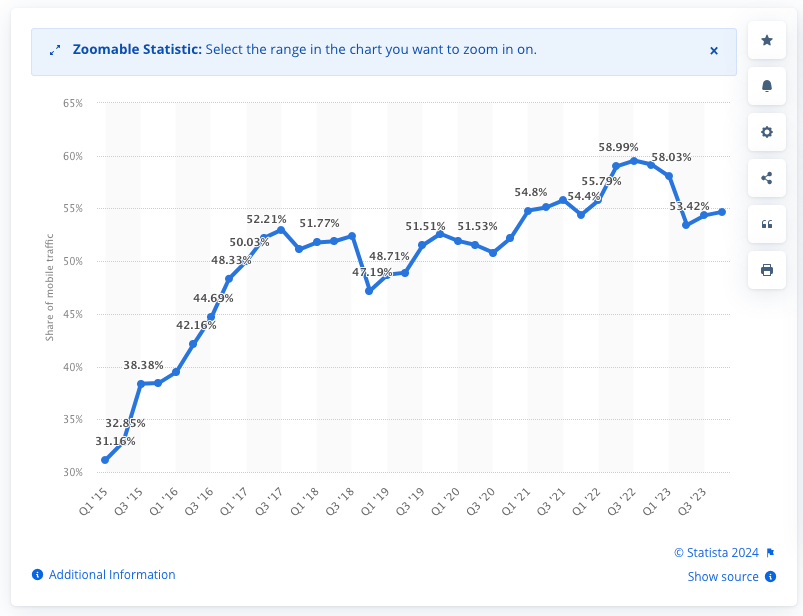
Credit: www.smartinsights.com
Email Marketing Strategies
As mobile devices become more common, email marketing strategies need to adapt. People check emails on phones and tablets more often now. This change affects how marketers design their campaigns. It’s crucial to consider personalization, timing, and frequency in these strategies. Let’s explore these elements in more detail.
Personalization Techniques
Personalized emails grab attention. Use the recipient’s name in the subject line. Tailor the content to their interests and past behaviors. Mobile users appreciate direct and relevant messages. Analyze data to offer personalized product recommendations. This approach increases engagement and response rates.
Timing And Frequency Adjustments
Email timing matters. Mobile users check emails at different times than desktop users. Study your audience’s habits to find the best time to send emails. Avoid sending too many emails. Frequent messages can annoy recipients. Maintain a balance to keep subscribers interested. Adjust strategies based on feedback and performance.
Role Of Analytics
The rise of mobile devices has transformed email marketing. Analytics now play a vital role. They help marketers understand user behavior and improve campaigns. Mobile analytics provide insights into how emails perform on phones and tablets. This data guides decisions to enhance user experience.
Tracking Mobile Engagement
Tracking mobile engagement reveals how users interact with emails on phones. Marketers can see which devices are used most. They can also determine the time users spend reading emails. This information helps tailor content to mobile users. Engaging visuals and concise text work best on small screens. Analytics show which emails get more clicks and responses. This helps refine strategies for better results.
Optimizing For Open Rates
Analytics are key to optimizing open rates for mobile emails. They reveal which subject lines attract attention. Short and direct lines perform better on mobile. Time of day impacts open rates too. Analytics help find the best time to send emails. Testing different times and days provides valuable insights. Adjusting send times can increase visibility and engagement. Consistently high open rates lead to more conversions.
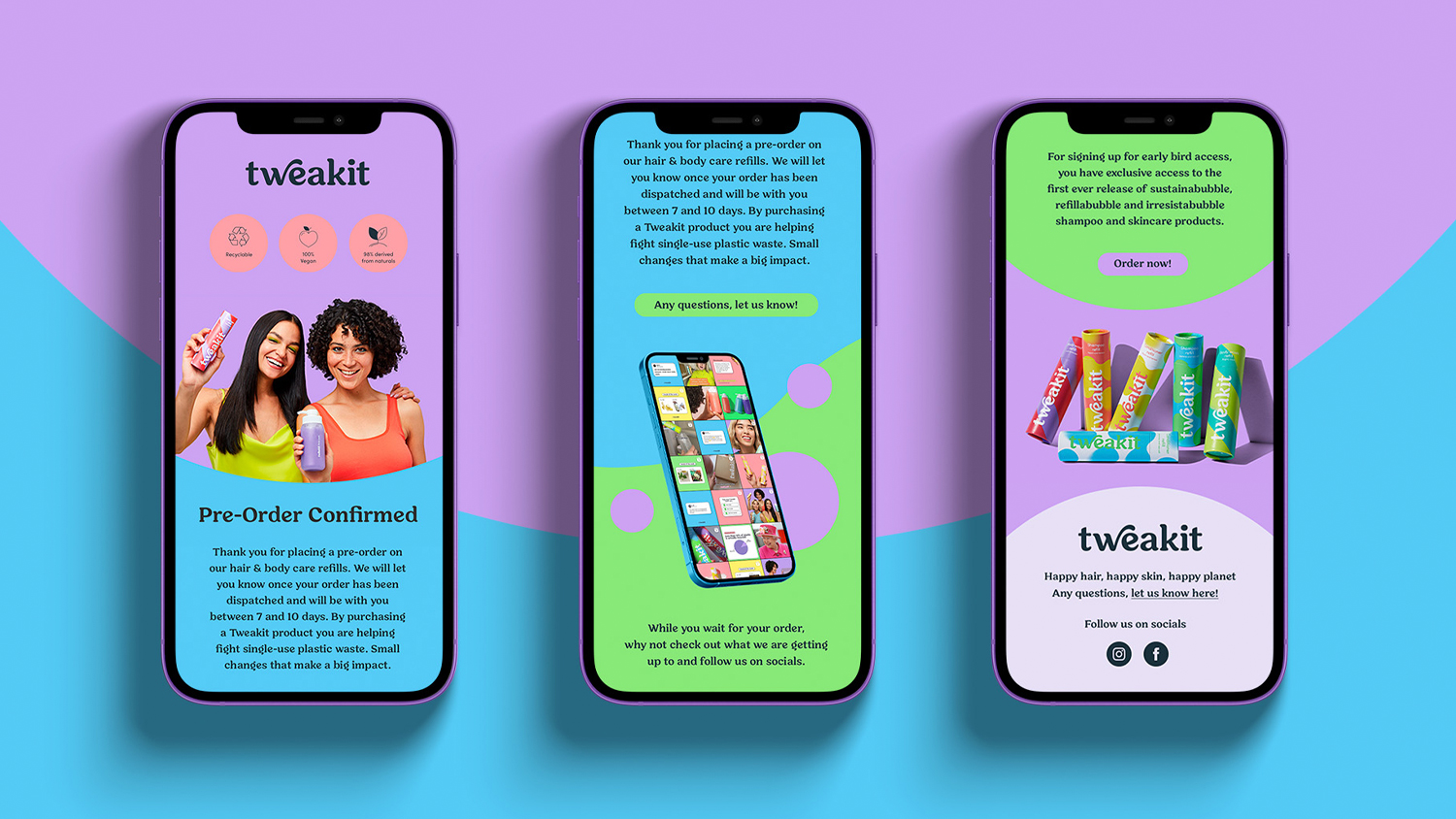
Credit: www.cake.agency
Impact On Deliverability
Mobile devices have changed email marketing. People now check emails on phones and tablets more than ever. This shift means emails must be mobile-friendly to reach audiences effectively.
The proliferation of mobile devices has transformed how we engage with emails, significantly impacting deliverability. With smartphones and tablets now accounting for a substantial portion of email opens, marketers face new challenges in ensuring their messages land in the inbox rather than the spam folder. The surge in mobile usage has necessitated a reevaluation of email strategies, focusing on how deliverability can be optimized in this mobile-first world.Challenges With Spam Filters
Navigating spam filters has become more challenging with increased mobile email usage. These filters are designed to protect users from unwanted emails, but they often mistakenly classify legitimate marketing emails as spam. Imagine the frustration of crafting the perfect email, only for it to end up unseen in the spam folder.Spam filters today are smarter and more vigilant. They scrutinize emails for keywords, sender reputation, and even past engagement rates. You must ensure your emails are optimized to pass these filters, which can be a daunting task.Think about your own inbox. How often do you check your spam folder for misplaced emails? Probably not very often, which highlights the importance of getting it right the first time.Strategies For Inbox Placement
To improve inbox placement, focus on building a strong sender reputation. Consistently sending valuable content helps establish trust with both your audience and email providers. It’s like building a relationship—consistency and relevance are key.Consider segmenting your email lists to deliver more personalized content. This approach not only increases engagement but also signals to spam filters that your emails are wanted. The more your audience interacts with your emails, the less likely they are to be flagged as spam.Another effective strategy is to maintain a clean email list. Regularly remove inactive subscribers to improve your open rates. This simple action can significantly enhance your deliverability and ensure your emails reach the intended audience.How often do you review and clean your email lists? Ensuring your list is up-to-date can be the difference between a successful campaign and one that misses the mark.In the world of mobile email marketing, understanding and adapting to deliverability challenges is crucial. By implementing these strategies, you can ensure your emails not only reach your audience but also engage them effectively.Future Trends
Mobile devices changed how people check emails. Brands now design emails to fit small screens. This means shorter messages and clear visuals. Mobile-friendly emails help businesses connect better with users.
The world of email marketing is rapidly evolving, especially with the proliferation of mobile devices. Understanding future trends is crucial if you want to stay ahead of the curve. These trends will guide how businesses engage with their audiences in a more personalized and effective way. Get ready to explore how integration with mobile apps and advancements in AI and automation are reshaping the landscape.Integration With Mobile Apps
Mobile apps have become central to our daily lives. They offer a unique platform to connect with your audience where they spend most of their time. Imagine receiving an email about a sale and instantly being able to access the app for a seamless shopping experience.By integrating emails with mobile apps, you enhance user engagement. You can direct readers from an email to an app with just one click. This simplicity encourages more interaction and can significantly boost conversion rates.Are you leveraging this trend in your email marketing strategy? If not, it’s time to consider the possibilities. Think about how you can make your emails more interactive and connected to your app.Advancements In Ai And Automation
AI and automation are not just buzzwords; they are transforming email marketing. They allow you to tailor your emails to each recipient’s preferences and behaviors. Consider how personalized recommendations in emails can increase engagement.Automation tools can handle repetitive tasks, freeing up your time for creativity. You can schedule emails to be sent at optimal times for each user. This ensures your message reaches your audience when they’re most likely to read it.Imagine the efficiency of a system that learns from every interaction to improve future campaigns. AI can analyze data to provide insights on what works best. Are you ready to let AI take your email marketing to the next level?Incorporating these trends doesn’t have to be overwhelming. Start small and build upon your successes. The future of email marketing is bright, and with mobile devices in nearly every hand, your opportunities are limitless.
Credit: gorevity.com
Frequently Asked Questions
How Has The Proliferation Of Mobile Devices Affected It Professionals?
The proliferation of mobile devices has increased demand for mobile security and app development. IT professionals now manage diverse devices and platforms. They face challenges in ensuring data security and seamless connectivity. Mobile technology evolution requires continuous learning and adaptation.
Why Is Optimization For All Devices Important For Email Marketing?
Optimizing for all devices ensures emails are accessible and visually appealing on smartphones, tablets, and desktops. This enhances user experience, boosts engagement, and increases conversion rates, as recipients can easily read and interact with your content, regardless of their device.
It helps maximize your email marketing effectiveness.
Why Is It Important For Permission To Be Gained Before Marketing By Email Or Mobile To A Prospect?
Gaining permission ensures compliance with laws and builds trust. It increases engagement and reduces spam complaints, enhancing marketing effectiveness.
Conclusion
Mobile devices are reshaping email marketing. They demand mobile-friendly designs. Emails must be clear and concise. Quick loading and easy reading. This boosts engagement and response rates. Marketers need to adapt strategies. Focus on mobile users. Test emails on different devices.
Analyze user data for insights. Tailor content accordingly. By understanding mobile trends, marketers stay competitive. Email marketing evolves with technology. Embrace change for better results. Keep messages relevant and engaging. Mobile is the future of communication. Stay ahead by optimizing email campaigns.