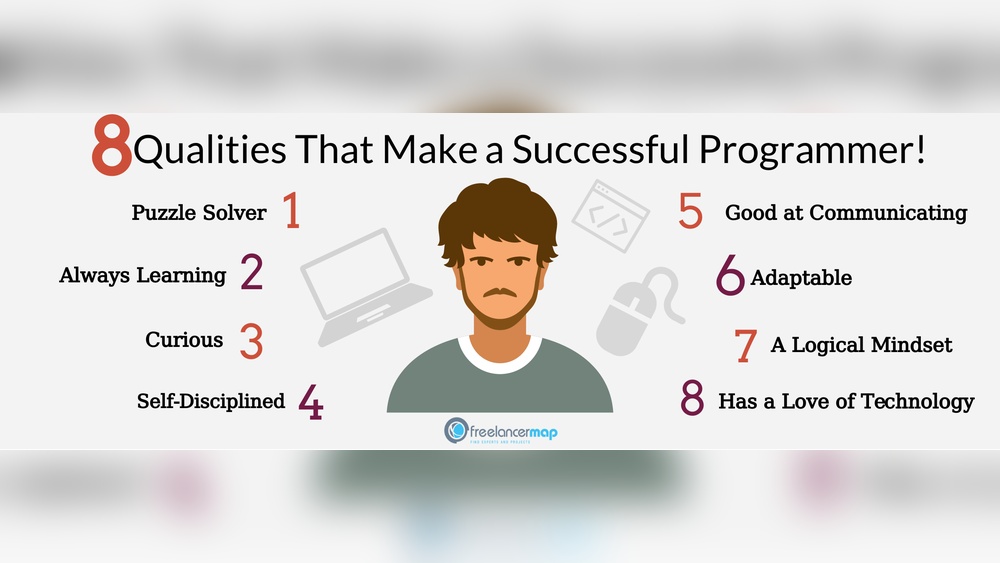
Becoming a highly skilled programmer is a journey marked by continuous learning, rigorous practice, and a commitment to craft. Whether you’re just starting out or have years of experience, the pursuit of excellence in programming is both challenging and rewarding. Demand for top-tier programming talent has never been higher, with the tech industry powering everything from finance and healthcare to entertainment and education. The traits that set great programmers apart, however, extend well beyond technical skills, they include adaptability, communication, and a growth mindset.
This article unpacks the essential habits, strategies, and mindsets that define a good programmer. Drawing on industry research, real-world examples, and practical advice, it provides a blueprint for developing the skills, behaviors, and attitudes necessary for success. Whether you aspire to build innovative products, contribute to open-source projects, or lead development teams, mastering these principles will position you at the forefront of your field.
Key Takeaways
- Continuous learning and practical application are fundamental to programming excellence.
- Effective communication and teamwork are as critical as coding proficiency.
- Writing readable, maintainable code leads to long-term project success.
- Mastering debugging and testing is essential for delivering robust software.
- Embracing constructive feedback and a growth mindset accelerates professional development.

Credit: www.scalablepath.com
Foundational Skills Every Good Programmer Needs
Aspiring programmers often focus on learning the latest frameworks or languages. However, the foundation for becoming a genuinely good programmer lies in mastering core skills that transcend any single technology stack.
Problem-solving And Logical Thinking
At its heart, programming is about solving problems. Good programmers break complex problems into manageable pieces, analyze requirements, and devise efficient solutions. This skill is honed by:
- Practicing algorithmic challenges (e.g., LeetCode, HackerRank)
- Analyzing and improving legacy codebases
- Tackling real-world problems in side projects
A 2026 report by Stack Overflow found that developers who dedicated time to algorithm practice were 25% more likely to advance to senior roles (Stack Overflow Developer Survey).
Proficiency In Core Programming Languages
While trendy languages come and go, deep knowledge of at least one foundational language (such as Python, Java, or C++) is crucial. This includes understanding:
- Language syntax and idioms
- Standard libraries and frameworks
- Performance considerations and best practices
Mastery of a primary language provides a strong base from which to learn others, as most core concepts are transferable.
Understanding Data Structures And Algorithms
Efficient code isn’t just about getting the job done, it’s about doing it well. Data structures and algorithms underpin nearly every aspect of programming. Good programmers understand when and why to use:
- Arrays, linked lists, trees, and hash maps
- Sorting and searching algorithms
- Complexity analysis (Big O notation)
Mastering these concepts enables you to write code that scales and performs reliably in production.
Familiarity With Development Tools
Modern software development relies on a suite of powerful tools. Proficiency with:
- Version control (e.g., Git)
- Debugging tools
- Integrated Development Environments (IDEs)
- Build and deployment pipelines
Not only accelerates development but also improves collaboration and code quality.

Credit: www.waca.or.jp
Writing Clean, Maintainable Code
The ability to write code that others can understand, maintain, and extend is a defining trait of a good programmer. Clean code reduces technical debt, eases onboarding, and facilitates collaboration.
The Principles Of Clean Code
Clean code is:
- Readable: Easy to follow for you and others
- Consistent: Adheres to naming conventions and formatting standards
- Simple: Avoids unnecessary complexity
Robert C. Martin’s book “Clean Code” is a seminal reference for these principles.
Naming Conventions And Code Structure
Clear, descriptive naming for variables, functions, and classes enhances readability. Following style guides (such as PEP 8 for Python or Google’s Java Style Guide) ensures consistency.
Example:
# Bad
def f(x):
return x * 2
# Good
def double_value(number):
return number * 2
Commenting And Documentation
While clean code should largely explain itself, well-placed comments clarify intent, especially for complex logic. Comprehensive documentation is vital for:
- Onboarding new team members
- API usability
- Maintaining large codebases
Pro Tip: Focus on *why* the code does something, not *what* it does, let the code itself describe the “what.”
Refactoring And Code Reviews
Regular refactoring prevents code rot and adapts codebases to new requirements. Code reviews, meanwhile, offer an opportunity for knowledge sharing and quality assurance.
A 2026 study published in the ACM found that code reviews reduced defects by 35% and increased team productivity by 20%.
Coding Standards And Linting Tools
Automated tools such as linters and formatters enforce coding standards and catch common mistakes early. Popular options include ESLint for JavaScript and Black for Python.
| Tool | Language | Primary Function |
|---|---|---|
| ESLint | JavaScript | Linting/Style Checking |
| Black | Python | Code Formatting |
| Pylint | Python | Linting/Style Checking |
| Prettier | JavaScript/TypeScript | Code Formatting |
Mastering Debugging And Testing
No code is perfect on the first try. The best programmers excel not only at writing code but at finding and fixing bugs efficiently.
Systematic Debugging Techniques
Effective debugging starts with a methodical approach:
- Reproduce the bug reliably.
- Isolate the problematic code.
- Use debuggers and logging to inspect program state.
- Formulate and test hypotheses.
- Implement and verify the fix.
In my experience, keeping a logbook of bugs and their solutions accelerates learning and prevents repeated mistakes.
Writing Automated Tests
Automated testing ensures your code works as intended and guards against regressions. Good programmers write:
- Unit tests (test individual functions/classes)
- Integration tests (test module interactions)
- End-to-end tests (test user workflows)
Test-driven development (TDD) is a practice where tests are written before code. While not always feasible, it can lead to better-designed, more robust software.
Using Testing Frameworks
Modern languages offer robust testing frameworks:
- Python: Pytest, unittest
- JavaScript: Jest, Mocha
- Java: JUnit
These frameworks automate test execution and reporting.
Embracing Continuous Integration
Continuous Integration (CI) systems automatically run tests on every code change. This practice reduces bugs reaching production and supports fast, safe delivery.
Popular CI tools include:
- GitHub Actions
- Jenkins
- Travis CI
Example: Debugging In Production
A SaaS company discovered a memory leak impacting users. By methodically analyzing logs, using heap profilers, and collaborating across teams, they identified a resource mismanagement issue. The fix not only stabilized the product but also reduced cloud costs.
Credit: blog.programminghub.io
Effective Communication And Teamwork
Programming is rarely a solo endeavor. The most impactful programmers are those who communicate clearly, collaborate effectively, and contribute positively to their teams.
Writing Clear Documentation
Good documentation is a force multiplier. It includes:
- README files for projects
- API documentation
- Design documents for complex systems
Pro Tip: Treat documentation as a first-class citizen, update it alongside code changes.
Code Reviews And Constructive Feedback
Participating in code reviews exposes you to new ideas and fosters a culture of quality. Give feedback that is:
- Specific: Reference lines or concepts
- Respectful: Focus on code, not individuals
- Actionable: Suggest concrete improvements
Collaborative Tools And Workflows
Teams thrive with effective tools and workflows:
- Version control systems (e.g., Git) for tracking changes
- Issue trackers (e.g., Jira, GitHub Issues) for managing tasks
- Chat platforms (e.g., Slack, Microsoft Teams) for real-time collaboration
| Tool | Purpose | Notable Feature |
|---|---|---|
| Git | Version Control | Branching/Merging |
| Jira | Issue Tracking | Custom Workflows |
| Slack | Team Communication | Integrations |
Navigating Conflict And Building Trust
Disagreements are inevitable. Good programmers handle them by:
- Listening actively
- Focusing on shared goals
- Seeking compromise when necessary
Building trust within a team leads to better outcomes and more enjoyable work.
Lifelong Learning And Professional Growth
Technology evolves rapidly. The best programmers are those who embrace lifelong learning and adapt to change.
Staying Current With Industry Trends
Monitor reputable sources such as:
- Official language documentation
- Technical blogs (e.g., Martin Fowler, CSS-Tricks)
- News aggregators (e.g., Hacker News, Reddit r/programming)
Engage in continuous learning through online courses, conferences, and workshops.
Open Source Contribution
Contributing to open-source projects accelerates learning and builds reputation. Benefits include:
- Exposure to real-world codebases
- Opportunities to receive feedback from experienced developers
- Networking with the global programming community
Example: Many developers have secured jobs by showcasing their open-source contributions on GitHub.
Attending Meetups And Conferences
Networking with peers and industry leaders expands your knowledge and opportunities. Local meetups, hackathons, and major conferences (like PyCon or Google I/O) are invaluable for:
- Discovering new tools and techniques
- Finding mentors and collaborators
- Staying inspired
Pursuing Certifications And Advanced Degrees
While not mandatory, certifications (e. g. , AWS Certified Developer) or advanced degrees can deepen expertise and open doors to specialized roles.
Example: Career Growth Through Learning
A developer started with self-taught web development, then pursued a computer science degree and participated in open source. By continuously learning and sharing knowledge, they rose to a lead engineer role within five years.
Building Strong Problem Decomposition And Design Skills
Great programmers excel at breaking down complex challenges and designing robust solutions.
Requirements Gathering And Analysis
Understanding project requirements is critical. This involves:
- Engaging stakeholders to clarify needs
- Documenting user stories and acceptance criteria
- Identifying constraints and dependencies
Pro Tip: Don’t start coding until requirements are clear and agreed upon.
System Design Fundamentals
Good programmers can design systems that are:
- Scalable: Handle growth in users and data
- Maintainable: Easy to extend and support
- Reliable: Tolerant of failures
Key concepts include modularity, separation of concerns, and use of design patterns.
Using Diagrams And Visual Models
Visual representations (UML diagrams, flowcharts, ERDs) aid understanding and communication. Tools like Lucidchart or draw. io are popular for creating these artifacts.
Example: Decomposing A Large Feature
When tasked with building a recommendation engine, a team broke the problem into:
- Data collection
- Algorithm selection
- Integration with the user interface
- Performance optimization
This approach allowed parallel workstreams and reduced delivery time.
Cultivating The Right Attitude And Mindset
Technical prowess alone doesn’t make a great programmer. Attitude and mindset are equally important.
Embracing The Growth Mindset
According to psychologist Carol Dweck, individuals with a growth mindset believe abilities can be developed through dedication and effort. Good programmers:
- View challenges as opportunities
- Learn from mistakes and feedback
- Persist through setbacks
Practicing Patience And Perseverance
Programming often involves trial and error. Patience and resilience help you navigate debugging, complex projects, and shifting requirements.
Balancing Perfectionism With Pragmatism
While striving for quality is important, excessive perfectionism can delay progress. Good programmers know when code is “good enough” to ship and improve iteratively.
Maintaining Work-life Balance
Burnout is a real risk in the tech industry. Setting boundaries and prioritizing self-care are essential for sustained performance.
Example: Learning From Failure
A developer invested weeks in optimizing a feature that was ultimately removed due to a shift in business priorities. Instead of frustration, they reflected on the experience, documented lessons learned, and adjusted their workflow for better alignment with stakeholders in future projects.
Leveraging Online And Offline Resources
A wealth of resources is available to support programming growth, from classic textbooks to vibrant online communities.
Books And Publications
Timeless programming books include:
- “Clean Code” by Robert C. Martin
- “The Pragmatic Programmer” by Andrew Hunt and David Thomas
- “Design Patterns” by Erich Gamma et al.
These references provide foundational knowledge and best practices.
Online Platforms And Communities
Engage with platforms such as:
- Stack Overflow for Q&A
- GitHub for code sharing and collaboration
- FreeCodeCamp and Codecademy for structured learning
Joining online forums and Discord groups can provide support and motivation.
Coding Bootcamps And Formal Education
For those seeking structured learning, bootcamps and degree programs offer intensive training. Each path has unique advantages:
| Option | Duration | Cost | Outcome |
|---|---|---|---|
| Self-Taught | Flexible | Low/Free | Portfolio/Experience |
| Bootcamp | 3-6 months | $$, $$$ | Job-Ready Skills |
| University Degree | 2-4 years | $$$, $$$$ | Comprehensive Foundation |
Utilizing Official Documentation
Official documentation is often the most accurate and up-to-date source of information. For instance, the Python Documentation is a model of clarity and completeness.
Example: Community Support
A developer struggling with a cryptic error turned to Stack Overflow, where a community member provided a clear explanation and solution. This not only fixed the issue but deepened the developer’s understanding of the language.
Frequently Asked Questions
What Are The Most Important Non-technical Skills For Programmers?
Beyond technical expertise, communication, time management, and empathy are critical non-technical skills. Strong communication ensures you can explain complex ideas to both technical and non-technical stakeholders. Time management helps you juggle competing priorities and deadlines. Empathy allows you to understand user needs, collaborate effectively with team members, and build products that genuinely solve problems.
How Can I Measure My Progress As A Programmer?
Track your progress by setting tangible goals and regularly reflecting on your achievements. Maintain a portfolio of completed projects, note improvements in code quality, and seek feedback from peers and mentors. Participating in code reviews, contributing to open source, and solving progressively harder algorithmic challenges are also strong indicators of growth.
Should I Specialize In One Language Or Become A Polyglot?
Both approaches have merit. Specializing deeply in one language can make you an expert and open doors to roles requiring advanced knowledge. However, learning multiple languages broadens your perspective and equips you to choose the best tool for the job.
Many successful programmers start with one core language, then branch out as needed for projects or career advancement.
How Do I Stay Motivated During Challenging Projects?
Staying motivated requires breaking large tasks into smaller, manageable pieces and celebrating small wins. Remember your long-term goals, connect with supportive peers, and seek variety by alternating between different types of programming tasks. Taking regular breaks and maintaining a healthy work-life balance are also key to sustained motivation.
Are Coding Bootcamps Worth It Compared To Self-teaching?
Coding bootcamps offer structured, intensive learning with a clear path to job readiness, making them valuable for those who thrive in guided environments or want to switch careers quickly. Self-teaching is more flexible and affordable, but requires discipline and resourcefulness. Your choice should depend on your learning style, career goals, and available resources.
Becoming a good programmer is a marathon, not a sprint. By focusing on core skills, writing maintainable code, embracing testing, and nurturing the right mindset, you set yourself up for a fulfilling and impactful career. Stay curious, keep building, and remember that excellence is achieved through steady, deliberate practice.