You’re crafting a marketing email and every detail matters. The subject line grabs attention, the body holds it, but how you sign off can leave a lasting impression—or not.
You might wonder, does the sign-off really make a difference? Absolutely. It’s your final handshake, the last chance to reinforce your brand identity and connect with your audience. By choosing the right words, you can strengthen relationships and encourage action.
Imagine your email as a conversation; the sign-off is your closing remark. Will it be memorable? Will it inspire action? Dive into this article to discover how a powerful sign-off can elevate your marketing emails from good to great.

Credit: sloovi.com
Crafting A Memorable Closing
Crafting a memorable closing for a marketing email can boost engagement. The final words leave a lasting impression on your reader. A well-chosen closing can increase the chances of a positive response. It also strengthens the connection with your audience. Let’s explore key elements to create a closing that resonates.
Choosing The Right Words
Words matter in crafting your email’s closing. Choose words that evoke emotions or prompt action. Simple phrases like “Thank you” or “Best regards” convey warmth. For an inviting touch, try “Looking forward to hearing from you.” Personalize your closing to fit the context. Tailor it to reflect the email’s purpose.
Aligning With Brand Voice
Your closing should mirror your brand’s voice. If your brand is casual, opt for a friendly tone. Use language that reflects your brand’s personality. A formal brand might prefer “Sincerely.” A playful brand can use “Cheers” or “Stay awesome.” Consistency strengthens brand identity. Align the closing with the overall message.
Consistency builds trust with your audience. It reinforces your brand’s image. Ensure the closing maintains coherence with the rest of the email.

Credit: sloovi.com
Personalization Techniques
Crafting a personalized sign-off in marketing emails creates a lasting impression. Use the recipient’s name and a friendly tone. Add a call-to-action to encourage engagement.
Personalization in marketing emails is more than just a trend; it’s a necessity. It makes your message resonate with your audience by showing you understand their needs and preferences. Yet, how do you achieve that level of connection? Let’s look at some effective personalization techniques that can significantly enhance your email sign-offs.Segmenting Your Audience
Segmenting your audience means dividing your email list into smaller groups based on certain criteria. This could be based on their interests, purchase history, or even geographic location. By doing this, you can tailor your email sign-offs to appeal to specific groups.Imagine receiving an email that speaks directly to your needs. It feels like it was crafted just for you. This is the power of segmentation. Not only does it increase engagement, but it also builds a stronger relationship with your audience.How do you segment effectively? Start by analyzing your data. Look for common traits or behaviors among your subscribers. Then, create segments and draft sign-offs that cater to each group’s unique characteristics.Using Recipient’s Name
Adding a recipient’s name to your email sign-off is one of the simplest yet most powerful personalization techniques. It turns a generic message into a personal note. When people see their name, it grabs their attention and makes them feel valued.Think about the emails you enjoy opening. Chances are, they address you by name. This small touch can dramatically increase the likelihood of your email being read and remembered.To implement this, ensure your email platform supports dynamic fields that automatically insert the recipient’s name. Test it to ensure it works seamlessly. It’s a tiny change with a big impact, fostering a sense of familiarity and trust.Personalization isn’t just a strategy; it’s an expectation. Are you meeting it in your marketing emails? By segmenting your audience and using their names, you’re taking steps to ensure your emails aren’t just seen but are felt.Creating A Call To Action
Creating a call to action in a marketing email is crucial. It guides your reader towards taking the desired action. A compelling call to action can increase engagement and conversions. To ensure effectiveness, focus on clear language and direct requests. Your call to action should stand out and be easy to understand.
Encouraging Engagement
Encouragement boosts email response rates. Invite your reader to respond or explore your offer. Use simple phrases like “Join us” or “Learn more now”. These phrases prompt curiosity and interest. Engagement grows when readers feel personally invited. Use direct language to make them feel involved. Personal connections increase interaction.
Offering Incentives
Incentives motivate readers to act quickly. Consider including discounts or exclusive deals. Phrases like “Get 20% off today” or “Exclusive offer for subscribers” work well. These offers create urgency. They encourage immediate responses. People love rewards. Make your incentives clear and appealing. This approach increases engagement and conversions.
Credit: www.constantcontact.com
Incorporating Social Proof
Incorporating social proof in your marketing email sign-off can boost trust. People often rely on others’ opinions when making decisions. By showcasing real experiences, you can make your message more credible. Readers feel more confident choosing your service or product. Social proof gives them reassurance.
Testimonials And Reviews
Testimonials provide a direct voice from satisfied customers. Include a short quote from a happy client. It adds authenticity to your email. Choose testimonials that highlight key benefits of your service. Readers connect with real stories. Reviews also play a vital role. They offer unbiased opinions. Including them can increase your credibility. Make sure to use genuine reviews from reliable sources.
Showcasing Case Studies
Case studies tell a detailed success story. They show how you solved a problem. Include a brief overview in your email. Highlight the challenges faced and the solutions provided. Readers appreciate concrete evidence of success. A well-presented case study can be persuasive. It provides a clear picture of your capabilities. Share results and improvements that clients achieved with your help.
Design Elements In Sign-off
Crafting a marketing email’s sign-off requires thoughtful design elements. A clear, friendly tone ensures the message resonates. Personal touches and visual cues enhance engagement, leaving a lasting impression.
Design elements play a crucial role in the effectiveness of your email sign-off. A well-crafted sign-off not only reinforces your brand identity but also leaves a lasting impression on the recipient. Think of it as the final handshake in a digital conversation. You want it firm, memorable, and reflective of your unique style. So, how can you achieve this with design? Let’s dive into some key elements.Choosing Fonts And Colors
The right font can convey professionalism or playfulness, depending on your brand’s voice. A sleek, modern font might suit a tech company, while a more whimsical style might fit a creative agency. Experiment with different options and see which aligns with your brand’s personality.Colors also carry a lot of weight in your sign-off. They can evoke emotions and reinforce your brand identity. Sticking to your brand’s color palette ensures consistency and makes your emails instantly recognizable. Have you noticed how a particular shade can bring a brand to mind? That’s the power of color.Utilizing Graphics
Graphics can make your sign-off pop. A simple logo or icon can add a professional touch. Remember to keep it subtle; you don’t want to overshadow the message of your email.Consider using a small, tasteful image that reflects your brand. A travel agency might use a tiny airplane icon, while a culinary business might opt for a fork or spoon. These little details can make your sign-off memorable and engaging.Adding your photo can also personalize your sign-off. It reminds your recipient there’s a real person behind the email. This can be particularly effective in relationship-focused industries where personal connections matter. Wouldn’t you feel more inclined to respond to an email from a friendly face?By carefully choosing fonts, colors, and graphics, you create a sign-off that not only looks good but also resonates with your audience. What design elements will you experiment with next?Testing And Analyzing Performance
Crafting an effective sign-off for marketing emails involves testing and analyzing performance metrics. Choose clear and friendly language that aligns with your brand voice. Evaluate different sign-off styles to identify what resonates best with your audience, optimizing engagement and response rates.
Testing and analyzing the performance of your marketing emails is crucial for refining your strategy and achieving better results. This process helps you understand what resonates with your audience and what doesn’t, enabling you to craft more effective emails over time. By focusing on specific strategies like A/B testing and interpreting key email metrics, you can gain actionable insights to enhance your email marketing efforts.A/b Testing Strategies
A/B testing involves sending two different versions of an email to a small segment of your audience to see which performs better. You might test different sign-off lines, subject lines, or call-to-action buttons. A simple test could be comparing “Best regards” with “Cheers” to see which resonates more with your audience.Once you’ve collected enough data, analyze which version received more opens or clicks. This information provides a clear direction on what your audience prefers. Implement the more successful sign-off in future emails to potentially increase engagement rates.Interpreting Email Metrics
Understanding email metrics is essential to measure the success of your campaigns. Key metrics include open rates, click-through rates (CTR), and conversion rates. If your emails are being opened but not clicked, your sign-off or call-to-action might need tweaking.Use tools like Google Analytics or your email platform’s built-in analytics to track these numbers. Look for patterns in the data. Are certain sign-offs consistently leading to higher conversions? Adjust your strategy accordingly to keep improving.Remember, testing and analyzing isn’t a one-time task. The digital landscape is always evolving, and so are your audience’s preferences. Continually test and refine your emails to stay ahead of the curve. What worked last month might not work today, so keep experimenting to find what truly connects with your readers.Do you have a favorite sign-off that always seems to work? Or one that failed miserably? Share your experiences in the comments below!Legal Considerations
Understanding legal considerations is crucial for marketing emails. Legal compliance protects your business and builds trust. This section covers key legal aspects. It ensures your emails respect regulations and privacy.
Compliance With Regulations
Marketing emails must comply with laws. The CAN-SPAM Act in the U.S. is vital. It requires clear sender information and unsubscribe options. Violations can lead to penalties. GDPR in Europe demands strict consent. It focuses on user rights and data protection. Ensure your emails follow these rules.
Privacy Concerns
Privacy is a major concern for email recipients. Collect only necessary data. Always obtain clear consent before using personal information. Be transparent about data usage. Protect user data with strong security measures. Assure recipients their data is safe. This builds trust and loyalty.
Frequently Asked Questions
What Is A Good Sign-off For A Business Email?
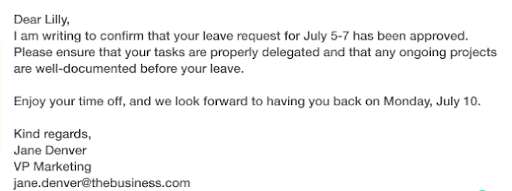
A good business email sign-off includes “Best regards,” “Sincerely,” or “Kind regards. ” These are professional and widely accepted. Tailor your choice to your relationship with the recipient. Keep it consistent with your brand’s tone for a cohesive communication style.
What Is A Good Closing Line For A Business Email?
A good closing line for a business email includes gratitude and a call to action. Use phrases like “Thank you for your time,” “Looking forward to your response,” or “Best regards. ” These convey professionalism and encourage future communication, enhancing your email’s effectiveness and engagement.
How Do You Sign The End Of A Business Email?
End a business email with a professional closing like “Best regards,” “Sincerely,” or “Kind regards. ” Follow this with your full name and contact information. This approach maintains professionalism and clarity, ensuring a positive impression.
Conclusion
Crafting the perfect email sign-off strengthens your marketing message. Choose words that align with your brand’s tone. A friendly, professional close leaves a lasting impression. Keep it simple and clear. Personalize when possible; it builds trust with readers. Test different styles to see what works best.
Consistency is key in building brand recognition. Stay authentic to connect with your audience. Remember, the right sign-off can enhance your email’s impact. Focus on clarity and relevance. Your sign-off is the final touch to your marketing email. Use it wisely to foster engagement and loyalty.