Imagine sending out countless emails and not knowing how effective they truly are. This is where understanding conversion rate in email marketing becomes crucial for you.
Conversion rate is the magic number that tells you how many of your email recipients take the desired action, whether it’s making a purchase, signing up for a webinar, or downloading a resource. Grasping this concept can be the game-changer for your email campaigns, transforming them from mere messages into powerful tools that drive results.
Curious to learn how you can boost your conversion rates and make every email count? Keep reading to unlock strategies that will revolutionize your email marketing efforts.

Credit: www.mailmunch.com
Conversion Rate Basics
Conversion rate measures how many recipients of an email perform the desired action, like making a purchase. It’s crucial for evaluating the effectiveness of email marketing campaigns. High conversion rates indicate successful engagement and targeted messaging.
Email marketing is a powerful tool for businesses to reach their audience directly. But how do you know if your emails are doing their job? This is where understanding conversion rate basics comes in. A strong grasp of conversion rates can be the difference between a campaign that just sends emails and one that drives real results. Let’s break it down and see why it matters.Defining Conversion Rate
Conversion rate in email marketing is the percentage of recipients who take a desired action after opening your email. This action could be anything from making a purchase, signing up for a webinar, or downloading a resource. To calculate it, divide the number of people who completed the action by the total number of emails delivered, then multiply by 100.Imagine you send an email to 1,000 people, and 50 of them make a purchase. Your conversion rate would be 5%. Knowing this percentage helps you understand how well your emails are performing.Importance In Email Marketing
Why should you care about conversion rates? They give you direct insight into your audience’s engagement. A high conversion rate means your message resonates, while a low rate might mean it’s time to tweak your strategy.Think about your own email inbox. How often do you click on something, let alone make a purchase? It’s a challenge to capture attention. By focusing on conversion rates, you ensure your efforts are not just noise but effective communication.Testing different subject lines, content, and calls-to-action can improve your conversion rates. What works for one audience might not work for another. Be curious and experiment to find what drives your audience to act.Are you tracking your conversion rates? If not, start today. It’s your roadmap to understanding what works in your email marketing strategy.Calculating Conversion Rate
Understanding how to measure the success of email campaigns is vital. The conversion rate in email marketing gives clear insight. It shows how many subscribers take desired actions. Calculating this rate helps refine strategies and boost performance.
Essential Metrics
To calculate the conversion rate, some key metrics are needed. First, track the number of emails delivered. This is different from emails sent, as not all reach inboxes. Next, record how many emails got opened. This shows engagement levels. Then, count the number of clicks on links within the email. Finally, track the number of conversions. This is the number of subscribers who completed the desired action.
Step-by-step Calculation
Begin with the number of conversions. Divide this by the number of delivered emails. Then, multiply the result by 100. This gives the conversion rate percentage. For example, if 50 out of 1,000 delivered emails led to conversions, the conversion rate is 5%.
Calculating this rate helps identify what works best. It highlights successful strategies and areas needing improvement. Regular analysis ensures ongoing growth and success.
Factors Influencing Conversion
Understanding the factors that influence conversion rates in email marketing is key. Different elements can significantly impact how well your emails perform. These elements range from subject lines to the effectiveness of your call-to-action. Let’s delve into these components to see how they can enhance your email marketing strategy.
Subject Lines And Open Rates
The subject line is the first thing recipients see. It can make or break your email campaign. A compelling subject line increases open rates. It should be clear and intriguing. Avoid complex words that might confuse your audience. Make it short and engaging. This encourages more people to open your email.
Email Content And Design
Once the email is opened, content quality is crucial. Clear and concise content keeps readers engaged. Use short paragraphs and bullet points for easy reading. The design should be clean and professional. Visual appeal matters. Ensure images and text are balanced. This helps maintain interest and reduce bounce rates.
Call-to-action Effectiveness
The call-to-action (CTA) guides readers on what to do next. A strong CTA boosts conversion rates. It should be visible and straightforward. Use action words to encourage clicks. Phrases like “Learn More” or “Sign Up” work well. Make sure it stands out visually. A good CTA can significantly enhance email performance.
Credit: www.mageworx.com
Strategies To Improve Conversion
Conversion rate in email marketing measures how many recipients take the desired action after opening an email. Improving conversion involves crafting engaging subject lines, personalized content, and clear calls to action. Analyze metrics and test different strategies to boost effectiveness and increase subscriber engagement.
When you aim to boost conversion rates in email marketing, adopting the right strategies can make all the difference. Imagine sending out emails that not only reach your audience but also compel them to act. It’s about getting into the mindset of your reader and making every email count. So, how can you transform your email campaigns from average to outstanding? Here are some effective strategies you can try.Segmentation And Personalization
Understanding your audience is key to increasing conversions. Consider how much more engaging an email feels when it speaks directly to you and addresses your specific needs. By segmenting your email list, you can target different groups with relevant content. For instance, if you’re an online retailer, segment your audience based on purchase history or browsing behavior. This personalized approach can significantly enhance engagement and lead to higher conversion rates.A/b Testing Tactics
Testing different elements of your emails can reveal what works best for your audience. Have you ever wondered if a different subject line might increase your open rates? With A/B testing, you can find out. Try sending two versions of an email to a small segment of your audience. One with a short, punchy subject line and another with a more detailed one. Analyze which version performs better, then roll out the winner to your entire list. This data-driven approach allows you to continually refine your strategy.Optimization Of Send Times
Timing can dramatically impact the effectiveness of your emails. Think about your own experience—when are you most likely to check and respond to emails? It might be during a morning coffee break or in the late afternoon. By analyzing your audience’s habits, you can optimize send times to ensure your emails hit inboxes at the right moment. This increases the likelihood of your message being seen and acted upon. Experiment with different send times and measure the results to find the sweet spot for your audience.By embracing these strategies, you can craft emails that not only reach your audience but resonate with them. What changes will you make in your next campaign to improve your conversion rates?Analyzing Conversion Data
Analyzing conversion data in email marketing is crucial. It helps understand how well campaigns perform. This analysis reveals what engages recipients. By focusing on conversion rate, marketers can refine strategies. This leads to more successful campaigns and better results.
Tools And Platforms
Various tools help analyze conversion data. Google Analytics is popular among marketers. It tracks user activity and conversions. MailChimp offers detailed reports on email engagement. These platforms provide valuable insights into campaign performance. They help identify which emails drive conversions.
Interpreting Results
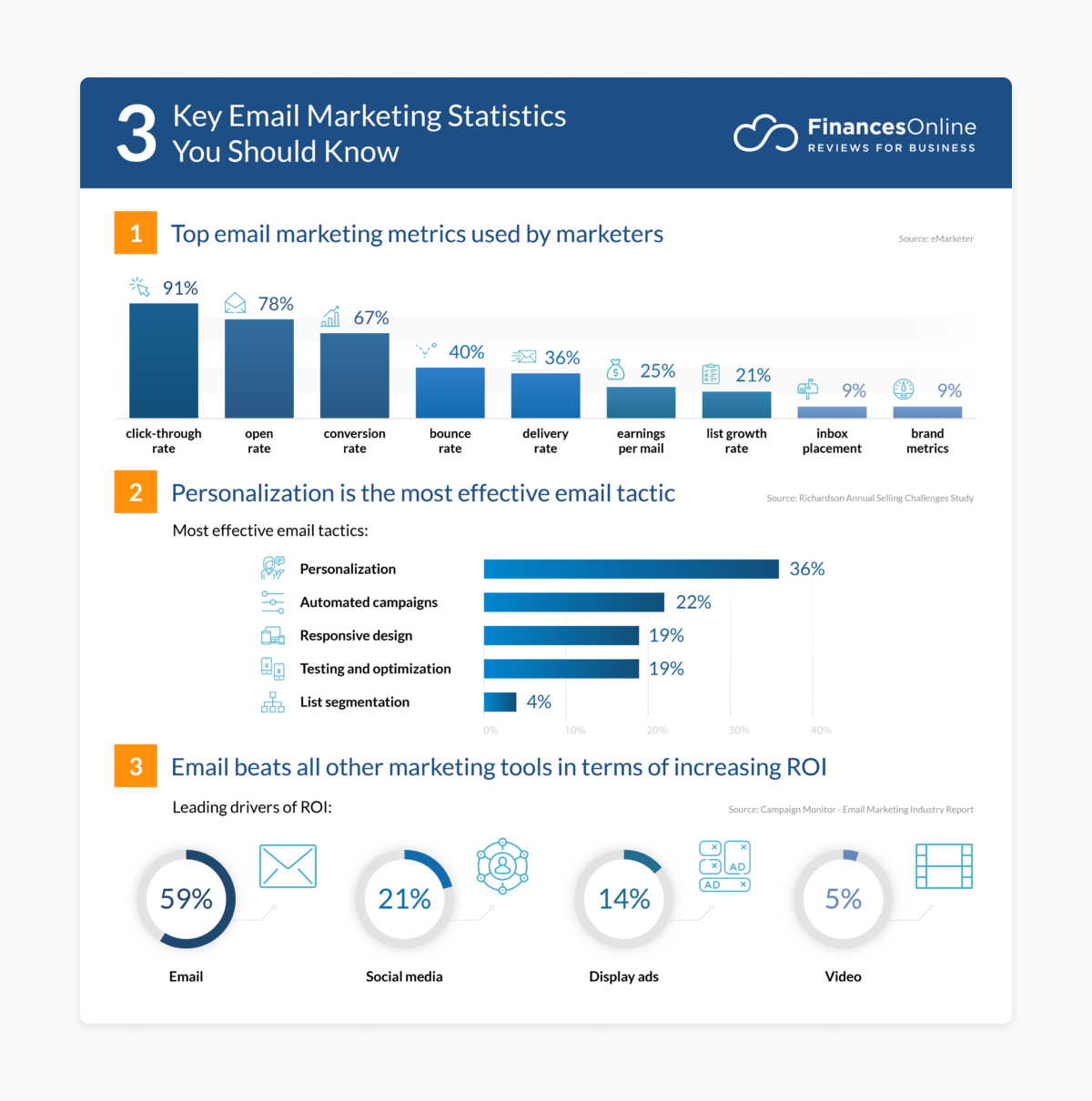
Interpreting conversion data requires careful examination. Look at click-through rates and open rates first. High rates show strong engagement. Low rates indicate potential issues. Analyze which links generate the most clicks. This reveals what interests your audience. Compare conversion rates over time for trends. Adjust your strategy based on these insights.
Common Pitfalls
Understanding conversion rate in email marketing helps improve campaign success. Common pitfalls include ignoring subject lines and complicated calls to action. These errors confuse recipients, reducing effectiveness. Keeping messages clear and concise ensures higher engagement and improved conversion rates.
When it comes to email marketing, understanding conversion rates is crucial. Yet, many marketers find themselves stumbling over common pitfalls that hinder their success. These missteps can drastically reduce the effectiveness of your campaigns, leaving you frustrated and your audience disengaged. Let’s delve into some of these pitfalls and how you can sidestep them to boost your conversion rates.Avoiding Spam Traps
Spam traps are like hidden landmines in the world of email marketing. They are designed to catch senders who aren’t following best practices, often leading to email deliverability issues. Have you ever noticed your open rates plummeting for no apparent reason? You might be caught in a spam trap.To avoid these, ensure your email list is clean and permission-based. Regularly update your list by removing inactive subscribers. Use double opt-in methods to confirm the interest of your audience. This not only prevents spam traps but also keeps your list engaged and interested.Overcoming Low Engagement
Low engagement is the silent killer of email marketing conversion rates. It’s a signal that your audience isn’t connecting with your content. This can be disheartening, especially if you’ve spent time crafting what you thought was a compelling message.Consider segmenting your audience to send more targeted emails. Personalization can dramatically increase engagement. Instead of sending a one-size-fits-all message, tailor your content to the specific needs and interests of different segments.Ask yourself, are you speaking directly to your audience’s needs? Experiment with A/B testing to determine what resonates best with them. Sometimes, even small changes in the subject line or email timing can significantly impact engagement rates.By addressing these pitfalls head-on, you can improve your conversion rates and create more successful email marketing campaigns. Remember, it’s not just about reaching your audience but engaging them in a way that inspires action. How will you adjust your strategy to overcome these common challenges?Success Stories
Conversion rate in email marketing measures how many recipients take action after opening an email. It shows how effective your emails are at encouraging readers to make a purchase or sign up. Understanding this rate helps improve email strategies and boost engagement with your audience.
In the world of email marketing, hearing about others’ successes can be incredibly motivating. Success stories not only inspire but also provide valuable insights that you can apply to your own campaigns. By examining these stories, you can uncover strategies that led to impressive conversion rates, offering a roadmap to achieving your marketing goals.Case Studies Of High Conversions
One standout example involves a small e-commerce business that significantly boosted its conversion rate by personalizing its email content. They segmented their email list based on customer preferences, sending targeted offers that resonated with each group. This simple strategy led to a 30% increase in sales over just three months.Another success story is a non-profit organization that doubled its donor conversion rate. By crafting compelling storytelling emails that highlighted the impact of donations, they engaged their audience emotionally. This approach not only increased donations but also fostered long-term relationships with donors.Lessons Learned
From these case studies, it’s clear that personalization and emotional engagement are key drivers of high conversion rates. Segmenting your audience and tailoring your message can make your emails more relevant and appealing.Yet, it’s not just about the tactics. Consistent testing and analyzing what works for your specific audience is crucial. What if you tried personalizing your subject lines or testing different call-to-action buttons?Success stories remind us that small changes can lead to big results. Are you ready to implement these insights and see how they transform your conversion rates? By learning from others, you can craft emails that not only reach inboxes but also resonate with readers.
Credit: www.mayple.com
Frequently Asked Questions
What Is A Conversion Rate In Email Marketing?
A conversion rate in email marketing measures the percentage of recipients who take a desired action. This action could be making a purchase, signing up for a webinar, or downloading a resource. A higher conversion rate indicates more effective email campaigns, improving overall marketing performance.
What Is A Conversion Rate In Marketing?
A conversion rate measures the percentage of visitors who complete a desired action. It calculates actions like purchases or sign-ups divided by total visitors. High conversion rates indicate effective marketing strategies. Optimizing this metric boosts business performance and revenue.
What Is A Good Ctr For Email Marketing?
A good CTR for email marketing typically ranges between 2% to 5%. This rate indicates effective audience engagement. Improve CTR by crafting compelling subject lines, personalized content, and clear call-to-action. Regularly analyze campaign performance to optimize strategies and enhance email marketing results.
Is 40% A Good Email Open Rate?
A 40% email open rate is considered above average and a positive indicator of engagement. It suggests your subject lines and email content are effectively capturing your audience’s attention. Aim to maintain or improve this rate by consistently delivering relevant and valuable content.
Conclusion
Understanding conversion rates in email marketing is crucial. They measure how well emails turn recipients into customers. A low rate? It means your emails need improvement. A high rate? You’re on the right track. Focus on clear calls to action.
Personalize content for your audience. Track your results regularly. These steps help boost your conversion rate. Stay consistent with your strategy. Keep learning from analytics. Adjust your approach as needed. Improving conversion rates takes time and effort. But with persistence, email marketing can be very effective.