
Are you curious about the power of email marketing but unsure where to start? You’re not alone.
Email marketing is a tool that can drive impressive results for your business. Imagine reaching your audience directly in their inbox, with messages tailored just for them. Sounds effective, right? But knowing where to begin and what works can be tricky.
That’s why we’re here to guide you through real-life examples that showcase the success of email marketing. By the end of this article, you’ll not only understand what email marketing is but you’ll also be inspired to craft your own campaigns that connect and convert. Dive in, and unlock the secrets to engaging your audience effectively!
Email Marketing Basics
Email marketing is a powerful tool in the digital landscape. It’s like sending a friendly letter to your audience’s inbox, offering them value and insights. Understanding the basics of email marketing is crucial to leveraging its potential for your business. Let’s dive into what makes email marketing tick, starting with its definition and purpose.
Definition And Purpose
Email marketing involves sending emails to a group of people to promote products, share news, or build relationships. It’s not just about advertising; it’s about connecting with your audience on a personal level. The purpose is simple: to engage, inform, and convert. Whether you’re launching a new product or nurturing leads, emails are your direct line to customers.
Imagine receiving an email that feels like it was written just for you. That’s the magic of personalized content. It can be a newsletter with tips and tricks or a special offer tailored to your interests. The goal is to make each recipient feel valued and understood.
Key Benefits
Why should you invest time in email marketing? First, it offers an impressive return on investment. You can reach a large audience at a low cost. It’s like sending one message that speaks to thousands, all with the click of a button.
Email marketing is also highly measurable. You can track who opened your emails, what they clicked on, and how they responded. This data helps you refine your strategy and deliver better content. It’s like having a conversation where you get feedback instantly.
Think about the last time you checked your inbox. Chances are, you opened an email because it interested you. That immediate access to potential customers is invaluable. With email marketing, you’re engaging people where they spend time daily.
As you consider email marketing, ask yourself: What can you offer your audience that makes them want to open your email? Reflect on your personal experiences with emails that grabbed your attention. How can you replicate that success for your business?

Credit: mailbakery.com
Crafting Effective Email Campaigns
Email marketing examples show how businesses connect with audiences through personalized messages. These campaigns include newsletters, product updates, and special promotions tailored to engage and inform subscribers. Crafting effective emails involves understanding customer needs and delivering relevant content.
Crafting effective email campaigns is an art. It’s more than just sending out messages. It’s about creating connections and driving action. Understanding the key elements helps you achieve success. Let’s explore the essential components of effective email campaigns.Audience Segmentation
Segment your audience for better results. Group your contacts based on interests, location, or behavior. This helps you send relevant content to each group. Tailored messages increase engagement and conversions.Personalization Strategies
Personalize every email you send. Use the recipient’s name in the greeting. Customize content based on past interactions. Personalized emails make recipients feel valued. They are more likely to respond positively.Compelling Subject Lines
Craft subject lines that grab attention. Keep them short and to the point. Use action words to encourage opens. Avoid spammy language. A strong subject line boosts open rates and engagement.Types Of Email Marketing Campaigns
Discover the various types of email marketing campaigns, such as newsletters, promotional emails, and welcome series. Each type serves a unique purpose, targeting specific audience needs and driving engagement. These examples highlight effective strategies to connect with customers and enhance brand communication.
Email marketing is a powerful tool that can help you connect with your audience, boost engagement, and drive sales. But with so many types of campaigns available, it might seem overwhelming to know where to start. Understanding the different types of email marketing campaigns can help you tailor your strategy to meet specific goals. Whether you’re welcoming new subscribers or enticing dormant customers to re-engage, each campaign type has its unique strengths.Welcome Emails
The first impression matters, and welcome emails are your chance to make it count. These emails greet new subscribers and set the tone for what they can expect from you. A friendly, informative welcome email can increase engagement and build trust. Share your story or mission, and let them know what kind of content and offers they will receive.Newsletter Campaigns
Newsletters are a staple of email marketing, keeping your audience informed and engaged. They are perfect for sharing updates, stories, or insights from your business. Consistency is key—send them regularly to stay top-of-mind. You can include a mix of articles, tips, and product highlights to keep your readers interested.Promotional Offers
Everyone loves a good deal, and promotional offers can drive significant sales. Whether it’s a discount, free shipping, or a limited-time offer, these emails create a sense of urgency. Be clear and concise with your offer, and make it easy for recipients to take action. Include a strong call-to-action button that stands out.Re-engagement Emails
Sometimes, subscribers lose interest and stop engaging with your emails. Re-engagement emails are your chance to win them back. Ask yourself why they might have disengaged and address those concerns. You could offer a special incentive or simply ask for feedback. It’s an opportunity to reconnect and show them that you value their presence.Are you using these types of email marketing campaigns effectively? Tailor each campaign to match your business goals and audience preferences. By understanding and leveraging these different types, you can create a more effective and engaging email marketing strategy.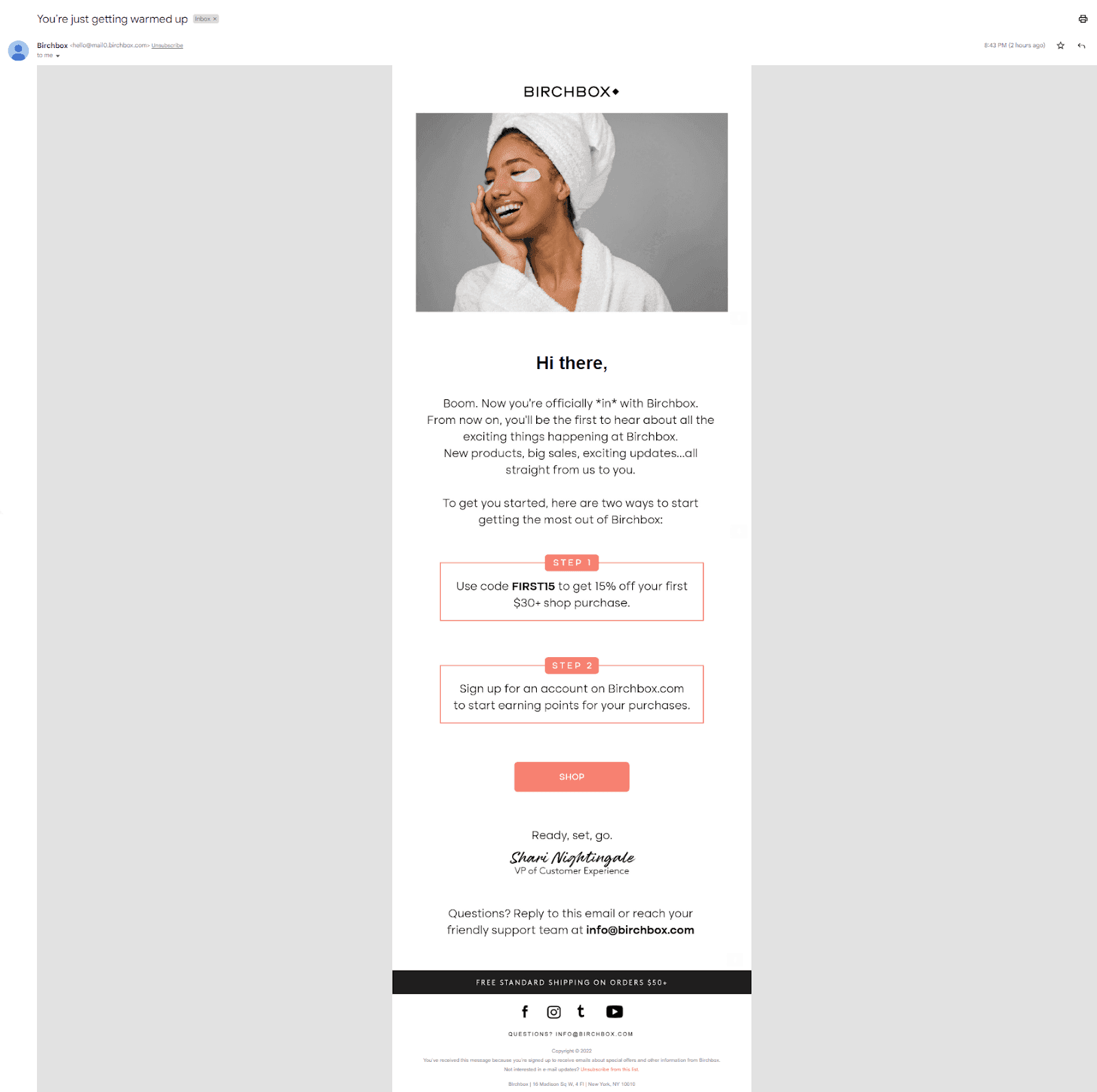
Credit: coschedule.com
Real-life Email Marketing Examples
Email marketing examples show how businesses use emails to reach customers. These examples include newsletters, promotions, and personalized messages. They help companies connect with their audience effectively.
Email marketing is a powerful tool that businesses use to connect with their audience. It’s not just about sending newsletters; it’s about creating meaningful interactions that can drive sales and build brand loyalty. By examining real-life email marketing examples, you can gain insights into what works and how you can apply these strategies to your own campaigns. Ready to dive in? Let’s explore how successful brands have harnessed the power of email marketing.Successful Campaigns
Some brands have mastered the art of email marketing by crafting campaigns that resonate with their audience. Consider the famous Starbucks Birthday Reward email. It’s simple yet effective. They send a personalized message to customers offering a free drink on their birthday. This not only makes the recipient feel special but also encourages them to visit a store.Another standout example is the Airbnb personalized recommendations email. By analyzing user data, Airbnb suggests destinations based on previous searches. This tailored approach makes the recipient feel understood and valued. What can you learn from these examples? The key is personalization and relevance. How can you tailor your emails to make your audience feel special?Analyzing Engagement Metrics
Once you’ve sent out your email campaign, analyzing engagement metrics is crucial. Metrics like open rates, click-through rates, and conversion rates help you understand how your audience interacts with your content. For instance, if a large percentage of recipients are opening your emails but not clicking on any links, it might be time to revisit your call-to-action.Consider a campaign where a brand noticed low engagement with their newsletters. After tweaking the subject lines and including more interactive content, they saw a 30% increase in click-through rates. This shows that small changes can lead to significant improvements.Are you monitoring your email metrics effectively? Understanding these numbers can help you refine your strategy and increase your campaign’s success. Remember, it’s about continuous improvement and learning from the data you gather.Best Practices For Boosting Engagement
Examples of email marketing include newsletters, promotional offers, and personalized messages. These strategies help build relationships and keep audiences engaged. Sharing success stories and customer reviews enhances credibility and encourages interaction.
Email marketing remains a powerful tool for businesses to engage customers. To maximize its effectiveness, understanding best practices is crucial. These practices can significantly enhance user engagement, driving better results. Let’s explore some key strategies that can help boost email marketing engagement.Optimal Timing And Frequency
Sending emails at the right time increases the chance of engagement. Research suggests that weekdays often perform better than weekends. Early mornings or late afternoons are ideal for sending emails. Frequency matters too. Too many emails can overwhelm subscribers. Space them out to maintain interest. Test different schedules to find what works best for your audience.A/b Testing Techniques
A/B testing helps identify what captures attention. Try different subject lines and content formats. Test various call-to-action buttons to see which prompts action. Compare results to pinpoint effective elements. This process refines your strategy. It ensures your emails resonate with recipients.Mobile Optimization
Many users check emails on mobile devices. Ensure your emails are mobile-friendly. Use responsive designs that adjust to different screen sizes. Keep content concise. Short paragraphs and clear images work best. A well-optimized email enhances the user experience. It increases the likelihood of engagement.These practices are essential in crafting effective email marketing campaigns. They lead to higher engagement and better customer interaction.
Credit: blog.hubspot.com
Tools And Platforms
Exploring diverse email marketing tools and platforms can reveal various examples of successful campaigns. Discover how brands use newsletters, promotional offers, and personalized content to engage audiences effectively. These examples illustrate the importance of creativity and strategic communication in email marketing.
Email marketing serves as a powerful communication tool. Businesses use it to connect with their audience. The right tools and platforms make all the difference. They enhance efficiency and engagement. Let’s explore some key tools and features.Popular Email Marketing Tools
Several tools dominate the market. Mailchimp is a top choice. It’s user-friendly and versatile. Constant Contact offers robust support. Many small businesses prefer it. SendinBlue combines email with SMS marketing. It’s great for diverse campaigns. AWeber focuses on simplicity. It suits beginners well. Each tool has unique features. Choose based on your needs.Automation Features
Automation simplifies email marketing. It saves time and effort. Automated emails reach users at the right time. Welcome emails greet new subscribers. Drip campaigns nurture leads over time. Abandoned cart emails recover sales. Personalization enhances engagement. Tailored content resonates with audiences. Analytics track performance. They help refine strategies. Automation makes email marketing efficient and effective.Common Challenges
Email marketing is a powerful tool. Yet, it has its challenges. These challenges can hinder campaign success. Understanding them is vital. It can help in crafting effective strategies.
Avoiding Spam Filters
Spam filters are a major hurdle. They can block your emails. This reduces the reach of your message. To avoid them, follow best practices. Use a clean and legitimate sender address.
Avoid using spammy words. Test emails before sending them. This ensures they pass through filters. Keeping subject lines clear and concise helps too.
Maintaining Subscriber Lists
Subscriber lists need regular updates. Unengaged users should be removed. This keeps the list clean and active. A clean list improves deliverability.
Segmenting your audience is crucial. It helps send relevant content. This increases engagement and reduces unsubscribes. Always respect user preferences. Allow them to update their preferences easily.
Future Trends In Email Marketing
As email marketing evolves, staying ahead of emerging trends is key to keeping your campaigns fresh and effective. The future of email marketing is packed with exciting advancements that promise to reshape how you connect with your audience. Below, we explore two pivotal trends that are set to transform the landscape: AI and Machine Learning, and Interactive Emails.
Ai And Machine Learning
Imagine having a marketing assistant who never sleeps, constantly analyzing customer behavior to personalize your emails. That’s where AI and Machine Learning come into play. These technologies allow you to create tailored content based on user data and preferences.
Personalized subject lines, optimized send times, and dynamic content are just the beginning. AI can predict what type of content your subscribers are most likely to engage with. This means more relevant messages that resonate with your audience.
Have you ever wondered if you’re sending emails at the right time? AI can analyze historical data to suggest the best times to reach your audience. Think of it as having a crystal ball for your email marketing strategy.
Interactive Emails
Gone are the days when emails were static blocks of text. Interactive emails are the future, offering dynamic content that engages your audience directly within their inbox. From polls and quizzes to real-time updates, interactive elements make emails more engaging.
Consider adding a carousel to showcase your products or services. This lets users scroll through options without leaving the email. It’s a seamless experience that keeps them engaged longer.
Interactive emails also allow for immediate feedback. You can ask users to rate a product or service right in the email. This immediate response helps you understand your audience’s preferences and needs better.
Are you ready to elevate your email marketing strategy with these innovative trends? Embrace the future and transform your campaigns into powerful tools that connect with your audience like never before.
Frequently Asked Questions
How Do I Start Email Marketing?
Begin by choosing an email marketing platform. Build a targeted email list. Create engaging, personalized content. Schedule regular emails and track performance metrics. Optimize based on results.
How To Do Email Marketing Examples?
Create a welcome email series for new subscribers. Send personalized product recommendations based on user behavior. Offer exclusive promotions and discounts. Share valuable content through newsletters. Always include a clear call-to-action. Utilize A/B testing to optimize email performance. Monitor metrics for continuous improvement.
What Is Email Marketing Method?
Email marketing involves sending targeted messages to a group of subscribers via email. It aims to promote products, engage customers, and build brand loyalty. This method is cost-effective, measurable, and helps businesses reach large audiences directly. Campaigns often include newsletters, promotions, and personalized offers.
What Are Types Of Email Marketing?
Email marketing types include newsletters, promotional emails, transactional emails, welcome emails, and automated drip campaigns. Each serves unique purposes like engagement, sales, or customer retention. Tailor content to your audience for effective results. Use personalizations to enhance the user experience and improve conversion rates.
Conclusion
Email marketing examples show its power in reaching audiences. Simple, creative emails can boost engagement. Personalized messages improve connection with subscribers. Consistent communication builds trust and loyalty. Businesses see increased sales through strategic campaigns. Whether small or large, effective emails make a difference.
Keep content relevant and valuable to readers. Experiment with different formats to find success. Test subject lines for higher open rates. Understand your audience’s needs and preferences. Email marketing remains a vital tool for growth. Use these insights to refine your strategy.
Engage, inform, and connect with your audience effectively.


