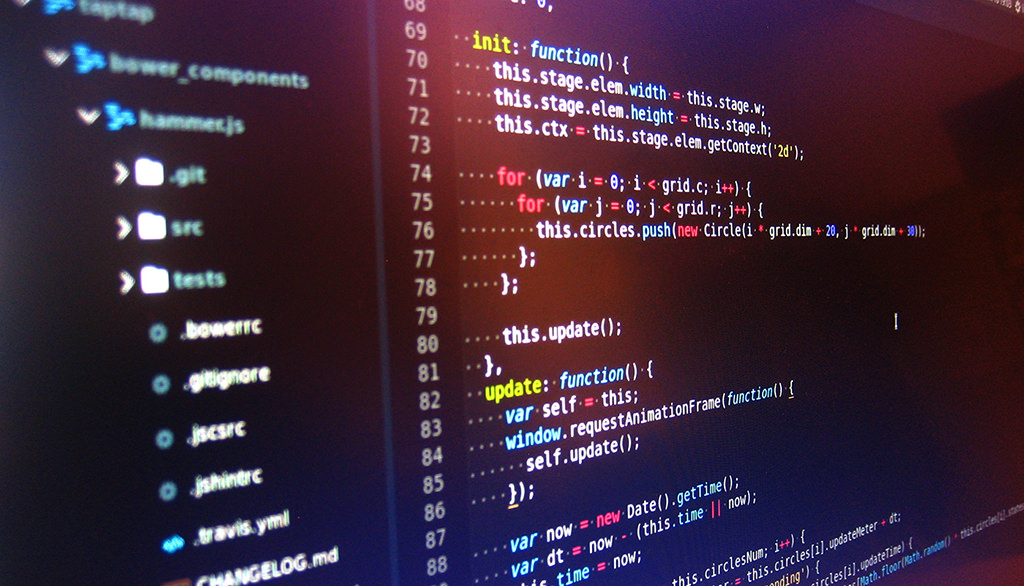
To teach yourself JavaScript, start with online tutorials and practice coding projects for hands-on experience. JavaScript is a widely-used programming language that adds interactivity to websites.
If you’re interested in learning JavaScript, there are several effective ways to teach yourself the language. By following online tutorials and working on coding projects, you can gain a solid foundation in JavaScript. This will allow you to not only understand the syntax and structure of the language but also apply it to create interactive elements on web pages.
Whether you’re a beginner or have some coding experience, self-teaching JavaScript is a viable option that can help you enhance your skills and open up new opportunities in web development.
Why Learn Javascript?
Many aspiring web developers find themselves asking, “Why should I learn Javascript?” Well, the answer is simple – Javascript is an essential programming language for anyone looking to excel in web development. From enhancing website interactivity to creating dynamic user experiences, Javascript plays a vital role in today’s digital landscape. In this blog post, we will explore the benefits of learning Javascript and its importance in web development.
Benefits Of Learning Javascript
Javascript offers several benefits that make it a worthwhile language to master:
- Versatility: Javascript can be used both on the client-side and server-side, making it a versatile programming language. This flexibility allows developers to write code that runs in various environments, enhancing the functionality and interactivity of websites.
- Popularity: Javascript is one of the most widely used programming languages in the world. It is supported by all major browsers and has a vast community of developers. By learning Javascript, you join a thriving community that can provide support, resources, and opportunities for collaboration.
- Enhanced User Experience: With Javascript, you can create dynamic and interactive elements on your website. From form validation to animated graphics, Javascript allows you to build a visually appealing and user-friendly interface, providing an enhanced user experience.
- Better Job Prospects: The demand for Javascript developers is consistently high in the job market. By acquiring Javascript skills, you open up a wide range of career opportunities in web development, app development, and even emerging technologies like Internet of Things (IoT) and Artificial Intelligence (AI).
Importance Of Javascript In Web Development
Javascript plays a pivotal role in web development due to its significance in various aspects:
- Interactivity: Javascript enables developers to make web pages highly interactive. From dynamic content updates to handling user interactions, Javascript empowers websites to respond to user input in real-time, creating engaging and interactive experiences.
- DOM Manipulation: The Document Object Model (DOM) allows Javascript to manipulate the structure, content, and style of HTML and XML documents. With Javascript, you can dynamically modify webpage elements, such as adding or removing elements, updating text, or changing styles, giving you full control over the appearance and behavior of a webpage.
- Browser Compatibility: Javascript is supported by all major web browsers, including Chrome, Firefox, Safari, and Edge. This compatibility ensures that your interactive elements and scripts work consistently across different platforms, providing a seamless user experience.
- AJAX: Asynchronous JavaScript and XML (AJAX) is a powerful technique that allows web pages to update content asynchronously without requiring a full page reload. By utilizing Javascript and AJAX, developers can create responsive and highly interactive websites that retrieve and display data from servers without causing interruptions.
Mastering Javascript opens up a world of possibilities in web development. Whether you aim to work on front-end, back-end, or full-stack development, Javascript serves as a fundamental tool in creating dynamic and immersive websites. Let’s dive into the world of Javascript and unlock your coding potential!
Getting Started With Javascript
If you have an interest in web development, mastering JavaScript is a crucial step. JavaScript is a versatile programming language that allows you to add interactivity and dynamism to your websites. Learning JavaScript by yourself may seem intimidating, but with the right approach, resources, and determination, you can become proficient in no time. In this article, we will guide you through the process of teaching yourself JavaScript, starting with the essentials that you need to know.
Setting Up The Development Environment
Before diving into JavaScript, you need to set up your development environment. Follow these steps:
- Text Editor: Choose a code editor that suits your preferences. Some popular options include Visual Studio Code, Sublime Text, and Atom.
- Browser: A modern browser like Google Chrome, Mozilla Firefox, or Microsoft Edge will be your testing ground. Make sure you have the latest version installed.
- HTML File: Create an HTML file with a
.htmlextension. This file will serve as the container for your JavaScript code. - Script Tag: Inside the
tag of your HTML file, add atag to embed your JavaScript code. This is where you will write your JavaScript.
Once you have set up your development environment, you are ready to start coding in JavaScript.
Understanding The Basics Of Javascript Syntax
JavaScript syntax forms the foundation of the language. Familiarize yourself with the following fundamental concepts:
- Variables: Variables are containers for storing data. They can be declared using the
var,let, orconstkeywords. - Data Types: JavaScript has various data types, including strings, numbers, booleans, arrays, and objects. Understanding how to work with these data types is essential.
- Operators: Operators are symbols that perform specific operations on values. Examples include arithmetic operators (+, -, , /), comparison operators (==, !=, <, >, etc.), and logical operators (&&, ||, !).
- Conditional Statements: Conditional statements such as
if,else if, andelseallow your code to make decisions based on certain conditions. - Loops: Loops enable you to repeat a block of code multiple times. JavaScript offers different types of loops, such as
for,while, anddo...while.
With a solid understanding of JavaScript syntax, you can begin writing basic scripts and gradually enhance your skills.
Exploring Javascript Libraries And Frameworks
JavaScript libraries and frameworks are pre-written code that offers built-in functionality and simplifies the development process. Consider exploring the following:
| Library/Framework | Description |
|---|---|
| React | A popular JavaScript library for building user interfaces. |
| Vue | A progressive JavaScript framework for building interactive web interfaces. |
| jQuery | A fast and feature-rich JavaScript library for DOM manipulation. |
Exploring these libraries and frameworks can save you time and effort while enhancing your JavaScript projects. Remember to check their official documentation and online tutorials to learn how to incorporate them into your code.
Now that you have a roadmap to get started with JavaScript, it’s time to put theory into practice. Start coding, experiment, and challenge yourself with small projects to reinforce your learning. With dedication and continuous practice, you’ll master JavaScript in no time!
Learning Resources For Javascript
When it comes to learning JavaScript, there are many resources available that can help you teach yourself this popular programming language. Whether you prefer online tutorials and courses, books, or engaging with developer communities and forums, there is a learning resource out there to suit your learning style. In this article, we will explore some of the best resources you can use to teach yourself JavaScript.
Online Tutorials And Courses
If you’re looking for a flexible and interactive way to learn JavaScript, online tutorials and courses are an excellent option. These resources offer step-by-step guidance, allowing you to learn at your own pace. Some of the most popular online platforms for JavaScript courses include:
- Codecademy: Codecademy offers interactive JavaScript courses that take you from the basics to more advanced topics. Their hands-on coding exercises help you apply what you’ve learned.
- Udemy: Udemy has an extensive library of JavaScript courses for beginners and experienced programmers. Their courses are taught by industry professionals and cover a wide range of JavaScript concepts.
- freeCodeCamp: freeCodeCamp offers a comprehensive JavaScript curriculum that includes interactive challenges and projects. Their platform also allows you to connect with a supportive community of learners.
Books On Javascript
Books are another valuable resource for learning JavaScript. They provide in-depth explanations and examples, making them great companions for self-paced learning. Here are some highly recommended JavaScript books:
- Eloquent JavaScript by Marijn Haverbeke: This book is a favorite among JavaScript learners. It covers the language’s fundamentals while progressively introducing more complex concepts.
- You Don’t Know JS by Kyle Simpson: This series of books dives deep into core JavaScript principles, providing a comprehensive understanding of the language.
- JavaScript: The Good Parts by Douglas Crockford: Crockford’s book focuses on the best practices and most useful features of JavaScript, guiding you towards writing clean and effective code.
Developer Communities And Forums
Engaging with developer communities and forums is an excellent way to enhance your JavaScript learning experience. These platforms allow you to connect with other learners and professionals, share knowledge, and seek advice. Here are some popular communities and forums for JavaScript enthusiasts:
- Stack Overflow: Stack Overflow is a widely used platform where programmers can ask questions and find answers related to JavaScript and other programming languages.
- DEV Community: DEV Community is a welcoming platform for developers to share their knowledge and connect with like-minded individuals. It hosts various JavaScript-related discussions and tutorials.
- freeCodeCamp Forum: The freeCodeCamp forum provides a supportive community of learners and experienced developers who are passionate about JavaScript. It’s an excellent place to ask questions and engage in discussions.
By utilizing these learning resources, such as online tutorials and courses, books, and developer communities, you can effectively teach yourself JavaScript and become proficient in this versatile programming language. Whether you’re a beginner or already have coding experience, these resources will provide you with the knowledge and guidance you need to succeed.
Hands-on Practice With Javascript
One of the most effective ways to learn any programming language is through hands-on practice, and Javascript is no exception. By actively engaging with the code and building real-world projects, you will solidify your understanding and develop a strong foundation in Javascript. In this section, we will explore three key ways to gain practical experience and master Javascript: building simple projects, solving coding challenges and exercises, and contributing to open source projects.
Building Simple Javascript Projects
When learning Javascript, it’s crucial to apply the concepts you’ve learned to practical use cases. Building simple projects allows you to experiment with different features and functionalities in a hands-on manner. Not only will you gain experience with writing Javascript code, but you’ll also improve your problem-solving skills and develop a deeper understanding of how various components work together.
To get started with building simple projects, you can begin with basic concepts such as manipulating the DOM, handling user input, or creating interactive forms. As you progress, you can gradually move on to more complex projects like building a calculator, a to-do list app, or even a small game. Remember to break down your projects into manageable tasks and aim for incremental learning, gradually incorporating new concepts and techniques.
Solving Coding Challenges And Exercises
Coding challenges and exercises are an excellent way to test your understanding of Javascript, improve your problem-solving skills, and reinforce your knowledge of important concepts. There are numerous online platforms and websites that offer a wide range of coding challenges for all skill levels.
By regularly participating in coding challenges, you’ll expose yourself to different problem scenarios and gain exposure to various techniques and approaches used by other developers. These challenges often require you to think creatively and come up with efficient solutions, thus equipping you with the skills necessary to tackle real-world coding problems.
Contributing To Open Source Projects
Contributing to open source projects is an excellent way to gain valuable experience in Javascript while collaborating with other developers and making a meaningful impact on the community. Open source projects provide an opportunity to work on real-world codebases, learn from experienced developers, and get feedback on your work.
Start by exploring open source projects on platforms like GitHub and find projects that align with your interests and skill level. Look for issues labeled as “good first issues” or “beginner-friendly” to get started. As you contribute to open source projects, you’ll not only improve your coding skills but also gain exposure to industry best practices, code reviews, and collaboration using version control systems like Git.
In conclusion, hands-on practice is an essential component of mastering Javascript. By building simple projects, solving coding challenges and exercises, and contributing to open source projects, you can continuously enhance your skills and become a proficient Javascript developer. So roll up your sleeves, dive into the code, and start your journey to becoming a Javascript pro!
Advanced Concepts In Javascript
Once you have grasped the fundamentals of JavaScript and understand how it works, you may want to dive deeper into the advanced concepts. These concepts will help you become a proficient JavaScript developer and enable you to build more complex and interactive web applications. In this section, we will explore three important areas of advanced JavaScript: DOM manipulation and event handling, asynchronous programming with callbacks and promises, and modern JavaScript features and ES6 syntax.
Dom Manipulation And Event Handling
DOM manipulation is one of the key skills you need to master as a JavaScript developer. The Document Object Model (DOM) represents the structure of an HTML document, and by manipulating the DOM, you can dynamically modify the content, styling, and behavior of web pages.
In JavaScript, you can access and modify DOM elements using their unique selectors such as IDs, classes, or tags. Once you have selected an element, you can change its content, style, or add and remove classes to create dynamic and interactive web experiences.
Event handling is closely related to DOM manipulation and is essential for building interactive web applications. In JavaScript, you can attach event listeners to DOM elements, such as buttons or links, to respond to user actions like mouse clicks or keyboard inputs.
By using event handling, you can execute specific JavaScript code when an event occurs, allowing you to create interactive features like form validations, image sliders, or responsive menus. Understanding how to manipulate the DOM and handle events effectively will greatly enhance your JavaScript skills and enable you to build more engaging and interactive web applications.
Asynchronous Programming With Callbacks And Promises
Asynchronous programming is crucial for developing responsive and efficient web applications. JavaScript provides different techniques to handle asynchronous operations, such as making API calls or fetching data from a server without blocking the main thread.
Callbacks have been traditionally used in JavaScript to handle asynchronous operations. A callback is a function that is passed as an argument to another function and is executed once a particular task or operation is completed. By using callbacks, you can ensure that the code execution continues only when the asynchronous task has finished.
However, callbacks can lead to complex and nested code structures, known as callback hell, which can make your code difficult to read and maintain. To overcome this issue, JavaScript introduced promises.
Promises provide a more elegant and readable way to handle asynchronous operations. Promises represent a future value that may be available immediately or at a later time. With promises, you can chain multiple asynchronous operations together and handle the success or failure of those operations using methods such as then() and catch().
By understanding and using callbacks and promises, you can write asynchronous JavaScript code that is easier to read, maintain, and debug, improving the performance and user experience of your web applications.
Modern Javascript Features And Es6 Syntax
JavaScript is constantly evolving, and it is important to stay up-to-date with the latest features and syntax improvements. ES6 (ECMAScript 2015) introduced several new features to the language, making it more expressive and powerful. Learning and utilizing these modern JavaScript features will significantly enhance your coding productivity and the overall quality of your code.
Some of the key modern JavaScript features and ES6 syntax you should familiarize yourself with include arrow functions, template literals, destructuring assignment, let and const variables, classes, and modules. These features allow you to write cleaner, more concise, and more maintainable code.
By leveraging modern JavaScript techniques and syntax, you will be able to take advantage of the latest language advancements, improve your coding efficiency, and build robust and scalable web applications.

Credit: www.sitepen.com
Frequently Asked Questions Of How Can I Teach Myself Javascript?
Is It Possible To Learn Javascript By Yourself?
Yes, it is possible to learn JavaScript by yourself. With online resources and tutorials available, you can gain proficiency in JavaScript independently. It requires dedication, practice, and determination to understand and apply the language effectively.
Is It Difficult To Learn Javascript?
Learning JavaScript may seem challenging, but with dedication and practice, it can be conquered. Regular practice and resources like tutorials and online courses can make the process easier. Keep coding, and you’ll get the hang of it!
How Long Does It Take To Learn Javascript?
It usually takes a few months to a year to learn JavaScript, depending on individual dedication and learning style. With consistent practice and commitment, anyone can develop a strong foundation in JavaScript programming in a relatively reasonable amount of time.
Can A Non It Person Learn Javascript?
Yes, a non IT person can learn JavaScript. It’s a versatile programming language widely used for web development. With determination and proper resources, anyone can grasp the fundamentals and gradually improve their programming skills. JavaScript courses and tutorials are available online, making it accessible to beginners.
Conclusion
To summarize, learning JavaScript can be a self-taught journey with the right approach and resources. By following a systematic learning plan, utilizing online tutorials and resources, engaging in hands-on practice, and seeking help from the supportive coding community, you can master this powerful programming language.
Remember to stay consistent, patient, and persistent in your learning journey. With dedication, you can acquire the skills and knowledge needed to unlock numerous opportunities in the digital realm. Happy coding!