
HubSpot Email Marketing Tips emphasize segmentation, personalization, and automation for effective campaigns. Focus on delivering value and engaging content.
Email marketing remains a powerful tool for businesses to connect with their audience. HubSpot offers numerous tips to enhance email marketing efforts. Segmentation allows you to target specific groups, ensuring relevance and higher engagement. Personalization makes your emails feel unique and tailored to each recipient.
Automation streamlines your processes, saving time while maintaining consistency. Craft compelling subject lines to increase open rates. Ensure your content is valuable and actionable, encouraging interaction. Use analytics to track performance and refine strategies. Test different elements to see what resonates best with your audience. Following these tips can significantly improve your email marketing success.
Introduction To Hubspot’s Email Marketing Tools
HubSpot offers powerful tools for effective email marketing. These tools are designed to help businesses grow and engage their audience. With HubSpot, you can create and manage email campaigns easily.
Leveraging Hubspot For Your Business
Leveraging HubSpot can enhance your business’s email marketing efforts. Below are some key features:
- Email Templates: Use pre-designed templates for professional emails.
- Personalization: Customize emails with recipient-specific details.
- A/B Testing: Test different email versions to see what works best.
- Analytics: Track email performance with detailed reports.
These features make your email marketing more efficient and effective.
Benefits Of Email Marketing With Hubspot
Email marketing with HubSpot offers numerous benefits:
- Increased Engagement: Personalized content keeps your audience engaged.
- Automation: Automate email campaigns to save time.
- Segmentation: Target specific groups with tailored messages.
- Integration: Integrate with other HubSpot tools for seamless marketing.
Using HubSpot’s email marketing tools can transform your business’s communication strategy.
Crafting Compelling Subject Lines
Crafting compelling subject lines is crucial for effective email marketing. A well-crafted subject line can greatly increase your open rates. It can also engage your audience from the get-go. Let’s dive into some essential tips for creating irresistible subject lines.
The Art Of The Subject Line
Creating a great subject line involves understanding your audience. You need to know what grabs their attention. Here are some key elements to consider:
- Relevance: Make sure your subject line is relevant to the email content.
- Urgency: Create a sense of urgency to encourage immediate action.
- Personalization: Include the recipient’s name or other personal details.
- Clarity: Keep the subject line clear and concise.
- Curiosity: Spark curiosity without being misleading.
A/b Testing For Subject Line Success
A/B testing is a powerful tool for refining your subject lines. It helps you identify what works best with your audience. Here’s a simple guide:
| Step | Description |
|---|---|
| 1 | Create two variations of your subject line. |
| 2 | Send each version to a small segment of your list. |
| 3 | Analyze open rates and engagement. |
| 4 | Choose the winning subject line for your main list. |
By following these steps, you can optimize your subject lines for better performance. Remember, even small tweaks can lead to significant improvements.
Designing Engaging Email Content
Creating engaging email content is crucial for successful email marketing. Your emails should not only deliver valuable information but also capture your audience’s attention. By focusing on visual appeal and content resonance, you can increase engagement and drive results.
Visual Appeal In Email Design
The visual design of your email plays a significant role in capturing attention. A visually appealing email can entice readers to explore further.
- Use a Clean Layout: A clutter-free design makes it easy to read.
- Incorporate High-Quality Images: Images can make your email more attractive.
- Consistent Branding: Use your brand colors and fonts.
Here is a table summarizing key visual elements:
| Element | Importance |
|---|---|
| Layout | High |
| Images | Medium |
| Branding | High |
Creating Content That Resonates
Content that resonates with your audience is key to email marketing success. Make sure your content speaks to their needs and interests.
- Personalize Your Emails: Use the recipient’s name.
- Segment Your Audience: Tailor content to different groups.
- Provide Value: Offer useful information or exclusive offers.
Use these strategies to create content that engages and converts:
- Storytelling: Share relatable stories.
- Clear Call to Action: Guide your readers on the next steps.
- Interactive Elements: Include polls or surveys.
Ensuring your content resonates with readers increases the likelihood of higher engagement rates.
Segmenting Your Email List
Email marketing becomes powerful with effective list segmentation. Segmenting your email list helps you target specific groups with tailored messages. This leads to better engagement and higher conversion rates. Let’s explore the importance of list segmentation and best practices for segmenting your contacts.
The Importance Of List Segmentation
Segmenting your email list helps you send relevant content to your subscribers. It increases open rates and click-through rates. Personalized emails make subscribers feel valued. This can lead to stronger relationships with your audience.
Segmented lists help you reduce unsubscribe rates. Irrelevant content often leads to people unsubscribing. By sending targeted emails, you keep your audience engaged and interested.
| Benefit | Description |
|---|---|
| Increased Open Rates | Subscribers are more likely to open emails relevant to them. |
| Higher Click-Through Rates | Targeted content encourages more interaction and clicks. |
| Reduced Unsubscribe Rates | Relevant emails keep subscribers from opting out. |
Best Practices For Segmenting Your Contacts
Start by collecting relevant data from your subscribers. Use sign-up forms to ask for information like age, location, and interests. This data helps you create meaningful segments.
- Demographic Information: Segment by age, gender, income, or education.
- Geographic Location: Target subscribers based on their physical location.
- Behavioral Data: Track past interactions, purchase history, and email engagement.
- Preferences and Interests: Use data from surveys or sign-up forms.
Use dynamic content in your emails. This allows you to send personalized messages to each segment. Dynamic content changes based on the recipient’s data. This makes your emails more relevant and engaging.
Regularly update your segments. Subscriber preferences and behavior change over time. Keep your data fresh to maintain effective segmentation.
- Collect detailed subscriber information.
- Create segments based on the data collected.
- Use dynamic content for personalized emails.
- Regularly update and refine your segments.
Proper segmentation helps you deliver the right message to the right audience. This boosts your email marketing success.
Personalizing Your Emails
Email marketing success relies on personalization. Personalized emails engage recipients and boost conversions. HubSpot offers tools to personalize your emails effectively.
The Power Of Personalization
Personalization makes your emails stand out. Recipients feel valued when they receive tailored content. Personalized emails have higher open and click rates.
Consider these statistics:
| Statistic | Impact |
|---|---|
| Open Rate | 29% higher |
| Click Rate | 41% higher |
| Conversion Rate | 26% higher |
Using recipient names and past interactions boosts engagement. Personalized emails create a connection with your audience.
Implementing Personalized Email Campaigns
HubSpot simplifies creating personalized campaigns. Follow these steps to get started:
- Segment Your Audience: Group your contacts based on behavior and demographics.
- Use Dynamic Content: Tailor email content to each segment’s preferences.
- Leverage Merge Tags: Insert recipient names and details automatically.
- Analyze and Optimize: Review campaign performance and refine your approach.
Segmenting your audience ensures relevant content delivery. Dynamic content adapts to individual preferences. Merge tags personalize emails without manual effort.
Regularly analyze your campaigns. Use HubSpot’s analytics tools to track performance. Make data-driven adjustments to improve results.
%20(1).svg)
Credit: www.hubspot.com
Optimizing Email Deliverability
Optimizing email deliverability ensures your messages reach your audience. HubSpot offers tools and strategies to help. Here’s how you can improve deliverability.
Ensuring Your Emails Reach The Inbox
Getting emails to the inbox is crucial. Use these tips to ensure successful delivery:
- Authenticate your domain: Use SPF, DKIM, and DMARC to verify your emails.
- Maintain a clean email list: Remove inactive subscribers regularly.
- Use a recognizable sender name: People trust known senders.
- Send relevant content: Ensure your emails match your audience’s interests.
Avoiding Spam Filters
Avoiding spam filters is essential for deliverability. Here are some strategies:
| Strategy | Description |
|---|---|
| Use proper formatting: | Ensure your emails have a good text-to-image ratio. |
| Minimize spammy words: | Avoid words like “free” and “limited time.” |
| Include an unsubscribe link: | Make it easy for users to opt out. |
Follow these tips to stay out of the spam folder and reach your audience.
Analyzing Email Campaign Performance
To get the most out of your HubSpot email marketing campaigns, it’s vital to analyze their performance. By understanding how your emails are performing, you can make data-driven decisions. This will help in improving future campaigns and achieving better results.
Key Metrics To Track
Tracking the right metrics can provide valuable insights. Here are some key metrics to keep an eye on:
- Open Rate: The percentage of recipients who open your email.
- Click-Through Rate (CTR): The percentage of recipients who click on a link in your email.
- Bounce Rate: The percentage of emails that couldn’t be delivered.
- Unsubscribe Rate: The percentage of recipients who opt out of your email list.
- Conversion Rate: The percentage of recipients who complete a desired action, such as making a purchase.
Using Analytics To Improve Future Campaigns
Once you have collected data on your email campaigns, use it to enhance future efforts. Here are some steps to follow:
- Identify Patterns: Look for trends in open rates and click-through rates.
- A/B Testing: Test different subject lines, images, and calls-to-action.
- Segment Your Audience: Group your audience based on their behavior and interests.
- Refine Your Content: Use the insights to tailor your content to your audience’s preferences.
- Monitor Engagement: Regularly check metrics to see what works best.
Incorporating these tips will help you make informed decisions. This will lead to better results and more successful email marketing campaigns.
Integrating Email With Other Marketing Channels
Integrating email with other marketing channels creates a unified strategy. This approach maximizes your reach and effectiveness. Combining various channels offers a seamless experience for your audience.
The Multi-channel Approach
Using a multi-channel approach strengthens your marketing efforts. This strategy ensures consistent messaging across all platforms. It also helps in reaching different segments of your audience.
For instance, combine email campaigns with social media posts. This way, your message gets reinforced through multiple touchpoints. Consistent messaging builds trust and brand recognition.
| Channel | Purpose |
|---|---|
| Direct communication, personalized offers | |
| Social Media | Engagement, community building |
| Blog | Informative content, SEO benefits |
Synergizing Email With Social Media And Blog Content
Synergizing email with social media amplifies your message. Share your email content on social platforms. This increases visibility and engagement.
- Share newsletter highlights on Facebook or Twitter.
- Use Instagram stories to promote email sign-ups.
- Engage with followers by discussing email content.
Combining email with blog content keeps your audience informed. Promote your latest blog posts in your emails. This drives traffic to your website and boosts SEO.
- Include blog summaries in your newsletters.
- Add links to full articles for more information.
- Use blog content to create engaging email series.
This integrated approach ensures all channels work together. Your audience receives a consistent and engaging experience.
Advanced Hubspot Features
HubSpot offers several advanced features for effective email marketing. These tools can elevate your campaigns. Using these features can improve engagement and conversion rates.
Using Smart Content
Smart Content allows you to personalize emails based on user data. It adapts the email content according to the recipient’s profile.
- Show different messages to different audience segments.
- Use demographic data for personalized greetings.
- Offer customized product recommendations based on past purchases.
Smart Content helps in making emails more relevant. This leads to higher engagement and better results.
Leveraging Hubspot Workflows For Email Automation
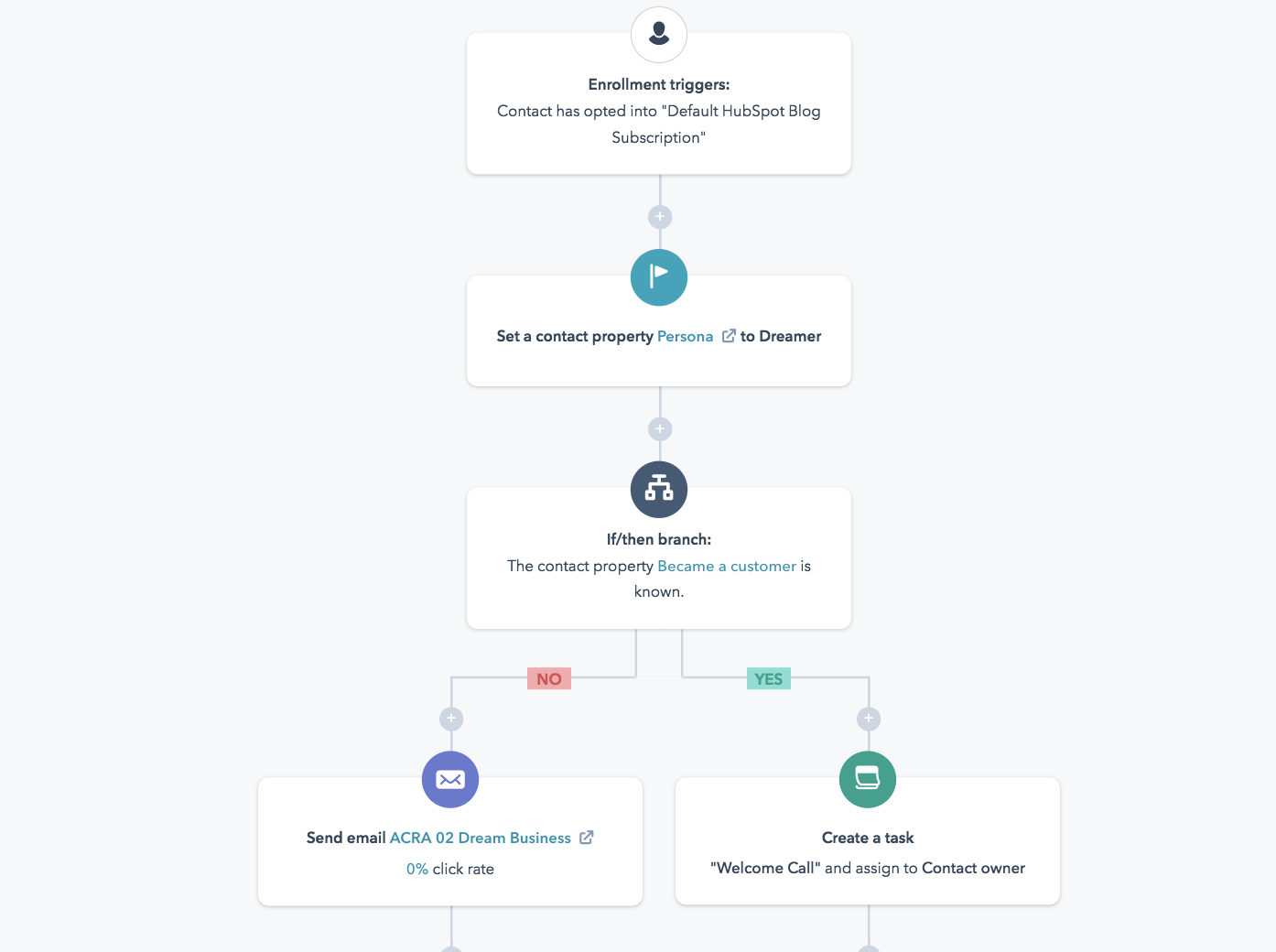
HubSpot Workflows automate your email marketing tasks. They save time and ensure timely follow-ups.
- Set triggers for sending automated emails.
- Create multi-step email sequences for nurturing leads.
- Use conditional logic to send personalized emails.
Workflows help in maintaining consistent communication. They ensure no lead is missed.
| Feature | Benefit |
|---|---|
| Smart Content | Personalized email content |
| Workflows | Automated email sequences |
Using these advanced features can significantly improve your email marketing efforts. HubSpot provides tools to make your emails more effective.
Credit: makewebbetter.com
Maintaining A Healthy Email Marketing Database
Maintaining a healthy email marketing database is crucial for successful campaigns. A clean list ensures high engagement and avoids spam complaints. Here are some essential tips to keep your email database in top shape.
Regularly Cleaning Your Email List
Regularly cleaning your email list keeps your database updated. Remove invalid, duplicate, and inactive emails from your list. This process improves your open and click-through rates. Use an email verification tool to identify invalid addresses. Invalid emails can harm your sender reputation.
Consider segmenting your list based on engagement levels. Place highly engaged users in one segment and less engaged in another. This allows you to tailor your messages accordingly.
| Action | Frequency |
|---|---|
| Remove invalid emails | Monthly |
| Delete duplicate emails | Quarterly |
| Segment email list | Bi-annually |
Re-engagement Strategies For Inactive Subscribers
Re-engagement strategies help bring inactive subscribers back. Craft a compelling re-engagement email campaign. Offer discounts, exclusive content, or other incentives. Make the subject line attractive and attention-grabbing.
Here are some steps to re-engage inactive subscribers:
- Identify inactive subscribers using your email tool.
- Send a re-engagement email with a special offer.
- Ask for feedback on why they stopped engaging.
- Remove subscribers who remain inactive.
Use A/B testing to find the most effective re-engagement strategies. Test different subject lines, offers, and email content. Measure the results and adjust your approach accordingly.
Complying With Email Regulations
In the world of email marketing, abiding by regulations is crucial. Non-compliance can lead to hefty fines and damaged reputations. Here’s how to ensure your HubSpot email campaigns remain on the right side of the law.
Understanding Gdpr And Can-spam
The General Data Protection Regulation (GDPR) is a European law. It protects the privacy of individuals within the EU. If you send emails to EU citizens, you must comply with GDPR.
The CAN-SPAM Act is a US law. It sets rules for commercial emails. It provides recipients the right to stop you from emailing them. It also outlines penalties for violations.
Best Practices For Legal Compliance
To stay compliant, follow these best practices:
- Get consent: Ensure recipients have opted-in to receive your emails.
- Clear identification: Include your name and address in every email.
- Easy opt-out: Provide an easy way for recipients to unsubscribe.
- Honest subject lines: Avoid misleading or deceptive subject lines.
For GDPR, also ensure:
- Data protection: Safeguard the personal data you collect.
- Right to access: Allow users to access and delete their data.
For CAN-SPAM compliance, remember:
| Requirement | Description |
|---|---|
| Do not use misleading headers | Ensure your “From,” “To,” and routing information is accurate. |
| Identify the message as an ad | Clearly state that your email is an advertisement. |
.webp?width=543&height=362&name=Copy%20of%20Linkedin%20-%201104x736%20-%20Horizontal%20Bar%20Graph%20-%20Light%20(3).webp)
Credit: blog.hubspot.com
Tips And Tricks From Email Marketing Experts
Email marketing can be challenging. HubSpot offers powerful tools for your campaigns. Here are some tips and tricks from industry leaders. These insights will help you maximize your email marketing efforts.
Insights From Industry Leaders
Industry leaders have shared valuable insights on email marketing. Here are some top tips:
- Segment your audience. Tailor your messages to different groups.
- Personalize your emails. Use the recipient’s name and other details.
- Test your campaigns. Use A/B testing to find what works best.
- Optimize for mobile. Ensure your emails look great on all devices.
- Track performance. Monitor open rates, click-through rates, and conversions.
Case Studies Of Successful Hubspot Campaigns
These case studies highlight successful HubSpot email campaigns:
| Company | Strategy | Result |
|---|---|---|
| Company A | Segmented Audience | Increased open rate by 20% |
| Company B | Personalized Content | Boosted click-through rate by 15% |
| Company C | A/B Testing | Improved conversion rate by 25% |
Learning from these examples can help you improve your own campaigns. Use these tips to achieve better results with HubSpot.
Frequently Asked Questions
Is Hubspot Good For Email Marketing?
Yes, HubSpot is excellent for email marketing. It offers user-friendly tools, automation, and detailed analytics. It integrates well with other marketing strategies.
What Are The 5 Ts Of Email Marketing?
The 5 Ts of email marketing are Targeting, Timing, Testing, Tracking, and Tailoring. Targeting ensures relevant audiences. Timing optimizes send times. Testing improves performance. Tracking measures success. Tailoring personalizes content.
What Are The 7 Email Marketing Strategies?
1. Segment your email list for targeted campaigns. 2. Personalize your emails with recipient names. 3. Craft compelling subject lines. 4. Use A/B testing for optimization. 5. Automate email sequences. 6. Include clear calls-to-action. 7. Analyze and refine your email performance.
How To Send Marketing Emails Via Hubspot?
Log into HubSpot. Go to Marketing > Email. Click “Create email. ” Choose a template, customize, then click “Send. “
Conclusion
Mastering Hubspot email marketing can boost your campaigns. Use these tips to create engaging and effective emails. Test and optimize regularly for best results. Stay updated with the latest trends to keep your strategy fresh. Implement these practices to achieve higher open rates and conversions.
Happy emailing!


