
Are you wondering if you can send marketing emails to your customers without crossing any lines? You’re not alone.
Many business owners ask this question because sending emails the right way can boost your sales and build trust—but the wrong way can hurt your brand and even get you into legal trouble. You’ll discover exactly when and how you can send marketing emails to your customers, so you feel confident and stay on the safe side.
Keep reading to unlock simple, practical tips that will make your emails welcome—and effective.
Legal Framework For Marketing Emails
Sending marketing emails to customers involves following certain legal rules. These rules protect customer privacy and prevent spam. Understanding the legal framework helps businesses avoid fines and build trust. It also ensures emails reach the right audience without problems.
Key Regulations To Know
Many countries have laws that control marketing emails. The CAN-SPAM Act in the United States sets rules for email content and opt-out options. The GDPR in Europe focuses on user consent and data protection. Other laws like CASL in Canada also require permission before sending emails. These laws require clear sender information and easy ways to unsubscribe.
Global Vs Local Rules
Email laws vary between countries. Global companies must follow rules in each country they send emails to. Local rules may be stricter than global standards. Knowing which laws apply can be complex but is necessary. Some countries require explicit consent, while others allow implied consent. Always check both global and local laws to stay compliant.
Credit: blog.hubspot.com
Obtaining Consent
Sending marketing emails requires clear permission from your customers. This permission is called consent. Without it, emails can seem like spam. Consent shows respect for your customers’ inboxes. It builds trust and keeps your emails welcome. Understanding how to get consent is key for email marketing success.
Opt-in Methods
Opt-in means customers say yes to receive emails. Use sign-up forms on your website or app. Keep forms simple with clear language. Ask customers to check a box to agree. Avoid pre-checked boxes. Confirm their choice with a welcome email. Double opt-in adds extra security. It sends a confirmation link to be clicked. This ensures the email owner agrees to receive messages.
Avoiding Unsolicited Emails
Never send emails without permission. Unsolicited emails annoy recipients and harm your reputation. Use lists that only include those who opted in. Remove people who unsubscribe right away. Respect privacy laws like GDPR or CAN-SPAM. These laws protect customers and set rules for marketers. Following these rules keeps your emails legal and trusted.
Content Requirements
Sending marketing emails to customers requires following clear rules. These rules help keep your emails legal and respectful. The content you include in emails must meet certain requirements. This protects your brand and builds trust with your audience.
Each email should clearly show who it is from. It must be honest and easy to understand. Also, you must give recipients a way to stop receiving emails. These points are essential in every marketing email you send.
Clear Identification
Your email must clearly state the sender’s name or company. Recipients should recognize who sent the message at first glance. Avoid using vague or misleading sender information. This clarity builds trust and reduces spam complaints.
Honest Subject Lines
The subject line should honestly describe the email content. Do not use false or exaggerated claims to attract clicks. Clear subject lines improve open rates and keep your audience happy. They set the right expectations for your message.
Unsubscribe Options
Every marketing email must have a simple unsubscribe link. This lets recipients opt out of future emails easily. The unsubscribe process should be quick and straightforward. Respecting unsubscribe requests helps maintain a positive reputation.
Best Practices For Email Marketing
Email marketing can help build strong customer relationships and boost sales. Following best practices ensures your emails reach the right people and get read. These methods improve engagement and reduce unsubscribes. Focus on clear, respectful communication that delivers value.
Personalization Techniques
Use the customer’s name in emails to make messages feel personal. Tailor content based on past purchases or browsing history. Simple touches like personalized greetings increase open rates. Show customers you understand their needs and interests. Avoid generic emails that may seem spammy or unimportant.
Timing And Frequency
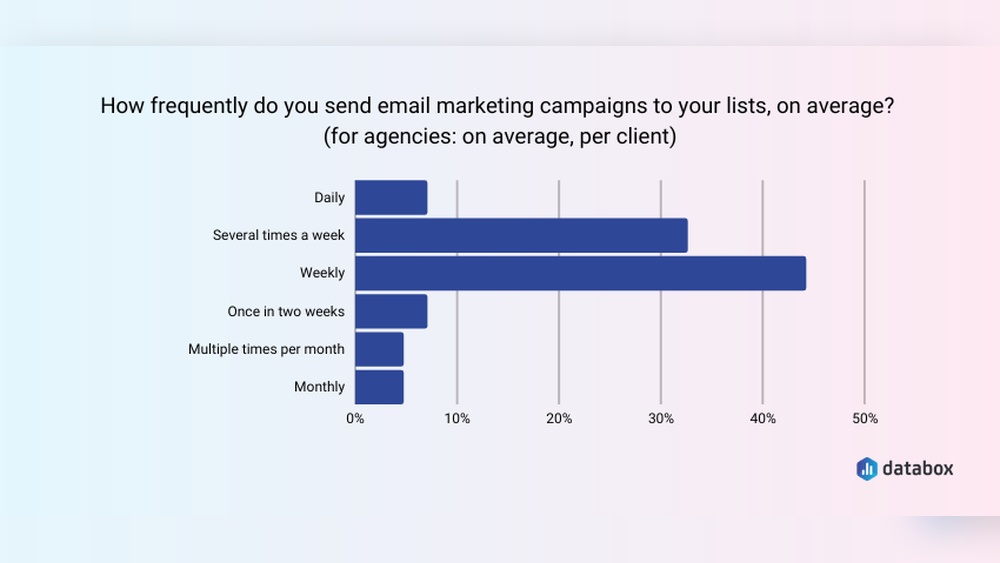
Send emails at times when customers are likely to check their inbox. Test different days and hours to find the best timing. Keep frequency steady but not overwhelming. Too many emails may annoy customers and cause unsubscribes. Aim for a balance that keeps your brand visible without being intrusive.
Segmenting Your Audience
Divide your email list into groups based on demographics or behavior. Send targeted messages that suit each segment’s preferences. Segmentation increases relevance and improves response rates. Avoid sending the same email to everyone on your list. Focus on delivering content that matches each group’s interests.
Handling Customer Data
Handling customer data is a key part of sending marketing emails. It means collecting, storing, and using personal information carefully. Customers trust you with their data. Protecting this information builds trust and keeps your business safe from legal issues.
Data Privacy Basics
Data privacy means keeping customer information safe and private. Only collect data that you really need. Tell customers how you will use their information. Always get their permission before sending marketing emails. Respect their choices if they want to opt out. Follow laws like GDPR or CAN-SPAM to avoid penalties.
Secure Storage And Use
Store customer data securely to stop unauthorized access. Use strong passwords and encryption to protect files. Limit access to data only to trusted team members. Regularly update your security systems. Delete data you no longer need. Proper use of data shows customers you respect their privacy.
Consequences Of Non-compliance
Sending marketing emails without following the rules brings serious risks. Businesses must understand these dangers clearly. Non-compliance affects both the company’s finances and its public image. Ignoring email laws leads to trouble that can be avoided. Below are key consequences to keep in mind.
Legal Penalties
Governments enforce strict laws on marketing emails. Breaking these rules can lead to fines and lawsuits. Penalties vary by country but often reach thousands of dollars. Some laws require companies to get permission before emailing customers. Failure to comply may result in legal action. This can drain resources and harm business growth.
Damage To Brand Reputation
Customers dislike spam and unwanted emails. Sending emails without consent can annoy and frustrate them. Negative experiences spread quickly through word of mouth and social media. A bad reputation reduces customer trust and loyalty. Rebuilding a damaged brand takes time and effort. Protecting your brand means respecting email rules and customer preferences.
Tools To Manage Email Campaigns
Managing email campaigns can feel complex without the right tools. These tools help you organize, send, and track your marketing emails easily. They save time and improve your outreach.
Choosing the right email management tools is key. They ensure your messages reach the right people at the right time. These tools also help keep your campaigns legal and effective.
Automation Platforms
Automation platforms let you schedule emails in advance. They send emails automatically based on user actions or dates. This saves time and keeps your audience engaged.
These platforms offer templates and easy design tools. They help create professional-looking emails without coding skills. You can also segment your list to target specific groups.
Popular platforms include Mailchimp, Constant Contact, and Sendinblue. Each provides options for small and large businesses.
Compliance Features
Compliance features ensure your emails follow laws like GDPR and CAN-SPAM. They help protect customer privacy and prevent spam.
These features include easy unsubscribe links and consent tracking. They also manage data securely to avoid penalties.
Using tools with compliance features builds trust with your audience. It keeps your business safe from legal risks.

Credit: www.salesforce.com

Credit: www.intertecdatasolutions.com
Frequently Asked Questions
Can I Email Customers Without Their Consent?
No, you must get explicit consent before sending marketing emails. This complies with laws like GDPR and CAN-SPAM. Always include an easy way to opt-out.
What Information Must Marketing Emails Include?
Marketing emails must include your business name, valid physical address, and a clear unsubscribe link. This builds trust and ensures legal compliance.
How Often Should I Send Marketing Emails To Customers?
Send emails regularly but not too often. Aim for 1-4 emails per month to keep engagement high without annoying customers.
Can I Use Purchased Email Lists For Marketing?
No, using purchased email lists can harm your reputation and violate privacy laws. Build your own list through opt-in methods instead.
Conclusion
Sending marketing emails to customers can boost your business growth. Always get permission before sending emails to respect privacy. Clear and honest messages build trust with your audience. Keep emails short, simple, and useful to hold readers’ attention. Follow laws like CAN-SPAM to avoid legal issues.
Regularly clean your email list to improve delivery rates. Test different subject lines to see what works best. Consistent, respectful emailing keeps customers interested and engaged. Email marketing, done right, creates strong customer connections and loyalty.


