Have you ever wondered how email marketing can help boost your business? Imagine having a tool that allows you to connect with your audience directly, turning potential leads into loyal customers.
Email marketing does just that. It’s a powerful strategy that can transform how you engage with your audience. By understanding how email marketing works, you can harness its potential to grow your business and achieve your goals. You’ll discover the ins and outs of email marketing, from building your subscriber list to crafting compelling messages that capture attention and drive action.
Ready to unlock the secrets of effective email marketing? Let’s dive in and explore how it can work for you.
Email Marketing Fundamentals
Email marketing works by sending promotional messages directly to people’s inboxes. Businesses create lists of interested users and craft engaging content. This approach helps build relationships and encourages purchases.
Email Marketing is a powerful tool for businesses. It helps communicate directly with customers. Understanding the basics is crucial for success. Email Marketing Fundamentals cover the essential elements. These include key components, types of campaigns, and benefits for businesses.Key Components
Every email marketing strategy needs key components. First, a clear purpose is vital. Know what you want to achieve with each email. Your audience is the next focus. Segment your audience for better targeting. Personalization improves engagement. Use recipients’ names and preferences. A strong subject line grabs attention. It encourages recipients to open your email. Content is king. Make sure your message is valuable and relevant. Include a call-to-action. This guides readers on what to do next.Types Of Campaigns
Email campaigns vary based on goals. Welcome emails introduce new subscribers. They set the tone for future communications. Newsletters provide regular updates. Share news and insights with your audience. Promotional emails offer discounts and deals. They boost sales and drive traffic. Transactional emails confirm actions. These include purchase receipts and shipping details. Re-engagement emails win back inactive subscribers. They rekindle interest in your business.Benefits For Businesses
Email marketing offers many advantages. It is cost-effective compared to other channels. Reach a large audience at a low cost. It is measurable. Track open rates and click-through rates easily. Build strong customer relationships. Regular communication builds trust and loyalty. Increase brand awareness and recognition. Stay top-of-mind with your audience. Drive sales and conversions. Targeted emails lead to more purchases. Improve marketing efficiency. Automation saves time and resources.
Credit: www.lyfemarketing.com
Building An Email List
Email marketing helps businesses connect with their audience by sending targeted messages. Building an email list is key for reaching potential customers. Engaging content and personalized offers encourage subscribers to take action.
Building an email list is the backbone of any successful email marketing campaign. It’s your direct line to your audience, allowing you to communicate updates, offers, and insights right into their inbox. However, building this list is more than just gathering email addresses; it’s about creating a community of engaged subscribers eager to hear from you.Strategies For Growth
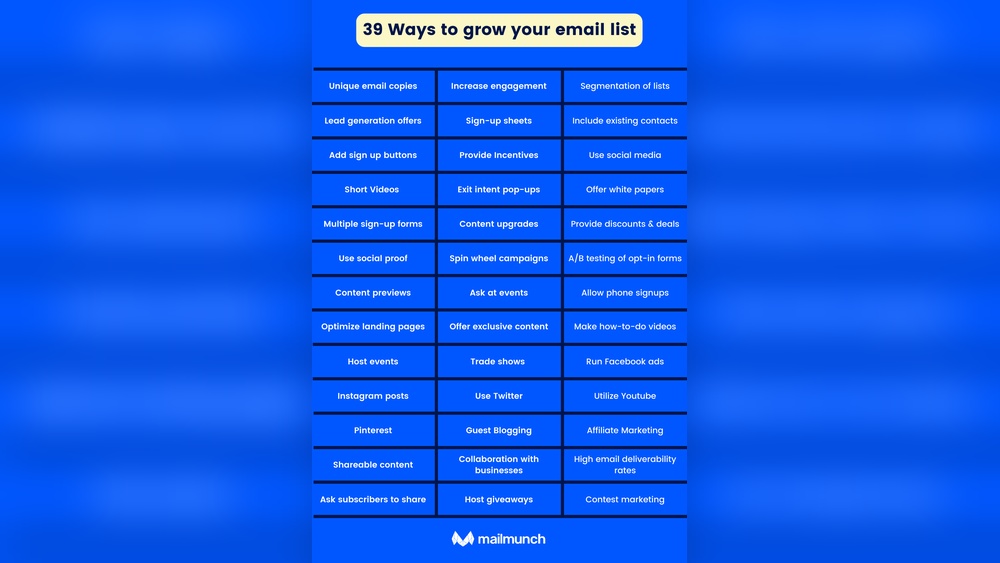
Growing your email list requires creativity and persistence. Start by offering valuable incentives like exclusive content, discounts, or free trials. These rewards can entice visitors to subscribe.Use your existing platforms to promote your email list. Share signup links on social media, your website, and even during events. Make it easy for people to join by having clear and accessible signup forms.Leverage partnerships with complementary businesses. Co-host webinars or create joint content that encourages both audiences to subscribe to your lists.Maintaining Quality
While growing your list is important, maintaining quality is crucial. A large list is useless if the subscribers are not interested in your content. Ensure that your signup forms clearly communicate what subscribers can expect to receive.Segment your email list based on subscribers’ interests and behaviors. This allows you to send targeted messages that resonate more with different segments.Regularly clean your email list to remove inactive subscribers. This helps maintain high engagement rates and ensures your emails reach those who are truly interested.Building an email list is an ongoing process. What are some unique ways you’ve grown your list? Share your thoughts and let’s learn together.Crafting Effective Emails
Creating effective emails is crucial in email marketing. Each email should resonate with the reader. The main aim is to engage and inform. A well-crafted email can lead to higher conversions. Focus on key aspects like subject lines, personalization, and design. These elements work together to enhance email performance.
Subject Lines That Convert
Subject lines are the first thing readers see. They can make or break the email. Keep them short and to the point. Use words that spark curiosity. Questions or numbers can be effective. Avoid clickbait; it can harm trust.
Personalization Techniques
Personalization makes emails feel special. Use the reader’s name in the greeting. Segment your audience based on preferences. Tailor content to fit each group. Personalized emails boost engagement. They show that you understand your audience.
Design And Layout Tips
A clean design keeps readers focused. Use a simple layout with clear sections. Stick to one main message per email. Include images sparingly. Too many can slow loading times. Ensure the email is mobile-friendly. Many readers check emails on phones.
Automation And Segmentation
Email marketing thrives on efficiency and personalization. Automation and segmentation make this possible. With these tools, businesses can connect better with customers. Automation streamlines repetitive tasks. Segmentation tailors messages to different audience groups. Together, they enhance user experience and improve conversion rates.
Automated Campaigns
Automated campaigns simplify repetitive email tasks. They send emails based on user actions. For example, a welcome email after sign-up. Automation saves time and ensures timely communication. It allows businesses to focus on strategy. This method keeps your audience engaged without manual effort.
Segmentation Strategies
Segmentation strategies divide your audience into specific groups. Each group receives tailored content. This approach increases email relevance and engagement. Segmentation can be based on demographics, behavior, or preferences. It ensures the right message reaches the right people. This strategy boosts open and click-through rates.
Analyzing Performance
Email marketing boosts engagement by reaching audiences directly. It works through targeted messages sent to subscribers. Analyzing performance helps refine strategies for better results.
Email marketing is a powerful tool, but understanding its effectiveness requires keen analysis. How do you know if your campaigns are hitting the mark or falling flat? Analyzing performance is your roadmap to success, allowing you to refine strategies and boost engagement. It’s like having a conversation with your subscribers, where each interaction provides valuable feedback. But what exactly should you be looking at? Let’s dive into key metrics and tools that can guide your analysis.Key Metrics To Track
Tracking the right metrics is crucial for understanding how your email marketing is performing. Start with open rates. This tells you how many people are actually opening your emails. A low open rate might suggest your subject line isn’t compelling enough.Click-through rates are another essential metric. This measures how many people clicked on links within your email. If this rate is low, maybe your content isn’t engaging or your call-to-action needs improvement.Conversion rates reveal how many recipients completed a desired action, like purchasing a product. This is where you see the real impact of your campaign. If conversions are low, consider tweaking your offer or the landing page.Another metric to watch is bounce rates. If your emails are bouncing, it might be due to incorrect addresses or spam filters. Keep your list clean and ensure you have permission to contact your subscribers.Tools For Analysis
There are several tools that can help you analyze email performance. Google Analytics is a popular choice, offering detailed insights into how users interact with your emails and website. It’s like having a detective’s kit for your digital interactions.Email marketing platforms like Mailchimp or Constant Contact have built-in analytics. They provide easy-to-read dashboards that show you key metrics at a glance. This saves you time and helps spot trends quickly.Consider using A/B testing tools. They allow you to test different versions of your emails to see which performs better. Maybe a small change in wording or design could significantly impact your results.Lastly, social listening tools can be useful. They help you understand what people are saying about your brand on social media. This can provide indirect feedback on how your email campaigns are perceived.Are you tracking these metrics and using the right tools? What insights have you discovered that surprised you? By focusing on analysis, you can turn data into actionable strategies and improve your email marketing efforts.
Credit: synapsereality.io
Compliance And Best Practices
Email marketing offers a direct line to your audience. But it comes with responsibilities. Following compliance and best practices is vital. These ensure your campaigns are both effective and lawful. Let’s explore how to navigate the important aspects of email marketing.
Regulatory Requirements
Understanding the laws is crucial. Countries have different rules for email marketing. The CAN-SPAM Act applies in the United States. It requires truthful subject lines. A valid physical address is necessary. You must provide an easy way to unsubscribe. In Europe, the GDPR is key. It demands user consent before sending emails. Violating these laws can result in heavy fines. Always stay informed about local regulations.
Ethical Considerations
Ethics play a big role in email marketing. Respect your subscribers’ inboxes. Avoid sending too many emails. Too frequent emails can annoy subscribers. Personalize your content to make it relevant. This increases engagement and trust. Never purchase email lists. Buying lists can damage your reputation. Build your list organically. Encourage users to sign up willingly. Transparency builds long-term relationships. It fosters loyalty and trust.
Future Trends In Email Marketing
Email marketing is evolving with personalization and automation. It works by sending targeted messages to specific audiences. This approach increases engagement and boosts conversion rates.
The digital world is always evolving, and email marketing is no exception. As we look to the future, email marketing promises exciting developments that can significantly boost engagement and results. Understanding these trends can help you stay ahead and make the most of your marketing efforts.Emerging Technologies
Imagine receiving an email that feels like it was crafted just for you. Emerging technologies like AI and machine learning are making this possible. They analyze user behavior to tailor content, ensuring each email resonates with the recipient.Interactive emails are also gaining traction. Features like polls, sliders, or mini-games are being integrated directly into emails. This keeps your audience engaged without needing to leave their inbox.Moreover, automation is becoming more sophisticated. Automated emails aren’t just about reminders anymore; they’re about delivering timely, relevant content. This means less manual work for you and more personalized experiences for your audience.Predictions For Growth
The growth potential of email marketing is immense. More people are using email than ever before, and this trend shows no signs of slowing down. As a marketer, this means a larger audience to reach and engage.Mobile optimization is another area primed for growth. With more users checking emails on their phones, ensuring your emails look great on mobile is crucial. This can lead to higher open rates and better engagement.Sustainability is also becoming a focus in email marketing. Consumers are increasingly conscious of their environmental impact, and brands that align with these values can build stronger connections. Could your brand benefit from showcasing sustainable practices in your emails?Incorporating these future trends into your email marketing strategy could elevate your campaigns. Are you ready to embrace the future of email marketing?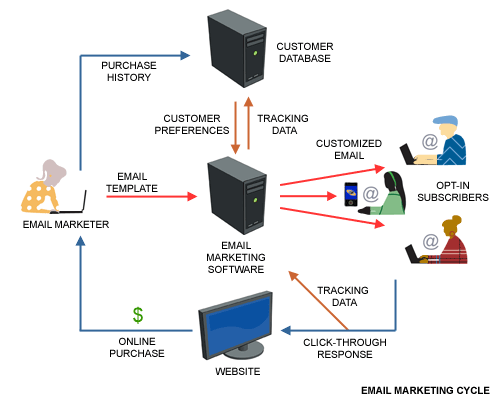
Credit: www.lsoft.com
Frequently Asked Questions
How Does The Email Marketing Work?
Email marketing involves sending targeted messages to a group of subscribers. Businesses use it to promote products, share news, and build relationships. Emails can include personalized content based on subscriber preferences. Success depends on crafting engaging content, maintaining a clean subscriber list, and analyzing campaign performance for improvements.
How Does Mail Marketing Work?
Mail marketing involves sending targeted emails to promote products, services, or engage customers. Businesses build email lists, craft personalized content, and analyze results to improve campaigns. This helps in boosting brand awareness, customer loyalty, and sales.
How Much Is A 1000 Email List Worth?
A 1000 email list’s value depends on factors like audience engagement and niche relevance. Typically, it ranges from $100 to $1000. High engagement and targeted niches can increase its worth. Regularly update and nurture your list for better value. Quality matters more than quantity in email marketing.
Conclusion
Email marketing is a powerful tool for businesses. It connects directly with customers. Building a solid email list is crucial. Crafting engaging and relevant content keeps readers interested. Testing and analyzing strategies improve effectiveness. Automation saves time and ensures timely delivery.
Personalization boosts engagement rates. Keep messages clear and concise. Monitor your campaigns regularly for better results. Stay compliant with regulations to maintain trust. Email marketing, when done right, enhances communication. It drives growth without overwhelming your audience. Focus on quality, not quantity, for lasting success.
With these insights, your email marketing can thrive.