
Imagine sending a heartfelt invitation to a friend, only for it to get lost in the mail or mistaken for junk. Frustrating, right?
That’s exactly what can happen to your emails if you overlook the authentication process in email marketing. You’ve crafted the perfect message and curated an eye-catching design, but without proper authentication, your emails risk being unseen or mistrusted. Now, picture your emails landing directly in your audience’s inbox, trusted and eagerly opened.
That’s the power of email authentication. This vital step isn’t just about getting your messages delivered; it’s about building trust and ensuring your brand’s reputation remains untarnished. Curious about how this process can transform your email marketing strategy? Let’s delve deeper into why email authentication is the unsung hero you can’t afford to ignore.
Credit: aeroleads.com
Role Of Authentication In Email Marketing
Email marketing remains a powerful tool for businesses to connect with their audiences. But, have you ever wondered what keeps your email from landing in the spam folder? The key is authentication. Ensuring your emails are genuine builds trust and safeguards your communication efforts. Let’s dive into why authentication is crucial in email marketing.
Preventing Spam And Fraud
Authentication acts as a gatekeeper. It verifies that your emails are coming from a trusted source. This reduces the risk of your messages being marked as spam. It also protects against fraudulent activities like phishing. By authenticating your emails, you show recipients they can trust your communication.
Enhancing Deliverability Rates
Imagine crafting a brilliant email only for it to never reach the inbox. Authentication improves deliverability rates. Email providers are more likely to accept your messages. This increases the chances of your emails being seen, read, and acted upon. It’s a simple step that can make a big difference.
Building Brand Reputation
Your brand’s reputation is on the line with every email you send. Authentication helps maintain a positive image. When recipients recognize your emails as legitimate, they’re more likely to engage. A trusted email is a step closer to a loyal customer. How does your brand look in your customers’ inboxes?
Increasing Audience Engagement
When you authenticate your emails, you boost engagement. Subscribers are more likely to open and interact with trusted emails. This leads to higher click-through rates and conversions. You’re not just sending emails; you’re creating meaningful connections. What can authentication do for your engagement levels?
Actionable Steps For Authenticating Emails
Ready to authenticate your emails? Start by implementing SPF, DKIM, and DMARC protocols. These tools verify your domain and protect your messages. Check with your email service provider for guidance. It’s a small investment of time for a big return. Are your emails as secure as they could be?
Authentication isn’t just a technical step; it’s a commitment to your audience. It ensures your messages reach the right people, protecting your brand and enhancing engagement. Are you leveraging authentication in your email strategy?
Types Of Email Authentication Methods
Email authentication methods like SPF, DKIM, and DMARC ensure sender legitimacy. They enhance trust by protecting against phishing and spoofing. Proper authentication boosts email marketing success and deliverability.
Email marketing is a powerful tool for businesses looking to connect with their audience. However, without proper authentication, your carefully crafted messages could end up in the spam folder or, worse, be used for malicious activities. Understanding the types of email authentication methods can help you ensure your emails reach your subscribers safely and effectively.###Dkim
DomainKeys Identified Mail (DKIM) is like your email’s signature. It adds a digital signature to your emails, ensuring that they haven’t been tampered with during transit. Imagine sending a letter with your unique seal; DKIM does this digitally for emails. When the recipient’s server receives your email, it checks this signature against your domain’s public key. If they match, your email gets the green light. Implementing DKIM can improve your email deliverability and establish trust with your recipients.###Spf
Sender Policy Framework (SPF) is like a bouncer for your domain. It specifies which servers are allowed to send emails on your behalf. Think of it as a guest list for a party; only those on the list can get in. By setting up an SPF record, you reduce the risk of spammers using your domain to send fraudulent emails. This not only protects your brand’s reputation but also increases the chances of your emails being delivered to the inbox.###Dmarc
Domain-based Message Authentication, Reporting & Conformance (DMARC) builds on DKIM and SPF. It acts as a policy layer to instruct email servers on how to handle emails that fail DKIM or SPF checks. Setting up DMARC can seem daunting, but it’s crucial for preventing phishing attacks. It also provides you with reports on authentication activity, offering insights into who might be trying to use your domain without permission. Isn’t it reassuring to know you have a watchdog overseeing your email security?Incorporating these authentication methods isn’t just a technical task; it’s a strategic move to protect your brand and ensure your messages are heard. Have you checked your email authentication settings lately? It might be time to take a closer look.Impact On Deliverability
Email marketing success hinges on effective deliverability. The authentication process plays a vital role. It ensures that emails reach the intended inboxes. Without it, your messages might land in spam. Understanding its impact is crucial for marketers.
Impact On Email Deliverability
Email authentication boosts sender credibility. Internet Service Providers (ISPs) prioritize authenticated emails. This increases the chances of your emails reaching the inbox. High deliverability rates mean more engagement and conversions.
Enhancing Sender Reputation
Authentication improves your sender reputation. ISPs assess your reputation to filter emails. A good reputation increases your deliverability rate. It builds trust with both ISPs and recipients.
Reducing Spam Complaints
Authenticated emails appear more legitimate. This reduces the likelihood of being marked as spam. Fewer spam complaints mean better deliverability. It ensures your messages reach the right audience.
Building Trust With Recipients
Recipients trust authenticated emails more. They are less likely to ignore or delete them. Trust leads to higher open and click-through rates. This boosts your overall email marketing performance.
Improving Email Engagement
Better deliverability leads to higher engagement. More emails reach the inbox, increasing interaction chances. Engaged recipients are likely to take action. This ultimately drives your marketing goals.
Preventing Domain Spoofing
Authentication prevents domain spoofing attempts. It ensures your emails are not faked or altered. This protects your brand’s integrity and reputation. A secure email system supports better deliverability.

Credit: www.redmiindia.com
Security Benefits
Email marketing is a powerful tool for businesses. The authentication process plays a crucial role in ensuring security. A robust authentication process protects sensitive information. It safeguards customer data from unauthorized access. Let’s explore the security benefits of authentication in email marketing.
Why Authentication Enhances Security
Authentication verifies the identity of email senders. This prevents fraudsters from masquerading as legitimate companies. It helps build trust between businesses and customers. With proper authentication, emails are less likely to be flagged as spam. This ensures important messages reach their intended recipients.
Protection Against Phishing Attacks
Phishing attacks aim to steal personal information. Authentication reduces the risk of these attacks. It ensures emails originate from trusted sources. This helps recipients confidently interact with their emails. Businesses can protect their reputation by preventing phishing attempts.
Safeguarding Customer Data
Customer data is a valuable asset. Authentication keeps this data safe from hackers. It ensures only authorized personnel access sensitive information. This builds customer confidence in the brand. Secure data handling leads to customer loyalty.
Maintaining Brand Reputation
A secure email system protects a company’s reputation. Authentication prevents unauthorized use of the brand name. It stops harmful messages from tarnishing the brand image. Consistent security measures strengthen public trust. Customers feel safe sharing information with trusted brands.
Ensuring Compliance With Regulations
Many regions have strict data protection laws. Authentication helps businesses comply with these regulations. It demonstrates a commitment to security standards. Compliance avoids legal issues and penalties. Businesses operate smoothly without regulatory disruptions.
Trust And Reputation Building
Email marketing hinges on trust and reputation. Without these, campaigns falter. The authentication process plays a vital role here. It ensures that emails come from verified sources. This builds credibility with recipients. A trusted sender is more likely to gain engagement. Reputation can elevate or diminish a brand’s presence. Let’s explore how authentication fosters trust.
Trust Through Authentication
Authentication verifies the sender’s identity. It stops impostors from sending emails. Recipients feel secure knowing the source is genuine. This assurance increases open rates. People are more likely to read emails from trusted brands.
Reputation Growth
A solid reputation attracts positive attention. Authentication helps maintain this. It prevents spam and phishing attempts. Brands with strong authentication are seen as reliable. Consistent delivery from verified sources bolsters reputation. Trust leads to more successful campaigns.
Impact On Engagement
Authentic emails drive higher engagement. Users trust the content and are willing to interact. This can lead to more clicks and conversions. A clean reputation encourages recipients to act. Engagement is a key metric in email success.
Building Long-term Relationships
Trust and reputation foster loyalty. Recipients who trust emails remain subscribers. They are less likely to unsubscribe. A good reputation ensures lasting relationships. This long-term engagement supports ongoing marketing efforts.
Challenges In Implementation
Implementing a strong authentication process in email marketing can be challenging. Ensuring data security and building trust are crucial. It requires technical expertise and ongoing updates to protect user information effectively.
In the realm of email marketing, the authentication process is crucial for ensuring the credibility and security of your communications. Yet, implementing these authentication protocols can be fraught with challenges. Many marketers find themselves grappling with technical barriers and misunderstandings. How can you navigate these obstacles effectively?Understanding Technical Complexities
Technical complexities can often seem like a daunting mountain to climb. You might struggle with configuring SPF, DKIM, and DMARC records. These protocols require precise DNS entries, and one small error can lead to authentication failure. It’s like trying to tune a musical instrument; even a minor adjustment can make a world of difference.Managing Time And Resources
Implementing email authentication protocols demands time and resources. You may find yourself overwhelmed by the demands of setting up and maintaining these systems. It’s essential to prioritize tasks and allocate resources wisely. Have you considered how much time you dedicate to ensuring your email reputation?Keeping Up With Industry Changes
Email authentication is not static. The digital landscape evolves rapidly, and staying updated with the latest practices can be challenging. Do you have a strategy for continuous learning? Subscribing to industry newsletters or joining relevant forums can keep you informed about new developments.Balancing Security And User Experience
While securing your emails is critical, maintaining a seamless user experience is equally important. Overzealous security measures can sometimes hinder deliverability. Have you ever wondered if your security protocols might be too restrictive? Striking the right balance is key to successful email campaigns.Addressing Misconceptions And Fears
There’s often a fear of breaking something when implementing email authentication. Misconceptions about complexity can deter marketers from even attempting to implement these protocols. However, understanding the basics and seeking expert advice can mitigate these fears. Are you ready to challenge your assumptions and enhance your email marketing strategy?By addressing these challenges head-on, you pave the way for a more secure and effective email marketing campaign. It’s about taking one step at a time and not letting the hurdles overshadow the benefits. What steps will you take today to improve your email authentication process?Best Practices For Authentication
In the realm of email marketing, authentication is like the secret handshake that verifies your emails are indeed from you. Without it, your carefully crafted messages might end up in the spam folder, unseen and unappreciated. To ensure your emails reach their intended audience, you must follow best practices for authentication. These practices not only boost your credibility but also protect you and your subscribers from phishing attacks and scams.
1. Implement Spf (sender Policy Framework)
SPF is a standard email authentication method that helps identify which mail servers can send emails on behalf of your domain. By adding an SPF record to your domain’s DNS, you essentially publish a list of authorized senders. This simple step can significantly reduce the chances of your emails being marked as spam.
2. Use Dkim (domainkeys Identified Mail)
DKIM adds a digital signature to your emails, enabling the recipient’s email server to verify that the email was not tampered with during transit. Think of it as sealing an envelope with a wax stamp. When you use DKIM, you assure your recipients that the email indeed came from you, boosting your authenticity and trustworthiness.
3. Enable Dmarc (domain-based Message Authentication, Reporting & Conformance)
DMARC builds on SPF and DKIM by allowing you to specify how email receivers should handle emails that fail authentication checks. By setting up a DMARC policy, you can instruct email providers to reject, quarantine, or allow messages that fail the checks. This not only helps protect your brand from being spoofed but also provides valuable reports that help you monitor email authentication results.
4. Regularly Monitor Your Authentication Reports
After implementing SPF, DKIM, and DMARC, don’t stop there. Regularly review the authentication reports generated by DMARC to gain insights into potential unauthorized use of your domain. This proactive approach allows you to address issues before they escalate, maintaining your email marketing reputation.
5. Educate Your Team And Subscribers
It’s crucial to ensure your marketing team understands the importance of email authentication. Educate them about these protocols and why they matter. Additionally, consider informing your subscribers about recognizing authentic emails from your brand to further secure your communication channels.
Have you considered the impact of unauthenticated emails on your brand’s reputation? By following these best practices, you safeguard your email marketing efforts and foster trust with your audience. Remember, in the digital world, trust is hard-earned and easily lost.
Future Trends In Email Authentication
Securing emails is crucial in marketing. Emerging trends in authentication enhance trust and safety. This process prevents fraud, ensuring that messages reach their intended audience securely.
The authentication process in email marketing is more important than ever. As technology evolves, so do the methods for ensuring that emails are genuine and secure. Staying ahead of future trends in email authentication can significantly impact your marketing success. With new advancements on the horizon, understanding these trends can give your email campaigns a competitive edge.1. Embracing Dmarc For Enhanced Security
Domain-based Message Authentication, Reporting & Conformance (DMARC) is gaining traction. It helps prevent email spoofing and phishing attacks. More businesses are adopting DMARC to protect their brand and customers.Implementing DMARC can also improve your email deliverability. By proving your emails are legitimate, you’re more likely to reach your subscribers’ inboxes. Have you considered the potential increase in your open rates?2. The Rise Of Bimi For Brand Recognition
Brand Indicators for Message Identification (BIMI) is becoming a popular trend. It allows brands to display their logo next to their emails in the inbox. This not only boosts recognition but also builds trust with your audience.BIMI can make your emails stand out in a crowded inbox. It’s a visual cue that can lead to increased engagement. Are you ready to make your brand more recognizable?3. Ai And Machine Learning In Email Authentication
Artificial Intelligence (AI) and machine learning are transforming email authentication. These technologies can detect patterns and anomalies that humans might miss. They help in identifying and mitigating threats in real-time.AI-driven authentication can provide more accurate and faster results. This means your emails are secured without delay. How might this technology enhance your email marketing strategy?4. The Importance Of Continuous Monitoring And Adaptation
The landscape of email threats is constantly changing. Continuous monitoring and adaptation of your authentication processes are crucial. Staying informed about new threats and updates can keep your emails safe.Regularly updating your authentication protocols ensures maximum security. This proactive approach can prevent potential breaches. Are you equipped to handle the evolving challenges in email marketing?Future trends in email authentication are shaping the way we approach email marketing. By staying informed and adapting to these changes, you can ensure the security and success of your campaigns. What steps are you taking to future-proof your email marketing strategy?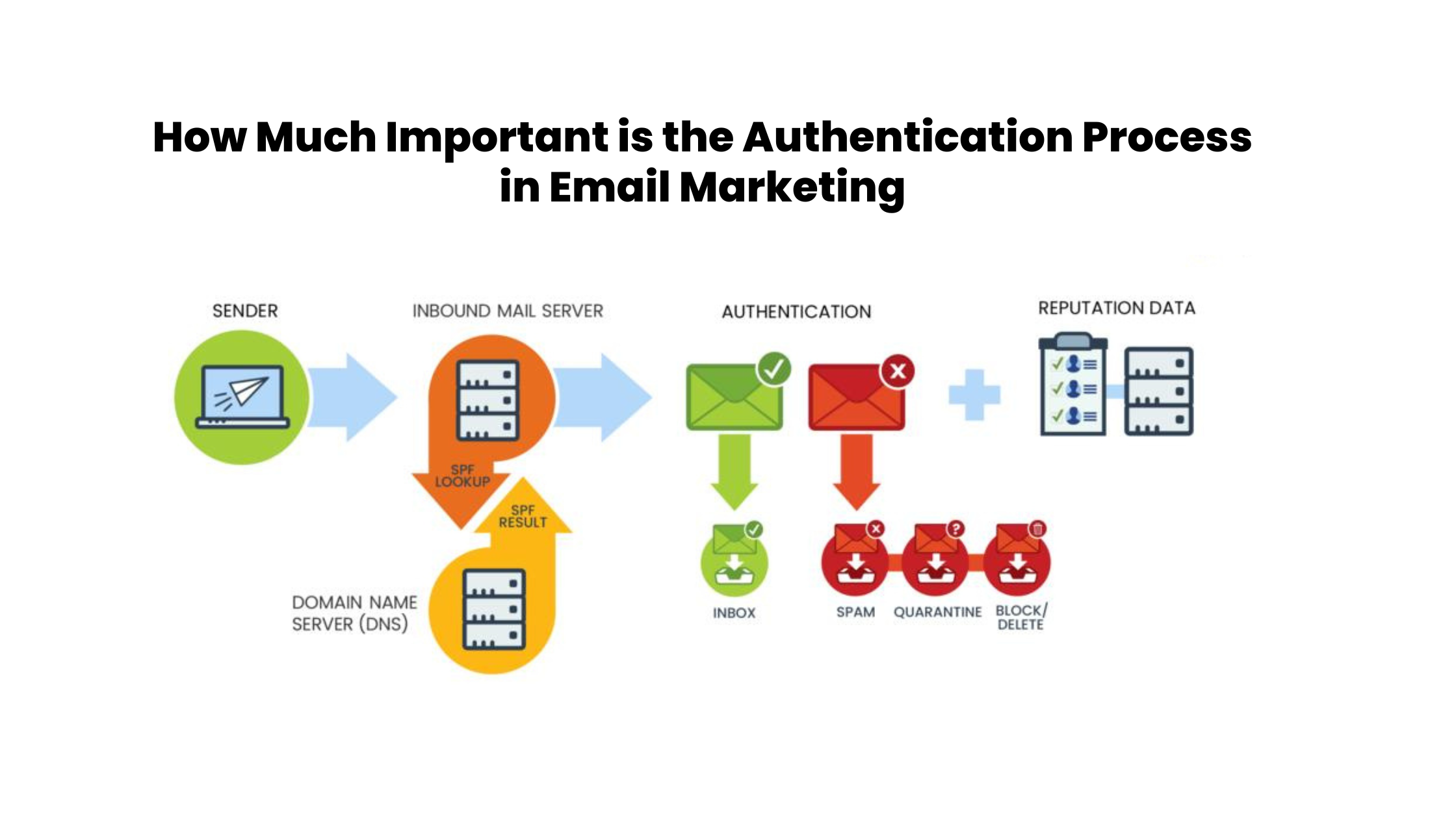
Credit: www.blog.didm.in
Frequently Asked Questions
How Much Important Is The Authentication Process In Email Marketing?
Authentication in email marketing is crucial for preventing fraud and ensuring secure communication. It builds trust with recipients, improves deliverability, and protects brand reputation. Implementing authentication methods like SPF, DKIM, and DMARC helps verify sender identity, reducing the risk of phishing and spam attacks.
Why Is Email Authentication Important?
Email authentication prevents phishing and spam, ensuring messages are genuine. It protects brand reputation and enhances deliverability. Authenticating emails builds trust with recipients, reducing the risk of cyber threats. Secure your communication to maintain credibility and safeguard sensitive information.
What Is The Most Important Thing In Email Marketing?
The most important aspect of email marketing is building a targeted and engaged subscriber list. Focus on delivering valuable, relevant content to your audience. Personalization enhances engagement, while clear calls-to-action boost conversions. Consistent testing and analysis improve campaign effectiveness. Prioritize subscriber privacy and compliance with regulations like GDPR.
Conclusion
The authentication process in email marketing is crucial. It builds trust with recipients. Ensures your emails reach inboxes, not spam folders. Protects your brand from phishing attacks. Good authentication improves engagement rates. Helps maintain a positive sender reputation. It’s not just a technical step.
It’s essential for successful email campaigns. Invest time in proper email authentication. You’ll see better results. More trust. More engagement. More success. Keep your audience safe, informed, and happy. Authentication is a small step that makes a big difference. Your email strategy depends on it.
Make it a priority today.


