

You’ve spent time crafting the perfect email campaign, but how do you know if it’s really working? Understanding how to analyze email marketing data is the key to unlocking your campaign’s true potential.
When you learn to read the numbers behind your emails, you gain powerful insights that can boost your open rates, clicks, and conversions. This guide will walk you through simple steps to decode your email metrics, so you can make smarter decisions and see real results.
Ready to turn your data into growth? Keep reading, because your next big breakthrough is just a few clicks away.
Key Metrics To Track
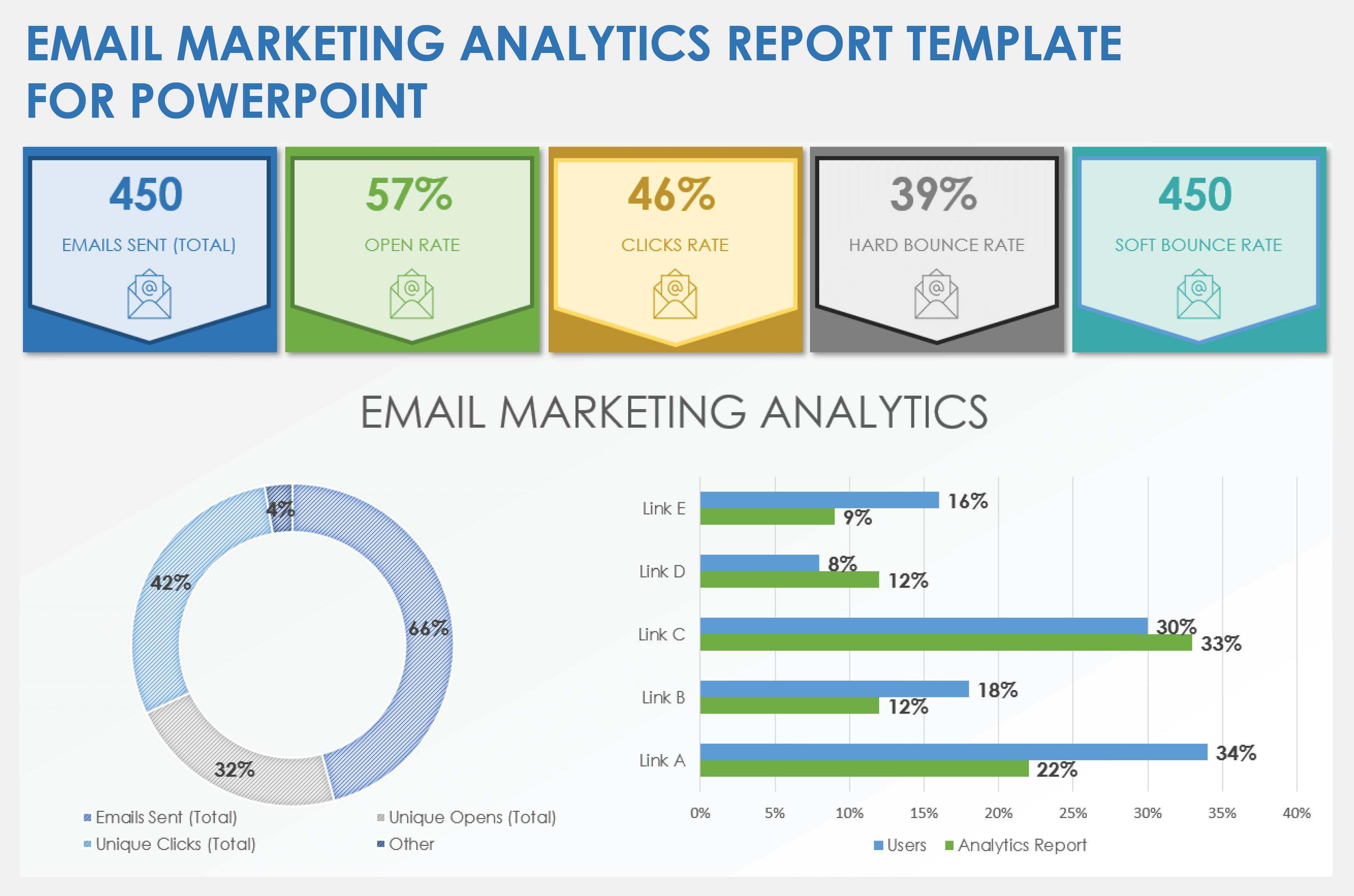
Tracking the right email marketing metrics helps measure campaign success. These numbers show how your audience reacts. Focus on data that reveals engagement and deliverability. This insight guides better decisions for future emails.
Open Rates
Open rates show how many people open your email. A high open rate means your subject line and sender name attract attention. Track this metric to see if your emails reach the inbox. Low open rates suggest you may need to improve your subject lines or sender reputation.
Click-through Rates
Click-through rates (CTR) measure how many recipients click links in your email. This shows how well your content drives action. A strong CTR means your message interests readers. If CTR is low, review your call-to-action and email design to make links clearer and more appealing.
Bounce Rates
Bounce rates count emails that fail to deliver. Hard bounces mean invalid addresses. Soft bounces refer to temporary problems like full inboxes. High bounce rates hurt your sender reputation. Regularly clean your list to remove bad emails and keep bounce rates low.
Unsubscribe Rates
Unsubscribe rates reveal how many people opt out after receiving your email. This metric signals if your content matches audience expectations. A rising unsubscribe rate may mean your emails are irrelevant or too frequent. Adjust your email frequency or content to keep your list engaged.
Credit: www.smartsheet.com
Segmenting Your Audience
Segmenting your audience is key to analyzing email marketing data effectively. It helps deliver relevant messages to specific groups. This approach improves open rates and boosts conversions. By dividing your audience, you understand their needs better. It also allows you to tailor content that resonates with each segment.
Demographic Segmentation
Demographic segmentation splits your audience by age, gender, location, or income. These basic details help create targeted campaigns. For example, emails aimed at young adults differ from those for seniors. Location-based offers can match local events or promotions. This segmentation makes your emails more relevant and personal.
Behavioral Segmentation
Behavioral segmentation groups users by their actions and purchase history. Track clicks, past purchases, and browsing habits. This data reveals what interests your subscribers most. Send emails that match their behavior, like product recommendations or reminders. Behavioral insights lead to higher engagement and loyalty.
Engagement-based Segmentation
Engagement-based segmentation divides your list by interaction levels. Separate active readers from those who rarely open emails. Focus on re-engaging inactive users with special offers or surveys. Reward loyal subscribers with exclusive content or discounts. This method keeps your list healthy and improves campaign success.
Analyzing Email Content
Analyzing email content is key to improving your campaigns. It helps you see what works and what does not. Understanding this data guides your future emails. Focus on the elements that impact reader engagement the most. These include the subject line, images, and call-to-actions.
Subject Line Performance
Check how many recipients open your emails. The subject line usually drives this action. Test different words and lengths to find what attracts readers. Look at open rates and compare them across emails. Short and clear subject lines often perform better. Avoid spammy words that may reduce opens.
Image-to-text Balance
Review the number of images versus text in your email. Too many images can slow loading times and hurt deliverability. Too little text may not explain your message well. Aim for a good mix that keeps readers interested. Use images that support your message clearly. Ensure your email looks good on all devices.
Call-to-action Effectiveness
Analyze clicks on your call-to-action buttons or links. Strong CTAs guide readers to take the next step. Use action words like “buy,” “download,” or “learn.” Place CTAs where they are easy to see. Test different colors, sizes, and text to improve clicks. Track which CTAs lead to conversions.
Timing And Frequency Insights
Timing and frequency are key parts of email marketing success. Analyzing these factors helps you send emails when readers are most likely to engage. It also helps avoid sending too many messages, which can annoy subscribers. Understanding timing and frequency improves open rates, click rates, and overall campaign performance.
Optimal Send Times
Find the best time of day to send your emails. Check when subscribers open your messages the most. Many people read emails in the morning or during lunch breaks. Test different times and compare the results. Send emails at times with higher engagement for better performance.
Email Frequency Impact
Track how often you send emails to your list. Too many emails can cause people to unsubscribe. Too few emails can lower brand recall. Use data to find the right balance. Adjust frequency based on how subscribers react over time.
Seasonal Trends
Look for patterns during holidays or special events. Email engagement often changes with seasons. Some times of year may have higher or lower open rates. Plan campaigns around these trends to get better results. Use past data to predict seasonal behavior.
Using Tools And Software
Using the right tools and software makes analyzing email marketing data easier. They help track performance, understand audience behavior, and improve campaign results. These tools provide clear reports and automate many tasks. This section covers key tools that simplify data analysis and boost email marketing success.
Analytics Platforms
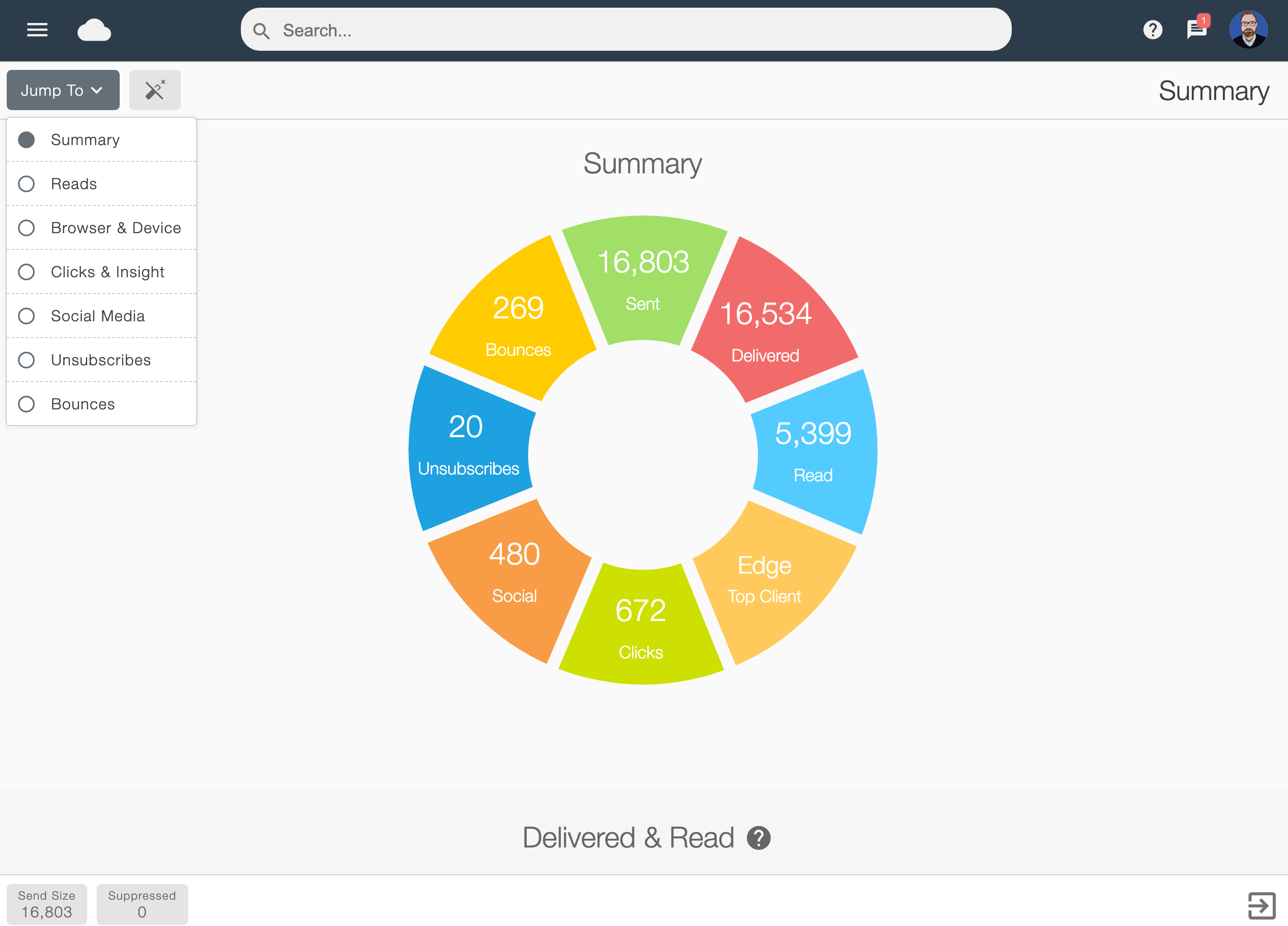
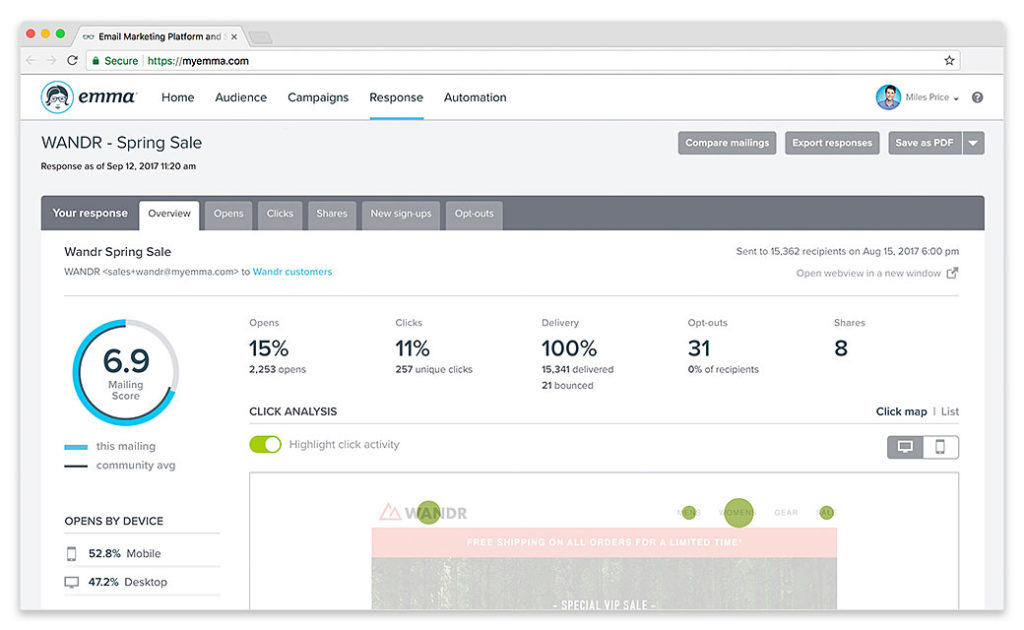
Analytics platforms collect and display data from your email campaigns. They show open rates, click rates, bounce rates, and more. These platforms help identify which emails perform best. Google Analytics and Mailchimp are popular choices. They offer visual charts and detailed reports. Using these platforms, you can spot trends quickly.
A/b Testing Tools
A/B testing tools compare two versions of an email to see which works better. They test subject lines, images, and calls to action. These tools track how recipients respond to each version. Results help you choose the most effective email content. Tools like Optimizely and Mailchimp’s built-in tests simplify this process. Testing reduces guesswork and improves engagement.
Automation Features
Automation features send emails based on user actions or schedules. They track user behavior and trigger emails automatically. This saves time and targets the right audience at the right moment. Automation tools also gather data on user responses. Platforms like HubSpot and ActiveCampaign offer strong automation options. Automation helps maintain consistent contact and improves data collection.
Credit: www.emailblasteruk.com
Improving Campaign Performance
Analyzing email marketing data helps improve campaign results. It shows what works and what does not. This way, you can make better decisions.
Small changes can lead to higher open rates and more clicks. Focus on key areas that impact your audience’s experience. Below are some effective ways to boost your campaigns.
Personalization Techniques
Personalization increases engagement by making emails feel unique. Use the recipient’s name in the subject line and email body. Tailor content based on past behavior or preferences.
Segment your list to send relevant offers to each group. Personalized emails get more opens and clicks. Avoid generic messages that may seem spammy or boring.
List Cleaning Strategies
Regularly clean your email list to remove inactive addresses. This improves deliverability and reduces bounce rates. Delete or re-engage contacts who do not open your emails.
Use tools to find invalid or duplicate emails. A clean list means your messages reach real people. It saves money and keeps your sender reputation strong.
Re-engagement Campaigns
Re-engagement campaigns target inactive subscribers to win them back. Send special offers or ask for feedback. Show why your emails are valuable again.
Track responses and remove those who remain inactive. This keeps your list fresh and interested. Re-engagement can revive old contacts and improve overall results.
Credit: myemma.com
Frequently Asked Questions
What Key Metrics Should I Track In Email Marketing?
Track open rates, click-through rates, bounce rates, and conversion rates. These metrics reveal email engagement and campaign effectiveness, helping optimize future emails.
How Can I Improve Email Open Rates Effectively?
Use compelling subject lines, personalize emails, and send at optimal times. Testing different approaches helps find what resonates best with your audience.
Why Is Click-through Rate Important In Email Analysis?
Click-through rate shows how many recipients engaged with your content. High CTR means your message and call-to-action are relevant and effective.
How Do Bounce Rates Affect Email Marketing Success?
High bounce rates indicate invalid or unreachable email addresses. Reducing bounces improves sender reputation and ensures better delivery to real contacts.
Conclusion
Analyzing email marketing data helps you understand what works best. Track open rates, clicks, and conversions carefully. Use this information to improve your future emails. Testing different subject lines and content can boost engagement. Keep your analysis simple and focused on key metrics.
Regular review leads to better results over time. This approach keeps your marketing efficient and clear. Start analyzing today to see steady progress.


