
Struggling to get your emails noticed? You’re not alone.
In the crowded world of email marketing, grabbing attention can feel like trying to catch a butterfly with a net full of holes. Your audience is bombarded with messages every day, each one vying for just a sliver of their precious time.
But there’s good news—you can stand out. Imagine your email as a lighthouse in a storm, guiding your readers to safe shores with the perfect blend of curiosity and relevance. In this guide, you’ll discover how to transform your emails from overlooked to irresistible. Using insights from neuromarketing, you’ll learn how to tap into your readers’ subconscious desires and craft messages that they can’t help but open and read. Get ready to boost your open rates and convert curiosity into clicks. Dive in, and let’s turn your email strategy into a beacon that captivates and engages.
Crafting Compelling Subject Lines
Grabbing attention in email marketing begins with crafting compelling subject lines. Use clear, concise language that sparks curiosity. A well-chosen phrase can lead to higher open rates, engaging readers effectively.
Crafting compelling subject lines is crucial in email marketing. It’s the first thing your audience sees, and it can make or break your email’s success. Think of it as the headline that captures attention and beckons readers to explore further. A well-crafted subject line can significantly boost your open rates and engagement, turning a casual glance into a curious click.Use Personalization
Imagine receiving an email that feels like it was written just for you. Personalization in subject lines can create that effect. Adding the recipient’s name or referencing their past interactions can make your message stand out. For instance, “John, Your Exclusive Offer Awaits” is more engaging than a generic “Exclusive Offer.” People love feeling special, so make them feel like VIPs in your email universe.Include Action-oriented Words
Action-oriented words prompt your reader to do something immediately. Words like “Discover,” “Grab,” “Try,” or “Join” create a sense of urgency and dynamism. “Grab Your Free Ebook Today!” is more compelling than “Free Ebook Available.” It nudges the reader to act now, rather than later. Think about what you want your reader to do next, and guide them with powerful verbs.Keep It Concise
Long subject lines can lose the reader’s interest before they’ve even started. Aim for brevity while maintaining impact. Most email clients display around 50 characters, so keep your subject lines short and snappy. “Limited Time Sale” is effective and straight to the point. Consider what the essence of your message is, and distill it into a few compelling words.Remember, the goal is to intrigue, not to tell the whole story. Could your subject line be shorter and still be effective? Try it out. Experiment with different styles and see what resonates with your audience. Your subject line is your first impression—make it count!
Credit: neilpatel.com
Designing Visually Appealing Emails
Designing visually appealing emails is crucial for capturing attention in email marketing. Imagine receiving an email that looks like a piece of art, instantly drawing you in. The visual aspect of your email can be the difference between a click and a swipe away. As you design your emails, focus on elements that engage and entice your audience.
Choose The Right Color Palette
Colors have the power to evoke emotions and set the tone. Think about the message you want to convey and choose colors that align with it. Use contrasting colors to make key information pop. For example, a vibrant call-to-action button can prompt immediate engagement. Experiment with colors, but ensure they complement your brand identity.
Utilize Responsive Design
More than half of email opens occur on mobile devices. Ensure your emails look great on any screen size. Use a responsive design that adapts to different devices. This approach guarantees your text is readable and images are properly displayed. Don’t let poor design be the reason your message gets lost in the shuffle.
Incorporate High-quality Images
Images can speak louder than words. Choose high-quality images that resonate with your audience. Avoid pixelated or irrelevant visuals that can detract from your message. Images should enhance your content, not distract from it. Consider using images that tell a story or evoke curiosity—compelling visuals can be your secret weapon.
Now, think about the last email you opened. What caught your eye? Was it the colors, the layout, or a striking image? Your email design should be a reflection of what engages you. In this digital age, visual appeal is not just a bonus; it’s a necessity for capturing attention. Are your emails visually captivating enough to stand out in crowded inboxes?
Writing Engaging Content
Writing engaging content in email marketing is crucial for capturing attention. Your words should resonate and create a desire to read further. This requires a strategic approach. You need to understand your audience, focus on value, and use a conversational tone. Let’s explore how each element can boost your email engagement.
Understand Your Audience
Knowing who reads your emails helps tailor your message. Gather data about your subscribers. Identify their interests and preferences. Use surveys or feedback to learn more. Customize content based on this insight. Personalized emails increase connection. They make your audience feel valued and understood.
Focus On Value Proposition
Your email must offer something valuable. Explain what your product or service solves. Highlight benefits clearly. Use simple language. Ensure your audience sees the advantage of engaging with your content. A strong value proposition captures interest. It encourages action and keeps subscribers engaged.
Use Conversational Tone
Write as if speaking to a friend. Avoid jargon and complex words. Use simple sentences. Make your content relatable and friendly. Engage readers by asking questions. Encourage interaction. A conversational tone builds trust. It makes your emails more appealing and easier to understand.
Optimizing Send Times
Email marketing remains a powerful tool for engaging your audience. Capturing attention requires perfect timing. Optimizing send times can enhance email effectiveness. Sending at the right moment boosts open rates and engagement. Timing isn’t just about choosing a random hour. It involves strategic planning and analysis.
Test Different Times
Experiment with various sending times for your emails. Morning, afternoon, and evening may have different impacts. Try sending emails at different intervals during these periods. Observe which times lead to higher engagement. Every audience responds uniquely. Testing helps identify the sweet spot for your recipients.
Consider Audience Time Zones
Your subscribers may be scattered across different regions. Sending emails at 9 AM in New York isn’t 9 AM in Tokyo. Adjust your send times according to their locations. Understand where your audience is based. Ensure your message arrives when they are most active. This increases the chances of engagement.
Analyze Performance Data
Look at your email campaign data closely. Review open rates and click-through rates. Determine which times yield better results. Use analytics tools to gather insights. Analyze patterns to find optimal send times. This data-driven approach refines your strategy. It helps in making informed decisions.
Leveraging Email Automation
Email automation captures attention by sending timely, personalized messages. It engages readers with relevant content. Effective strategies keep audiences interested and encourage interaction.
Email marketing has evolved significantly with automation. It allows businesses to send timely, relevant messages. Automation saves time and improves engagement. By leveraging email automation, marketers can create personalized experiences. This approach helps in capturing the attention of the audience effectively.Segment Your Audience
Segmentation is crucial in email marketing. It involves dividing your email list into smaller groups. Each group shares similar characteristics. This could be based on demographics, behavior, or preferences. Segmented emails have higher open rates. They ensure messages are relevant to recipients. By understanding your audience better, you can tailor content to their needs.Set Up Triggered Campaigns
Triggered campaigns are automated emails. They are sent based on specific actions. Examples include signing up for a newsletter or abandoning a cart. These emails are timely and relevant. They reach users when interest is high. Set up triggers for various customer actions. This keeps your audience engaged with your brand. It also increases the chances of conversion.Personalize Automated Messages
Personalization goes beyond using a name. It involves tailoring content to individual preferences. Use data to understand customer behavior. Send recommendations based on past purchases. Address specific customer pain points. Personalized messages make recipients feel valued. They lead to better engagement and loyalty. Automation allows you to scale personalization easily.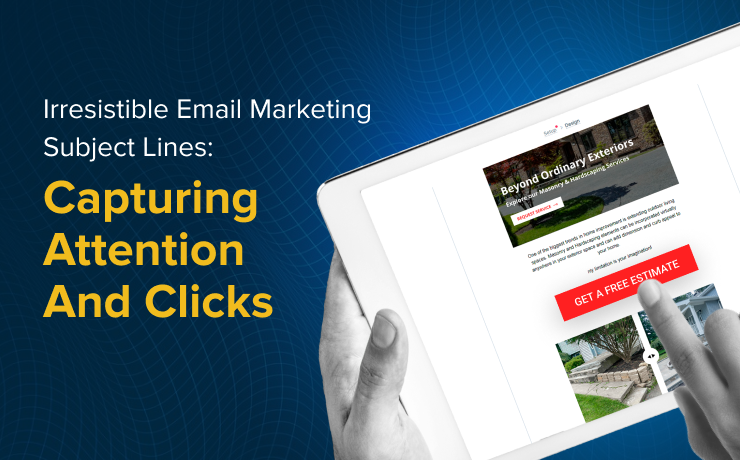
Credit: www.smartsites.com
Enhancing Email Deliverability
Email marketing remains a vital tool for businesses. Yet, ensuring emails reach the inbox can be tricky. Enhancing deliverability is essential. It boosts engagement and keeps your audience informed. A few key strategies can help improve this.
Maintain A Clean Email List
A clean email list is crucial for deliverability. Remove inactive subscribers regularly. This reduces bounce rates and keeps your list relevant. Use double opt-in methods to confirm subscribers’ interest. This ensures genuine engagement from the start.
Authenticate Your Emails
Authentication builds trust with email providers. Implement SPF, DKIM, and DMARC protocols. These verify your emails’ legitimacy. They also protect your domain from being marked as spam. Authentication signals to providers that your emails are safe.
Monitor Spam Reports
Spam reports can damage your sender reputation. Monitor these closely. Address complaints quickly to maintain trust. Encourage subscribers to add you to their safe sender list. This reduces the chance of emails going to spam.
Analyzing Email Metrics
Analyzing email metrics is crucial for effective email marketing. It helps understand your audience’s behavior and improve engagement. By tracking key metrics, you can refine your strategy and deliver better results. Let’s explore how to analyze some essential email metrics.
Track Open Rates
Open rates show how many recipients open your emails. It’s a key indicator of email subject line effectiveness. Use compelling subject lines to boost open rates. Personalization often leads to higher engagement. Monitor open rates regularly to spot trends and adjust tactics.
Assess Click-through Rates
Click-through rates reveal the percentage of recipients clicking links in your emails. It measures email content effectiveness. Ensure your emails have clear calls-to-action. Test different link placements and formats to improve results. A/B testing can help optimize click-through rates.
Evaluate Conversion Rates
Conversion rates track how many recipients complete desired actions. Actions include signing up, purchasing, or downloading. This metric gauges the overall success of your email campaigns. Analyze which emails drive the most conversions. Adjust strategies based on conversion data for better outcomes.
A/b Testing Strategies
Engage your audience with A/B testing strategies in email marketing. Test subject lines, visuals, and content to see what captures attention. Discover which elements encourage clicks and conversions.
Email marketing has become a crucial tool for businesses aiming to capture attention and drive engagement. However, not every email hits the mark. A/B testing strategies can help you refine your approach and make informed decisions that resonate with your audience. By testing different elements of your email campaigns, you can discover what works best and optimize your efforts for maximum impact.Test Subject Lines
The subject line is your first impression. It can either entice or discourage your audience from opening your email. Try different styles, lengths, and tones. You might test a question against a statement or a personalized subject line against a generic one.Think about how you react to emails in your own inbox. Which ones grab your attention? Use this insight to craft subject lines that spark curiosity or offer value.Experiment With Design Elements
Design isn’t just about looking pretty. It’s about guiding your reader’s eyes and making the content digestible. Test different layouts, font styles, and color schemes.Consider whether a minimalistic design works better than a vibrant, image-heavy one. You might find that a simple, clean design leads to more clicks.Remember the last email that caught your eye. Was it the design that drew you in? Experiment with these elements to understand what your audience prefers.Analyze Content Variations
The content is where your message truly shines. Test different approaches to your copy. You could vary the length, tone, or even the type of content—such as a list versus a narrative.Does storytelling engage your audience more than straightforward information? Would a call-to-action at the beginning be more effective than one at the end?Think about the emails you save or forward. What makes them worth keeping? Testing content variations can reveal the key to creating memorable and impactful emails.A/B testing in email marketing is like a conversation with your audience. By experimenting and analyzing, you listen to their preferences and adapt. What’s the next step in your email strategy journey?Building Trust With Your Audience
Email marketing captures attention by providing valuable content. Personalizing messages builds trust with your audience. Clear subject lines and engaging content encourage readers to interact.
Building trust with your audience is crucial in email marketing. When recipients trust your emails, they are more likely to engage, respond, and eventually convert. Trust isn’t built overnight; it requires consistent effort and genuine interaction. You may have experienced receiving emails that felt spammy or misleading. Those likely ended up in the trash, right? To avoid this fate and foster a strong bond with your audience, consider the following strategies:Provide Consistent Value
Imagine receiving an email that solves a problem you didn’t even know you had. That’s value! Whether it’s tips, discounts, or insights, your audience should feel they are gaining something worthwhile from your emails. Regularly share information that aligns with their interests and needs.Consistency is key. If your emails provide quality content each time, your audience will look forward to them. They should never feel like they’re wasting time opening your messages.Ensure Transparency
Have you ever received an email that left you wondering, “What’s the catch?” Transparency in your communication is vital to prevent this skepticism. Be upfront about what your audience can expect from your emails. If you’re promoting a product, clearly outline its benefits and any terms involved.Transparency is about honesty. When your audience feels you’re being straightforward, they are more likely to trust you. Make sure your intentions are clear, whether you’re sharing content, asking for feedback, or promoting a sale.Cultivate Authenticity
Being authentic means being genuine and true to your brand’s voice. Your audience can sense when something feels forced or insincere. Share stories or insights from your experiences to create a genuine connection.For instance, if your business is about eco-friendly products, share how you personally strive to reduce your carbon footprint. Authenticity fosters relatability, making your audience feel like they are part of a community rather than just customers.Trust is the foundation of successful email marketing. Are your emails fostering trust or eroding it? By providing consistent value, ensuring transparency, and cultivating authenticity, you can build a lasting relationship with your audience.
Credit: www.youtube.com
Frequently Asked Questions
How To Catch People’s Attention In An Email?
Use a compelling subject line to grab attention. Personalize the email with the recipient’s name. Keep the message concise and relevant. Include a clear call-to-action. Use bullet points or short paragraphs for easy reading.
What Is The 80/20 Rule In Email Marketing?
The 80/20 rule in email marketing suggests focusing 80% of efforts on nurturing relationships and 20% on sales. This approach enhances engagement and builds trust with your audience, leading to better conversion rates and customer loyalty. Prioritize valuable content over promotional messages to maintain balance.
How To Draw Attention In An Email?
Use a compelling subject line to grab attention. Keep the message clear and concise. Personalize content to engage the recipient. Highlight key points using bullet points or bold text. Include a strong call to action for immediate response.
Conclusion
Capturing attention in email marketing needs creativity and clarity. Craft engaging subject lines. They are your first impression. Personalize content to resonate with each reader. Make them feel special. Use visuals sparingly to enhance, not overwhelm. Keep messages concise and direct.
Less is often more. Include a clear call-to-action. Guide your readers effortlessly. Test different strategies and learn from results. Adapt and improve continuously. With these tips, your emails will engage and convert. Build stronger connections with your audience. Enhance your email marketing success.


