

Are you ready to unlock the true power of your business? Building a strong email list is the key to reaching your audience directly and boosting your sales.
But how do you create an email list that actually works? You’ll discover simple, proven steps to grow your list quickly and effectively. By the end, you’ll have a clear plan to connect with more people who want to hear from you.
Keep reading, because your email marketing success starts here.
Benefits Of Building An Email List
Building an email list offers many clear benefits for your marketing efforts. It creates a direct way to reach your audience. Emails land straight in their inbox, making your message personal and direct. This connection helps build trust and loyalty over time.
With an email list, you control the audience. No middleman, no algorithms deciding who sees your content. This control means better chances your offers or news reach interested people.
Increased Customer Engagement
Email allows you to engage customers with personalized content. You can send updates, promotions, or useful tips directly to their inbox. This regular contact keeps your brand fresh in their mind. Engaged customers are more likely to buy again or recommend you to others.
Higher Conversion Rates
Email marketing often leads to better sales than other channels. People on your list have shown interest in your brand. Sending targeted emails encourages them to take action. This focus boosts the chance of converting leads into customers.
Cost-effective Marketing
Email marketing is affordable compared to many other methods. There are no large fees for ads or printed materials. You can reach many people with minimal expense. This makes it ideal for small businesses and startups.
Builds Long-term Relationships
Regular emails help you build lasting connections. Sharing valuable content creates trust and loyalty. Customers feel valued and more connected to your brand. This relationship supports repeat business and positive word-of-mouth.
Choosing The Right Email Marketing Platform
Choosing the right email marketing platform is key to building a strong email list. The platform you pick affects how you collect emails, send campaigns, and track results.
Good platforms offer easy tools to create signup forms and manage contacts. They must also help avoid spam issues and keep your list safe.
Ease Of Use
The platform should be simple to navigate. A clean interface helps you create emails fast. Drag-and-drop editors make designing easier. Simple tools mean you spend less time learning and more time growing your list.
List Management Features
Look for tools that organize your contacts well. Segmentation lets you group subscribers by interests. Automated tagging saves time and targets emails better. Good platforms help keep your list clean by removing inactive users.
Signup Form Options
Signup forms collect new subscribers. Choose a platform with customizable forms. Pop-ups, embedded forms, and landing pages are useful. Forms should be mobile-friendly for all devices. The easier it is to sign up, the faster your list grows.
Automation Capabilities
Email automation saves time and improves engagement. Platforms with automation let you send welcome emails and drip campaigns. You can schedule messages based on user actions. This helps build relationships and keeps subscribers interested.
Analytics And Reporting
Tracking results is important. The platform should show open rates, click rates, and growth trends. Clear reports help you understand what works. Use data to improve your email marketing strategy.
Crafting Irresistible Lead Magnets
Creating a strong email list starts with offering something valuable. Lead magnets attract people by giving them a reason to share their email. These offers should solve a problem or answer a question. The goal is to make the exchange worthwhile and easy to accept. The better the lead magnet, the more people will sign up.
Types Of Lead Magnets
Lead magnets come in many forms. Ebooks are popular for sharing detailed information. Checklists help people complete tasks quickly. Templates save time and effort for users. Webinars provide live learning and interaction. Discounts or coupons work well for stores. Choose a type that fits your audience’s needs.
Designing For Maximum Impact
Good design makes your lead magnet inviting. Use clear titles that explain the benefit. Keep the layout simple and easy to read. Include images that support the message. Make sure the file format is easy to open. A fast-loading download improves user experience. Test your design on different devices for best results.
Optimizing Signup Forms
Optimizing signup forms is key to building a strong email list. A well-placed and well-designed form invites more visitors to subscribe. This section covers how to place and design forms for better results.
Placement Strategies
Place signup forms where visitors notice them easily. Top of the homepage or sidebar often works well. Try placing forms at the end of blog posts too. Pop-up forms can grab attention but use them carefully. Avoid covering content or annoying users. Test different spots to find what gets the most signups.
Form Design Tips
Keep the form simple and clean. Ask only for essential information, like an email address. Use clear, easy-to-read fonts and colors. Make the call-to-action button stand out with a bright color. Add a short, clear message explaining the benefits of signing up. Avoid clutter to reduce distractions. A neat design helps visitors focus on signing up.
Driving Traffic To Signup Forms
Driving traffic to signup forms is key to building a strong email list. More visitors on these forms mean more chances to collect emails. It takes smart methods to attract people and encourage them to subscribe. Focus on places where your audience spends time online. Make signing up easy and appealing.
Using Social Media Channels
Social media platforms offer direct access to many users. Share posts with clear calls to action inviting followers to join your list. Use stories and live videos to explain benefits of signing up. Pin signup form links in your profiles for easy access. Engage with comments and messages to build trust. Regular updates keep your audience interested in subscribing.
Leveraging Paid Advertising
Paid ads help target specific audiences quickly. Create ads that highlight the value of your emails. Use simple, catchy headlines and strong calls to action. Choose platforms where your potential subscribers spend time. Test different ads to see which works best. Track results to improve your campaigns and increase signups.
Collaborations And Partnerships
Work with other businesses or influencers in your niche. Share signup forms through their channels to reach new audiences. Offer joint promotions or giveaways to attract attention. Make sure partners’ followers match your target group. Trust from partners can boost your signup rates. Collaboration creates win-win chances to grow your email list.
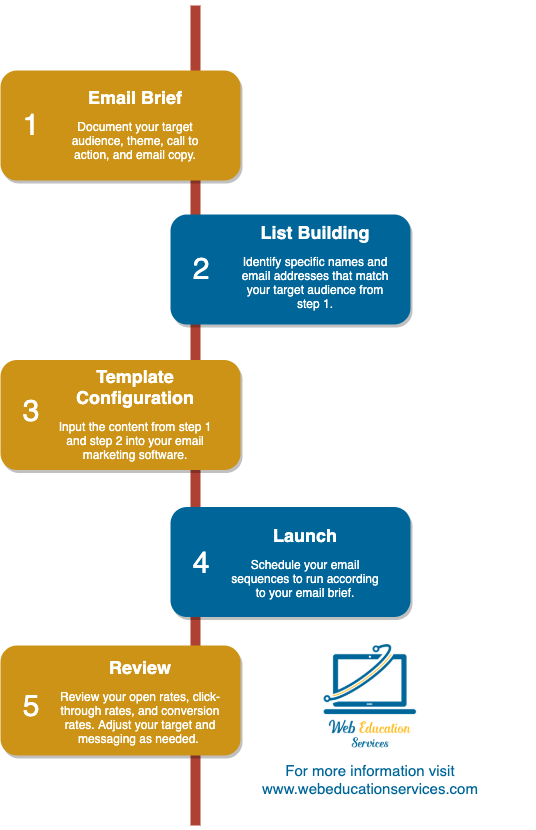
Credit: www.webeducationservices.com
Segmenting Your Email List
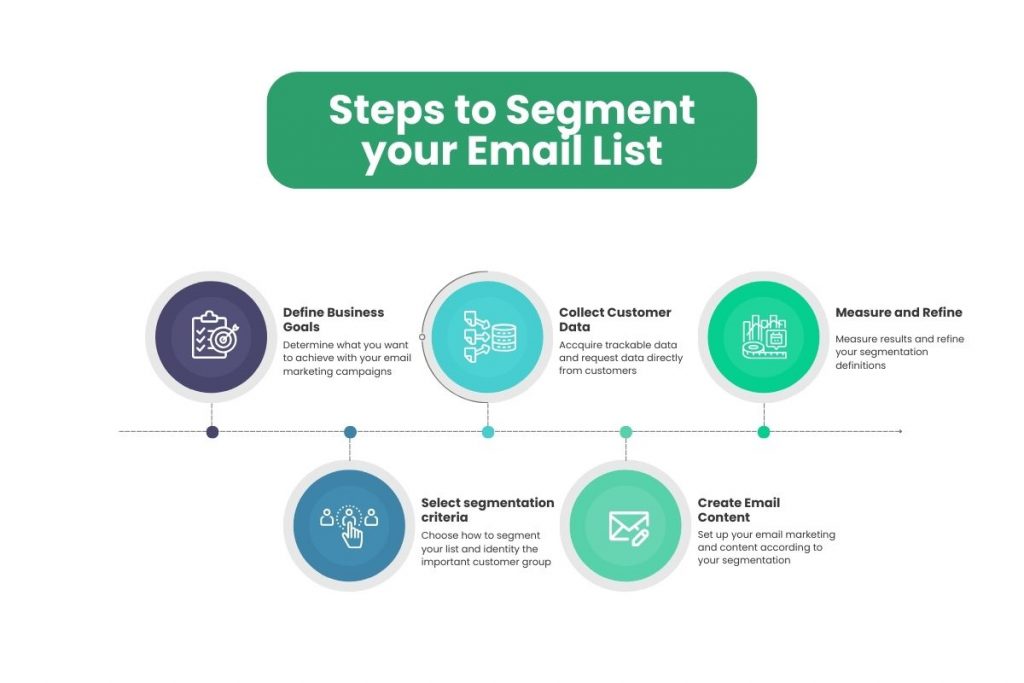
Segmenting your email list means dividing your subscribers into smaller groups. Each group shares similar traits or interests. This helps you send emails that fit their needs better. It makes your email marketing more effective and personal. You avoid sending the same message to everyone. Instead, you target specific groups with relevant content.
Benefits Of Segmentation
Segmentation improves email engagement rates. People receive emails that match their preferences. This leads to higher open and click rates. It reduces the chance of unsubscribing or marking emails as spam. You build stronger relationships with your audience. It also helps you send offers and messages that suit each group. This increases sales and customer loyalty.
Common Segmentation Techniques
Segment your list by demographics like age, gender, or location. Use purchase history to send relevant product offers. Group subscribers by how they interact with your emails. For example, frequent openers or recent buyers. Segment based on interests or preferences collected from sign-up forms. This allows you to tailor content and promotions. Testing different segments can show which works best.
Maintaining List Quality
Maintaining list quality is key for successful email marketing. A clean and active list improves deliverability and engagement. It helps your messages reach real people who want to hear from you. Low-quality lists lead to high bounce rates and spam complaints. These hurt your sender reputation and reduce campaign effectiveness.
Cleaning Out Inactive Subscribers
Inactive subscribers do not open or click your emails. Keeping them on your list lowers your engagement rates. Remove or re-engage these users regularly to keep your list fresh. Send a re-engagement email first. Ask if they want to stay subscribed. If no response, remove them from your list. This step boosts your open rates and improves sender reputation.
Avoiding Spam Traps
Spam traps are email addresses used to catch spammers. Sending emails to these addresses harms your reputation. Avoid buying email lists. Always use double opt-in to confirm subscribers. Regularly clean your list to remove invalid emails. These actions help keep your list safe and your campaigns effective.
Compliance With Email Laws
Compliance with email laws is essential when building an email list. These laws protect people’s privacy and prevent spam. Following these rules helps keep your email marketing legal and trustworthy. It also improves your sender reputation and increases open rates.
Ignoring email laws can lead to fines and damage your brand. Knowing the main laws and best practices keeps your list clean and engaged. It shows respect for your subscribers and their data.
Understanding Gdpr And Can-spam
The General Data Protection Regulation (GDPR) is a European law. It requires businesses to get clear permission before sending emails. People must know what data you collect and how you use it. They can also ask to delete their data anytime.
The CAN-SPAM Act is a US law that controls commercial emails. It demands a clear unsubscribe option in every message. Emails must include your physical address and honest subject lines. It also forbids sending emails to purchased or rented lists.
Best Practices For Consent
Always ask for permission before adding someone to your list. Use simple signup forms that explain what subscribers get. Avoid pre-checked boxes; let people choose freely.
Send a confirmation email to verify consent. This step confirms the person wants your emails. Keep records of consents to prove compliance if needed.
Respect unsubscribe requests immediately. Make the process easy and quick. This builds trust and keeps your list active and interested.
Measuring Email List Growth
Measuring email list growth helps understand the success of your marketing efforts. It shows if your strategies attract new subscribers. Tracking growth keeps your list healthy and active. It also points out areas for improvement.
Key Metrics To Track
Start with the number of new subscribers each week. Monitor how many people unsubscribe or bounce. The growth rate shows how fast your list expands. Look at the engagement rate to see if subscribers open emails. The click-through rate reveals how many click links inside your emails.
Tools For Monitoring
Email marketing platforms often provide built-in analytics. Tools like Mailchimp and Constant Contact show detailed reports. Google Analytics can track signups from your website. Use these tools to gather data and spot trends. Regular checks help keep your list growing steadily.

Credit: www.femfounder.co
Credit: merchize.com
Frequently Asked Questions
What Is The Best Way To Start An Email List?
Begin by choosing a clear signup form on your website. Offer valuable incentives like ebooks or discounts. Use social media to promote your list. Consistently collect and organize emails for effective marketing campaigns.
How Can I Grow My Email List Quickly?
Use lead magnets such as free guides or webinars. Promote your signup form on multiple channels. Run contests or giveaways to attract subscribers. Ensure your signup process is simple and mobile-friendly.
What Tools Help Create And Manage Email Lists?
Popular tools include Mailchimp, ConvertKit, and AWeber. These platforms offer easy list building and automation. They help segment your audience and track campaign performance for better results.
How Often Should I Email My List?
Email your subscribers 1-2 times per week. Keep content relevant and valuable to maintain interest. Avoid spamming to reduce unsubscribes and improve engagement rates.
Conclusion
Building an email list takes time and effort. Focus on offering real value to your audience. Use clear sign-up forms and make joining easy. Keep your messages helpful and respect your readers’ privacy. Watch your list grow steadily by staying consistent.
Email marketing works best with a strong, engaged list. Start small, stay patient, and keep improving your approach. Success comes with regular care and attention.


