Do you ever wonder how businesses seem to know exactly what you want? It’s not magic—it’s smart marketing.
Building an email list is one of the most powerful tools at your disposal to achieve this kind of connection. Imagine being able to communicate directly with people who are interested in what you offer. You can share updates, special offers, and valuable content straight to their inboxes.
This isn’t just about sending emails; it’s about building relationships. You have the opportunity to engage with your audience on a personal level and keep your brand top-of-mind. Curious about how you can create your own email list for marketing? Let’s dive in and discover the secrets to growing an engaged audience that can’t wait to hear from you.
Building The Foundation
Creating an email list for marketing success starts with a solid foundation. The foundation shapes your strategy and impacts results. It begins with knowing who you want to reach and what tools you’ll use. These are crucial steps that lay the groundwork for your email marketing journey.
Identifying Target Audience
The first step in building your foundation is identifying your target audience. Who are the people interested in your products or services? Consider age, location, interests, and buying habits. Understanding these factors helps tailor your emails to engage them. Create a customer persona, a fictional profile of your ideal customer. This makes it easier to address their needs and preferences.
Choosing The Right Platform
Selecting a suitable platform is vital for effective email marketing. There are many options available, like Mailchimp or Constant Contact. These platforms offer tools to manage your email list and campaigns. Look for features like automation, analytics, and integration. Ensure the platform fits your budget and marketing goals. A good platform simplifies your workflow and enhances your efforts.
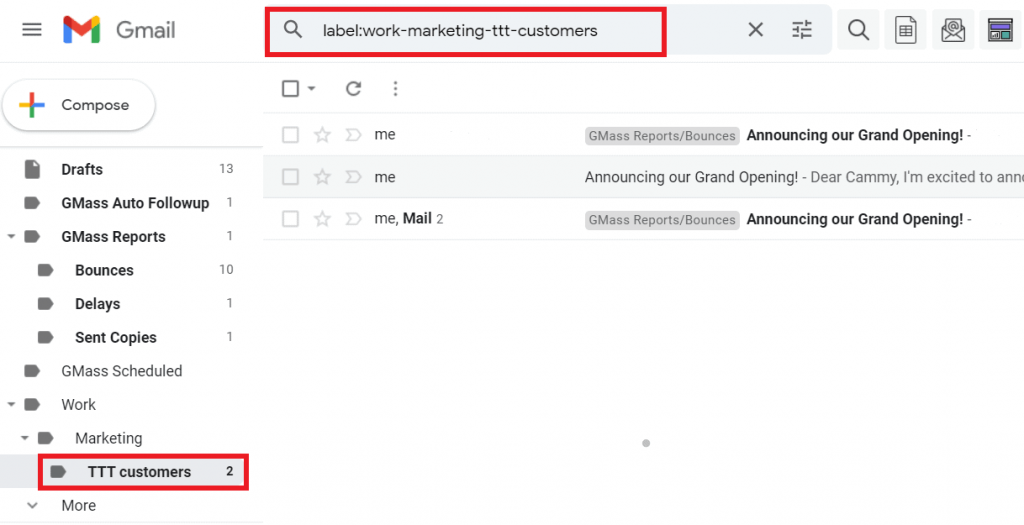
Credit: www.gmass.co
Attracting Subscribers
Building an email list boosts marketing efforts. Offer valuable content to entice visitors to subscribe. Use sign-up forms on your website to capture emails.
Attracting subscribers is the first step in building an email list for marketing. This process involves capturing the attention of potential subscribers. You need to offer them value, making them eager to join your list. An effective way to do this is by creating content that speaks directly to their needs and interests. Below, we explore how to attract subscribers with compelling content and lead magnets.Creating Compelling Content
Engaging content is key to attracting subscribers. Write blogs that address common problems. Use simple language and short sentences. Share tips and advice that readers find useful. Always keep your audience in mind. What do they want to learn? What interests them? Answering these questions helps you create content that resonates with readers.Consistent posting keeps your audience engaged. They will look forward to your next post. This anticipation makes them more likely to subscribe. Encourage feedback to make your content more interactive. Respond to comments to show you value their input. This builds a community around your content.Utilizing Lead Magnets
Lead magnets are incentives offered to potential subscribers. They are valuable resources given in exchange for an email address. Examples include eBooks, checklists, and templates. Choose a lead magnet that aligns with your audience’s interests. Ensure it provides real value.Create a clear and simple signup form. Place it prominently on your website. Highlight the benefits of subscribing. Explain what they will receive. This clarity encourages more signups.Promote your lead magnets through various channels. Use social media and blog posts to spread the word. The more people know about your offer, the higher your signups will be.Optimizing Signup Forms
Creating an email list is crucial for effective marketing. An optimized signup form is your gateway to building a robust subscriber base. A well-designed form captures more leads and increases conversion rates. But how do you make your signup forms irresistible to visitors?
Design Tips For Forms
Simple is powerful. Keep your signup form straightforward to avoid overwhelming visitors. Limit fields to essential information like name and email address.
A cluttered form can deter signups. Use clean lines and ample white space to make it visually appealing. Consider using colors that contrast with your website’s background to make the form pop.
Test different form designs to see what resonates with your audience. You might be surprised at how a small tweak in color or font can boost engagement.
Placement Strategies
Location matters. Where you place your signup form can significantly impact its effectiveness. Consider putting it above the fold, where visitors see it without scrolling.
Try embedding the form within blog posts. If someone enjoys your content, they might be more inclined to subscribe right then and there.
Pop-ups can be effective if used wisely. Trigger them when a visitor is about to leave your site or after they’ve spent some time engaging with your content.
Have you considered a sidebar? It’s a subtle yet visible option for frequent visitors. You can also use exit-intent pop-ups for visitors leaving your site.
What are you noticing about your current forms? Are they grabbing attention or blending into the background? Take a moment to assess and make strategic changes.
Leveraging Social Media
Building an email list through social media involves engaging followers with valuable content. Share exclusive offers and use call-to-action prompts. Encourage followers to subscribe for updates and newsletters.
Leveraging social media is a powerful strategy to grow your email list for marketing purposes. With millions of users interacting daily, social platforms offer a goldmine of opportunities to capture attention and interest. The key is to engage users in a way that compels them to want more from your brand, starting with signing up for your emails.Engaging Social Campaigns
Think about your last scroll through Instagram or Facebook. What caught your eye? Was it a vibrant image, a catchy caption, or maybe a compelling call-to-action? Creating engaging social campaigns means crafting content that stands out in the crowded feeds of your audience.Use images and videos that tell a story. Make sure your posts are relatable and resonate with your target audience’s interests and needs. Include a clear call-to-action encouraging users to sign up for your email list to receive exclusive content or offers.Consider running contests or giveaways that require email sign-ups. People love free stuff and are more likely to share their email if they see the value in return. Engage your audience with polls or quizzes that end with an invitation to join your email list for personalized insights or results.Collaborations With Influencers
Have you ever bought a product because your favorite influencer recommended it? Collaborating with influencers can significantly boost your email list. Influencers have built trust with their followers, and their endorsement can lead to higher conversion rates for your email sign-up efforts.Identify influencers who align with your brand’s values and target audience. A micro-influencer with a highly engaged community may be more beneficial than a celebrity with millions of followers. Work with them to create authentic content that drives their followers to your email list.Offer influencers incentives for promoting your email sign-up. This could be exclusive access to your products or services, which they can share with their audience. Their followers will be curious to join your email list to gain similar benefits.Social media is not just a place for likes and shares. It’s a dynamic platform where you can actively grow your email list. So, how will you leverage your social presence to build a thriving email community?Email List Management
Building an email list starts with identifying your target audience. Use signup forms on your website to gather emails. Offer valuable content or incentives to encourage subscriptions.
Creating an email list is just the beginning of your marketing journey. To truly harness the power of email marketing, managing your list effectively is crucial. Proper email list management ensures your messages reach the right people and keep them engaged. Let’s dive into some key strategies that can transform your email marketing efforts.Segmenting Subscribers
Not all subscribers are the same. Segmenting your subscribers allows you to send tailored content that meets their specific needs or interests. Think about the last time you received an email that felt like it was written just for you. That’s the magic of segmentation.You can segment your list based on various criteria, such as purchase history, location, or engagement level. Start by using basic information you’ve collected, like age or gender, and gradually add more segments as you learn more about your audience. This approach not only increases engagement but also boosts conversion rates.Maintaining List Health
A healthy email list is an engaged email list. Regularly clean your list by removing inactive subscribers. This might sound counterintuitive, but it keeps your list healthy and ensures your emails land in the inbox, not the spam folder.Pay attention to bounce rates. If an email address is consistently bouncing, it’s a sign it’s no longer valid. Remove it to keep your list up-to-date. Engage with your audience by asking them for feedback or conducting surveys. This not only shows you care about their opinion but also keeps your list fresh and relevant.Have you ever wondered why some emails just don’t seem to reach you? It might be because of poor list health. Ensuring your list is active and engaged is a win-win for both you and your subscribers.Remember, it’s not about how many people are on your list, but how many are actively engaged. Start focusing on quality over quantity today.
Credit: spraguemedia.com
Analyzing Performance
Creating an email list is just the start. Analyzing its performance is vital. It helps in understanding what works and what doesn’t. This step ensures your marketing efforts are effective. By analyzing, you can make informed decisions. This helps improve engagement and conversion rates.
Tracking Key Metrics
Tracking key metrics is essential. These metrics include open rates, click-through rates, and bounce rates. Open rates show the percentage of recipients who open your emails. Click-through rates measure how many people clicked links inside the email. Bounce rates track emails that didn’t reach the inbox. Keeping an eye on these numbers helps identify areas for improvement. It guides you in crafting better content.
Adjusting Strategies
Adjusting strategies is crucial after analyzing data. If open rates are low, try changing your subject lines. Make them more engaging or relevant. If click-through rates are falling, test different call-to-actions. Experiment with email design, content, or send times. Always test one change at a time. This helps you understand which adjustment works best. Constantly refine your approach for better results.
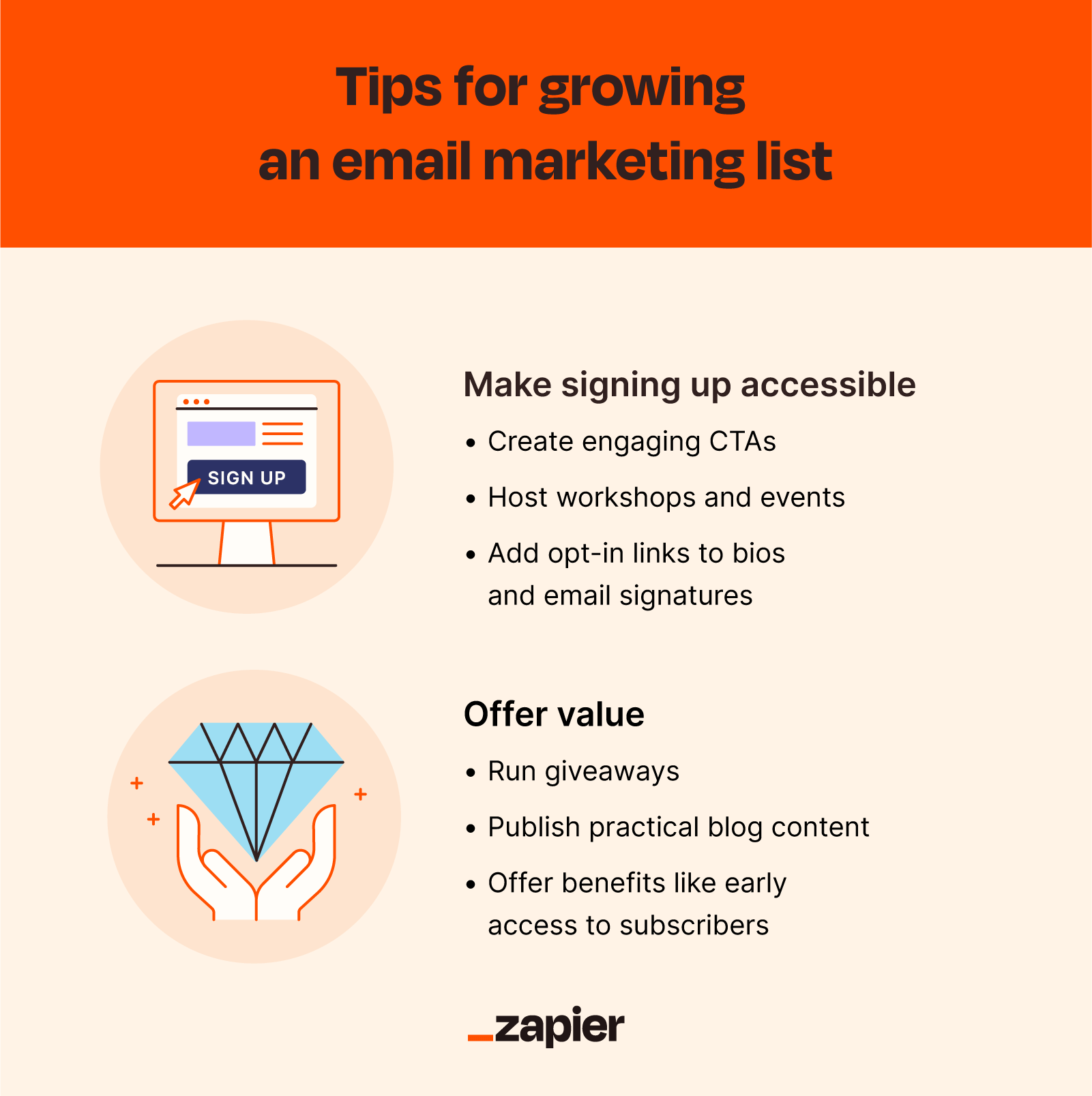
Credit: www.datadab.com
Frequently Asked Questions
What Is The Best Way To Build An Email List For Marketing?
Create engaging content to attract sign-ups. Use lead magnets like eBooks or discounts. Optimize your website with clear CTAs. Leverage social media and collaborations for wider reach. Regularly clean and segment your list for better targeting.
How Do I Get A List Of Email Addresses For Marketing?
Build an email list by creating engaging content and offering valuable incentives. Use sign-up forms on your website. Implement opt-in strategies through social media and webinars. Ensure compliance with GDPR by obtaining consent. Avoid purchasing lists to maintain quality and trustworthiness.
Focus on organic growth for effective email marketing results.
How To Create An Email Marketing Sequence?
To create an email marketing sequence, first define your goals and target audience. Plan and organize content strategically. Craft engaging subject lines and personalize your messages. Schedule emails at optimal times. Analyze performance data and adjust your strategy for better results.
Conclusion
Building an email list is vital for marketing success. Start by offering value to your audience. Free guides or special discounts work well. Use sign-up forms on your website. Promote them through social media and blogs. Always respect privacy. Never send spam.
Keep your emails relevant and engaging. Analyze results to improve strategies. Email lists help create strong connections. These connections drive brand growth. Your efforts will pay off in increased trust. Ultimately, an effective email list boosts your marketing efforts. Consistent communication is key.
Stay committed to nurturing your audience.