Are you ready to unlock the secrets of successful email marketing campaigns? Imagine reaching your audience right in their inbox, grabbing their attention, and compelling them to take action—all with just a few clicks.
You’re about to discover how to craft emails that not only get opened but also drive engagement and conversions. In this guide, we’ll walk you through the steps to create irresistible email campaigns that resonate with your audience. Whether you’re a seasoned marketer or just starting out, these strategies will help you connect with your subscribers in ways that feel personal and impactful.
Get ready to transform your email marketing efforts and watch your business grow. Stay with us, and let’s dive into the world of email marketing mastery!
Understanding Email Marketing
Crafting an email marketing campaign involves selecting a clear goal and creating engaging content. Design eye-catching templates and personalize messages for your audience. Test and analyze results to improve future campaigns.
Email marketing is a powerful tool that connects you directly with your audience. Understanding its potential can transform your marketing strategy into a robust and responsive system. Imagine having a direct line to your customers, right in their inboxes. It’s more personal than social media and more targeted than traditional advertising. Learning how to utilize email marketing effectively is crucial for any business looking to thrive in the digital age.Importance Of Email Marketing
Email marketing remains one of the most cost-effective marketing strategies. It enables you to reach a large number of people at a fraction of the cost of other marketing methods. Every dollar spent on email marketing can yield a significant return on investment.Think about how often you check your email each day. Now imagine your potential customers doing the same. Email is a daily habit for many, making it an ideal channel for engaging with your audience regularly. It’s not just about promoting products; it’s about building relationships.Types Of Email Campaigns
There are several types of email campaigns you can create, each serving different purposes. Newsletters are perfect for sharing updates and keeping your audience informed. They help maintain a connection and keep your brand top-of-mind.Promotional emails are designed to boost sales and encourage purchases. These can include special offers, discounts, and exclusive deals that create urgency and drive action.Welcome emails are crucial for making a great first impression. They set the tone for future interactions and help establish a strong relationship from the start. They often include a thank you message and an introduction to your brand.Which type of email campaign do you think would work best for your business? Each has its unique benefits, and mixing them up can keep your content fresh and engaging.By understanding the importance and types of email marketing, you can craft campaigns that resonate with your audience and achieve your business goals.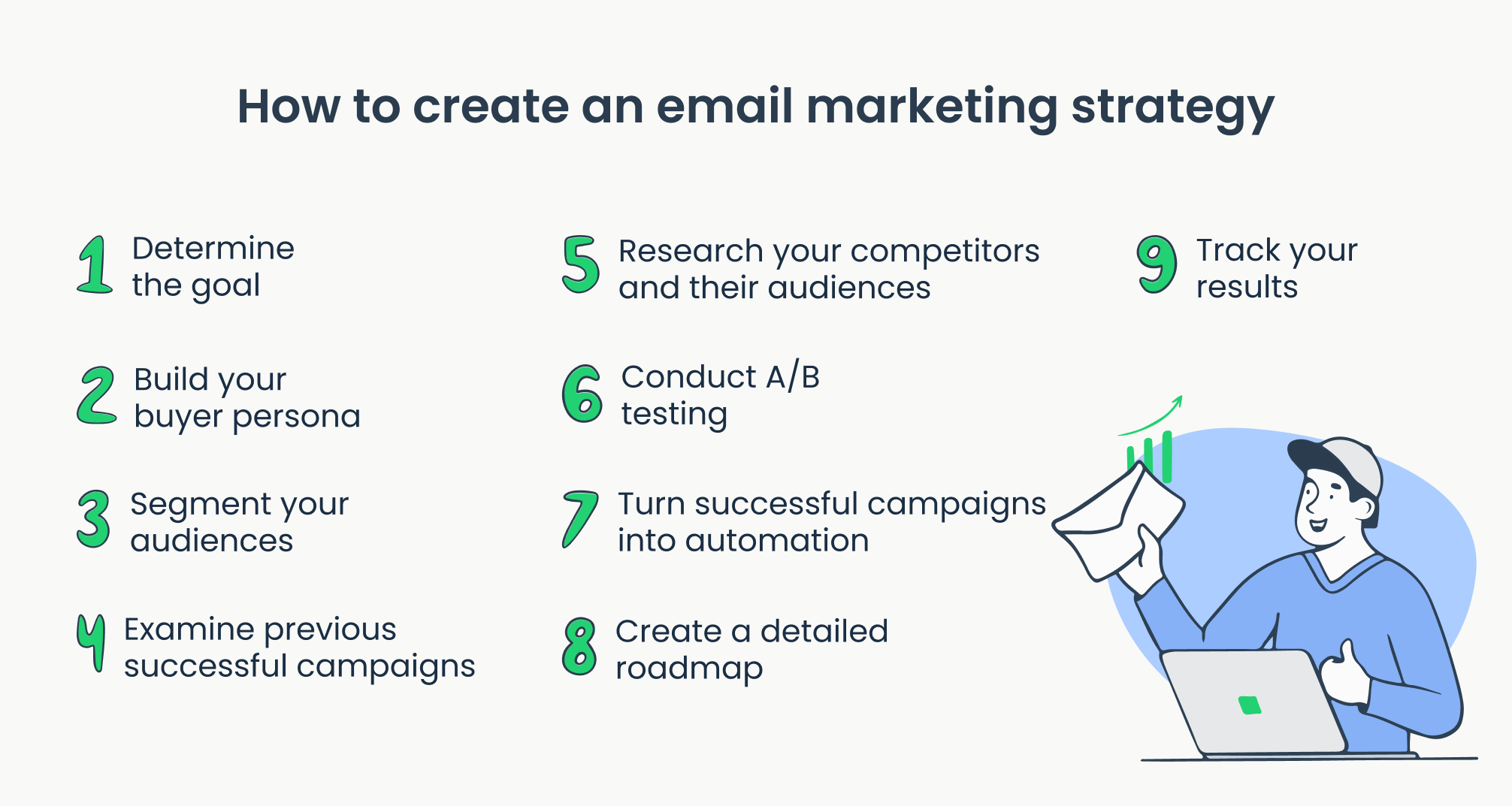
Credit: mailtrap.io
Setting Campaign Goals
Define clear goals for your email marketing campaign. This helps focus efforts and measure success. Goals guide content creation and audience targeting.
Creating a successful email marketing campaign begins with setting clear and strategic goals. Without well-defined goals, your campaign risks becoming directionless and ineffective. Understanding what you want to achieve will guide every other decision you make, from crafting the perfect message to selecting the right audience. Let’s dive into how you can set effective campaign goals that drive results.###Identifying Objectives
Start by asking yourself what you want to accomplish with your campaign. Are you aiming to increase sales, build brand awareness, or nurture existing customer relationships? Each objective requires a different approach.For example, if your goal is to boost sales, you might focus on special promotions or discounts. If brand awareness is your aim, consider sharing valuable content that highlights your expertise.Remember, your objectives should be specific, measurable, achievable, relevant, and time-bound (SMART). This clarity will help you stay focused and measure your success accurately.###Defining Target Audience
Knowing your audience is crucial. Who are you speaking to, and what are their needs? Define your audience based on demographics, interests, and behavior.Consider segmenting your audience for more personalized communication. For instance, you might have separate segments for new subscribers and loyal customers. Each group will respond differently to your message.Think about what problems your audience faces and how your product or service can solve them. Tailoring your message to meet their needs will increase engagement and conversion rates.Engage with your audience by asking questions in your emails. What do they want to hear about? How can you serve them better? This interaction not only builds relationships but also provides valuable insights for future campaigns.Setting campaign goals is more than just ticking a box. It’s about understanding your objectives and audience to create a meaningful connection. What steps will you take today to define your campaign goals?Building An Email List
Building an email list is crucial for successful email marketing campaigns. It connects you directly with your audience. This relationship fosters trust and engagement. A solid list is your gateway to increased conversions. It helps in nurturing leads and retaining customers. Let’s explore effective ways to build your email list.
Strategies For List Building
Offer valuable content to attract subscribers. Create engaging lead magnets like eBooks or guides. Use sign-up forms on your website. Place them where visitors can easily see them. Run contests or giveaways to encourage sign-ups. Utilize social media to promote your email list. Collaborate with influencers to reach a wider audience. Ensure your forms are mobile-friendly. Easy access encourages more sign-ups.
Segmenting Your Audience
Segmenting helps tailor your messages. Divide your list based on interests or behavior. This ensures relevant content reaches the right people. Use purchase history to segment customers. Send personalized offers to loyal clients. Consider geographic location for regional promotions. Analyze engagement rates to refine segments. Adjust strategies based on subscriber interactions. Improved targeting boosts open and click rates.

Credit: sproutsocial.com
Crafting Compelling Content
Creating engaging email marketing campaigns involves clear messages and attractive designs. Use simple language to connect with your audience. Grab attention with catchy subject lines and concise content.
Crafting compelling content is the backbone of any successful email marketing campaign. It’s not just about sending emails; it’s about connecting with your audience in a meaningful way. The right content can turn a casual reader into a loyal customer. Let’s dive into some key elements that make your email content stand out.Writing Effective Subject Lines
Subject lines are the first impression your email makes. They decide if your email is opened or ignored. Aim for clarity and curiosity.Keep them short and sweet. Think about what intrigues you when you scroll through your own inbox. Would “10% Off All Items” catch your eye, or would “Unlock Exclusive Savings Today!” be more compelling?Experiment with different styles. Use questions, numbers, or even emojis to grab attention. Remember, the goal is to make your reader want to know more.Personalization Techniques
Personalization goes beyond just using a subscriber’s name. It’s about making your reader feel understood and valued.Segment your audience based on their preferences and past behavior. This helps you tailor your messages effectively. If a customer often buys sports gear, recommend similar products or share workout tips.Use dynamic content to show relevant information. If it’s their birthday, send a special offer. Personalization makes your reader feel like the email was written just for them. How much more likely are you to engage with an email that feels personal and relevant?Incorporating these elements into your email campaigns can significantly boost engagement and conversion rates. Craft your content thoughtfully and watch your email marketing efforts thrive.Designing Your Email
Designing your email is a crucial step in email marketing. A well-crafted design grabs attention. It engages the reader and enhances communication. An effective design combines clarity and creativity. It aligns with your brand’s message and goals. Let’s explore key aspects to create a compelling email design.
Choosing A Template
Start with a suitable template. Templates provide structure and save time. Choose one that matches your brand’s style. Ensure it’s mobile-responsive. Most people read emails on phones. A responsive template enhances user experience. It keeps your audience engaged. Look for templates with clean layouts. Avoid clutter. Simplicity is key.
Incorporating Visual Elements
Visual elements enhance email appeal. Use images to tell your story. Choose high-quality, relevant images. They should support your message. Avoid overloading with visuals. Balance is important. Use colors wisely. Stick to your brand palette. Colors can evoke emotions. Ensure text is easy to read against backgrounds. Include a clear call-to-action. Guide your reader’s next step.
Implementing Automation
Create effective email marketing campaigns with automation. Schedule emails, segment audiences, and personalize content for better engagement. Save time and reach more customers effortlessly.
Implementing automation in your email marketing campaigns can transform the way you interact with your subscribers. Imagine sending the right message at the right time without lifting a finger. Automation allows you to do just that, ensuring your emails are timely, relevant, and personalized. It might sound technical, but once you understand the basics, it’s a game-changer for your marketing efforts.Setting Up Drip Campaigns
Drip campaigns are all about sending a series of emails over time. Start by defining your goal. Do you want to nurture leads or onboard new users?Next, map out your email sequence. Consider what information your subscribers need at each stage. You might start with a welcome email, followed by tips on using your product, and then send success stories.Use a simple calendar to plan your schedule. Decide how many days apart each email should be. A well-timed sequence keeps your audience engaged and prevents email fatigue.Using Behavioral Triggers
Behavioral triggers are a powerful way to make your emails more relevant. These are based on actions your subscribers take, like clicking a link or visiting a page.Think about the last time you browsed an online store but didn’t buy anything. Did you receive a follow-up email? That’s a behavioral trigger in action. It’s a gentle nudge to remind you of what you left behind.Set up triggers based on key actions. Maybe someone signed up for a webinar but didn’t attend. Send them a recording. Or if they looked at a product but didn’t purchase, offer a discount.Do you use automation in your campaigns? How has it changed your marketing strategy?Testing And Optimization
Testing and optimization are crucial for successful email marketing campaigns. They ensure your content connects with your audience. This process helps refine your messages and improve engagement. Let’s dive into the key strategies for testing and optimization.
A/b Testing Strategies
A/B testing involves comparing two versions of an email. Change one element in each version. Test subject lines, images, or calls-to-action. Send these variations to a small group. Analyze which version performs better. Use the winning version for the rest of your audience. This method helps identify what resonates with readers. It also boosts your campaign’s success.
Analyzing Campaign Performance
Analyzing performance is vital for email marketing. Start by checking open and click rates. These metrics show how engaging your content is. Low open rates suggest subject line issues. Low click rates indicate content problems. Look at bounce rates too. High bounce rates may mean list quality issues. Use these insights to refine future campaigns. Regular analysis leads to continuous improvement.
Ensuring Compliance
Email marketing is powerful for businesses. Yet, compliance is crucial. Failing to comply can lead to penalties. Understand the laws and regulations. Protect your business and customers. Let’s dive into compliance essentials.
Understanding Gdpr
The General Data Protection Regulation (GDPR) governs data privacy. It applies to EU residents’ data. Businesses must handle data responsibly. Transparency is key. Inform users about data usage. Obtain consent before collecting data.
GDPR emphasizes data protection. Respect users’ privacy rights. Offer clear privacy notices. Make them easy to understand. Regularly update your privacy policy. Ensure it reflects current practices.
Opt-in And Opt-out Processes
Opt-in means users agree to receive emails. It’s a voluntary action. Provide clear options for users. Explain what they sign up for. Avoid misleading information. Make the process straightforward.
Opt-out allows users to unsubscribe. It’s a vital feature. Make it simple and accessible. Include unsubscribe links in every email. Respect users’ choices promptly. Keep the process hassle-free.
Measuring Success
Measuring success in email marketing is crucial. It helps you understand what works. By analyzing data, you can refine your approach. This enhances future campaigns. A well-measured campaign can improve engagement and conversions. Let’s dive into the essential aspects of measuring success.
Key Performance Indicators
Key Performance Indicators, or KPIs, are vital. They offer insights into your campaign’s performance. Common KPIs include open rates and click-through rates. Open rates show the percentage of opened emails. Click-through rates indicate user interaction with links. Conversion rates track the number of actions taken. Analyzing these metrics can guide improvements.
Adjusting Strategies Based On Feedback
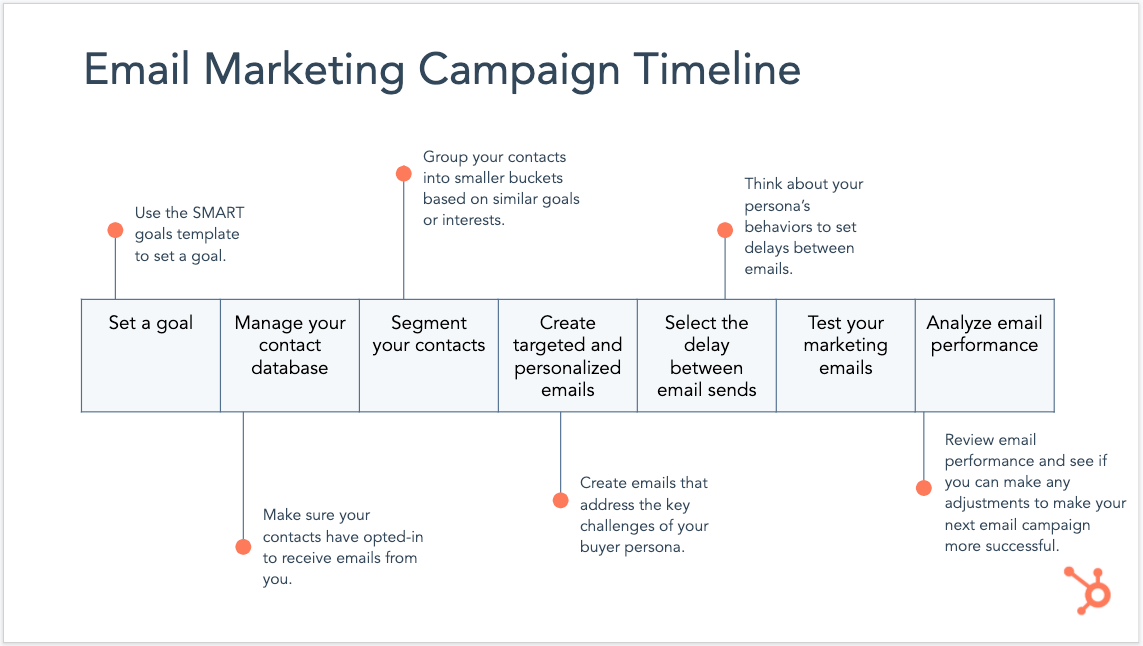
Feedback is a valuable resource. It provides insights into user preferences. Use this feedback to adjust your strategies. If open rates are low, tweak your subject lines. If click-through rates are low, revise the content. Test different approaches to see what works best. This constant adjustment helps enhance future campaigns.
Credit: blog.hubspot.com
Frequently Asked Questions
How To Build An Email Marketing Campaign?
Create a clear goal. Build a targeted email list. Craft engaging content. Design visually appealing templates. Schedule and send emails. Monitor performance and optimize.
What Is The 80/20 Rule In Email Marketing?
The 80/20 rule in email marketing suggests focusing 80% of efforts on audience engagement and 20% on promotion. Prioritize delivering valuable content and fostering relationships, while limiting direct sales pitches. This strategy enhances trust and leads to better long-term results, improving open rates and conversions.
How Much Is A 1000 Email List Worth?
The value of a 1000 email list varies. Factors include subscriber engagement, industry, and conversion rates. Well-targeted lists can be worth hundreds to thousands. Regularly update and segment your list for optimal results. Investing in quality content and personalization enhances your list’s potential value.
Conclusion
Creating effective email marketing campaigns takes planning and creativity. Start with clear goals. Know your audience and their needs. Craft messages that resonate. Keep your subject lines engaging. Test different elements. Analyze results. Adapt your strategies based on feedback. Always prioritize your subscribers’ interests.
Build trust with consistent and valuable content. Aim for genuine connections, not just sales. Remember, every email is a chance to strengthen your relationship with your audience. With patience and dedication, your efforts will pay off. Happy emailing!