
Are you ready to boost your business’s communication game? Crafting a compelling marketing email template can be your golden ticket to capturing your audience’s attention and driving action.
Imagine your emails not just being read, but eagerly anticipated. Sounds intriguing, right? In this guide, you’ll discover the secrets to designing email templates that not only look great but also convert. We’ll walk you through each step, ensuring you can create emails that resonate with your audience and strengthen your brand.
Stay with us, and let’s transform the way you connect with your customers.

Credit: stripo.email
Importance Of Email Marketing
Email marketing is a powerful tool in the digital age. It allows businesses to directly reach their audience with personalized messages. This direct communication builds relationships, drives sales, and keeps your brand top-of-mind.
Consider this: when was the last time you checked your email? Probably today. We all do. Email is part of our routine. This makes it a valuable channel for marketers.
With the right strategy, you can turn email marketing into a major revenue stream. However, crafting the perfect email isn’t just about sending a message. It’s about creating an experience that speaks to your audience.
Email marketing isn’t just another box to check. It’s a direct line to your customers. This means you can deliver tailored content straight to their inbox.
Unlike social media, email is personal. It allows you to target specific segments of your audience. This means you can send different messages to different people, based on their interests and behaviors.
Think about it: a well-crafted email can make someone feel special. It shows them that you understand their needs. This personal touch can build loyalty and trust.
Why Should You Focus On Email Marketing?
Did you know that email marketing has one of the highest ROI among digital marketing strategies? It’s true. With every dollar spent, you can expect a significant return.
Emails have staying power. They aren’t fleeting like social media posts. People can revisit them, and they often do. This gives your message a longer lifespan.
Moreover, email marketing is measurable. You can track open rates, click-through rates, and conversions. This data helps you refine your strategy over time.
Benefits Of Personalization In Email Marketing
Personalization is key. Imagine receiving an email with your name and recommendations based on your past purchases. You’re more likely to engage with it, right?
By tailoring your emails, you cater to individual preferences. This increases the likelihood of conversions. Personalized emails can improve engagement rates by leaps and bounds.
Consider sending a birthday discount or a product recommendation based on browsing history. These touches make the customer feel valued and understood.
How To Ensure Your Emails Stand Out
Your email needs to catch the reader’s eye. The subject line is your first impression. It should be compelling and relevant.
Next, focus on design. A clean, visually appealing layout can make your email more inviting. Use images and colors wisely to enhance the message.
Content is king. Provide value in your emails. Whether it’s a special offer or useful information, make sure the recipient finds it worth their time.
Are you ready to leverage email marketing for your business success? The time to start is now. Crafting engaging and personalized emails can transform your marketing strategy.
Defining Your Audience
Defining your audience is crucial in creating effective marketing email templates. Understanding who your audience is allows you to tailor your messages. This leads to higher engagement and conversion rates. Knowing your audience helps in crafting content that resonates with them.
Understanding Demographics
Start by identifying basic demographics. Age, gender, location, and income level. These factors influence how people perceive your emails. Use demographic data to segment your audience into groups.
Analyzing Behavioral Patterns
Observe how your audience interacts with your brand. Are they frequent buyers or just browsing? Do they prefer emails at a certain time? Analyze their behavior to send more relevant content.
Identifying Pain Points
What problems does your audience face? Understanding their challenges helps in offering solutions. Addressing these pain points in your emails builds trust.
Creating Buyer Personas
Create detailed profiles of your ideal customers. Include their interests, preferences, and buying habits. This helps in personalizing your email content.
Using Feedback And Surveys
Collect feedback from your audience. Use surveys to gather insights about their preferences. This data guides your email template design and content.
Monitoring Engagement Metrics
Keep an eye on email open and click rates. These metrics show what content engages your audience. Use this information to refine your email strategies.
Setting Clear Goals
Defining goals is key for crafting effective marketing email templates. Clear objectives guide design, content, and tone, ensuring alignment with campaign aims. Tailor templates to target audience needs, enhancing engagement and boosting conversion rates.
Creating an effective marketing email template starts with setting clear goals. Before diving into design and content, take a moment to define what you want your email to achieve. Is it driving traffic to your website? Increasing product sales? Or maybe boosting engagement with your brand? Knowing your objectives will streamline your approach and make your emails more impactful.Understanding Your Purpose
Pinpoint the primary purpose of your email. Do you want your audience to act immediately, or are you nurturing long-term relationships?Consider your target audience. What are their needs and interests? Align your goals with the expectations of your subscribers.Identifying Key Performance Indicators
Select measurable KPIs that reflect your goals. Are you tracking open rates, click-through rates, or conversion rates?Use these indicators to gauge the effectiveness of your email campaigns. Adjust your strategies based on these insights.Setting Realistic Targets
Set achievable targets for your email campaigns. Rather than aiming for sky-high sales, focus on incremental growth.Consider past performance data to set benchmarks that are both challenging and attainable.Aligning Goals With Content
Design your email content to directly support your goals. If the goal is to boost sales, include compelling calls to action and direct links to product pages.Personalize your messages to resonate with your audience, making them more likely to engage.Evaluating And Adjusting
Regularly review your email performance against your goals. Are you hitting your targets, or is there room for improvement?Adjust your strategies based on feedback and data. This iterative process will refine your approach and enhance your results.When setting goals, think about how they fit into your broader marketing strategy. Are your email goals consistent with your overall business objectives?By clearly defining your goals, you give your email marketing efforts direction and purpose, ensuring every campaign has the potential to succeed. What will your next marketing email achieve?Choosing The Right Email Platform
Creating an effective marketing email template begins with the right platform. The choice of platform can influence your email’s success. It affects design, delivery, and tracking capabilities. Selecting the right one ensures your emails reach the right audience. Let’s explore key factors for choosing an email platform.
Ease Of Use
Choose a platform that’s easy to navigate. User-friendly interfaces save time. They help in creating emails quickly. Look for drag-and-drop features. They simplify the design process. No coding skills needed.
Customization Options
Customization is crucial for personal branding. Ensure the platform offers template flexibility. You want to match your brand style. Check for font and color options. The more, the better.
Integration Capabilities
Your platform should integrate with other tools. This includes CRM, social media, and e-commerce sites. Integration streamlines the workflow. It helps in gathering data for better targeting.
Analytics And Reporting
Understand how your emails perform. Choose a platform with robust analytics. Track open rates, clicks, and conversions. This data guides future email strategies. Improve based on real insights.
Deliverability Rates
High deliverability is essential. Ensure your emails land in inboxes, not spam. Research platform reputation. Check user reviews and ratings. A good platform maintains strong deliverability standards.
Pricing Structure
Consider your budget. Platforms offer various pricing plans. Look for ones that fit your needs. Compare features with costs. Ensure you get value for your money.
Customer Support
Reliable support can save you time. Look for platforms with good customer service. Check if they offer chat, email, or phone support. Quick assistance is crucial in solving issues.
Designing The Template Layout
Creating a marketing email template involves choosing a clean layout. Focus on clear sections for text and images. Ensure the design is mobile-friendly for better accessibility.
Designing an email template layout is essential for effective marketing. A well-structured layout guides the reader. It enhances engagement and directs attention. Careful design impacts readability and conversion rates. Let’s explore how to create a compelling template.Header And Footer Design
The header is the first thing people see. It should include your logo and brand name. Keep it simple and clear. Use colors that match your brand. The footer provides essential information. Include contact details and unsubscribe links. Also, add social media icons for easy access.Balancing Text And Images
Balance is key in email design. Use images to break up text. They should be relevant and eye-catching. Avoid using too many images. Text should be concise and engaging. Short paragraphs work best. Use bullet points for clarity.Call-to-action Placement
The call-to-action (CTA) is crucial. Place it where readers can see it easily. Use contrasting colors to make it stand out. The text should be clear and direct. Encourage action with words like “buy now” or “learn more.” Make sure the CTA is clickable on all devices.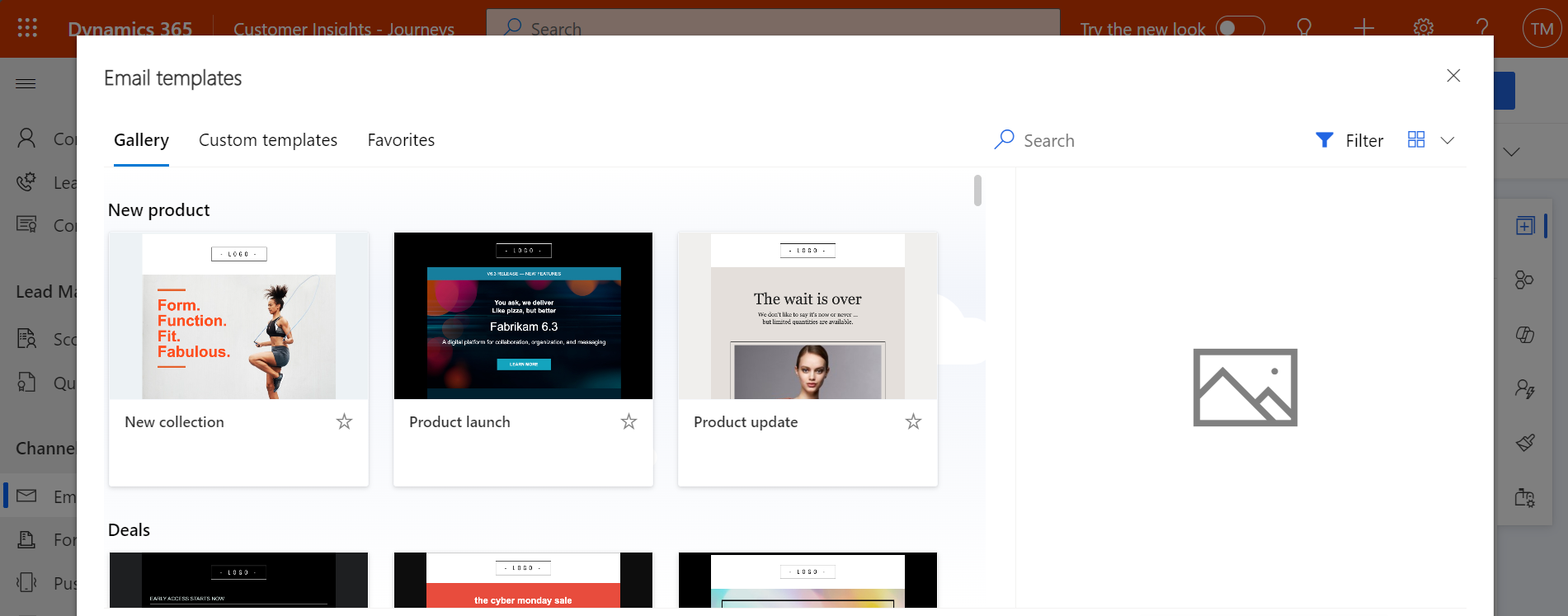
Credit: learn.microsoft.com
Crafting Engaging Content
Crafting engaging content involves designing a clear, concise marketing email template. Focus on a compelling subject line. Use short, direct messages. Include a call-to-action. Make sure the layout is visually appealing and easy to read.
Crafting engaging content is crucial for marketing email templates. It captures attention and drives action. With the right approach, recipients will read, click, and respond positively.Writing Compelling Subject Lines
Subject lines are the first thing recipients see. Make them short and intriguing. Use action verbs to create urgency. Ask questions that spark curiosity. Avoid spammy words like “free” or “discount”. Personalize the subject line for better connection. Focus on clear and direct language.Personalizing The Message
Personalization makes emails feel more relevant. Use recipient names in greetings. Reference past interactions or purchases. Tailor content to fit their interests. Include location-specific details for local relevance. Segment your audience for better targeting. Personal touches increase engagement.Incorporating Visual Elements
Visuals make emails more appealing. Use images that support your message. Incorporate graphics to break up text. Use charts for data presentation. Ensure images are mobile-friendly. Include clear call-to-action buttons. Visual elements should enhance, not distract, from the message.Testing The Email Template
Crafting effective marketing email templates involves testing layout and content. Check how images and text appear on various devices. Ensure links and call-to-action buttons function correctly for a seamless user experience.
Testing your email template is crucial for ensuring it effectively reaches and engages your audience. You’ve spent time crafting the perfect message and design, but if it doesn’t perform well, your efforts might go unnoticed. Testing helps identify what works best and what needs adjustment, ultimately improving your marketing success.A/b Testing Techniques
A/B testing, also known as split testing, allows you to compare two versions of your email to see which one performs better. Try changing one element at a time, like the subject line or call-to-action button. This way, you can pinpoint what impacts your audience most.Imagine you’re torn between two subject lines. You send version A to half your list and version B to the other half. Analyze which subject line gets more opens and clicks. This method helps you make data-driven decisions.Don’t stop at subject lines. Experiment with different images, layouts, and messaging. The insights you gain can guide your future email campaigns. How often do you test your emails?Ensuring Mobile Responsiveness
Mobile responsiveness is non-negotiable. A large portion of your audience will read your emails on their phones. If your template isn’t mobile-friendly, you risk losing engagement.Use responsive design techniques to ensure your emails look great on any device. Test your email on various screen sizes and devices. This ensures everyone has a seamless experience.Think about your own experiences. Have you ever struggled to read an email on your phone? Don’t let that happen to your subscribers. Make sure your text is legible and your buttons are easily clickable. Your audience will thank you with higher engagement rates.Incorporating these testing strategies can make a significant difference. By understanding what your audience prefers and ensuring ease of access, you set the stage for successful email marketing. What changes will you make to your next email template?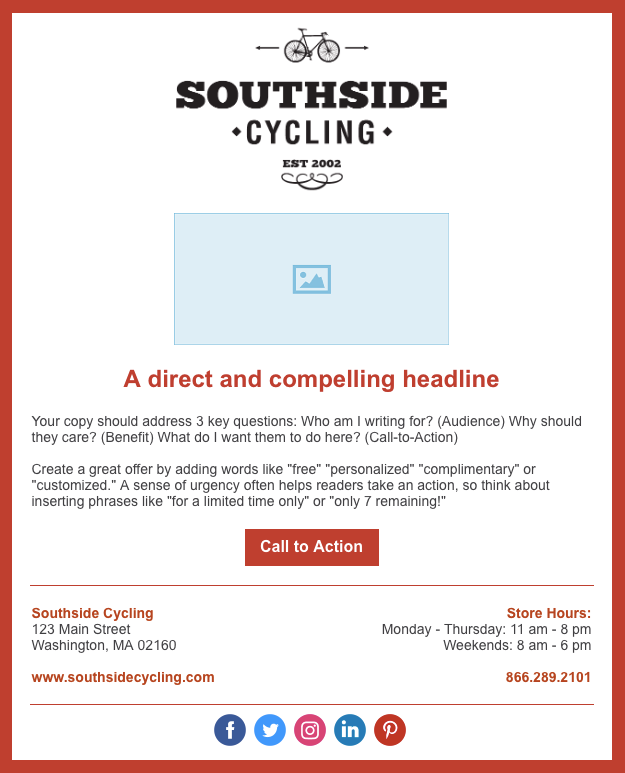
Credit: www.constantcontact.com
Analyzing Performance Metrics
Crafting marketing email templates involves assessing performance metrics. These metrics help refine your template for better engagement. They reveal which elements attract clicks and drive responses.
Analyzing performance metrics is a crucial step in crafting effective marketing email templates. It’s not just about sending emails but understanding how they perform to improve future campaigns. By diving into these metrics, you can fine-tune your strategy and achieve better results.Open And Click Rates
Open and click rates are the heartbeat of your email campaign performance. Open rate tells you how many recipients actually opened your email. A low open rate might indicate that your subject line needs work or your sending frequency is off.Click rate goes a step further by showing how many of those who opened the email actually clicked on a link inside. If your click rate is low, consider whether your content is engaging enough or if your call-to-action is clear.Consider this: I once revamped a campaign’s subject line and saw a 20% increase in open rates. What small change can you make today?Conversion Tracking
Conversion tracking measures the ultimate success of your email campaigns. It’s about knowing how many email recipients took the desired action, such as making a purchase or signing up for a webinar. Without this metric, you’re navigating blind.Use tools like Google Analytics to track these conversions. Set specific goals and see which emails drive real action.Think about the last time you tweaked an email and saw a tangible result. Was it the layout, the offer, or perhaps a personalized touch?Analyzing these metrics not only guides you in crafting better emails but also keeps you connected with your audience’s needs and preferences. It’s a continuous cycle of learning and adapting—are you ready to embrace it?Optimizing For Better Results
Crafting an effective marketing email template starts with clear goals and audience understanding. Choose a simple layout that highlights your message. Use engaging subject lines and concise content to capture attention.
Optimizing your marketing email templates for better results can feel like finding the secret recipe to your grandma’s famous cookies. You have the basic ingredients, but it’s the tweaks and adjustments that make it a winner. The same goes for email templates. Small changes in how you segment your audience or refine content based on feedback can significantly boost your engagement.Segmenting Your Audience
Start by identifying who your audience is. Are they young professionals, retirees, or small business owners? Each group has different needs and interests.Use your data to create specific segments. This could be based on purchase history, location, or engagement with previous emails. Tailoring your messages to these segments increases the chances of your emails resonating with the recipients.Personalization is key. When you address the needs of each segment, your audience feels understood. This connection often translates into higher open and conversion rates.Refining Content Based On Feedback
Feedback is a goldmine for improvement. Use surveys or direct responses to understand what your audience likes and dislikes about your emails.Analyze open rates, click-through rates, and conversion rates to gauge the effectiveness of your content. This data tells a story about what works and what doesn’t.Make data-driven changes. If certain phrases or calls-to-action (CTAs) perform better, use them more often. If images increase engagement, consider incorporating more visuals. You can create a more effective email template by continuously refining your content.Have you considered asking your audience what they want to see more of? Engaging directly with your subscribers can offer insights that you might have overlooked.Frequently Asked Questions
How To Make An Email For Email Marketing?
Craft a compelling subject line to grab attention. Personalize the content to engage your audience. Use clear, concise language and include a call-to-action. Ensure mobile compatibility and test for errors. Segment your audience for targeted messaging.
How Do I Create A Marketing Email Template In Outlook?
Open Outlook. Click “New Email,” design your email, then save as a template. Select “File,” “Save As,” and choose “Outlook Template. “
What Are The 5 T’s Of Email Marketing?
The 5 T’s of email marketing are Targeting, Timing, Testing, Tracking, and Trust. Target specific audiences effectively. Send emails at optimal times. Test different strategies for better results. Track performance to analyze and improve. Build trust with subscribers through consistent value.
Conclusion
Creating a marketing email template is simple. Focus on clarity and design. Keep the message concise. Use engaging visuals. Ensure the template is responsive. Test on different devices. Personalize the content. Address the recipient directly. Track performance with analytics tools.
Make adjustments as needed. Regular updates help improve results. Remember, your goal is to connect. Engage with your audience authentically. A well-crafted template boosts engagement. Consider your audience’s preferences. Deliver value in every email. Keep experimenting and learning. Success comes with practice and patience.


