
Are your emails being ignored or deleted without a second glance? You might be missing out on the magic of effective email design.
Imagine crafting emails that not only capture attention but also spark curiosity and drive action. In this guide, you’ll discover how to transform your email marketing strategy into a powerful tool that engages your audience and boosts your results. You’ll learn simple yet impactful design techniques that can make your emails irresistible, leading to higher open rates and conversions.
Dive in and unlock the secrets to designing emails that your subscribers can’t wait to open.
Understanding Your Audience
Crafting effective email marketing starts with knowing your audience. Identify their interests and needs to tailor your message. Create engaging content that resonates and encourages interaction.
Understanding your audience is the cornerstone of successful email marketing. When you know who you’re talking to, your emails feel personal and relevant. This connection can significantly boost your open rates and conversions. But how do you truly understand your audience? It starts with segmenting your email list and creating buyer personas.###Segmenting Your Email List
Segmenting your email list allows you to tailor your messages to different groups within your audience. Think of it as dividing your audience into smaller, more manageable sections. This can be based on demographics, purchase history, or engagement levels.Why is segmentation important? It ensures that your content is relevant to each group. For example, if you run an online clothing store, you might have one segment for men’s fashion and another for women’s fashion. Sending a men’s fashion email to someone interested in women’s fashion wouldn’t make sense, right?Start by analyzing your current email list. Identify patterns and group your contacts accordingly. Use tools within your email marketing platform to automate this process. This way, you can spend more time crafting compelling content for each segment.###Creating Buyer Personas
Buyer personas are fictional characters that represent segments of your audience. They help you understand your audience’s needs, preferences, and behaviors. When you create these personas, you’re not just guessing who your audience is; you’re putting a face to your data.How do you create a buyer persona? Begin with research. Look at data from your website analytics, customer feedback, and social media interactions. Identify common traits and preferences among your audience.Next, give your persona a name and backstory. For instance, meet “Tech-Savvy Tina,” a 28-year-old who loves gadgets and online shopping. She values convenience and quick responses. When crafting emails for Tina, you’d focus on tech-related content and emphasize ease of purchase.Ask yourself, “What are my audience’s pain points?” or “What solutions can my product offer them?” Use these insights to guide your email strategy. This way, you’re not just sending emails; you’re starting a conversation that resonates with each persona.Understanding your audience is more than just a marketing tactic. It’s about building relationships and delivering value. So, who is your audience, and how can you serve them better?Crafting Compelling Content
Creating engaging email content is essential for effective marketing. It grabs attention and holds interest. This involves a mix of strong writing and strategic design. Engaging content leads to higher open rates and better engagement.
Writing Engaging Subject Lines
The subject line is your first impression. It must be intriguing and brief. Use action words to create urgency or curiosity. Avoid spammy phrases or excessive punctuation. Personalize it with the recipient’s name for a personal touch.
Personalizing Email Content
Personalization goes beyond using a name. Tailor content to each recipient’s interests. Use past interactions or purchase history to guide content. This makes the email feel relevant and valued. It builds a stronger connection with your audience.
Incorporating Visual Elements
Visuals enhance email appeal. Images break up text and add interest. Use high-quality, relevant images that align with your message. Infographics can convey complex information simply. Ensure visuals are optimized for quick loading.
Designing For Mobile
Mobile design is key for effective email marketing. Ensure emails load quickly and are easy to read on small screens. Use clear fonts, concise text, and engaging visuals to capture attention instantly.
Designing for mobile is crucial in today’s email marketing. Many people check emails on their phones. Ignoring mobile design can hurt engagement. A well-designed mobile email keeps readers interested and boosts conversions. Let’s explore effective strategies.Responsive Design Techniques
Responsive design adapts to different screen sizes. Use flexible layouts to ensure readability. Images should resize to fit screens. Avoid fixed-width tables. They don’t scale well on mobile. Test emails on various devices. This ensures they look good everywhere.Optimizing For Various Devices
Different devices have different screen sizes. Optimize emails for all devices. Use large, tappable buttons. They are easy to click on small screens. Keep subject lines short. Long subjects get cut off on mobile. Use a single-column layout. It suits mobile screens better. Always test before sending. This ensures a smooth user experience.A/b Testing Strategies
A/B testing is crucial in email marketing design. It helps understand what appeals to your audience. By comparing two versions of your email, you can see which performs better. This approach enhances engagement and boosts conversions. Dive into specific strategies to improve your email campaigns.
Testing Subject Lines
Subject lines are the first impression of your email. Test different styles to see what grabs attention. Try using questions, statements, or even emojis. Measure open rates to determine effectiveness. Keep the subject line under 50 characters. This ensures it fits well on mobile screens.
Evaluating Content Variations
Content variation is vital for engagement. Create two versions of your email body. Test different text lengths, styles, and images. Analyze click-through rates and time spent on the email. This reveals what resonates with your audience. Ensure your message is clear and concise.
Timing And Frequency
Choosing the right time and frequency for emails boosts engagement. Send emails when your audience is most active. Consistent but not overwhelming frequency keeps your subscribers interested.
Understanding the perfect timing and frequency for your email marketing campaigns can significantly impact their success. Sending emails at the right time ensures they get noticed, while the right frequency keeps your audience engaged without overwhelming them. Let’s explore how to strike the right balance.Determining Optimal Send Times
Finding the best time to send emails can be a game-changer. Studies suggest that emails sent on weekdays, particularly Tuesday and Thursday mornings, often see higher open rates. However, your audience may have unique habits.Consider running A/B tests to determine when your subscribers are most responsive. Look at your analytics to identify patterns. Are more emails opened during lunch hours or late evenings? Adjust your schedule based on these insights.Remember, there’s no one-size-fits-all. What works for one audience may not work for another. Stay flexible and ready to tweak your send times as needed.Balancing Email Frequency
Sending too many emails can annoy your subscribers, while too few can make them forget you. Striking the right balance is crucial.One way to find this balance is by asking your subscribers how often they want to hear from you. You can include frequency options in your sign-up form or a preference center in your emails.Be sure to monitor your unsubscribe rates. A sudden spike could indicate you’re sending too many emails. Adjust your frequency accordingly to maintain your audience’s interest and trust.Think about your own experiences. Have you ever unsubscribed because a brand was too clingy? Your subscribers are no different. Respect their inbox space and they’ll respect your emails.
Credit: chamaileon.io
Analyzing Performance Metrics
Analyzing performance metrics is crucial in email marketing. It helps understand the effectiveness of your campaigns. By studying these metrics, you can refine your strategy. This leads to better engagement and higher conversion rates. Let’s explore three key metrics that provide valuable insights.
Tracking Open Rates
Open rates tell how many people read your emails. A high open rate shows engaging subject lines. It also indicates effective timing of your emails. Low open rates suggest a need for improvement. Test different subject lines to find what works best. Experiment with sending times too. This helps improve your open rates over time.
Measuring Click-through Rates
Click-through rates (CTR) measure the action taken by readers. High CTRs mean your content is engaging. Links and calls-to-action must be clear and inviting. Low CTRs suggest your content needs tweaking. Try different layouts or wording. Track which links get more clicks. This data helps shape future emails for better results.
Interpreting Conversion Data
Conversion data shows how many readers complete desired actions. This could be a purchase or signing up for a newsletter. High conversion rates mean effective emails. Low rates require adjustments in strategy. Look into what conversions mean to your goals. Study which emails lead to conversions. Use this insight to improve your campaigns.
Leveraging Automation
Email marketing is effective for engaging audiences and driving conversions. Leveraging automation can significantly enhance the efficiency of your campaigns. By automating email processes, businesses can save time and ensure consistent communication with subscribers. Automation helps in nurturing leads, increasing engagement, and improving customer retention. Let’s explore how to effectively use automation in email marketing.
Setting Up Automated Workflows
Automated workflows streamline your email marketing efforts. Start by identifying key customer touchpoints. These touchpoints could be sign-ups, purchases, or specific interactions. Use these points to trigger automated emails. This ensures timely and relevant communication. For instance, send a welcome email when someone subscribes. Or, send a thank-you email after a purchase. Such workflows keep your audience engaged without manual effort.
Utilizing Drip Campaigns
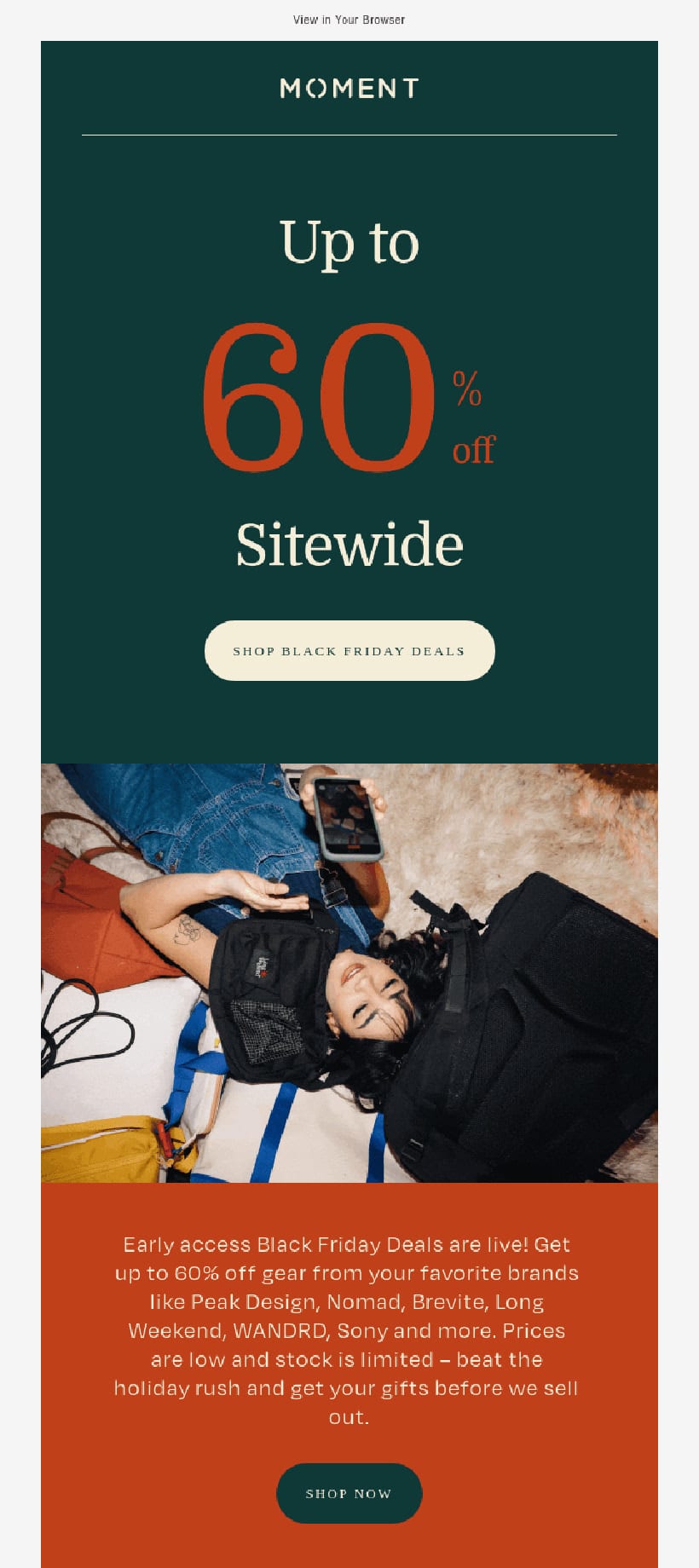
Drip campaigns involve sending a series of pre-written emails. These emails go out at set intervals. Drip campaigns are useful for educating and nurturing leads. They help in guiding potential customers through the sales funnel. Begin by outlining the customer journey. Then, create content that aligns with each stage. For example, start with informative content. Gradually move towards promotional messages. Drip campaigns ensure sustained engagement over time.
Credit: designmodo.com
Compliance And Best Practices
Email marketing is a powerful tool for businesses, but it comes with responsibilities. Compliance and best practices are crucial for maintaining trust and avoiding hefty penalties. Understanding the laws and implementing them effectively not only safeguards your business but also enhances your credibility. Let’s dive into some key areas you need to focus on.
Adhering To Gdpr And Can-spam
Ensuring compliance with GDPR and CAN-SPAM is not just about avoiding fines; it’s about respecting your subscribers. GDPR mandates that personal data should be handled with care, requiring explicit consent before sending emails.
Think of it as asking permission before entering someone’s home. You wouldn’t barge in without a knock, right? Similarly, CAN-SPAM requires clear identification and a straightforward opt-out process.
Have you ever received an email with no unsubscribe option? Frustrating, isn’t it? Avoid this by providing a visible unsubscribe link in every email. It’s simple, yet vital for compliance.
Ensuring Accessibility
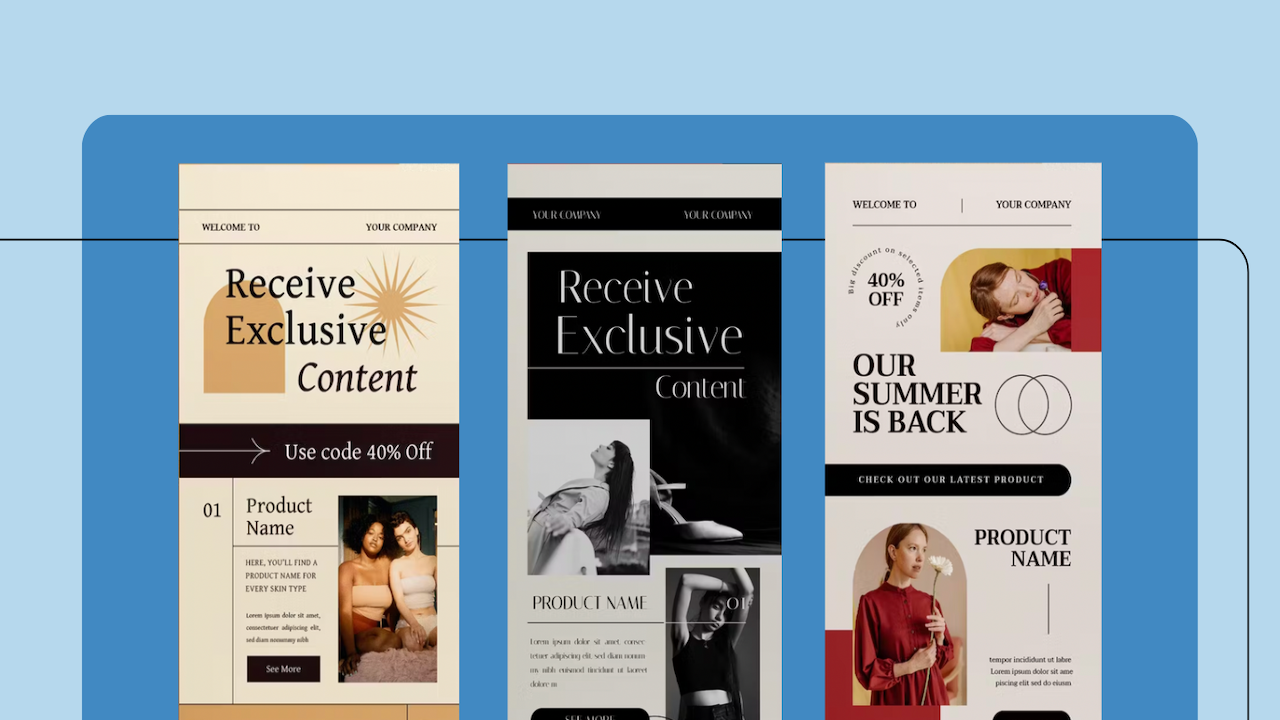
Accessibility ensures everyone can engage with your emails, including those with disabilities. Have you considered how your design affects users with vision impairments? Use alt text for images and choose simple fonts and colors for readability.
Think about the last email you struggled to read because of poor design. Accessibility isn’t just about compliance; it’s about inclusivity. Are your emails catering to all your subscribers?
Implementing these practices creates a welcoming environment for everyone. Make accessibility a priority in your email marketing design to connect with a broader audience.
Credit: www.eastshoremarketing.com
Frequently Asked Questions
How Do You Email Marketing Design?
Design engaging email marketing by choosing a clear layout, using eye-catching visuals, and writing concise content. Ensure mobile-friendly design, include a strong call-to-action, and personalize the message for your audience. Test different elements to optimize performance and analyze results for continuous improvement.
What Are The 5 T’s Of Email Marketing?
The 5 T’s of email marketing are Targeting, Timing, Testing, Tracking, and Transparency. These elements ensure effective campaigns by reaching the right audience, at the right time, with tested strategies, while tracking results and maintaining transparency.
How Do I Create An Email Marketing?
Begin by choosing an email marketing platform. Build your subscriber list and segment it. Design engaging emails with clear calls to action. Test your campaigns, analyze results, and optimize for better engagement. Always ensure compliance with email regulations and provide easy unsubscribe options.
Conclusion
Creating effective email marketing designs is both art and strategy. Keep it simple and focused. Clear messages attract and engage. Use images sparingly and ensure they relate to your content. Mobile-friendly designs reach more people. Test your emails to see what works best.
Analyze results to improve further. Consistency builds trust with your audience. Be authentic and maintain your brand voice. Always respect your subscribers’ time and preferences. Remember, valuable content is key. Stay creative and keep learning. Email marketing success is achievable with dedication.


