
Imagine sending out emails to your subscribers and wondering if they’re actually making a difference. Are your campaigns hitting the mark, or are they just floating around in cyberspace?
Understanding conversion rates in email marketing can unlock the answers you need. This isn’t just about numbers; it’s about seeing how effective your efforts are and discovering what truly resonates with your audience. You’ll learn simple steps to measure these conversion rates, helping you refine your strategies and boost your success.
Ready to take control of your email marketing effectiveness? Let’s dive in!
Understanding Conversion Rates
Discover the secrets of conversion rates in email marketing. Calculate by dividing the number of successful actions by total emails sent. This simple formula helps businesses understand campaign effectiveness and make informed decisions.
Understanding conversion rates is essential in email marketing success. Grasping this concept helps marketers analyze and improve their campaigns. A strong understanding can lead to higher engagement and better results.Definition Of Conversion Rates
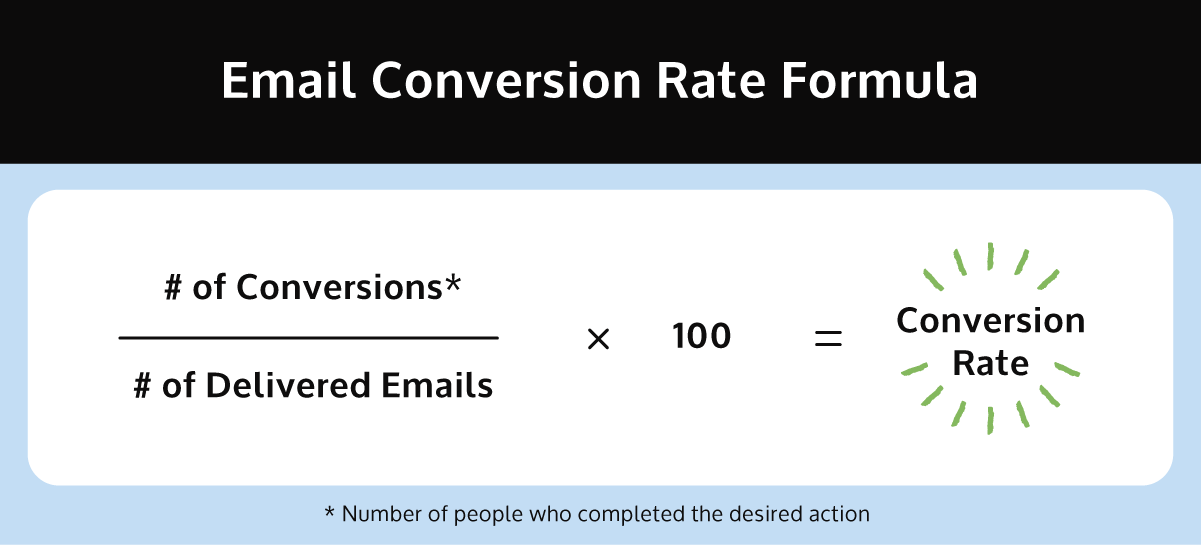
Conversion rates measure the effectiveness of your email campaigns. They show the percentage of recipients taking desired actions. This could be making a purchase or signing up for a webinar. Calculating conversion rates helps in evaluating campaign performance. It involves dividing the number of conversions by total emails delivered. Multiply the result by 100 for a percentage. A higher conversion rate indicates successful engagement with your audience.Importance In Email Marketing
Conversion rates play a crucial role in email marketing. They determine the success of your strategies. High conversion rates mean your message resonates with recipients. This engagement can lead to more sales and customer loyalty. Monitoring conversion rates helps in refining marketing efforts. It allows you to adjust tactics for better results. Understanding this metric enables marketers to optimize content and timing. This leads to improved outcomes and a stronger connection with the audience.Setting Email Marketing Goals
Setting clear goals in email marketing is crucial for success. It guides campaigns towards desired outcomes. Goals help measure effectiveness and optimize strategies. Without them, marketing efforts may lack direction. Establishing goals helps in understanding what to aim for. It ensures efforts are not wasted.
Defining Clear Objectives
Start by defining clear objectives for your email campaigns. Understand what you want to achieve. Is it increasing sales, boosting engagement, or growing subscribers? Clear objectives focus your efforts. They make it easier to track progress. Specific goals are measurable and achievable. This clarity is essential for successful campaigns.
Aligning Goals With Business Strategy
Align email marketing goals with your overall business strategy. Ensure they complement broader business aims. If your business aims to increase brand awareness, emails should support this. Consistency between goals and strategy strengthens impact. It creates a cohesive approach. Aligning goals helps in prioritizing tasks. It ensures email efforts contribute to bigger business objectives.
Tracking Email Engagement
Email marketing thrives on understanding how recipients interact with your content. Tracking email engagement is vital for evaluating success and planning future campaigns. It offers insights into how well your messages resonate and how effective your strategies are. Let’s dive into some key metrics that help track email engagement.
Open Rates And Click-through Rates
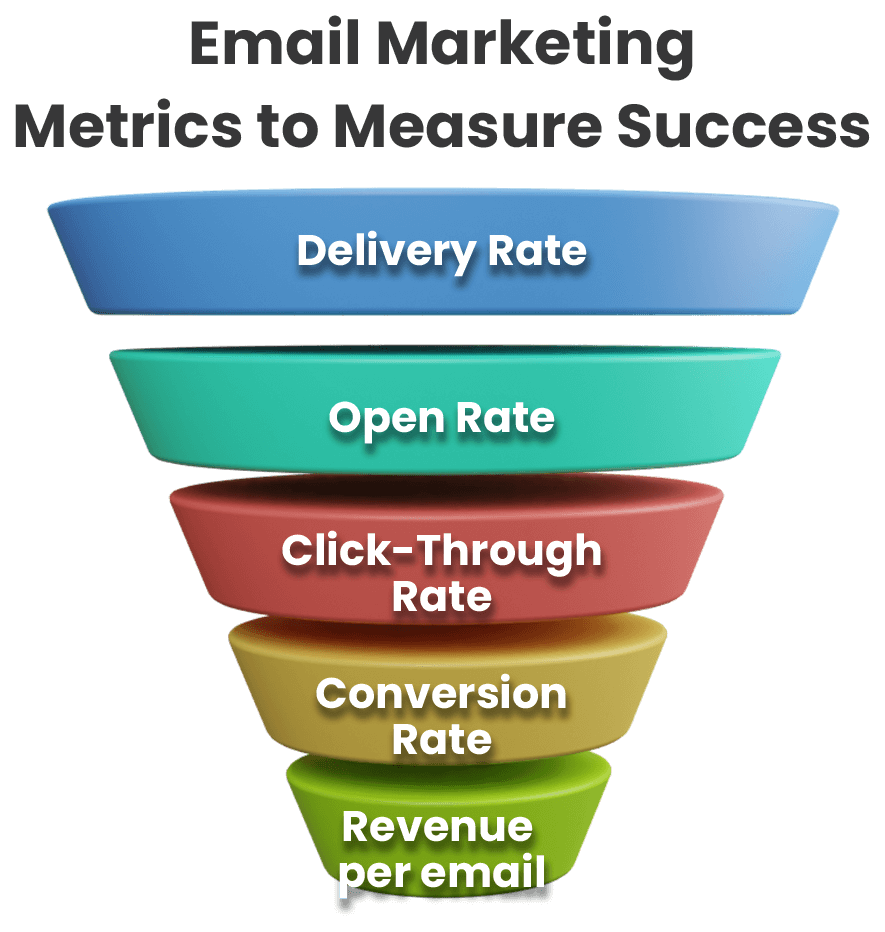
Open rates measure the percentage of recipients who open your email. It’s the first step in gauging interest. Higher open rates often indicate compelling subject lines. They also show how well your audience trusts your brand. Click-through rates, on the other hand, reflect the number of clicks on links within the email. This metric reveals how engaging your content is. Strong click-through rates suggest your message prompts action. Both metrics are crucial for assessing the effectiveness of your email.
Subscriber Behavior Analysis
Understanding subscriber behavior is key to refining your strategy. Analyze how subscribers interact with your emails over time. This includes observing patterns in opening and clicking. It provides a clearer picture of their preferences and interests. Monitor the timing of interactions to identify peak engagement periods. Look for trends and adjust your approach accordingly. Subscriber behavior analysis helps tailor content to better meet audience needs.
Credit: www.designyourway.net
Using Analytics Tools
Using analytics tools is crucial in determining conversion rates in email marketing. These tools help you track and analyze how your audience interacts with your emails. They provide insights into which strategies are effective and which need adjustment. But how do you choose the right tool for your needs?
Selecting The Right Tools
Start by identifying your goals. Are you looking to understand open rates, click-through rates, or overall conversions? Different tools specialize in different metrics. Choose one that aligns with your objectives.
Consider ease of use. A tool that requires constant tech support can slow down your progress. Select tools that offer intuitive interfaces and clear instructions. This ensures you spend more time analyzing data and less time troubleshooting.
Don’t forget budget constraints. High-end tools offer extensive features but can be costly. There are affordable options that deliver great insights without breaking the bank. Research and compare before committing.
Integrating Tools With Email Platforms
Integration is key for seamless operation. Ensure your chosen analytics tool can sync with your email platform. This connectivity allows automatic data transfer, saving you from manual uploads.
Look for tools that offer plug-and-play integration. These tools connect with a few clicks and require minimal setup. You’ll appreciate the simplicity when you’re juggling multiple campaigns.
Verify compatibility with existing systems. Some tools may have limitations based on your email provider. Check reviews and forums for user experiences. They often highlight integration issues you might not anticipate.
Imagine the clarity you’d gain by having all your email data in one place. How would it change your strategy? Analytics tools are powerful allies in refining your email marketing tactics. Make sure you choose wisely and connect effectively!
Calculating Conversion Rates
Email marketing is a powerful tool, but measuring its success can be tricky. Understanding conversion rates is crucial for optimizing your campaigns. This metric tells you how well your emails are turning recipients into customers. Calculating conversion rates is not just about plugging numbers into a formula; it involves analyzing your strategy and adjusting your approach to maximize results. So, how do you get your head around this essential metric?
Mathematical Formula For Conversion Rates
Let’s break it down into a simple formula: Conversion Rate = (Conversions / Total Emails Sent) 100. This formula gives you a percentage, showing you the portion of your audience that took the desired action. Imagine sending 1,000 emails and getting 50 conversions. Your conversion rate would be 5%. This number tells you how persuasive your email content is. It’s a reflection of your email’s ability to engage and convert.
Knowing the formula is one thing, applying it correctly is another. Make sure you’re counting conversions accurately. Not every click is a conversion; focus on the specific action you want from your email. It could be signing up for a webinar, purchasing a product, or downloading a guide.
Common Mistakes In Calculation
Miscounting conversions is a frequent error. Ensure your tracking is precise. You might be counting clicks instead of actual conversions. This can inflate your numbers and give a false sense of success.
Another common mistake is using the wrong denominator. Instead of total emails sent, some marketers mistakenly use total emails opened. This can skew your conversion rate, making it appear lower than it is. Always stick to the formula, and remember: it’s the total emails sent that matters.
Have you ever overestimated your conversion rate and realized later that your strategy needed tweaking? This is a lesson in accuracy and strategy alignment. Regularly reviewing your calculation method can prevent this pitfall. Are you confident in your current approach?
Calculating conversion rates accurately requires attention to detail and a clear understanding of your email goals. Adjust your strategy based on these insights, and watch your email marketing soar. How do you plan to enhance your calculation methods today?
Credit: blog.aweber.com
Improving Conversion Rates
Improving conversion rates in email marketing is a game-changer. Imagine sending emails and seeing a significant number of recipients take action. Whether it’s signing up, purchasing, or clicking through, higher conversion rates mean your emails are more effective. But how do you get there? Let’s explore some practical strategies to boost your email marketing conversions.
A/b Testing Strategies
A/B testing is like playing detective with your emails. You create two versions of an email and send them to different segments of your audience. Then, you compare the results to see which one performs better. This method allows you to test various elements like subject lines, images, and calls to action.
Consider testing different sending times too. You might find that emails sent in the morning perform better than those sent in the afternoon. The key is to be open to experimenting and learning from what works. What small change could make your email irresistible?
Personalization And Segmentation
People love feeling special. Personalization in email marketing involves tailoring your messages to individual recipients. Use their names, reference their purchase history, or acknowledge their location. A simple personalized touch can significantly increase engagement.
Segmentation takes it a step further by grouping your audience based on specific criteria. You might segment by age, interests, or previous interactions. This ensures you’re sending the right message to the right people. Imagine receiving an email that speaks directly to your needs—how much more likely would you be to respond?
Effective email marketing requires creativity and attention to detail. By implementing A/B testing and personalization strategies, you’ll likely see your conversion rates rise. What will you try next in your email campaigns?
Analyzing Results
Analyzing results in email marketing is crucial for improving conversion rates. Understanding your data helps you make informed decisions. It lets you know what’s working and what needs change. This section will guide you through interpreting the data insights and adjusting your campaigns accordingly.
Interpreting Data Insights
Start by reviewing your email open rates. A high open rate suggests engaging subject lines. Low open rates might mean your subject lines need improvement. Next, look at click-through rates (CTR). High CTR indicates effective content and call-to-action. Low CTR might mean your content is not engaging enough. Analyze the unsubscribe rates too. A high rate can signal irrelevant content for your audience.
Adjusting Campaigns Based On Analysis
Use your data insights to tweak your campaigns. If open rates are low, experiment with new subject lines. Try A/B testing to find what resonates best. For low click-through rates, refine your email content. Make sure the message aligns with the subject line. Improve your call-to-action. Ensure it’s clear and compelling. Address high unsubscribe rates by segmenting your audience. Send targeted content to different groups. This can help reduce unsubscribes and improve engagement.

Credit: fluentcrm.com
Case Studies
Case studies offer valuable insights into email marketing strategies. They reveal what works and what doesn’t. By examining real-world examples, marketers can gain practical knowledge. These insights help improve conversion rates effectively.
Successful Email Campaigns
One notable campaign came from a popular online retailer. They personalized emails based on customer preferences. This approach led to a 20% increase in conversions. Another example is a travel agency. They used stunning visuals and clear calls-to-action. The result? A 15% boost in bookings.
A tech company also achieved success. They segmented their audience by behavior. Tailoring content to each segment improved engagement significantly. Their conversion rate increased by 25%.
Lessons Learned From Failures
Some campaigns don’t perform as expected. A fashion brand learned this the hard way. They sent generic emails to all subscribers. The result was a low conversion rate and high unsubscribe rate.
Another case involved a food delivery service. Their emails were too frequent and lacked value. Customers felt overwhelmed, leading to reduced engagement. Learning from these mistakes is crucial. It highlights the importance of personalization and timing.
A startup faced challenges with unclear messaging. Their emails confused recipients, reducing conversions. Clarity and simplicity proved essential for success.
Frequently Asked Questions
How To Calculate Conversion Rate In Email Marketing?
Calculate conversion rate by dividing the number of conversions by the total emails sent. Multiply by 100. This reveals the percentage of recipients completing the desired action. Use this metric to optimize your email marketing strategies for better results and increased engagement.
What Is A Good Conversion Rate For Email Marketing?
A good conversion rate for email marketing typically ranges from 2% to 5%. This depends on industry, audience, and campaign quality. Improving content, personalization, and targeting can boost rates. Always test and analyze results for better performance.
How Do You Figure Out The Conversion Rate?
Calculate conversion rate by dividing the number of conversions by total visitors. Multiply by 100 for percentage.
Conclusion
Determining conversion rates in email marketing is crucial. It reveals campaign success. Focus on clear goals and track metrics. Use tools to analyze data. Understand your audience’s behavior. Adjust strategies based on insights. Remember, effective email marketing boosts engagement. Testing different approaches helps find what works.
Keep messages relevant and timely. Stay consistent with content quality. Monitor results to refine tactics. Aim for continuous improvement. Conversion rates provide valuable feedback. Use this feedback to optimize future campaigns. Drive better results by staying informed. Success in email marketing comes with understanding and adapting.


