
Are you ready to unlock the power of email marketing and transform your business strategy? Imagine reaching your audience directly, delivering tailored messages that drive engagement and boost sales.
Email marketing isn’t just about sending out messages; it’s about connecting with your audience in meaningful ways. But where do you start? How do you ensure your emails not only get opened but also lead to action? In this guide, you’ll discover clear, step-by-step instructions on how to master email marketing.
Whether you’re new to the game or looking to refine your approach, these strategies will help you craft emails that resonate and convert. Prepare to dive into a world where your email campaigns become a key asset in your marketing toolbox. Keep reading to learn the secrets behind successful email marketing campaigns and take your business to the next level.
Understanding Email Marketing
Email marketing involves creating and sending messages to engage potential customers. Start by collecting email addresses. Design appealing emails with clear content. Send messages regularly to build relationships and track performance for improvement.
Understanding email marketing is crucial for any business looking to connect with its audience effectively. Imagine sending a message that lands directly in someone’s personal space—their inbox. This approach offers a unique opportunity to communicate with potential customers, build relationships, and drive sales. Let’s explore what email marketing is and why it matters for your business.###What Is Email Marketing?
Email marketing is a form of direct marketing that uses email as a means of communicating commercial messages to an audience. It involves sending out emails to potential or current customers with the aim of promoting products, sharing news, or nurturing relationships. Unlike social media posts that target a broader audience, email marketing lets you tailor messages to specific groups of people.Think of it as having a conversation with your customers—one that’s both personal and purposeful. Have you ever received a newsletter that felt like it was written just for you? That’s the power of email marketing. It’s not just about sending information; it’s about creating a connection.###Importance Of Email Marketing
Email marketing holds significant importance in today’s digital world. It is one of the most cost-effective ways to reach your audience. Unlike traditional advertising, which often requires significant investment, email marketing allows you to communicate directly with your audience for a fraction of the cost. This affordability makes it accessible to businesses of all sizes.Moreover, email marketing provides measurable results. You can track open rates, click-through rates, and conversion rates to understand your audience’s preferences and behavior. This data helps you refine your strategies and improve your campaigns over time.Consider this: What if you could predict what your customers want before they even ask? With email marketing, you can. By analyzing past interactions, you can anticipate needs and offer solutions proactively. This not only boosts sales but also fosters customer loyalty.Building Your Email List
Discover effective steps for building your email list. Start by creating engaging sign-up forms on your website. Offer valuable content or exclusive deals to encourage subscriptions. Regularly update your list and maintain user interest with interesting emails.
Building your email list is the cornerstone of effective email marketing. It’s not just about numbers; it’s about creating connections that turn subscribers into loyal customers. A well-curated email list can be your most valuable asset. But how do you start building one? Let’s explore some practical steps.Methods For List Building
If you’re wondering where to start, consider using a signup form on your website. This is often the first contact a potential subscriber will have with your brand. Make it simple and attractive, ensuring it only asks for necessary information.Social media platforms are another excellent avenue. Share links to your signup forms there, engaging with your audience directly. You can also host webinars or events, where attendees naturally become part of your list.Remember that collaborations can be powerful. Partner with other businesses to offer exclusive content or discounts. This strategy not only expands your reach but also builds credibility.Quality Over Quantity
While it might be tempting to focus on growing your subscriber numbers quickly, the real magic happens when you prioritize quality. A smaller list of engaged subscribers is far more valuable than a large list of uninterested individuals.Think about what interests your audience. Tailor your content to meet their needs and preferences. This keeps them engaged and encourages them to stay subscribed.Have you ever received emails that felt like spam? Avoid this trap by ensuring your emails offer genuine value. This builds trust, fostering a relationship with your subscribers.Ask yourself: Are you nurturing a community or merely collecting names? Building a list that reflects your brand’s values and mission will pay off in the long run.Segmenting Your Audience
Identifying distinct groups within your audience is crucial for effective email marketing. Tailor messages to each group’s needs. This increases engagement and conversion rates.
Segmenting your audience is a crucial step in email marketing. It helps tailor your messages to different groups. This ensures each subscriber receives relevant content. Segmentation improves engagement and boosts conversion rates. By understanding your audience’s needs, you can deliver more personalized content. Let’s dive into the benefits and types of audience segmentation.Benefits Of Segmentation
Segmenting your audience can lead to higher open rates. It also increases click-through rates. Subscribers feel valued when they receive relevant content. This builds trust and loyalty. Segmentation reduces the chances of unsubscribing. It also helps in targeting specific customer interests. Tailored messages lead to more successful campaigns.Types Of Audience Segmentation
Demographic segmentation divides the audience by age, gender, or location. This helps in crafting messages for specific groups. Behavioral segmentation focuses on user actions. This includes purchase history or browsing habits. Psychographic segmentation looks at lifestyle or values. It helps understand what drives your audience. Geographic segmentation targets based on location. This is useful for local promotions or events. Each type offers unique insights for better targeting.
Credit: www.cakemail.com
Crafting Compelling Content
Creating engaging emails is essential for successful email marketing. Compelling content captures attention and encourages action. It builds trust and strengthens relationships with your audience. Let’s explore key elements to craft such content.
Writing Effective Subject Lines
Subject lines are the first impression of your email. They determine whether your email gets opened or ignored. Aim for clarity and relevance. Use action words and create curiosity. Keep them short, ideally under 50 characters. Personalize subject lines using the recipient’s name.
Creating Engaging Email Copy
Your email body should be clear and concise. Start with a friendly greeting. Address the reader directly. Use short paragraphs and simple language. Highlight key points with bullet lists. Include a clear call to action. Make it easy for readers to understand your message.
Incorporating Visuals
Visuals can make your emails more appealing. Use images that support your message. Ensure visuals are of high quality but optimized for fast loading. Add alt text to images for better accessibility. Consider using infographics or videos for complex information. Visuals should complement, not overshadow, the text.
Personalizing Your Emails
Personalizing your emails can significantly enhance your email marketing strategy. It creates a connection with your audience. Personalization can boost engagement and increase conversions. Tailoring messages to individual preferences makes recipients feel valued. This section explores the importance of personalization and techniques to achieve it.
Importance Of Personalization
Email personalization is crucial for building strong relationships. It makes recipients feel special. Personalized emails show you care about their needs. Generic emails often end up ignored. Personalization increases open and click-through rates. It can lead to higher sales and customer loyalty. Personalization helps in segmenting your audience effectively. This ensures the message reaches the right people. It enhances brand perception and trust.
Techniques For Personalization
Use the recipient’s name in subject lines. This grabs attention instantly. Segment your audience based on interests or behavior. This allows for targeted messaging. Analyze past purchase data for tailored offers. Send personalized product recommendations. Time your emails to match recipient’s preferences. This increases the chance of engagement. Use dynamic content to cater to different segments. Include personalized greetings and sign-offs. Make use of user-generated content for authenticity. Tailor your calls-to-action based on user preferences.
Designing For Mobile Optimization
Crafting emails for mobile devices ensures effective marketing. Start with a clear subject line. Use concise text and a single-column layout. Images should load quickly. Include large, tappable buttons. Test emails on different mobile devices to ensure compatibility.
Designing emails that look great on mobile devices is crucial for successful email marketing. With more people checking their emails on smartphones, your emails must be mobile-friendly. A poorly designed email can be frustrating to read and lead to lost engagement. Here’s how to ensure your emails are optimized for mobile devices.###Mobile-friendly Email Design
When designing your email, think about how it appears on a small screen. Use a single-column layout to make your content easy to read. Avoid using tiny fonts; instead, choose a size that’s readable without zooming in, typically around 14-16 pixels for body text.Images should be responsive, meaning they adjust to the screen size. Use alt text for images, ensuring your message is clear even if the images don’t load. Buttons should be large enough to tap easily. A call-to-action button that’s too small can deter clicks.Think about your own experience. Have you ever struggled to click a link on your phone? Keep that in mind when designing your emails.###Testing For Mobile Compatibility
Testing is a vital step. Use email marketing tools that offer previews of how your email looks on different devices. Check both Android and iOS devices for a comprehensive view.Don’t rely solely on previews. Send test emails to yourself and view them on various devices. Pay attention to load times, readability, and whether links work properly.Consider asking friends or colleagues to review your email on their phones. They might spot issues you missed. Would you open an email that didn’t load correctly on your phone?Making these adjustments can significantly improve your open and click rates. By focusing on mobile optimization, you ensure your message reaches your audience effectively, no matter where they are.Automating Your Campaigns
Email marketing can be a powerful tool, but manually sending emails to each subscriber can be daunting. That’s where automation comes in. Automating your campaigns allows you to reach your audience at the right time without lifting a finger. Imagine having emails sent while you sleep, reminding customers of abandoned carts or welcoming new subscribers. This not only saves you time but also ensures you never miss an opportunity to engage your audience. But how do you get started with email automation? Let’s dive into the tools and types of emails that can make your campaigns more effective.
Email Automation Tools
Choosing the right email automation tool is crucial. These tools vary in features, pricing, and user-friendliness. Look for tools that offer customizable templates and analytics. Mailchimp, HubSpot, and ConvertKit are popular choices that provide robust automation features.
Mailchimp’s drag-and-drop editor makes it easy to design emails. HubSpot offers advanced CRM integration for personalized campaigns. ConvertKit is great for bloggers looking to nurture their audience. Consider what suits your business size and marketing goals.
Explore free trials to understand each tool’s interface and capabilities. A tool that aligns with your workflow can streamline your efforts and maximize efficiency. Remember, the right tool is one that you’ll actually use.
Types Of Automated Emails
Automated emails come in various types, each serving a unique purpose. Welcome emails are essential for greeting new subscribers. They set the tone for future communication and introduce your brand.
Abandoned cart emails remind customers of items left behind. These can significantly boost sales by urging customers to complete their purchase. Event-triggered emails, like birthdays or anniversaries, can enhance personalization and foster loyalty.
Consider setting up re-engagement emails for inactive subscribers. These emails can rekindle interest and keep your audience engaged. Transactional emails, such as order confirmations, ensure customers feel informed and valued.
Think about the journey you want your subscribers to have. How can automated emails enhance their experience? Tailor your approach based on your audience’s needs and preferences.
Automation isn’t just about convenience; it’s about crafting a seamless communication strategy. What steps will you take to elevate your email marketing game?
Analyzing And Improving Performance
Crafting effective email marketing requires understanding key steps. Analyzing performance helps refine strategies. Improving content boosts engagement. Tailor messages to audience needs for better results.
Analyzing and improving the performance of your email marketing efforts is crucial to achieving your desired outcomes. Just sending out emails isn’t enough; you need to understand how well they perform and make necessary adjustments to enhance their effectiveness. Whether you’re a beginner or a seasoned marketer, mastering this skill can significantly boost your campaign results. Let’s dive into the essential steps to analyze and improve your email marketing performance.Key Metrics To Track
To start, you need to know what metrics to track. Open rates tell you how many people are opening your emails. A low open rate might suggest your subject lines need tweaking.Click-through rates indicate how many people click on links within your email. This measures engagement and interest.Don’t overlook the conversion rate. It shows how many recipients took the desired action after clicking through, like making a purchase or signing up for a newsletter.Tracking bounce rates is also vital. High bounce rates could mean you need to clean your email list.Consider setting up a simple table to compare these metrics over time. This helps you spot trends and make informed decisions.A/b Testing Strategies
A/B testing is your best friend in email marketing. It’s the process of sending two variations of an email to see which performs better.Start small: test different subject lines or email layouts. You might find that a slight change in wording boosts your open rate.When I first tried A/B testing, I was surprised by the results. A minor tweak in the email’s call-to-action increased conversions by 20%.Remember, don’t test too many variables at once. Keep it simple and focused for clear results.Iterating For Better Results
Improvement is a continuous process. Use insights from your metrics and A/B tests to make informed changes.Try adjusting your email frequency. Sometimes less is more, and reducing the number of emails can increase engagement.Experiment with personalization. Addressing recipients by their name can create a stronger connection and improve response rates.Ask yourself, what can you change right now to make your emails more compelling?Use feedback from your audience. They are your best resource for understanding what works and what doesn’t.In email marketing, small changes can lead to significant results. Keep iterating and improving for better outcomes.Ensuring Compliance With Regulations
Navigating email marketing demands attention to compliance with regulations. Follow steps like obtaining consent and personalizing content. Regularly update your subscriber list to maintain privacy standards.
Ensuring compliance with regulations is vital in email marketing. It protects your business and builds trust with your audience. Following the law is crucial. It ensures your campaigns are ethical and effective. Let’s explore the key regulations and best practices to follow.Understanding Gdpr And Can-spam
GDPR stands for General Data Protection Regulation. It is a law in the European Union. It requires businesses to protect personal data. This includes email addresses. GDPR compliance is mandatory for those targeting EU residents. You must get consent before sending emails. Also, provide a clear way to unsubscribe.CAN-SPAM is a US law. It sets rules for commercial emails. It gives recipients the right to stop emails. CAN-SPAM applies to all commercial messages. You must not use false headers. Provide a valid physical address. Clearly label the message as an ad.Best Practices For Compliance
Always get consent from recipients. Use a double opt-in process. This confirms their subscription choice. Keep records of consent for future reference.Provide a clear unsubscribe link. Make sure it is easy to find. Honor opt-out requests promptly. This respects recipients’ choices.Use accurate sender information. This includes your name and email address. Avoid misleading subject lines. Be honest about the content.Regularly update your email list. Remove inactive or unsubscribed users. This keeps your list clean and engaged.Educate your team about compliance. Train them on regulations. Ensure they understand the importance of these rules.These practices safeguard your reputation. They also enhance the effectiveness of your campaigns.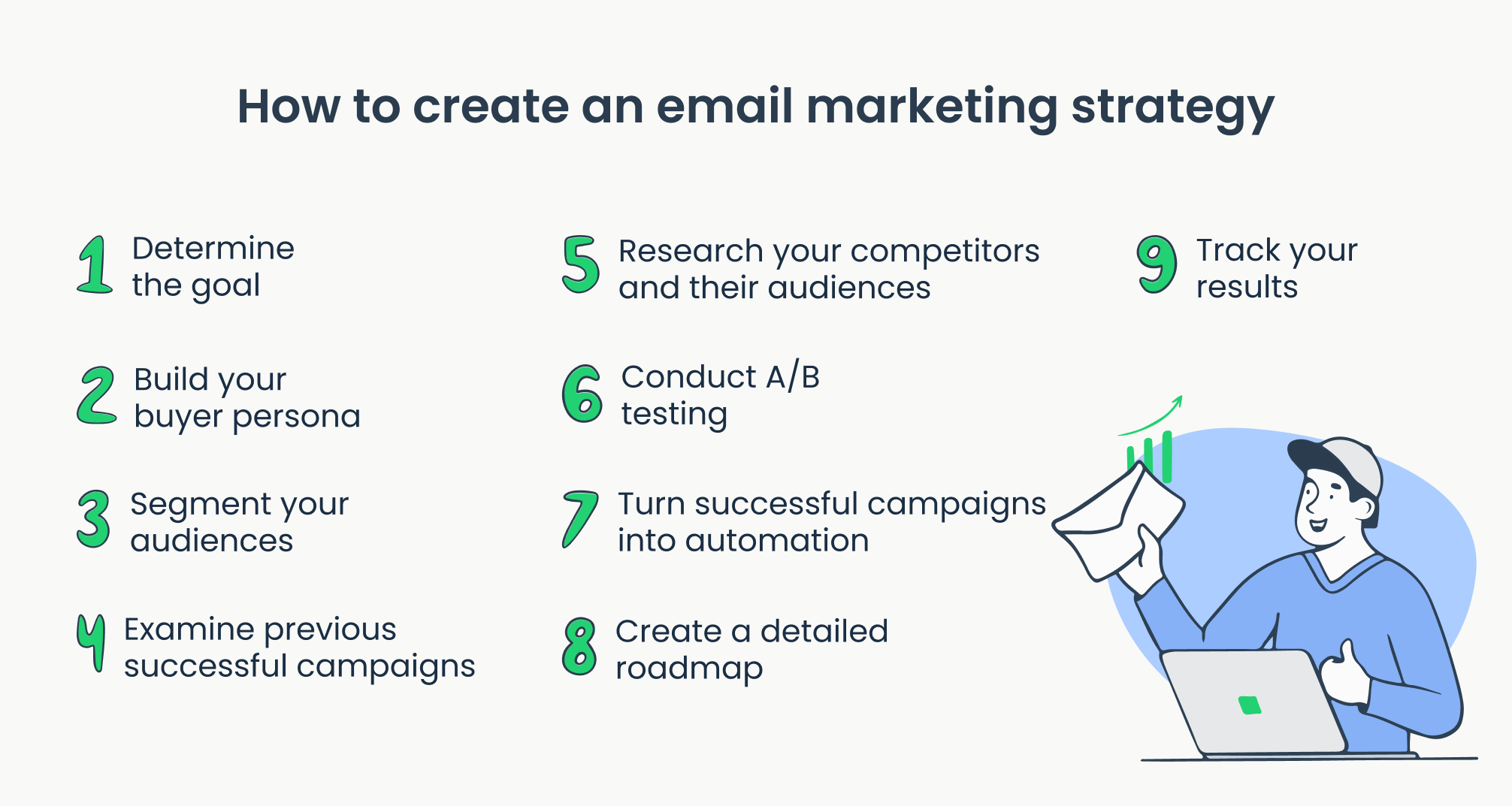
Credit: mailtrap.io
Integrating With Other Marketing Channels
Enhance email marketing by connecting it with other channels like social media and online ads. Boosting brand visibility leads to increased engagement and sales. Coordination ensures a consistent message across platforms, creating a unified customer experience.
Integrating your email marketing with other channels can significantly boost your marketing efforts. Imagine your email campaigns as part of a larger puzzle. Each piece, whether it’s social media or other channels, should fit together seamlessly to create a cohesive strategy. This approach not only amplifies your reach but also reinforces your brand message across multiple platforms. But how do you effectively integrate these channels? Let’s dive into the specifics.Social Media Integration
Social media platforms can be powerful allies in your email marketing strategy. They offer a space to engage with your audience in real-time. By sharing snippets of your email content on platforms like Facebook or Instagram, you create a teaser that can prompt followers to subscribe to your email list.Consider adding social media sharing buttons within your emails. This makes it easy for recipients to share your content with their networks. The ripple effect can expand your reach exponentially. Have you ever found a compelling email and wanted to share it with friends? Make it easy for your audience to spread the word.Cross-channel Marketing Strategies
Cross-channel marketing involves using multiple channels to engage your audience. The goal is to provide a consistent experience regardless of where your customer interacts with your brand. Start by aligning the messaging across your emails, social media, and any other platforms you use.Create a unified calendar to plan your content across channels. This ensures that your promotions and messaging are synchronized. You might find that a campaign gains more traction when customers see the same message reinforced in multiple places.Have you ever noticed how some brands seem to be everywhere you look online? That’s the power of cross-channel marketing. By strategically coordinating your efforts, you can achieve a similar pervasive presence.Integrating email with other marketing channels doesn’t have to be complex. Start small, experiment, and see what resonates with your audience. The insights you gain will guide your future efforts, making your marketing strategy more robust and effective. What’s the first step you’ll take to integrate your channels?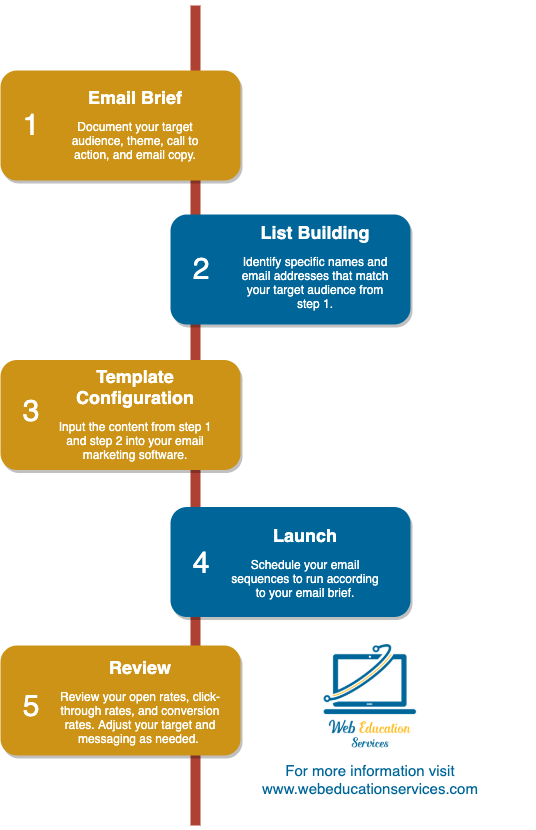
Credit: www.webeducationservices.com
Frequently Asked Questions
What Are The 5 Steps Of Email Marketing?
Email marketing includes five steps: define goals, build a targeted list, create engaging content, design emails, and analyze performance.
How To Email Marketing For Beginners?
Start by choosing an email marketing platform. Build a subscriber list and segment it. Craft personalized, engaging content. Optimize subject lines for higher open rates. Analyze results to improve strategies.
What Are The 5 T’s Of Email Marketing?
The 5 T’s of email marketing are Targeting, Timing, Tactic, Testing, and Tracking. These elements ensure effective campaigns, maximizing engagement and conversions. By focusing on these aspects, marketers can optimize their strategies, reach the right audience, and achieve desired outcomes.
Conclusion
Crafting effective email marketing steps is key to success. First, define your goals clearly. Then, know your audience well. Create engaging content that resonates with them. Design emails that are easy to read. Test various strategies to find what works best.
Monitor results to improve your approach. Consistency helps build trust and loyalty. Remember to keep your message simple and direct. This makes it easier for your audience to understand. Following these steps will help you create an impactful email marketing strategy.
Stay focused and watch your engagement grow.


