Have you ever wondered why some marketing emails grab your attention while others just end up in the trash? It’s not magic; it’s a blend of art and science.
Whether you’re a seasoned marketer or just starting out, crafting the perfect email can be a game-changer for your business. Imagine hitting ‘send’ and watching your audience engage, click, and convert. Sounds amazing, right? This article is your guide to unlocking the secrets of effective marketing emails.
We’ll explore simple techniques that tap into the psychology of your readers, ensuring your messages stand out. Get ready to transform your email strategy and boost your results! Dive in to discover how you can create emails that not only get opened but also drive action.
Crafting A Compelling Subject Line
Crafting a compelling subject line is key to capturing attention in marketing emails. Keep it clear, concise, and relevant. Use engaging words to spark curiosity and encourage readers to open the email.
Crafting a compelling subject line is the first step in ensuring your marketing email gets noticed. It’s your email’s first impression, and you only have seconds to capture your reader’s attention. A well-crafted subject line can be the difference between your email being opened or ignored. Let’s dive into how you can make your subject line irresistible.Using Personalization
People love feeling special. Personalizing your subject line can make your reader feel valued and seen. Imagine opening an email that directly addresses you by name or references something relevant to you. It’s much more engaging than a generic message.Consider what details you have about your audience. Use their name or mention a recent purchase. This approach makes your emails feel tailored and increases the likelihood they’ll be opened. Have you ever opened an email just because it felt like it was meant for you?Incorporating Urgency
Creating a sense of urgency in your subject line can prompt immediate action. Think about the last time you saw a “limited time offer” or a “last chance” message. It likely made you curious and motivated you to check it out.Using words like “today only,” “ending soon,” or “don’t miss out” can nudge your reader to act quickly. The key is to make them feel like they’re missing something valuable if they don’t open your email right away. How often do you find yourself responding to urgent calls to action?By crafting subject lines with these tactics, you can significantly enhance your email marketing strategy. Start experimenting with these ideas and watch your open rates soar!Designing Eye-catching Layouts
Creating an effective marketing email requires an eye-catching layout. A well-designed layout grabs attention and keeps the reader engaged. It can significantly impact your email’s success. Let’s explore some key elements.
Balancing Text And Images
Balance text and images to maintain clarity. Too much text overwhelms the reader. On the other hand, too many images can distract. Use images to complement your message. They should support the text, not replace it. Ensure your images are relevant and high-quality. This helps in maintaining a professional look.
Mobile-friendly Designs
Many people check emails on their phones. Design your email to look good on small screens. Use a responsive design that adapts to different devices. Large fonts and simple layouts work best on mobile. Avoid using large files that take time to load. Test your email on various devices. This ensures a seamless experience for all users.
Writing Persuasive Content
Writing persuasive content in marketing emails is crucial. It captures attention and drives action. You need to connect with your audience. Use clear language. Keep sentences short. This makes your message easy to understand. Let’s explore how to make your content persuasive.
Understanding Your Audience
Know your audience’s needs and interests. Research their preferences. This helps you tailor your message. Use language they understand. Avoid jargon. Speak directly to them. This builds trust and engagement.
Creating Clear Call To Actions
Your call to action must stand out. Use action verbs. Be specific about what you want them to do. Keep it concise. Make it easy for them to follow through. A strong call to action drives response.
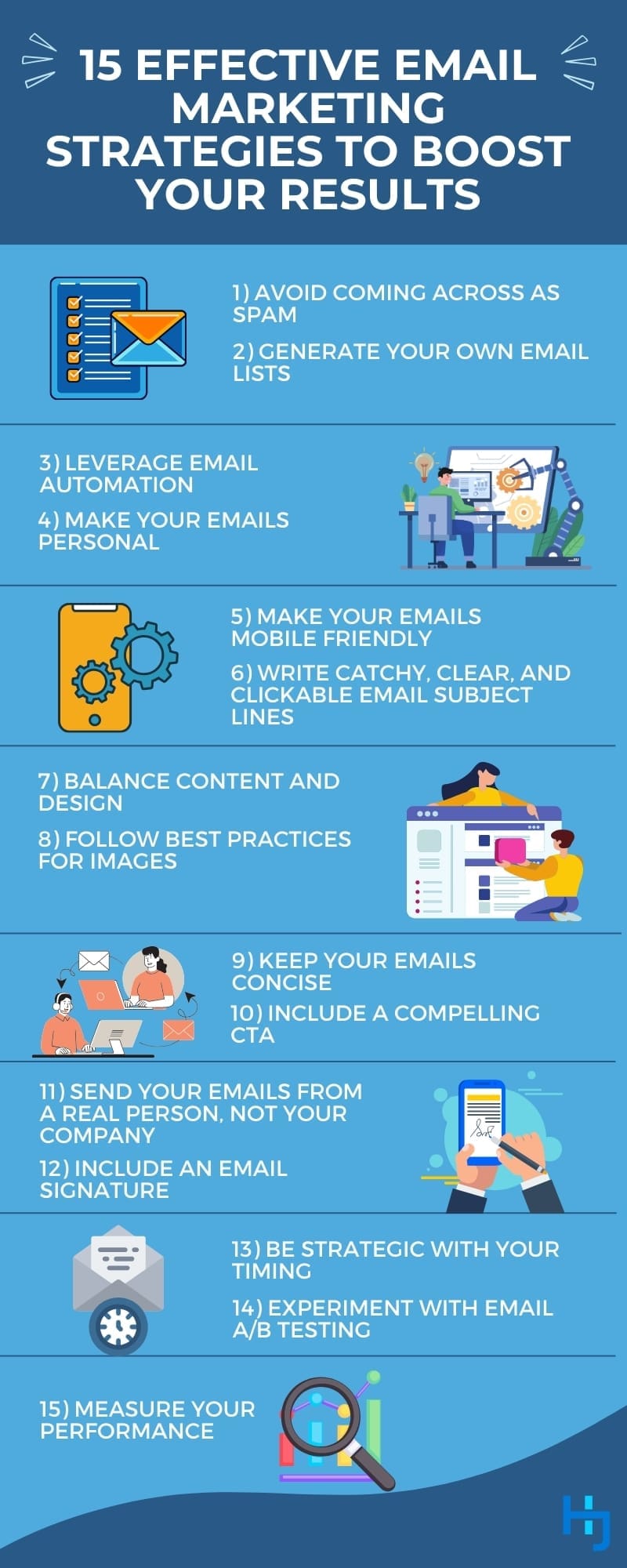
Credit: www.husamjandal.com
Utilizing Segmentation
Utilizing segmentation in email marketing enhances relevance and engagement. It involves dividing your audience into specific groups based on certain criteria. This allows for targeted messaging that resonates with each group. By focusing on their unique needs and preferences, segmentation can significantly improve your email marketing success.
Targeting Specific Demographics
Understanding your audience’s demographics is crucial. Age, gender, location, and interests are key factors. These details help in crafting messages that speak directly to them. For instance, younger audiences might prefer trendy language. Older groups may appreciate straightforward content. Knowing these preferences can lead to better engagement.
Tailoring Content To Segments
Content customization is essential for segmented email lists. Tailor your messages based on the segment’s characteristics. A sports enthusiast segment might enjoy updates on fitness products. A tech-savvy audience could appreciate gadget news. By aligning content with interests, you increase the likelihood of interaction.
Personalization adds another layer of effectiveness. Use the recipient’s name or past purchase details. This creates a sense of personal connection. It also makes your emails more relevant. A personalized approach can boost open rates and conversions.
Incorporating Automation Tools
Automation tools streamline the creation of effective marketing emails. They personalize content, schedule sends, and analyze results efficiently. Save time and engage your audience better by automating processes.
Incorporating automation tools in your marketing emails can significantly boost your efficiency and impact. Imagine having the ability to send personalized messages to thousands of subscribers without lifting a finger. Automation tools make this possible, allowing you to focus on strategy and creativity instead of getting bogged down by repetitive tasks.You might be wondering how to start. It’s simpler than you think. Let’s break it down into actionable steps.Streamlining Campaigns
Automation tools are like your personal assistants in the digital world. They can help manage and execute your email marketing campaigns with ease.Consider using tools like Mailchimp or HubSpot. These platforms allow you to set up automated workflows that send targeted emails based on user behavior.Imagine setting up a welcome email series for new subscribers. Once they sign up, they automatically receive a series of emails introducing them to your brand without you having to send each one manually.Tracking User Engagement
Knowing how your audience interacts with your emails is crucial for refining your strategy. Automation tools provide detailed analytics to help you understand user engagement.You’ll get insights into open rates, click-through rates, and even the times when your audience is most active. This data is gold.Use it to tweak your emails for better performance. Suppose you notice that emails sent at 10 AM have higher open rates. You can adjust your send times accordingly to maximize engagement.Have you ever thought about the power of A/B testing? Automation tools make it easy to test different subject lines or email designs to see what resonates best with your audience.By consistently tracking and analyzing user engagement, you can create more effective marketing emails that truly connect with your subscribers.Automation doesn’t just save time—it enhances your ability to deliver relevant and timely content. Think about the value this adds to your marketing efforts. Can you afford not to use it?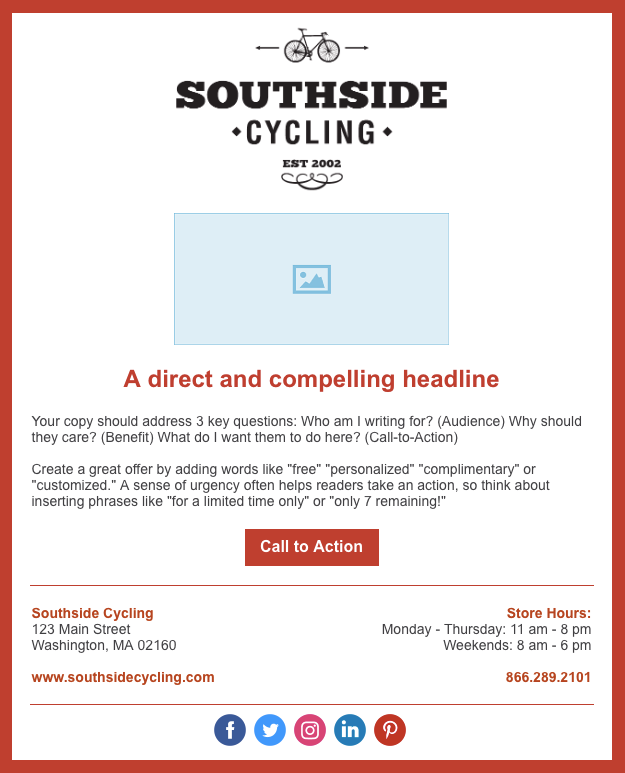
Credit: www.constantcontact.com
Measuring Success Metrics
Measuring success metrics in marketing emails is crucial. This helps refine strategies and improve results. Understanding the key metrics is essential for any marketer. Learn how to analyze and evaluate your email campaign success effectively.
Analyzing Open Rates
Open rates show how many recipients opened your email. A higher open rate means your subject line was engaging. Use A/B testing to find the best subject lines. Personalize emails for better engagement. Avoid spammy words to prevent emails going to the junk folder.
Evaluating Click-through Rates
Click-through rates (CTR) measure how many clicked your links. A high CTR indicates good content and call-to-action (CTA). Position your CTA prominently. Make sure links are relevant to the email content. Use clear and action-oriented language in your CTA.
Testing And Optimization
Crafting an effective marketing email involves thorough testing and optimization. Analyze subject lines, content, and timing to boost engagement. Regularly refine strategies for better results.
Creating an effective marketing email is not just about crafting catchy subject lines or beautiful designs—it’s about continuous refinement. Testing and optimization play a crucial role in ensuring your emails resonate with your audience and drive the desired action. By systematically testing elements and optimizing based on real data, you can significantly enhance your email marketing performance.A/b Testing Strategies
A/B testing is a powerful tool for email optimization. It allows you to test two versions of an email to see which performs better. You can test various elements such as subject lines, call-to-action buttons, or even the email layout.For example, try sending one group of subscribers an email with a bright red CTA button and another group the same email with a green button. Measure which color leads to more clicks. This data-driven approach helps you make informed decisions about your email design and content.Don’t limit A/B testing to just visual elements. Test the timing of your emails too. Does sending your email on a Tuesday morning yield better results than a Thursday afternoon? Experiment and analyze to find your optimal send time.Continuous Improvement
Optimization isn’t a one-time task—it’s a continuous process. After each campaign, analyze your performance metrics. Look at open rates, click-through rates, and conversion rates. What worked? What didn’t?Use these insights to refine your future emails. For instance, if a particular subject line style consistently garners higher open rates, implement similar styles in your upcoming emails. This iterative process ensures your emails evolve with your audience’s preferences.Ask yourself, are you listening to your subscribers? Their engagement levels are telling you a story. Pay attention and adapt accordingly. Remember, the goal is to build relationships, not just send emails. Keep testing, keep learning, and keep improving. Your audience will notice—and reward—you for it.
Credit: fastercapital.com
Frequently Asked Questions
What Makes An Effective Marketing Email?
An effective marketing email grabs attention with a compelling subject line. It uses personalized content to engage readers. The message is clear, concise, and relevant. A strong call-to-action encourages immediate response. Mobile optimization ensures accessibility across devices, boosting engagement and conversion rates.
What Are The 5 T’s Of Email Marketing?
The 5 T’s of email marketing are Targeting, Timing, Testing, Tracking, and Transparency. Targeting defines the audience. Timing schedules emails effectively. Testing optimizes content. Tracking measures performance. Transparency builds trust with recipients.
What Is The 80/20 Rule In Email Marketing?
The 80/20 rule in email marketing means 80% of content should be informative, and 20% promotional. This approach helps maintain audience engagement and builds trust by offering valuable content, while subtly promoting products or services. Balancing content this way can lead to better open rates and conversions.
Conclusion
Crafting effective marketing emails can boost your business. Focus on clear, engaging content. Personalize messages to connect with your audience. Use strong, compelling subject lines. Keep your message concise and direct. Include a call to action to guide your readers.
Test different formats to find what works best. Regularly update your email list for better results. Track performance to improve future campaigns. Remember, consistency and authenticity are key. Happy emailing!