
Imagine the thrill of crafting the perfect message that lands directly in your client’s inbox, sparking curiosity and driving engagement. You have the power to create a marketing email that not only captures attention but also builds lasting relationships with your clients.
How can you ensure your email stands out from the clutter and resonates with your audience? You’ll discover effective strategies to send a marketing email that captivates and converts. Whether you’re aiming for a direct sale or nurturing a long-term connection, knowing the right approach can make all the difference.
Get ready to unlock the secrets of email marketing success and learn how to create messages that speak directly to your clients’ needs and desires. Dive in and transform your email marketing strategy today!
Crafting The Perfect Subject Line
Crafting the perfect subject line is crucial for email marketing success. It decides whether your email gets opened or ignored. A well-crafted subject line grabs attention, sparks curiosity, and encourages a click. It’s your chance to make a first impression.
Understanding Your Audience
Know who you’re writing to. Think about their interests and needs. Use language they understand and relate to. Tailor your subject line to resonate with them.
Keep It Short And Sweet
Short subject lines work best. Aim for less than 50 characters. This ensures it displays well on mobile devices. Clear and concise messages are easier to read.
Use Action-oriented Words
Encourage action with verbs. Words like “discover,” “learn,” and “join” are effective. They prompt the reader to do something. Make them feel involved.
Create A Sense Of Urgency
Urgency motivates quick responses. Phrases like “limited time” and “ends soon” work well. This creates a feeling of missing out. It pushes the reader to act quickly.
Avoid Spammy Language
Spammy words can trigger filters. Words like “free” or “deal” often land in the spam folder. Choose words that are genuine and trustworthy. Maintain a professional tone.
Test And Analyze
Testing different subject lines is valuable. Analyze which ones get the best open rates. Learn what works for your audience. Adjust your strategy based on data.
Personalizing Your Message
Crafting a marketing email requires personalization to connect with clients. Addressing them by name grabs attention instantly. Tailor content to their interests, making the message more relevant and engaging.
Personalizing your message is key to email marketing success. Clients feel valued when emails speak directly to them. Tailoring your content increases engagement rates. Clients are more likely to open and read personalized emails. This approach fosters a stronger connection. Now, let’s explore some methods to personalize your marketing emails.Using Client Data
Client data is a treasure trove for personalization. Analyze client purchase history. This tells you what interests them. Use this information to craft relevant content. Mention products they have bought before. Highlight similar items they might like. This shows you understand their preferences. Personalization boosts client loyalty and satisfaction.Addressing The Client By Name
Addressing a client by name feels personal. It grabs their attention immediately. Use their name in the email subject line. This increases the chances of opening the email. Mention their name in the email body too. It creates a friendly tone. Clients feel more connected and appreciated. This simple step makes your email stand out.Designing An Engaging Email
Designing an engaging email is crucial for captivating your audience. A well-crafted design can significantly boost your email’s effectiveness. It not only grabs attention but also encourages interaction. A thoughtful design reflects your brand and message clearly. Let’s explore key elements to create an engaging email.
Choosing The Right Template
Selecting the perfect template sets the tone for your email. Templates provide structure and consistency. Consider your brand’s image and message. A simple layout is often more effective. It helps in avoiding clutter and confusion. Ensure the template is responsive. It should look good on all devices. Experiment with different styles to find the best fit.
Incorporating Visual Elements
Visuals enhance the appeal of your email. Pictures speak louder than words. Use high-quality images that resonate with your message. Infographics can simplify complex information. They make data more digestible. Videos can be powerful tools. They increase engagement and retain attention. Always compress images to reduce load times. Balance visuals with text for clarity.

Credit: quickmail.com
Writing Compelling Content
Crafting a marketing email requires clear and engaging content. Use simple language to convey your message effectively. Personalize the email to connect with the client, focusing on their needs.
In the world of marketing, crafting an email that captures attention is both an art and a science. Writing compelling content is crucial because it determines whether your email will be opened or ignored. How do you create content that resonates with your clients? Let’s dive into some practical strategies.Highlighting Key Benefits
Your client is always asking, “What’s in it for me?” Answer this question clearly and quickly. Instead of listing features, focus on benefits. Show them how your product or service will make their life easier, save them time, or boost their success.Use bullet points to make benefits stand out:– Saves time by automating processes – Increases sales with targeted strategies – Enhances user experience for customersThink about your own experiences. Have you ever been drawn to a product because it solved a problem you didn’t know you had? Highlight those unexpected benefits to intrigue your clients.Maintaining A Conversational Tone
Nobody enjoys reading emails that sound like robot-generated scripts. Your clients are human, just like you. Write as if you’re talking to a friend. Use simple language and keep it natural.Ask questions to engage them: “Are you tired of spending hours on tasks that could be automated?” This invites them to think and respond internally.Share a relatable story to connect: “When I first started using this tool, it felt like a breath of fresh air. Suddenly, I had more time to focus on what truly mattered.”By maintaining a conversational tone, you make your emails enjoyable to read and build a connection with your clients.Writing compelling content isn’t just about words on a screen; it’s about creating a conversation that leaves your clients wanting more. How will you craft your next email to make it stand out?Timing Your Email Send
Timing your email send is crucial for maximizing engagement and effectiveness. You may have crafted the perfect message, but sending it at the wrong time can lead to it being overlooked. Understanding when your audience is most receptive can make all the difference. Let’s dive into how you can choose the best moments to hit ‘send’.
Optimal Days And Times
Not all days are created equal when it comes to email marketing. Studies show that Tuesday is often the best day to send emails. It’s early enough in the week when people are gearing up for productivity but not overwhelmed with tasks.
Consider sending your emails in the late morning or early afternoon. Around 10 AM or 2 PM, people are usually checking their inboxes. They might be more willing to engage with your content before diving into their afternoon workload.
Do weekends work? Surprisingly, Sundays can be effective too. Some people catch up on emails while relaxing, so your message might stand out. Which day works best for your audience?
Considering Time Zones
Time zones can be a tricky aspect of email marketing. You need to think globally if your audience spans multiple regions. Scheduling emails according to local time zones can increase your open rates.
Use email platforms that allow you to send emails according to the recipient’s time zone. This ensures your email arrives at a convenient time for them, not just when it’s convenient for you.
Tracking engagement metrics can help you understand the best times for different time zones. Are your European clients opening emails in the morning? Adjust your schedule accordingly. How do you handle time zones in your marketing strategy?
By carefully considering the timing of your email sends, you can boost your engagement and strengthen your relationship with your audience. Timing isn’t just about choosing a moment to send; it’s about choosing the right moment for your audience.

Credit: www.mailmunch.com
Incorporating Call To Action
Craft a compelling marketing email by incorporating a clear call to action. Encourage clients to respond or explore further. Use simple, direct language to guide them toward the next step.
Incorporating a call to action (CTA) in your marketing email boosts engagement. It directs your clients toward a specific action. A well-placed CTA can increase your email’s effectiveness. It should be clear, concise, and compelling. Let’s explore how to create an impactful CTA.Crafting Clear Instructions
Make your instructions simple and direct. Use active verbs like “buy,” “subscribe,” or “download.” These words motivate the reader to act. Avoid vague language that confuses the client. Clear instructions guide them easily. Ensure your CTA stands out visually. Bold fonts or buttons can help.Encouraging Immediate Response
Create urgency to prompt a quick response. Phrases like “limited time offer” or “only a few left” work well. These prompt the reader to decide quickly. Limit the number of CTAs to avoid overwhelming the reader. One strong CTA is more effective than several.Testing Before Sending
Sending a marketing email involves more than crafting the perfect message. Testing before sending ensures your email reaches the client smoothly. It prevents errors and enhances the recipient’s experience. This process safeguards your reputation and boosts engagement.
Checking For Errors
Errors can damage your brand’s image. Double-check every detail before sending. Review spelling, grammar, and punctuation. Ensure all links work and lead to the correct pages. Test images to make sure they load properly. A clean, error-free email builds trust.
Ensuring Mobile Compatibility
Many clients read emails on their phones. Ensure your email looks good on mobile devices. Test the layout and design on various screens. Check font sizes and image dimensions. Make sure buttons are easy to click. A mobile-friendly email enhances user experience.
Analyzing Email Performance
Sending marketing emails involves careful planning. Crafting a compelling subject line boosts open rates. Personalizing content can engage clients effectively. Tracking metrics like open and click rates helps refine strategies. Analyzing these metrics guides improvements in email campaigns, ensuring better client engagement and response.
Analyzing email performance is crucial. It helps understand how your emails are doing. This process gives insights into what works and what needs change. By analyzing data, you can improve your email strategy. Focus on key metrics. See how clients interact with your emails.Tracking Open Rates
Open rates tell you if your subject line is effective. A high open rate means your email grabs attention. Use eye-catching subject lines. Keep them relevant to the client’s interest. Test different subject lines. See which ones perform best. This helps improve future emails.Evaluating Click-through Rates
Click-through rates show if your email content is engaging. A good rate means clients find your content valuable. Include clear calls-to-action. Encourage clients to click links. Test different content types. See what gets more clicks. Adjust your strategy based on these results.Adapting Strategies Based On Feedback
Adapting your email marketing strategies based on client feedback is crucial. It helps improve engagement and results. Listening to your clients can reveal valuable insights. These insights can guide your future campaigns. They ensure your messages stay relevant and effective. Understanding feedback can transform your marketing efforts. This approach helps build stronger relationships with your audience.
Learning From Client Responses
Client responses offer a treasure trove of information. They show what works and what doesn’t. Pay attention to open rates and click-through rates. These metrics reveal how engaging your content is. Survey responses and direct feedback offer deeper insights. They highlight specific areas for improvement. Addressing these can enhance your email strategy.
Refining Future Campaigns
Use feedback to refine future campaigns. Analyze patterns in client responses. Do certain phrases or topics resonate more? Adjust your content accordingly. A/B testing can help test different approaches. Small tweaks can lead to significant improvements. Always keep the client’s perspective in mind. Their needs and preferences should guide your strategy.
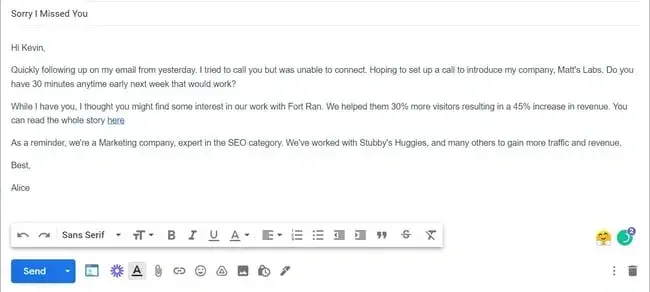
Credit: blog.hubspot.com
Frequently Asked Questions
How To Do Email Marketing For Clients?
Begin by defining client goals and target audience. Craft personalized, compelling content. Segment your email list for better targeting. Use A/B testing to optimize campaigns. Analyze metrics like open rates and conversions to refine strategies.
Can I Send Marketing Emails To My Customers?
Yes, you can send marketing emails to customers. Ensure compliance with GDPR and CAN-SPAM regulations. Obtain consent before sending emails. Offer an easy option to unsubscribe in every email. Personalize content to enhance engagement and maintain a good sender reputation.
What Is The 80/20 Rule In Email Marketing?
The 80/20 rule in email marketing suggests focusing 80% on providing valuable content and 20% on promotional messages. This approach enhances engagement and trust, encouraging subscribers to interact more with your emails. Prioritize content that addresses subscriber needs while strategically including promotional elements.
Conclusion
Crafting effective marketing emails requires thoughtful planning. Focus on clear, concise messages. Personalize content to engage clients. Always include a call to action. Respectful language maintains professionalism. Use visuals sparingly to highlight key points. Ensure mobile-friendly designs for accessibility. Regularly analyze feedback to improve future emails.
Testing different strategies helps find what works best. Remember, each email should build trust. Aim for clarity and relevance. Keep refining your approach. A well-crafted email strengthens client relationships. Success comes from understanding and adapting to client needs. Stay committed to delivering valuable content.
Your efforts will pay off.


