Are you looking to boost your business’s growth and connect directly with your audience? Setting up an email marketing campaign might be just what you need.
Imagine reaching your customers exactly where they are—right in their inbox. It’s a powerful way to share your latest updates, offers, and insights. But where do you start? How can you create a campaign that’s not only effective but also engaging?
You’ll discover step-by-step guidance on setting up an email marketing campaign that captivates and converts. Whether you’re a beginner or seeking to refine your existing strategy, we’ve got actionable tips to help you craft compelling emails that your audience can’t wait to open. By the end of this read, you’ll be equipped with the tools to build a campaign that stands out and drives results. Let’s dive in and unlock the potential of email marketing for your business!
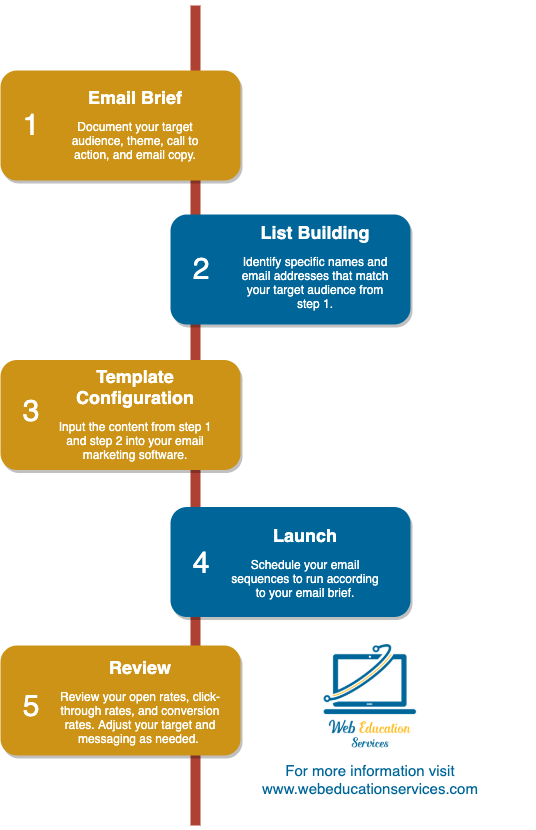
Credit: www.webeducationservices.com
Choosing The Right Email Marketing Platform
Selecting the best email marketing platform simplifies campaign setup. Choose tools that offer easy templates and scheduling options. This ensures efficient communication with your audience.
Choosing the right email marketing platform can dramatically affect the success of your campaign. It’s not just about sending emails—it’s about connecting with your audience effectively. With countless options available, how do you decide which platform best suits your needs?###Comparing Popular Platforms
Consider the platforms that have made a name for themselves in the email marketing world. Mailchimp is known for its simplicity and robust integration capabilities. Constant Contact offers excellent customer support and a user-friendly interface.ConvertKit is tailored for creators, focusing on automation and audience segmentation. Each has its strengths and weaknesses.Ask yourself what features align with your goals. Do you need intricate automation, or is simplicity your top priority?###Budget Considerations
Budget plays a crucial role in your decision-making process. Some platforms offer free tiers with limited features, while others require a monthly subscription.Mailchimp has a free plan that might be a good starting point if you’re on a tight budget. Yet, as your needs grow, you might find yourself needing more features offered only in paid plans.Balance your budget with the capabilities you need. Paying a little extra for valuable features might save you money in the long run.###User-friendly Features
User-friendliness can make or break your campaign’s efficiency. Platforms like Constant Contact and Mailchimp offer drag-and-drop editors, making email creation a breeze even if you’re not tech-savvy.Consider the learning curve. If a platform requires extensive training, it might slow down your campaign’s launch.Evaluate the customer support options. Are there tutorials or live chat support to assist you when you’re stuck?Choosing a platform with intuitive features can significantly streamline your workflow, allowing you to focus on crafting compelling content.Defining Your Campaign Goals
Setting clear campaign goals is crucial for successful email marketing. Define the purpose, whether it’s promoting products, increasing engagement, or boosting website traffic. Clear objectives guide your strategy and measure success effectively.
Setting up an email marketing campaign can be a game-changer for your business, but before you dive into crafting those compelling subject lines and designing eye-catching templates, you need to clearly define your campaign goals. Knowing what you want to achieve with your email marketing will guide every decision you make, from the content you create to the metrics you track. Are you looking to increase sales, boost engagement, or build brand loyalty? Your goals will shape your strategy and ensure your efforts are aligned with your business objectives.Sales Vs. Engagement
Understanding the difference between sales and engagement goals is crucial. If your aim is sales, your emails might include offers, discounts, and direct calls to action that encourage purchases. For engagement, your focus shifts to fostering interaction—think newsletters, surveys, or content that encourages replies or social media sharing.Consider what your audience values. Are they more likely to click on a discount link, or do they respond better to insightful content? Your answer will help you tailor your approach.Short-term Vs. Long-term Objectives
Your campaign can have short-term and long-term objectives, and balancing these can maximize your success. Short-term goals might include a seasonal promotion or a flash sale, where you want immediate results. Long-term goals focus on building relationships and brand loyalty over time.Think about the bigger picture. Are you nurturing a long-term relationship with your customers, or are you aiming for a quick boost in sales? A blend of both can often yield the best results.What are you hoping to achieve in the next month, versus the next year? Pinpointing these timelines will help you craft messages that resonate now and build trust for the future.By setting clear goals, you lay the foundation for a successful email marketing campaign. You ensure that every email sent is purposeful and aligns with the outcomes you desire.Building Your Email List
Start building your email list by setting up an effective email marketing campaign. Collect email addresses through sign-up forms on your website. Use engaging content to encourage subscribers to stay connected.
Building a robust email list is the backbone of a successful email marketing campaign. Imagine having a direct line to your audience, ready to engage with your content. But how do you grow this list effectively? Let’s dive into some practical strategies that will help you build a powerful email list.Opt-in Strategies
Start by creating an irresistible offer that makes your audience want to sign up. This could be a discount, a free guide, or exclusive content. When I first started my campaign, offering a free eBook was a game-changer.Place your opt-in forms strategically. Think about where your audience spends the most time on your website. A pop-up or a form at the end of a blog post can capture interest when your content is fresh in their minds.Don’t forget social media. Share your sign-up link across platforms to reach those who might not visit your website directly. This approach helped me expand my reach beyond my usual traffic sources.Segmenting Your Audience
Segmentation is crucial for delivering personalized content. Break down your audience based on interests, purchase history, or engagement levels. This ensures they receive emails that truly resonate with them.Consider using surveys to gather more information about your subscribers. What do they want to learn? What problems are they trying to solve? This data can guide your segmentation efforts.Are you treating all subscribers the same? Tailored messages can boost engagement and click rates. When I segmented my list based on reader preferences, I noticed a significant increase in interaction.Building your email list is not a one-time task. It’s an ongoing process of understanding your audience and refining your strategies. How will you take your email marketing to the next level with these tactics?
Credit: marketingartfully.com
Crafting Compelling Content
Building an effective email marketing campaign starts with defining your audience and objectives. Craft content that connects and provides value. Use clear, engaging subject lines to boost open rates and keep your audience interested.
Crafting compelling content is crucial for a successful email marketing campaign. Engaging content can catch your reader’s attention quickly. It ensures that your message is read and acted upon. Here’s how you can create content that captivates and converts.Personalization Techniques
Personalization can make your emails feel unique. Use the recipient’s name in the greeting. Include personalized recommendations based on past behavior. Segment your audience by interests or purchase history. This makes your content more relevant. It shows the reader you understand their needs.Effective Subject Lines
The subject line is the first thing recipients see. Keep it short and intriguing. Use action words to prompt engagement. Ask a question to spark curiosity. Avoid spammy words to ensure deliverability. Test different subject lines to see which performs best.Visual Design Tips
Visual elements make your email attractive. Use high-quality images relevant to your message. Balance text and visuals for readability. Ensure your design is mobile-friendly. Consider using infographics for complex information. A clean and simple design enhances the user experience.Automating Your Campaign
Automating your email marketing campaign saves time and effort. It ensures timely delivery of messages and boosts engagement. With automation, businesses can maintain consistent communication. This method enhances the customer experience and increases conversion rates.
Setting Up Autoresponders
Autoresponders send pre-written emails automatically. They respond to specific actions by subscribers. Use them to welcome new subscribers instantly. Set autoresponders for birthdays or special events. This personal touch strengthens relationships with customers.
Scheduling Emails
Scheduling emails lets you plan messages in advance. Choose optimal times for your audience. Consistent scheduling keeps your brand top-of-mind. Analyze data to determine the best times for engagement. Regularly scheduled emails build trust and anticipation.
Testing And Optimization
Effective email marketing starts with careful testing and optimization. Crafting engaging content and analyzing audience responses boost campaign success. Regularly refine strategies based on insights to maximize impact and reach.
Email marketing campaigns need constant improvement. Testing and optimization are essential. They help refine your strategies. With proper testing, you can understand what works best. Optimization ensures your emails engage the audience. This section focuses on key aspects of testing and optimization. Dive into A/B testing strategies and analyzing open and click rates.A/b Testing Strategies
A/B testing involves comparing two versions of an email. Test different elements like subject lines or images. Send each version to a segment of your audience. Measure which version performs better. Use the winning version in your campaign. Make small changes to see big results. Test one element at a time for clarity. Avoid testing too many elements at once. Clear results come from focused testing.Analyzing Open And Click Rates
Open rates show how many recipients opened your email. It reveals the effectiveness of your subject line. High open rates indicate strong interest. Click rates measure engagement with your content. They show if recipients click links in your email. Analyze these rates regularly. Adjust your strategy based on the data. Improve subject lines and call-to-action buttons. Engage your audience by providing valuable content.Compliance And Regulations
Setting up an email marketing campaign requires understanding compliance and regulations. Knowing laws like GDPR ensures emails respect privacy and reduce legal risks. Crafting messages that align with regulations helps build trust and maintain credibility.
Setting up an email marketing campaign is not just about crafting catchy subject lines and compelling content. It’s essential to ensure your campaign complies with regulations that protect consumer rights and privacy. Ignoring compliance can lead to hefty fines and damage your brand’s reputation. Let’s dive into some key regulations that every marketer must understand.Understanding Gdpr
The General Data Protection Regulation (GDPR) is crucial for any business operating in or dealing with clients from the EU. It emphasizes transparency and individual rights regarding personal data. You must obtain explicit consent from subscribers before sending them marketing emails. This means a simple checkbox isn’t enough; it should be a clear and affirmative action.Consider a time you received an email that you hadn’t signed up for. Annoying, right? GDPR aims to prevent such scenarios. It requires you to provide clear information on how you’ll use their data. Are you being transparent with your subscribers?Can-spam Act Essentials
The CAN-SPAM Act governs email marketing in the United States. It ensures that all commercial emails meet specific requirements. For starters, you must include a clear subject line that reflects the content of the email. Misleading headers or deceptive subject lines can lead to penalties.Have you ever tried to unsubscribe from an email list only to find it impossible? The CAN-SPAM Act mandates a functional and easy-to-find unsubscribe option in every email. Make sure your unsubscribe process is seamless. Your subscribers should be able to opt-out without jumping through hoops.By understanding these regulations, you can protect your brand and build trust with your audience. Compliance isn’t just a legal obligation; it’s a commitment to ethical marketing practices. Are you ready to prioritize your subscribers’ rights?Measuring Success
Crafting a successful email marketing campaign involves setting clear goals and tracking key metrics. Measure open rates, click-through rates, and conversions to gauge effectiveness. Adjust strategies based on feedback and data for continuous improvement.
In the digital age, setting up an email marketing campaign is just the beginning. To truly harness its potential, you need to know how to measure its success. This isn’t just about open rates and clicks; it’s about understanding what your audience responds to and refining your approach for even better results. Let’s dive into the key aspects of measuring success in your email marketing efforts.Key Performance Indicators
Success in email marketing is often gauged by specific metrics, known as Key Performance Indicators (KPIs). These are the numbers that tell you how well your campaign is doing. Open Rate is the percentage of recipients who open your email. A higher open rate means your subject lines are effective. Click-Through Rate (CTR) indicates how many people clicked on the links inside your email. This tells you if your content is engaging. Conversion Rate tracks how many recipients completed a desired action, like making a purchase or signing up for a webinar.It’s crucial to set clear goals for each of these KPIs before launching your campaign. This helps in understanding what success looks like for you. Are you trying to increase brand awareness, drive sales, or build a subscriber list? Tailor your KPIs to match these objectives. This clarity will guide your strategy and help you stay focused on your desired outcomes.Adjusting Strategies Based On Data
Collecting data is only part of the process; the real magic happens when you use this data to adjust your strategy. If your open rates are low, it might be time to experiment with different subject lines or sending times. Personalization can also play a critical role—are you addressing your subscribers by name or tailoring content to their interests?If your click-through rates aren’t meeting expectations, it could be worth testing different types of content. Try A/B testing with various call-to-action (CTA) placements or email layouts. When you see which version performs better, you can refine your approach for future emails.It’s important to be flexible and willing to change tactics based on what the data shows you. Have you ever noticed that a campaign you thought would perform well didn’t deliver the expected results? It happens to everyone, and it’s an opportunity to learn. By being open to change and experimenting with new ideas, you can continually improve your email marketing campaigns.What insights have your email campaigns revealed to you lately? How will you use this data to achieve even greater success?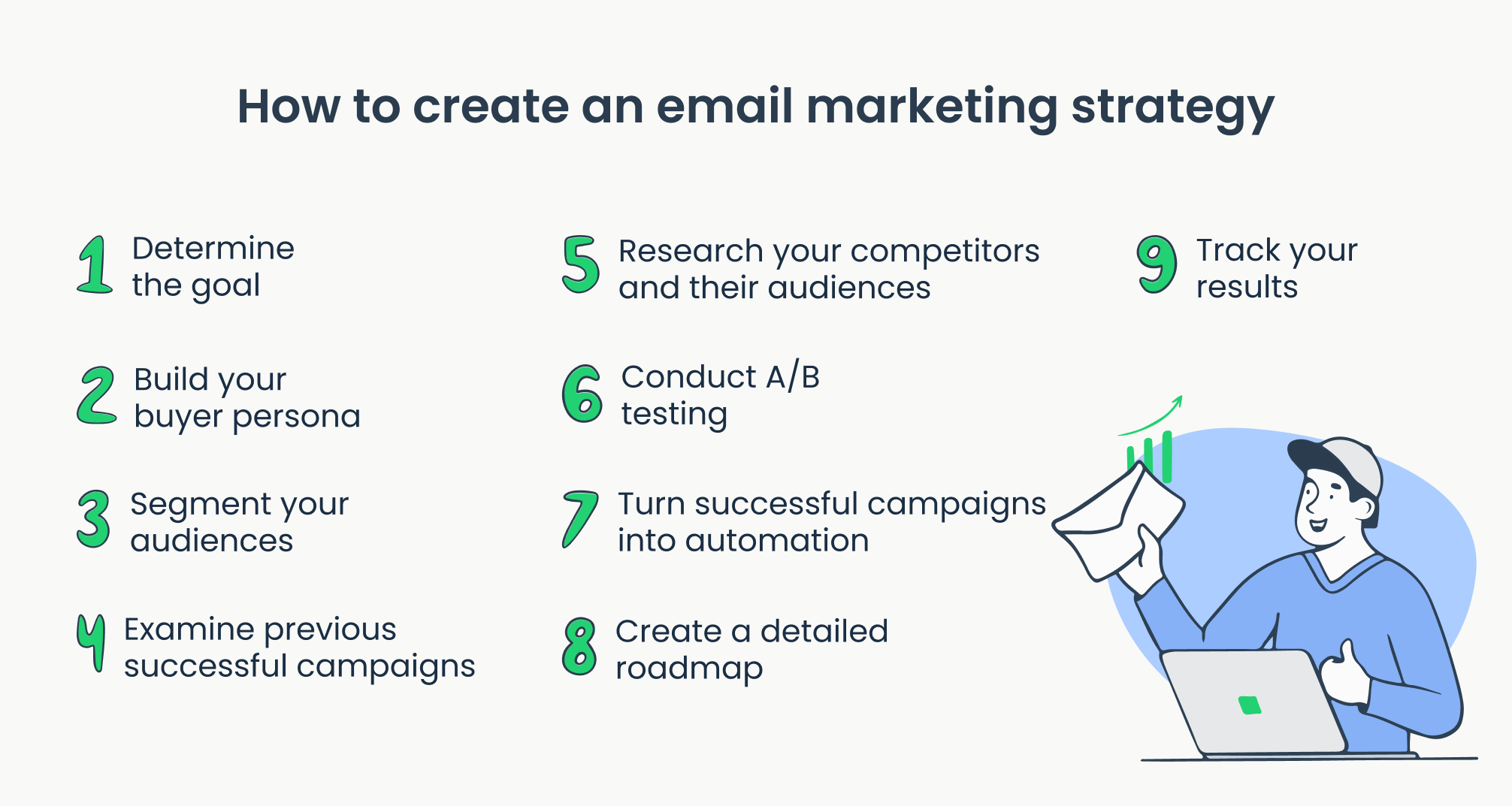
Credit: mailtrap.io
Frequently Asked Questions
How To Build An Email Marketing Campaign?
Start by defining your goals and target audience. Craft engaging content with a clear call-to-action. Design visually appealing emails. Segment your email list for personalization. Test, analyze, and optimize for performance.
What Is The 80/20 Rule In Email Marketing?
The 80/20 rule in email marketing suggests spending 80% of your time on crafting compelling content and 20% on promotional efforts. Focus on delivering value and engaging your audience to enhance open rates and conversions, making your emails more effective and successful.
What Are The 5 T’s Of Email Marketing?
The 5 T’s of email marketing are Targeting, Timing, Tone, Testing, and Tracking. Targeting ensures relevant audience reach. Timing optimizes send schedules. Tone maintains brand consistency. Testing improves campaign effectiveness. Tracking analyzes performance for strategic adjustments.
Conclusion
Setting up an email marketing campaign doesn’t have to be hard. Start by understanding your audience. Choose a reliable email platform. Craft compelling messages. Plan your schedule wisely. Test different strategies to see what works. Analyze results to improve your approach.
Keep your messages clear and relevant. Always respect subscriber privacy. Stay consistent with your branding. Engage your audience regularly. Email marketing can boost your business growth. Follow these steps for success. Remember, practice makes perfect. Keep learning and adapting. Your efforts will pay off over time.
Happy emailing!