
Are you ready to unlock the full potential of your business with email marketing? Setting up an effective email marketing campaign can be your gateway to reaching more customers, boosting sales, and nurturing lasting relationships.
Imagine having the power to speak directly to your audience, right in their inbox. With the right strategies, you can transform casual subscribers into loyal customers. You’ll discover simple steps to craft and launch a successful email marketing campaign, tailored to your unique goals.
Whether you’re new to email marketing or looking to refine your approach, this guide is designed to empower you every step of the way. Get ready to dive in and unleash the possibilities that await!
Credit: www.helpdesk.com
Choosing The Right Email Marketing Platform
Choosing the right email marketing platform is crucial for your campaign’s success. It affects how easily you can manage emails, track performance, and engage subscribers. A good platform simplifies the process and offers valuable features.
Understanding Your Business Needs
Identify what your business requires from an email platform. Small businesses may need basic tools for sending newsletters. Large enterprises might require advanced analytics and integrations. Assess your goals and budget before deciding.
Ease Of Use
Look for user-friendly platforms. An intuitive interface saves time and reduces errors. Test different platforms to find one that suits your comfort level. A simple dashboard can make campaign management effortless.
Features And Integrations
Consider essential features like automation, segmentation, and analytics. Automation helps in sending timely emails with minimal effort. Segmentation lets you target specific audience groups effectively. Ensure the platform integrates with existing tools.
Scalability
Choose a platform that grows with your business. As your subscriber list expands, you need a platform that can handle increased volume. Scalability ensures you won’t need to switch platforms later.
Pricing Plans
Examine the pricing structure. Some platforms offer flexible plans based on your needs. Consider the long-term cost and benefits. A cost-effective plan can help manage your budget efficiently.
Customer Support
Good customer support is vital for resolving issues quickly. Check if the platform offers reliable support channels like chat, email, or phone. Prompt assistance can prevent disruptions in your campaigns.
Building Your Email List
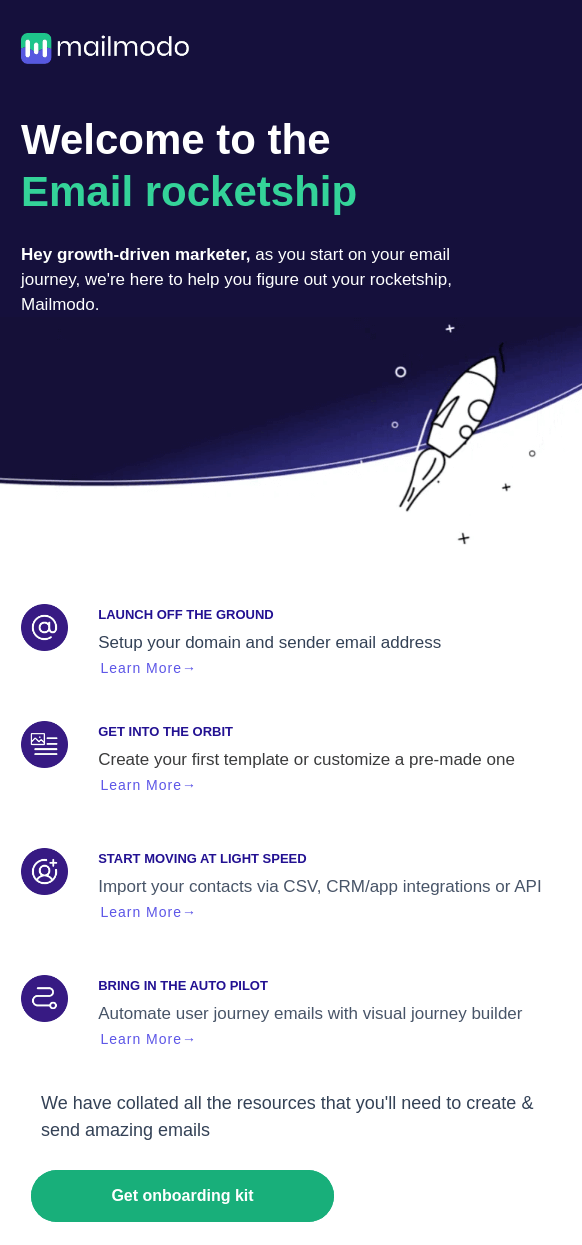
Setting up an email marketing campaign starts with choosing a reliable platform. Create an engaging signup form to attract subscribers. Craft personalized emails to build relationships and trust.
Building a robust email list is the cornerstone of a successful email marketing campaign. It’s not just about collecting as many emails as possible; it’s about gathering the right contacts who will engage with your content. A focused approach will help you connect with an audience that genuinely cares about what you have to say. Let’s delve into some effective strategies to build and refine your email list.Creating Lead Magnets
Lead magnets are incentives you offer in exchange for a visitor’s email address. The key to a great lead magnet is its value. What can you provide that’s irresistible to your audience?Think of resources like e-books, checklists, or exclusive webinars. When I first started, I offered a simple PDF guide on email marketing tips. It was a hit because it solved a specific problem for my audience. What problem can you solve for your audience?Utilizing Signup Forms
Signup forms are your primary tool for collecting email addresses. They should be easy to find and even easier to fill out. Are your forms strategically placed on your website?Consider placing them on your homepage, at the end of blog posts, and within pop-ups. Once, I realized that adding a signup form to my blog’s sidebar doubled my subscriber rate. Experiment with placement and see what works best for you.Segmenting Your Audience
Segmenting your audience means dividing your email list into smaller groups based on specific criteria. This could be based on demographics, purchase behavior, or engagement levels. Why is this important?It allows you to send more personalized and relevant content to each group. I once segmented my list based on whether subscribers had purchased my product. This enabled me to tailor my messages and saw a noticeable increase in open rates. What segments make sense for your audience?By carefully crafting your email list, you lay the groundwork for a more effective email marketing campaign. Remember, it’s not about numbers—it’s about building connections. How will you start building your list today?Crafting Effective Email Content
Setting up an email marketing campaign begins with defining your audience. Next, choose an engaging subject line to capture attention. Craft concise, valuable content that resonates with your readers and includes a clear call-to-action. Regularly analyze campaign performance to optimize future emails.
Crafting effective email content is essential for a successful email marketing campaign. Engaging emails can boost open rates and drive customer interaction. Focus on writing clear, concise, and persuasive content. Use words that connect with your audience. This will help build trust and encourage action.Writing Compelling Subject Lines
The subject line is your first impression. Make it count. Keep it short and relevant. Use strong verbs and create urgency. Ask questions to spark curiosity. Personalize when possible. This makes the reader feel valued. Avoid using spammy words. They may lead your email to the junk folder. A/B test different subject lines. Find what resonates with your audience.Designing Eye-catching Templates
The design should be clean and simple. Use colors that match your brand. Ensure text is easy to read. Use bullet points for clarity. Include a clear call to action. It guides the reader on what to do next. Images should support your message. They should not distract. Ensure mobile-friendliness. Many users check emails on phones.Incorporating Personalization
Personalization makes the email feel unique. Use the recipient’s name. Mention their past purchases. Suggest products based on their interests. This builds a connection. Personalization increases engagement. It shows you understand their needs. Use dynamic content to tailor messages. This keeps content fresh and relevant.Setting Up Automated Campaigns
Setting up automated email campaigns can save time and increase engagement. Automated campaigns help you reach your audience with the right message at the right time. They ensure consistency and help nurture leads through the sales funnel. Let’s explore how to set up these campaigns effectively.
Understanding Drip Campaigns
Drip campaigns send pre-written emails on a set schedule. These emails guide subscribers through your content. Each email builds on the previous one. This keeps your audience engaged and informed. Drip campaigns are perfect for welcoming new subscribers. They help in introducing your brand step by step.
Using Trigger-based Emails
Trigger-based emails respond to specific actions by subscribers. These actions might include signing up for a newsletter or abandoning a cart. Trigger emails are timely and relevant. They address the subscriber’s current needs. This increases the chance of conversion. Proper use of triggers can improve email open rates.
Scheduling Email Sequences
Scheduling email sequences involves planning the timing of emails. You decide when each email should be sent. This ensures consistent communication with your audience. Scheduling tools can automate this process. They allow you to focus on creating quality content. Consistent scheduling keeps your brand in the minds of subscribers.
Testing And Optimization
Setting up an email marketing campaign involves testing different elements like subject lines and visuals. Monitor open rates and click-through rates to optimize performance. Continuously refine content to engage your audience effectively.
Testing and optimization are crucial steps in crafting a successful email marketing campaign. These processes help you understand what resonates with your audience, ensuring your messages hit the mark. By refining your approach through testing, you can enhance engagement and maximize results.A/b Testing Strategies
A/B testing, also known as split testing, is a powerful tool for understanding what works best in your emails. Start by selecting a single element to test—like subject lines, call-to-action buttons, or email layout. Send version A to one half of your audience and version B to the other, then measure which performs better.Consider varying the wording in your subject lines. Does a question prompt more opens than a statement? Over time, these insights will guide your content strategy, making your emails more effective.Analyzing Open And Click Rates
Open and click rates are vital metrics in assessing your email campaign’s success. Regularly review these numbers to gauge how well your emails are performing. A high open rate indicates your subject line is compelling, while a strong click rate suggests engaging content.If you notice declining rates, it’s time to reassess your strategy. Perhaps your audience prefers more concise content or different topics. Always remain flexible and ready to adapt based on what your analytics reveal.Optimizing Send Times
The timing of your email sends can significantly impact engagement rates. Think about when your audience is most likely to check their inbox. Are they more active in the morning or late afternoon?Experiment with different send times to determine the optimal window for your audience. You might find that Tuesday morning hits the sweet spot or that Saturday afternoons yield higher engagement. Use these insights to schedule your campaigns for maximum impact.Testing and optimization might seem daunting, but they’re essential for a thriving email marketing strategy. What’s the first change you’ll test in your next campaign?Ensuring Compliance With Regulations
Setting up an email marketing campaign involves ensuring compliance with regulations to protect user data. Follow guidelines like obtaining consent and providing easy opt-out options. This approach helps maintain trust and legal standards.
Ensuring compliance with regulations is crucial for any email marketing campaign. It protects your business from legal issues and fosters trust with subscribers. Following regulations ensures your emails are welcomed rather than flagged as spam. Let’s explore key aspects of compliance.Understanding Gdpr And Can-spam
GDPR governs data protection in the EU. It requires explicit consent from subscribers. Make sure to provide clear opt-in options. CAN-SPAM is a U.S. law. It mandates transparency in email marketing. Always include a visible unsubscribe link. Respect user preferences to avoid penalties.Managing Subscriber Preferences
Respecting subscriber choices builds loyalty. Allow users to choose what content they receive. Use preference centers to let them adjust settings. Make the process simple and user-friendly. This enhances user engagement. It also reduces unsubscribe rates.Maintaining Data Privacy
Data privacy is a key concern for subscribers. Securely store personal information. Avoid sharing data with third parties without consent. Use encryption and secure servers. Regularly audit your data handling processes. This safeguards subscriber trust and maintains compliance.Measuring Campaign Success
Measuring the success of your email marketing campaign is crucial. Without knowing what works and what doesn’t, you can’t improve. Being able to track and analyze your campaign’s performance gives you the power to make informed decisions.
Tracking Key Metrics
Key metrics are your campaign’s pulse. Pay attention to open rates, click-through rates, and conversion rates. These numbers tell you how engaged your audience is. When I first started, I was obsessed with open rates. But I quickly learned that clicks and conversions matter even more. Do you know how many of your subscribers are taking the next step?
You might also track bounce rates and unsubscribe rates. High bounce rates could mean you need to clean your email list. High unsubscribe rates might indicate your content isn’t resonating. Are you providing value, or are you just another email in the inbox?
Evaluating Roi
Return on investment (ROI) is where the rubber meets the road. You need to know if the money spent is bringing results. Calculate your ROI by comparing the revenue generated to the cost of the campaign.
For example, if you spend $100 on an email campaign and earn $300 in sales, your ROI is 200%. This tells you your strategy is working. But if your ROI is lower, it might be time to rethink your approach. How does your current ROI stack up?
Adjusting Strategies Based On Insights
Data without action is like a car without fuel. Use your insights to tweak your strategies. If your open rates are low, try experimenting with your subject lines.
Are your click-through rates not meeting expectations? Consider changing your call-to-action or email design. Once, I swapped a single word in my call-to-action and saw a 15% increase in clicks. Small changes can make a big difference. What tweaks could you make today?
Remember, measuring success is not a one-time task. It’s an ongoing process. Keep analyzing and adjusting to stay ahead in the game.

Credit: www.linkedin.com
Credit: www.omnisend.com
Frequently Asked Questions
How To Build An Email Marketing Campaign?
Start by defining your target audience and goals. Craft engaging content with a clear call to action. Segment your email list for personalization. Use an eye-catching subject line. Test and optimize campaigns based on analytics. Ensure compliance with email regulations.
What Is The 80/20 Rule In Email Marketing?
The 80/20 rule in email marketing suggests spending 80% of your time on content creation and 20% on promotion. Focus on crafting engaging content that resonates with your audience. This balance helps build trust, encourages higher open rates, and boosts conversions effectively.
What Are The 5 T’s Of Email Marketing?
The 5 T’s of email marketing are Targeting, Timing, Template, Testing, and Tracking. Target your audience precisely. Choose the right timing for sending emails. Use an engaging template design. Conduct A/B testing for optimization. Track performance metrics for insights and improvement.
Conclusion
Email marketing isn’t complex. Start with clear goals. Choose the right platform. Design engaging content. Target the right audience. Test your campaigns. Analyze results. Adjust strategies based on insights. Keep improving. Stay consistent. Build strong relationships. Email marketing grows with time.
Success comes with patience and persistence. Focus on value and relevance. Respect your subscribers. Deliver quality content regularly. Stay updated with trends. Email marketing remains a powerful tool. Use it wisely and effectively. Results will follow. Engage your audience consistently.
Build trust and loyalty through emails. Happy emailing!


