Are you ready to unlock the true potential of your email marketing campaigns? Imagine having the power to predict your customers’ needs, tailor your messages perfectly, and skyrocket your engagement rates.
That’s what email marketing data can do for you. This treasure trove of information holds the key to understanding your audience better and crafting strategies that resonate. By diving into this data, you can transform your email efforts from good to extraordinary.
Curious about how to harness this power? Keep reading, and discover how leveraging email marketing data can revolutionize your approach and drive incredible results.
Setting Clear Objectives
Email marketing data helps businesses set clear objectives by analyzing customer engagement. This data guides marketing strategies. It aids in targeting audiences more effectively.
Setting clear objectives is the first step in using email marketing data effectively. Without defined goals, your email campaigns can wander aimlessly, missing opportunities to connect with your audience. Establishing clear objectives ensures your strategy is focused and measurable, allowing you to gather actionable insights from your data.Define Your Purpose
Ask yourself why you’re sending this email. Are you aiming to increase sales, boost brand awareness, or engage with your audience? Clearly understanding your purpose allows you to tailor your messages accordingly. When I first started with email marketing, I thought sending more emails would lead to better results. It wasn’t until I set specific goals that I saw meaningful engagement.Set Smart Goals
SMART goals—Specific, Measurable, Achievable, Relevant, and Time-bound—are essential. Instead of saying “increase sales”, specify “increase sales by 20% in the next three months through targeted email campaigns.” This clarity helps you track progress and adjust strategies as needed. SMART goals transform vague ambitions into actionable targets.Identify Key Performance Indicators (kpis)
Determine which metrics will measure your success. Is it open rates, click-through rates, or conversions? Identifying KPIs keeps your focus sharp and your efforts aligned with your objectives. I once focused solely on increasing open rates, only to realize later that conversions were the real indicator of success for my campaign.Align With Overall Business Goals
Your email marketing objectives should support your broader business goals. If your company aims to expand its customer base, your email strategy should mirror that goal. Aligning objectives ensures consistency and amplifies the impact of your marketing efforts.Regularly Review And Adjust
The digital landscape is constantly changing, and so should your objectives. Regularly review your goals to ensure they remain relevant and achievable. When an email campaign underperformed, I learned the value of revisiting and tweaking my objectives to better suit market trends and customer behaviors.Setting clear objectives in email marketing is not just a one-time task. It’s a dynamic process that requires ongoing attention and adaptation. Are your current objectives truly serving your business, or is it time for a refresh?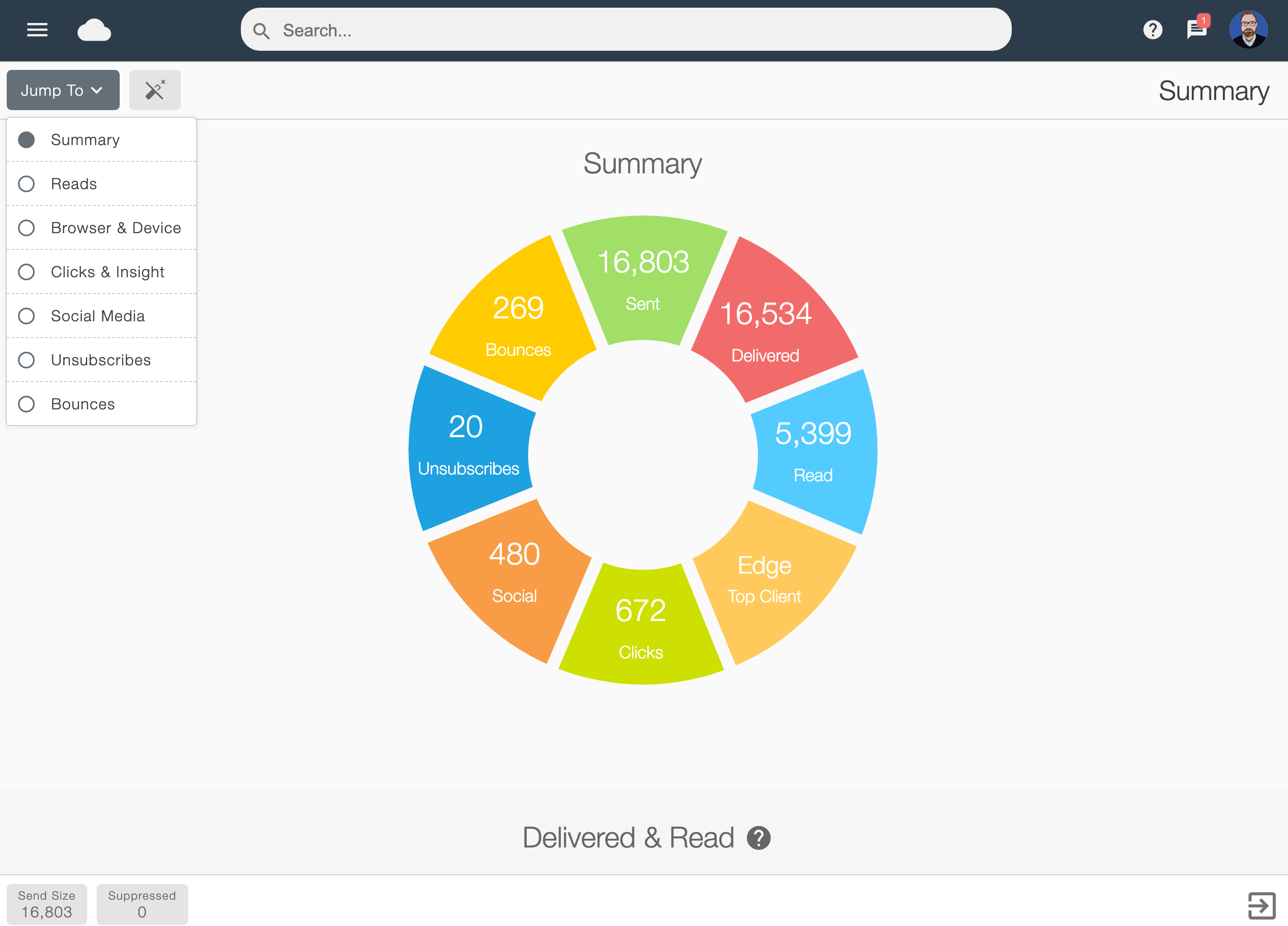
Credit: www.emailblasteruk.com
Collecting Essential Data
Email marketing data helps tailor campaigns effectively. Analyze open rates, click-throughs, and subscriber behavior. Improve strategies by understanding preferences and engagement patterns.
Email marketing is a powerful tool, but its success hinges on the quality of data you collect. The right data can transform your campaigns, helping you understand your audience better and tailor your messages effectively. Collecting essential data is the first step in this process, and it involves gathering information that will drive successful email marketing strategies.Understanding Your Audience
Before you dive into data collection, ask yourself: Who is your audience? Knowing who you are communicating with can make a significant difference in your approach.Use surveys and sign-up forms to gather demographic information. You might want to know their age, location, or occupation. It’s like having a conversation with them; you’re not just speaking to a crowd, but to individuals with unique preferences.Tracking Engagement Metrics
Are your emails being opened? Are links being clicked? These are questions you should be asking regularly. Engagement metrics are crucial data points that tell you if your content resonates with your audience.Utilize email marketing platforms that offer tracking features to measure open rates, click-through rates, and unsubscribe rates. By keeping a keen eye on these metrics, you can tweak your content to better meet the needs of your audience.Analyzing Purchase Behavior
Understanding purchase behavior can be a game-changer. If you’ve ever noticed that certain products sell better after specific emails, you’re tapping into valuable data.Consider segmenting your email list based on previous purchase history. This allows you to send targeted emails that suggest products your customers might be interested in, increasing the likelihood of a sale.Leveraging Website Analytics
Your website is a goldmine of data. If you’re not already using analytics tools, you’re missing out on insights that can enhance your email marketing strategy.Look at which pages your visitors frequent and how long they stay. This can inform what content to highlight in your emails, making them more relevant to your audience’s interests.Building A Feedback Loop
Feedback is often overlooked, but it’s one of the most direct forms of data you can collect. When was the last time you asked your subscribers what they think of your emails?Implement feedback forms and encourage responses. It’s not just about gathering data; it’s about understanding and improving your strategy based on real opinions.Collecting essential data is not just a task; it’s an ongoing conversation with your audience. Are you ready to listen and learn?Analyzing Subscriber Behavior
Understanding how subscribers interact with your emails is crucial. Their behavior reveals what content they enjoy and engage with. Analyzing these patterns helps refine your email marketing strategy. You can tailor messages to fit their preferences. This boosts engagement and increases conversion rates.
Identifying Open Rates
Open rates show who is reading your emails. A high open rate means your subject lines are effective. A low rate suggests you need more compelling headlines. Experiment with different styles and tones. Track changes in open rates for insights.
Tracking Click-through Rates
Click-through rates measure interest in your content. They reveal which links and calls to action attract clicks. Analyze which emails have higher click-through rates. This helps identify successful content and strategies.
Monitoring Unsubscribe Trends
Unsubscribe rates indicate dissatisfaction or disinterest. A rising unsubscribe rate is a red flag. Review email content and frequency. Consider surveying subscribers for feedback. This can guide improvements and reduce unsubscribes.
Evaluating Engagement Levels
Engagement levels reflect how subscribers interact. Look at replies, forwards, and shares. High engagement indicates your emails are valuable. Low engagement suggests changes are needed. Adjust content and format to boost interaction.
Segmenting Email Lists
Segmenting email lists boosts engagement by tailoring messages based on subscriber behavior. This method uses marketing data to enhance personal connections and improve response rates. Targeted emails reach the right audience, making content more relevant and effective.
Segmenting email lists is a powerful strategy in email marketing. It allows businesses to deliver personalized content to their audience. This increases engagement and improves open rates. By dividing subscribers into smaller groups, marketers can tailor messages to fit specific needs. This approach leads to better customer satisfaction and higher conversion rates. Let’s explore some practical ways to segment your email lists for maximum impact.Understanding Your Audience’s Demographics
Start by gathering demographic data from your subscribers. Age, gender, and location are critical factors. This information helps create segments that reflect your audience’s characteristics. For instance, a fashion brand can tailor offers based on gender preferences. Knowing your audience’s demographics is the first step to effective segmentation.Behavioral data provides insights into how subscribers interact with your content. Track their email opens, clicks, and purchase history. This data reveals their interests and preferences. Create segments based on this behavior. Send targeted emails that align with their past interactions. This strategy enhances engagement and drives sales.Utilizing Purchase History
Segment your list by analyzing past purchases. Identify customers who bought specific products. Create segments based on their buying patterns. This allows you to send relevant product recommendations. Encourage repeat purchases by offering tailored promotions. Purchase history is a valuable segmentation tool.Incorporating Engagement Levels
Subscribers engage with emails at different levels. Some open every email, while others rarely do. Segment your list based on engagement levels. Re-engage inactive subscribers with special offers. Reward loyal customers with exclusive content. Engagement-based segmentation keeps your audience interested.Considering Time-based Segmentation
Time-based segmentation focuses on when subscribers engage with emails. Analyze data to find peak engagement times. Send emails during those periods to increase open rates. This strategy ensures your message reaches subscribers when they’re most active. Time-based segmentation optimizes your email marketing efforts.Crafting Personalized Content
Crafting personalized content in email marketing is crucial for engagement. Tailoring your messages can improve open rates and build strong relationships. Personalized emails make recipients feel valued. They connect with your brand on a deeper level. This can lead to increased conversions and customer loyalty. Using email marketing data effectively helps in creating such personalized experiences.
Using Customer Segmentation
Segment your audience based on demographics, behavior, or preferences. This allows you to create targeted content for each group. For example, send different offers to young adults and seniors. Use purchase history to suggest similar products. This increases the relevance of your emails.
Analyzing Engagement Metrics
Track metrics like open rates and click-through rates. These metrics show what content resonates with your audience. Use this data to refine your content strategy. If certain topics or products get high engagement, focus more on them. This will keep your audience interested.
Incorporating Dynamic Content
Dynamic content changes based on user data. Personalize subject lines and email bodies with this technique. Use first names or recommend products based on past purchases. Dynamic content makes emails feel tailored to the individual. This boosts engagement and conversion rates.
Utilizing Behavioral Triggers
Set up automated emails based on user actions. For example, send a welcome email to new subscribers. Trigger emails for abandoned carts or product recommendations. This timely communication can drive users to complete desired actions. It keeps your brand top-of-mind for recipients.
Gathering Feedback For Improvement
Ask for feedback through surveys or direct questions in emails. Analyze responses to understand customer needs and preferences. Use this information to improve your email content. Regular feedback helps keep your emails relevant and engaging. It shows customers you value their opinions.
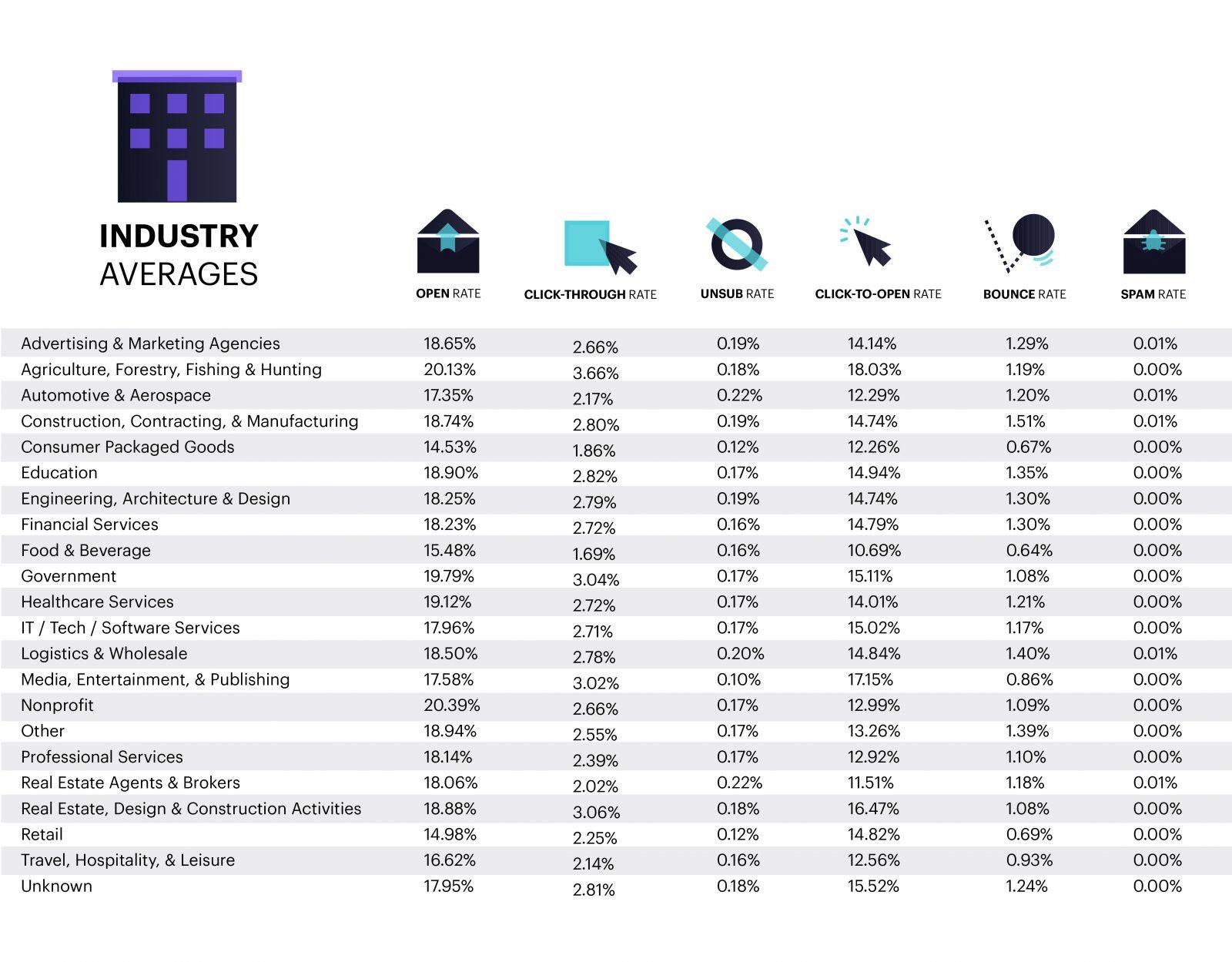
Credit: www.campaignmonitor.com
Optimizing Send Times
Email marketing is a powerful tool for businesses. Understanding the best time to send emails can boost engagement. Optimizing send times is crucial for reaching your audience effectively. By analyzing email marketing data, you can determine the best times to send your messages. This ensures your emails are opened, read, and acted upon.
How To Analyze Your Audience’s Time Zone
Consider where your audience is located. Different time zones affect email open rates. Use analytics tools to gather data on your subscribers’ locations. This helps in scheduling emails at times when your audience is most active.
Identify Peak Engagement Hours
Study your email marketing data to find peak engagement hours. Look for patterns in your open rates. Identify the times when your subscribers are most responsive. This helps in choosing optimal send times for future campaigns.
Test And Adjust Send Times
Experiment with different send times. Use A/B testing to compare results. Analyze which times yield the best engagement. Adjust your strategy based on this data. Regular testing ensures your emails reach subscribers at the right time.
Utilize Automation Tools
Automation tools can help in scheduling emails. Set up automated campaigns based on your data insights. These tools ensure your emails are sent at optimal times. Automation simplifies the process and improves efficiency.
Monitor Results And Refine Strategy
Keep an eye on your email performance metrics. Monitor open rates and click-through rates. Use this data to refine your send time strategy. Continuous improvement enhances your email marketing efforts.
Testing Campaign Elements
Analyzing email marketing data helps refine campaign elements for better engagement. Understanding open rates and click-through statistics guides adjustments in content and timing. Testing different subject lines and visuals reveals what resonates with subscribers, improving overall effectiveness.
Email marketing data offers insights into customer behavior. Testing campaign elements optimizes your strategy. It identifies what resonates with your audience. Evaluating different aspects of your emails can boost engagement. Two key elements to test are subject lines and content formats.Subject Line Variations
Subject lines are the first thing recipients see. They determine if the email gets opened or ignored. Test different subject lines to see what works best. Try using questions, statements, or emojis. Short subject lines may grab attention faster. Longer ones can provide more context. Personalization can increase open rates. Include the recipient’s name for a personal touch. Monitor open rates to find the most effective subject line.Content Formats
Content format affects how your message is received. Try various formats to engage your audience. Text-only emails can be simple and direct. Rich HTML emails offer visual appeal with images and links. Interactive elements like polls can boost engagement. Short, concise content often holds attention better. Longer, detailed messages can provide valuable information. Analyze click-through rates to see which format performs best.
Credit: www.pagewiz.com
Monitoring Performance Metrics
Monitoring performance metrics in email marketing is crucial. It helps refine strategies and enhance engagement. By tracking key metrics, marketers can understand their audience better. This leads to more effective campaigns. Let’s dive into some essential metrics.
Open Rates
Open rates measure how many recipients open your emails. A higher open rate indicates interest in your content. It shows your subject line’s effectiveness. Track open rates regularly. Adjust your subject lines based on performance. Use compelling and relevant words. This boosts chances of your emails being opened.
Click-through Rates
Click-through rates (CTR) show the percentage of clicks on links within your email. A high CTR means your content resonates well. It suggests recipients find your call-to-action appealing. Ensure your emails are clear and concise. Use engaging visuals and straightforward language. Monitor CTR to identify what works best.
Conversion Rates
Conversion rates reveal how many clicks lead to desired actions. This could be a purchase, sign-up, or download. A higher conversion rate signifies successful email campaigns. Optimize your landing pages for better results. Make your offer attractive and easy to access. Regularly review conversion data. This helps refine your strategies.
Adjusting Strategies Based On Data
Analyzing email marketing data allows marketers to refine their strategies effectively. Track open rates and click-through rates to understand audience preferences. Adjust email content accordingly to improve engagement and boost campaign success.
Adjusting strategies based on data is a crucial part of successful email marketing. By analyzing the information your campaigns generate, you can make informed decisions that improve your results. This process turns data into actionable insights, ensuring your messages resonate with your audience and drive engagement.Understanding Your Audience’s Preferences
To adjust your strategy effectively, start by examining the preferences of your audience. Look at open rates, click-through rates, and the types of content that generate interest. If a certain topic or product consistently receives more clicks, consider focusing more on that area in future emails.Timing Your Emails Perfectly
Timing can significantly impact the success of your campaigns. Analyze when your audience is most active and likely to engage. Are your emails opened more during the morning or evening? Use this data to schedule your messages at optimal times, increasing the likelihood of engagement.Segmenting Your Audience For Better Targeting
Not all subscribers are the same. Segment your audience based on their behavior and preferences. Create groups such as frequent buyers, occasional readers, or new subscribers. Tailor your content to meet the specific needs of each segment, making your emails more relevant and personalized.Testing Subject Lines For Maximum Impact
Your subject line is the first thing subscribers see. Use A/B testing to find out which subject lines get the most opens. Test different lengths, tones, and words. This data-driven approach helps you craft subject lines that capture attention and boost open rates.Analyzing Unsubscribes For Insightful Feedback
Unsubscribes can be a goldmine of information. Analyze the data to understand why people are leaving. Is it too many emails, irrelevant content, or something else? Use this feedback to refine your strategy and reduce future unsubscribes.Have you ever adjusted your email strategy based on data insights? You might be surprised at the results. By focusing on what your audience truly wants, you can create more effective and engaging email campaigns.Leveraging Automation Tools
Utilize automation tools to transform email marketing data into actionable insights. Analyze open rates and click-throughs for better targeting. Enhance campaign effectiveness by understanding subscriber behavior and preferences.
In today’s digital age, email marketing is more than just sending newsletters. It’s about using data to understand your audience and improve your campaigns. One way to make the most of your email marketing data is by leveraging automation tools. These tools can help you streamline your efforts, personalize your messages, and ultimately, drive better results.When I first started using email marketing, I was overwhelmed with the amount of data available. It wasn’t until I began using automation tools that I saw a significant improvement in my campaigns. Automation can do wonders for your email marketing strategy. Are you making the most of these tools?###Understanding The Power Of Automation
Automation tools can handle repetitive tasks that would otherwise take up a lot of your time. This allows you to focus on creating content and strategies that engage your audience. With the right tools, you can schedule emails, segment your audience, and track campaign performance effortlessly.These tools can also help you send timely and relevant messages. For example, you can set up automated welcome emails for new subscribers. This ensures they receive the right information at the right time, making them feel valued from the start.###Personalizing Your Campaigns
Personalization is key to engaging your audience. Automation tools can help you tailor your emails to individual subscribers based on their behavior and preferences. This can lead to higher open and click-through rates.Consider using data such as past purchases, browsing history, or engagement levels. This allows you to send targeted promotions or content that resonates with each subscriber. Have you ever received an email that felt like it was written just for you? That’s the power of personalization.###Analyzing Data For Continuous Improvement
Automation tools not only streamline your processes but also provide valuable insights into your campaigns. You can track metrics such as open rates, click-through rates, and conversions. This data helps you understand what works and what doesn’t.Use these insights to test and refine your strategies. Experiment with different subject lines, email formats, and send times. Ask yourself: What can I do differently to improve engagement? Continuous improvement is crucial for long-term success.###Maximizing Roi With Automation
By using automation tools, you can maximize your return on investment (ROI). These tools help you manage your resources efficiently and reduce costs associated with manual tasks. The time saved can be redirected towards other important aspects of your business.Think about your most successful campaigns. How much of their success can be attributed to effective use of automation? When you leverage these tools correctly, you’re not just saving time; you’re boosting your bottom line.Incorporating automation tools into your email marketing strategy can transform your campaigns. Are you ready to take your email marketing to the next level?Enhancing User Experience
Email marketing data holds the key to enhancing user experience. It provides insights into customer behavior and preferences. This data can help tailor messages to meet individual needs. When used effectively, it creates more engaging and meaningful interactions. Let’s explore how to use email marketing data to improve user experience.
Personalized Content Creation
Personalization makes each email feel unique to the recipient. Use data to understand what content interests your users. This might be product recommendations or informative articles. Personalizing emails increases engagement and user satisfaction.
Segmentation For Targeted Campaigns
Segmentation divides your audience into smaller groups. Use data to create segments based on demographics or interests. Targeted campaigns speak directly to each segment’s needs. This approach improves the relevance of your messages.
A/b Testing For Improved Results
A/B testing compares two versions of an email. Use data to see which version performs better. This helps identify what content or design works best. Regular testing enhances user experience by refining your approach.
Analyzing Engagement Metrics
Engagement metrics reveal how users interact with your emails. Look at open rates, click-throughs, and conversions. Use this data to adjust your strategy. Understanding these metrics helps deliver more engaging content.
Feedback Collection For Continuous Improvement
User feedback is invaluable for enhancing experience. Collect feedback through surveys or direct responses. Use this information to improve future emails. Listening to users builds trust and satisfaction.
Maintaining Data Privacy
Using email marketing data requires careful attention to privacy. Handle data responsibly to maintain trust with your audience. Ensure compliance with privacy regulations to protect personal information.
Maintaining data privacy is crucial when using email marketing data. Protecting your subscribers’ information not only builds trust but also ensures compliance with laws and regulations. By prioritizing privacy, you can improve your relationship with your audience and boost your marketing efforts.Understanding Data Privacy Regulations
Familiarize yourself with data privacy laws like GDPR and CCPA. These regulations set clear guidelines on how to collect, store, and use personal data. Adhering to these rules is not just a legal obligation; it shows respect for your subscribers’ privacy.Implementing Robust Security Measures
Use encryption to protect sensitive information. Regularly update your security software to defend against cyber threats. Ensure that only authorized personnel have access to your email marketing data.Being Transparent With Your Audience
Clearly explain how you will use their data when someone subscribes to your email list. Use straightforward language in your privacy policy and make it easily accessible. Transparency fosters trust and can increase subscriber engagement.Offering Opt-out Options
Give your subscribers the freedom to opt-out of your emails at any time. Make the process simple and hassle-free. This shows respect for their preferences and can enhance your brand’s reputation.Regularly Auditing Your Data Practices
Conduct periodic reviews of how you handle email marketing data. Identify any potential vulnerabilities or areas for improvement. Regular audits help ensure ongoing compliance and data protection.Engaging With Your Team
Train your team on the importance of data privacy. Encourage them to stay informed about the latest privacy trends and updates. A knowledgeable team is your first line of defense in maintaining data privacy.Have you ever considered how your own email habits might influence how you handle subscribers’ data? Reflecting on this can offer valuable insights into improving your data privacy practices.Frequently Asked Questions
How To Analyze Email Marketing Data?
Use tools like Google Analytics to track open rates, click-throughs, and conversions. Analyze engagement metrics to understand subscriber behavior. Segment data to identify trends and improve targeting. A/B test subject lines and content for better results. Continuously refine strategies based on insights gained from data analysis.
How Much Is A 1000 Email List Worth?
The value of a 1000 email list varies by industry and engagement rate. Typically, it ranges from $10 to $50 per subscriber. Factors like quality, target audience, and conversion rate influence the worth. A high-quality list with active subscribers is more valuable for marketing campaigns.
What Is The 80/20 Rule In Email Marketing?
The 80/20 rule in email marketing suggests focusing 80% on content and 20% on promotion. Prioritize engaging and valuable content to attract and retain subscribers. This approach enhances audience connection, boosts engagement, and drives conversions by delivering quality information over excessive promotional messages.
Conclusion
Email marketing data offers valuable insights. Use it to understand your audience better. Improve your strategy by analyzing open rates and click-through rates. Adjust your content based on engagement patterns. Test different approaches to see what works best. Track conversions to measure success.
Regularly review your data for trends and patterns. Stay informed about changes in your audience’s behavior. Effective email campaigns rely on informed decisions. Make data-driven choices to enhance your marketing efforts. Keep learning and adapting to maintain your campaign’s effectiveness.
Use your insights wisely. Build stronger connections with your subscribers.