
Are you struggling to craft marketing emails that get noticed? You’re not alone.
Writing a marketing email that captures attention and drives action is both an art and a science. The secret lies in understanding your audience and knowing how to speak their language. Imagine creating emails that not only reach your subscribers but engage them, enticing them to click and explore further.
In this guide, you’ll discover effective examples and learn techniques to transform your emails into powerful marketing tools. Ready to elevate your email marketing game? Let’s dive in and unlock the secrets to writing compelling marketing emails that convert.
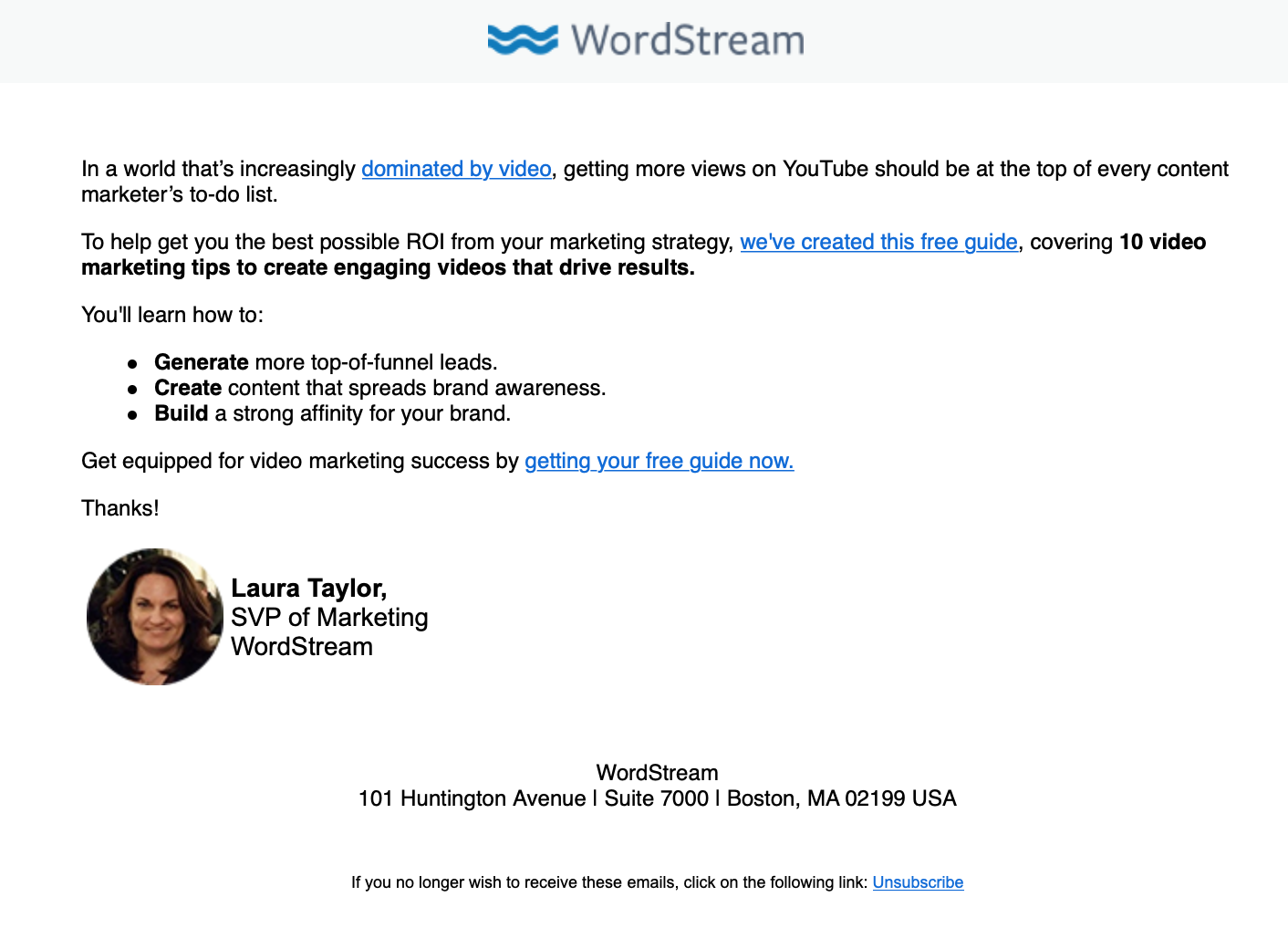
Credit: www.wordstream.com
Crafting A Compelling Subject Line
Creating a captivating subject line can boost your email’s success. A strong subject line grabs attention and encourages the reader to open the email. It is often the first impression of your message. A well-crafted subject line can increase open rates and engagement.
Using Power Words
Power words evoke emotions and prompt action. They make your subject line stand out in a crowded inbox. Words like “exclusive,” “limited,” or “free” can create urgency. Use them to make your email seem important. But avoid overusing them to maintain trust.
Personalization Techniques
Personalization makes the reader feel valued. Include their name in the subject line. It builds a connection. Mentioning past interactions or purchases adds relevance. Tailoring the subject line to the recipient’s interests can increase engagement. Personalized emails often see higher open rates.
Writing An Engaging Opening
Crafting an engaging opening grabs attention instantly. Spark curiosity with relatable scenarios or questions. Use clear, friendly language to connect with your audience.
Crafting a marketing email that captivates your audience from the start can feel like an art form. The opening lines are your first impression and can determine if your reader continues or hits delete. How do you ensure your email leads to engagement and not the trash bin? It all starts with an engaging opening. Let’s dive into creating a hook that keeps your audience reading.Grabbing Attention Immediately
The first few words of your marketing email can make or break your campaign. Start with a punchy statement or a thought-provoking question. Ask yourself: what would make you stop scrolling?Use personalization to your advantage. A name at the beginning can grab attention. Imagine seeing your own name in bold letters; you’d likely pause and read on.Incorporate a sense of urgency. Phrases like “Limited Time Offer” or “Exclusive Access” can spark curiosity and prompt immediate action.Setting The Tone
Establish the mood of your email right from the start. Is it playful, professional, or heartfelt? The tone should match your brand and the message you want to convey.Think about your audience. What language or style resonates with them? Use words and phrases they relate to, making them feel understood and valued.Keep it simple and direct. Avoid jargon or overly complex sentences. Clarity fosters connection and keeps your reader engaged.In my experience, a warm and inviting tone has often led to more replies. It’s like having a conversation with a friend rather than reading a sales pitch.Remember, the opening of your email is your opportunity to set the stage for the rest of your message. Make it count, and watch your engagement soar. What strategies will you try next in your marketing emails?Structuring The Email Body
Creating a compelling marketing email is an art. A well-structured email body can engage the reader effectively. It is important to organize your thoughts clearly. This makes your message easy to digest. Let’s explore how to structure your email body for maximum impact.
Keeping It Concise
Short sentences work best in emails. Readers prefer quick, easy-to-read messages. Limit your email to essential information. Avoid long paragraphs. Each sentence should serve a purpose. Focus on delivering your core message. This keeps the reader’s attention and avoids overwhelming them.
Utilizing Bullet Points
Bullet points help in breaking down information. They make complex ideas simple. Use them for lists or key points. This format is easy on the eyes. It improves readability. Readers can quickly scan through bullet points. Important details stand out. This saves time and keeps the reader engaged.
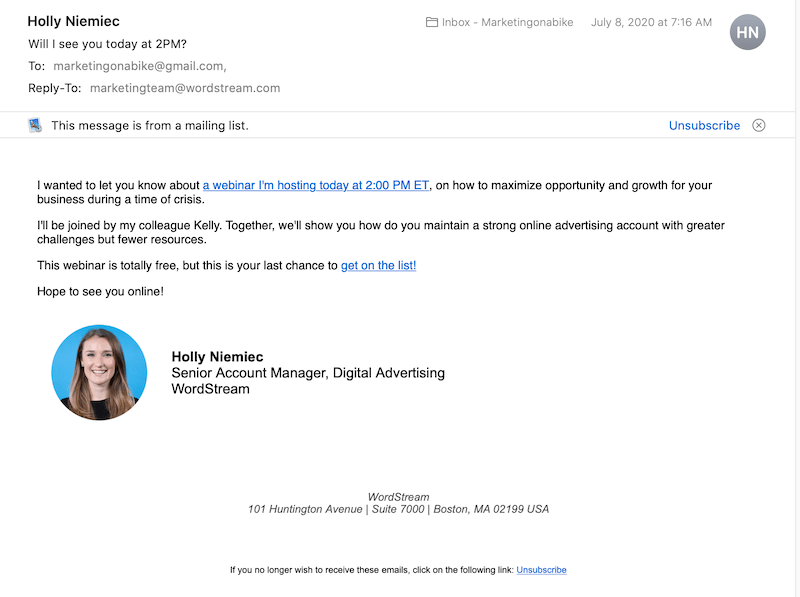
Credit: www.wordstream.com
Incorporating Visual Elements
Enhance marketing emails by adding visuals. Images and charts grab attention and convey information faster. Visuals make emails memorable and engaging, fostering better audience connection.
Incorporating visual elements in marketing emails boosts engagement significantly. Readers connect better with images and videos. Visuals make your message more appealing and memorable. They can simplify complex information and highlight key points. Let’s explore how to use images and videos effectively in your emails.Using Images Effectively
Images should support your email’s message. Choose high-quality photos that reflect your brand. They should be relevant and enhance your content. Avoid using too many images. This can distract or overwhelm readers. Use alt text for each image. This helps if the image doesn’t load. It also aids accessibility for screen readers. Compress images to improve email loading times.Adding Videos For Engagement
Videos can make your email more engaging. Use short clips to hold attention. Ensure the video aligns with your message. Add a compelling thumbnail to encourage clicks. Provide a brief description or call to action. This guides the viewer on what to do next. Embed videos directly in the email when possible. Or, use a linked image to direct to a landing page. This method keeps your email layout clean.Crafting A Strong Call To Action
Crafting an impactful call to action in marketing emails engages your audience effectively. Use clear, concise language to guide readers. Examples can include phrases like “Discover More,” “Join Today,” or “Learn How,” encouraging immediate action.
Crafting a strong call to action (CTA) is crucial in the art of writing effective marketing emails. It’s the moment where you guide your reader from interest to action. A well-crafted CTA can significantly boost your conversion rates. But how do you ensure your CTA compels readers to take that desired step? Let’s break it down.###Clarity And Actionability
Your CTA needs to be crystal clear. Ambiguity is your enemy here. If your reader has to guess what to do next, you’ve lost them. Make your CTA straightforward and actionable.Use simple, direct language. Instead of “Consider our offerings,” say “Shop Now.” Notice the difference in urgency and direction? Short and sharp commands often work best.Think about your last online purchase. Was it the product description or the “Buy Now” button that sealed the deal? Your CTA should leave no room for second-guessing.###Creating Urgency
Urgency is a powerful motivator. It compels readers to act quickly, fearing they might miss out. Phrases like “Limited Time Offer” or “Only a Few Left” can create a sense of scarcity.Why is urgency effective? Because it taps into a fear of missing out (FOMO). You don’t want your audience to think, “I’ll do it later.” You want them to act now.Think of a time you rushed to purchase something because the deal was ending soon. That feeling of urgency can be the push your readers need.Have you considered what happens if your reader waits? Make the consequences of inaction clear. Whether it’s missing out on a discount or running out of stock, urgency can turn hesitation into action.Personalizing The Message
Crafting a marketing email involves personalizing the message for your audience. Address recipients by name to create connection. Tailor content to their interests or previous interactions, enhancing engagement and response rates.
Personalizing a marketing email can make a world of difference. It’s not just about adding a recipient’s name to the subject line. It’s about making the reader feel that the message is crafted specifically for them. When your audience feels a personal connection, they’re more likely to engage. Think about the emails you open—what draws you in? Often, it’s the ones that speak directly to your needs and interests.###Segmenting Your Audience
Start by dividing your audience into smaller groups based on shared characteristics. This segmentation helps you tailor your messages so they resonate more effectively. For instance, if you’re a clothing retailer, you might segment based on purchase history, age, or location.Segmenting allows you to create targeted content that speaks directly to each group. You wouldn’t send the same email to a high school student and a working professional, would you? Tailor your message to match the unique preferences of each segment.Consider using surveys or past interactions to inform your segmentation. This way, you’re not just guessing but using real data to guide your approach. The more accurate your segments, the more personal your emails will feel.###Leveraging User Data
User data is a goldmine for personalizing emails. It provides insights into what your audience likes, dislikes, and how they behave. Use this data to craft messages that speak directly to their interests and needs.For example, if a user frequently browses a particular category on your website, mention it in your email. “We noticed you love tech gadgets—here’s a special offer just for you!” Such messages show that you’re paying attention.But remember, it’s not just about collecting data. It’s about using it ethically and effectively. Always prioritize user privacy and be transparent about how you use their information. This builds trust and keeps your audience engaged.So, are you ready to make your marketing emails more personal? Start segmenting your audience and leveraging user data to create messages that truly connect. What’s one thing you can do today to make your emails more personalized?Testing And Analyzing Performance
Testing and analyzing performance is crucial in crafting effective marketing emails. It helps you understand what works and what doesn’t. This process allows you to make informed decisions and improve engagement. By analyzing performance, you can refine your strategies. This ensures your emails resonate with your audience.
A/b Testing Strategies
A/B testing compares two versions of an email to see which performs better. Start with a clear objective. Decide what you want to test. It could be subject lines, call-to-action, or email layout. Create two versions of your email. Change only one element at a time. Send these versions to two similar groups. Analyze which performs better. This helps you understand what your audience prefers.
Interpreting Results
After conducting A/B tests, you need to interpret the results. Look at key metrics like open rate and click-through rate. Compare these metrics between the two versions. Identify any significant differences. Consider factors like time of day and audience segment. This context helps in making better decisions. Use these insights to refine future emails. Continual testing and analysis lead to improvement over time.
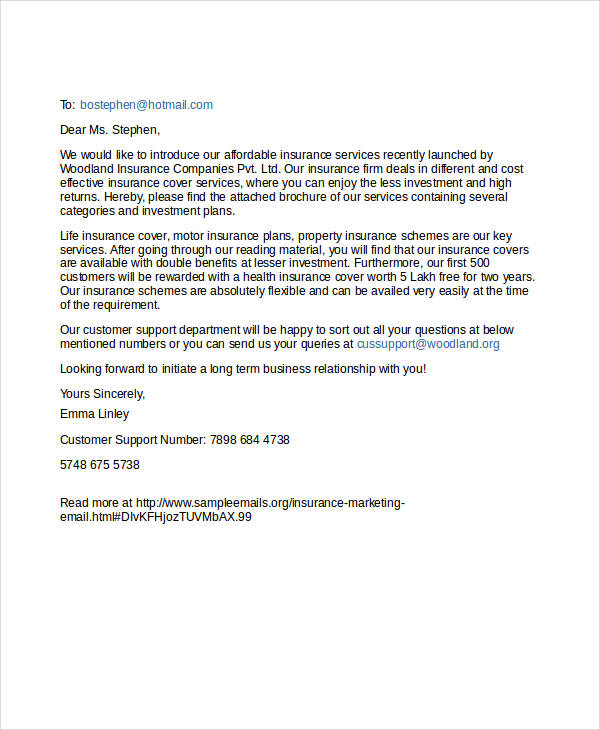
Credit: www.examples.com
Avoiding Common Pitfalls
Crafting marketing emails requires avoiding common pitfalls. Start with a clear subject line. Keep the message concise and focused. Use simple language. Avoid jargon. Personalize the content to engage the reader. Always include a call to action.
Crafting a successful marketing email is both an art and a science. While it’s crucial to capture the reader’s attention, it’s equally important to avoid common pitfalls that can hinder your email’s effectiveness. These pitfalls can turn a well-intentioned email into a missed opportunity or, worse, a trip to the spam folder.Steering Clear Of Spam Triggers
Getting your email flagged as spam is a marketer’s nightmare. To avoid this, keep your subject lines clear and honest. Words like “free” or “guarantee” can raise red flags.Another tip is to personalize the email. Use the recipient’s name and tailor the content to their interests. This not only builds rapport but also signals that your email is genuine.Also, ensure your email passes the technical checks. This means having a valid sender address and a clear unsubscribe option. These small details can make a big difference.Balancing Promotional Content
Striking the right balance between promotional content and valuable information is key. If your email is too salesy, you risk losing the reader’s trust. On the other hand, too little promotion might not convey your message effectively.Think about what your reader wants to know. If you’re promoting a product, include useful insights or tips on how it can solve a problem.A good rule of thumb is the 80/20 rule: 80% helpful content, 20% promotional. This keeps your audience engaged and interested in what you have to offer.Have you ever unsubscribed from a newsletter because it felt too pushy? Learning from your experiences can guide you in creating emails that your readers will appreciate.Remember, crafting the perfect marketing email is a journey, not a destination. By avoiding common pitfalls, you can create emails that not only reach your audience but also resonate with them.Frequently Asked Questions
How To Write A Good Marketing Email?
Craft a compelling subject line to grab attention. Use clear, concise language and personalize content. Highlight benefits and include a strong call to action. Format for easy reading with bullet points or short paragraphs. Proofread before sending to ensure professionalism and accuracy.
How To Email Marketing Examples?
Email marketing examples include newsletters, promotional offers, and product announcements. Focus on engaging content and clear call-to-action. Use personalized subject lines to increase open rates. Test different designs and messages for effectiveness. Analyze performance metrics to optimize future campaigns.
What Are The 5 T’s Of Email Marketing?
The 5 T’s of email marketing are Targeting, Timing, Testing, Tracking, and Tactics. Effective targeting reaches the right audience. Timing ensures emails are sent at optimal moments. Testing refines strategies. Tracking monitors performance metrics. Tactics involve strategic planning to engage subscribers and boost conversions.
Conclusion
Crafting marketing emails requires clear and engaging content. Focus on your audience’s needs. Write compelling subject lines. Keep messages short and valuable. Personalize where possible. Testing different approaches helps. Analyze results to improve strategies. Use simple language for better understanding.
Always respect your audience’s time. Build trust through genuine communication. Effective emails can boost engagement. Stay consistent in your efforts. With practice, your skills will grow. Remember, each email is an opportunity. Connect with your readers sincerely. Aim for a lasting impression.
Keep learning and refining your approach. Success comes with patience and effort.


