
Imagine this: you’ve just started a new company, and it’s time to share your innovative vision with the world. But how do you craft that perfect marketing email to introduce your company effectively?
Writing a marketing email might seem daunting, but it can be incredibly rewarding when done right. You want to grab attention, spark interest, and most importantly, connect with your audience on a personal level. In this guide, we’re diving into the art and science of writing a marketing email that not only presents your company but also resonates with your readers.
You’ll discover how to blend storytelling with strategic messaging, ensuring your email isn’t just another piece of digital noise. By tapping into neuromarketing insights, you’ll learn to write compelling content that sticks in your reader’s mind and encourages action. Get ready to transform your company’s introduction into an unforgettable experience that leaves your audience eager to learn more.
Crafting The Perfect Subject Line
Crafting the perfect subject line is key in email marketing. It introduces your company and grabs attention quickly. Keep it clear and engaging to boost open rates.
Crafting the Perfect Subject LineYour email’s subject line is the first impression you make. It determines whether someone opens your email or lets it sit in their inbox. A compelling subject line can be the difference between a successful marketing campaign and a missed opportunity.A few years ago, I sent an email with the subject line “Discover Our New Product!” It was straightforward but lacked excitement. The open rate was dismal. Later, I tried “Unlock Exclusive Access to Our Latest Innovation!”—the open rate soared. It taught me that subject lines need intrigue and exclusivity.Understand Your Audience
Knowing your audience is key. What do they care about? What problems can you solve for them? When you tailor your subject line to their needs, it catches their attention. Think about what would make you open the email if you were in their shoes.Keep It Short And Sweet
Subject lines should be concise. Aim for 50 characters or less. This ensures your message is fully visible, especially on mobile devices. People are busy; they appreciate brevity. A short subject line respects their time and piques their interest quickly.Use Action-oriented Language
Encourage action with your words. Use verbs that suggest movement or change. Words like “discover,” “learn,” or “join” prompt readers to take the next step. A subject line that inspires action is more likely to lead to a click.Test And Analyze
Testing is crucial. Try out different subject lines and analyze which ones perform best. Tools like A/B testing can help you see what resonates with your audience. Learning from your results allows you to refine your approach and boost engagement.Crafting the perfect subject line is an art and a science. It requires understanding your audience, being concise, using active language, and testing your strategies. What will you try next to captivate your readers?
Credit: www.pipedrive.com
Personalizing The Greeting
Personalizing the greeting in a marketing email can boost engagement. It creates a connection with the reader. This small touch can make your email stand out. People appreciate when you address them directly. It shows you value them. Let’s explore how to personalize your email greetings effectively.
Understanding Your Audience
Know who you’re writing to. Understand their needs and interests. Use data to gather insights. This helps craft a message that resonates. Personalization starts with knowing your audience well.
Using Their Name
Address the recipient by their name. It’s a simple yet effective approach. It grabs attention and feels more personal. Ensure the name is spelled correctly. A small error can hurt your credibility.
Incorporating Relevant Details
Add specific details about your recipient. Mention their company or recent achievements. This shows you have done your homework. It makes the email feel tailored just for them.
Choosing The Right Tone
Select a tone that matches your audience. Be formal or casual based on who they are. The tone sets the mood for your message. It can influence how they perceive your company.
Testing And Iterating
Test different greetings to see what works best. Analyze the response rates. Make changes based on feedback. Continuous improvement is key to effective personalization.
Highlighting Unique Value Proposition
Crafting a marketing email to introduce your company involves emphasizing your unique value proposition. Focus on what sets your company apart. Highlight benefits and solutions you provide. Use clear and simple language to connect with your audience, ensuring your message is easy to understand and engaging.
In the bustling world of digital communication, email marketing stands as a vital tool for introducing your company to potential clients. One key element that can set your email apart is a well-defined Unique Value Proposition (UVP). This is your chance to tell readers why they should choose you over competitors. Your UVP should be concise, compelling, and crystal clear.###Understanding The Core Of Your Uvp
Before you can highlight your UVP, you need to know exactly what it is. What makes your company special? Think about the benefits your product or service offers that no one else does. It could be exceptional customer service, innovative technology, or unbeatable prices.###Crafting A Clear And Compelling Message
Once you’ve identified your UVP, the next step is to craft it into a clear and compelling message. This message should be easy to understand and immediately grab the reader’s attention. Consider this: if you had just a few seconds to pitch your company, what would you say?###Utilizing Customer Testimonials
Have you ever noticed how a good testimonial can make you trust a brand more? Including customer testimonials in your email can reinforce your UVP. Real-life stories or quotes from satisfied customers can serve as powerful proof of your company’s value.###Engaging With Visuals
Visuals can make your email more engaging and help emphasize your UVP. Consider using images, infographics, or even short videos to illustrate your point. A well-chosen image can convey a message more effectively than words alone.###After you’ve highlighted your UVP, guide your readers toward the next step. A strong call to action (CTA) is essential. This could be inviting them to visit your website, sign up for a free trial, or contact you for more information. Make sure your CTA is clear and aligned with your UVP.###Personalizing Your Approach
Personalization can make your email more effective. Use the recipient’s name and tailor the content to their needs and interests. When readers feel that the email speaks directly to them, they’re more likely to engage with your message.—By focusing on these elements, you’ll be better equipped to craft a marketing email that not only introduces your company but also highlights why it’s the best choice. What unique value will you share with your audience today?Engaging The Reader With Storytelling
Crafting an engaging marketing email involves telling a compelling story about your company’s journey. Share a relatable narrative that highlights your values and mission. Capture the reader’s attention with vivid descriptions and genuine experiences, making your company memorable.
When you set out to write a marketing email introducing your company, storytelling can be your most powerful tool. It’s not just about listing facts or showcasing achievements. It’s about capturing the reader’s imagination and creating a genuine connection. People relate to stories; they resonate emotionally and stay in the memory longer than mere data. So, how do you weave storytelling into your marketing email effectively?###Crafting A Narrative
Every company has a story—how it started, the challenges it overcame, the vision driving it forward. Think about the journey your company has taken. Share a pivotal moment or an inspiring challenge that shaped your business.Imagine receiving an email from a company that started in a garage and grew into a global brand. Instantly, you’re intrigued by their journey.###Personalizing The Experience
Address your reader directly. Use their name if possible. People appreciate feeling recognized and valued.Consider how you feel when you receive a personalized email versus a generic one. It’s the difference between feeling like a valued individual or just another name on a list.###Creating Emotional Connections
Emotions drive decisions. How does your company impact lives? What values do you stand for?Share a story about a customer whose life changed because of your product or service. This not only showcases your company’s impact but also builds trust and empathy.###Using Relatable Details
Avoid jargon and complex language. Keep your narrative simple and relatable.Think of a time you got lost in a lengthy, complicated email—did you finish reading it? Instead, use clear language and relatable details that anyone can understand and connect with.###Provoking Curiosity
Ask questions that make your readers think. What problem does your company solve? How can you make their lives easier or better?By posing questions, you invite the reader to engage with the content. They start to consider their own needs and how your company might meet them.###Encouraging Action
Close with a clear call to action. Whether it’s visiting your website, signing up for a webinar, or simply replying to the email.Ensure the next step is easy and inviting. Would you prefer a complicated process or a simple click to learn more?###Building Trust
Authenticity is key. Share real stories, not exaggerated claims.Reflect on a time when you felt deceived by exaggerated marketing. It’s not a feeling you want your readers to have. Genuine stories build trust and long-lasting relationships.By embracing storytelling in your marketing emails, you not only introduce your company but also open a dialogue that invites the reader to be part of your journey.Using Clear And Concise Language
In email marketing, clear and concise language is essential. It ensures your message is easily understood. Non-native English speakers benefit greatly from this approach. Simple words and short sentences make reading effortless. They keep your audience engaged and informed.
Using Simple Words
Choose words that are easy to understand. Avoid jargon and technical terms. Use language that anyone can grasp. This builds trust with your audience. They appreciate messages that speak directly to them.
Keeping Sentences Short
Short sentences help convey your message quickly. They reduce confusion and enhance clarity. Aim for sentences that are 12 words or less. This makes the email easier to digest. Your readers will thank you.
Being Direct
Directness is crucial in marketing emails. Get to the point without unnecessary fluff. State your purpose early. This respects your reader’s time and attention. They are more likely to engage with a clear message.
Using Active Voice
Active voice makes your writing stronger. It creates clear and engaging sentences. For example, say “Our company offers great services.” instead of “Great services are offered by our company.” Active voice keeps your message dynamic and lively.
Avoiding Redundancy
Redundancy can confuse your readers. Ensure every word adds value to your message. This keeps your email focused and professional. Your audience will stay interested in your content.
Incorporating Visual Elements
Add visual elements like images or infographics to your marketing email. They grab attention quickly and make content more engaging. Visuals help explain your company’s story, making it memorable for readers.
Incorporating visual elements into your marketing emails can transform how recipients perceive your message. Visuals grab attention and help convey complex ideas quickly and effectively. They can also make your emails more memorable and engaging.Why Visual Elements Matter
Visuals can simplify your message. A well-designed image or infographic can explain your company’s value proposition faster than a block of text.Think about the last email you opened. Did a striking image catch your eye? Visuals can make your emails stand out in crowded inboxes.Choosing The Right Images
Select images that represent your brand. They should resonate with your audience and reinforce your message. If you’re introducing a tech company, use sleek, modern visuals.Avoid stock photos that feel generic. Authentic images of your team or product can create a connection with your readers.Integrating Graphics And Infographics
Graphics can break down data into digestible pieces. Use infographics to highlight key statistics or achievements. This not only informs but also captivates your audience.Remember, less is more. Overloading your email with too many graphics can overwhelm and distract.Creating Visual Consistency
Maintain a consistent style. Your color scheme, fonts, and image style should align with your brand identity. This consistency builds trust and recognition.Imagine each email as a page in your company’s story. Consistent visuals ensure your story is cohesive and professional.Using Video Effectively
Videos can tell your story dynamically. A short, engaging video introduction can show your company’s personality and values.Ensure videos are mobile-friendly. Many people check emails on their phones, so your videos should load quickly and clearly.Optimizing Visuals For Email
Keep file sizes small. Large files can slow down load times, discouraging your audience from viewing your content.Test how your visuals appear on different devices. What looks good on a desktop might not translate well to a smartphone.Encouraging Interaction With Visuals
Invite readers to engage. Use clickable images or call-to-action buttons to guide them further down your marketing funnel.Have you ever clicked on a visually appealing button in an email? These elements can significantly boost your click-through rates.By thoughtfully adding visuals, you can create marketing emails that not only introduce your company but also captivate and convert your audience. What visual elements will you experiment with in your next email?Creating A Strong Call To Action
Creating a strong call to action (CTA) is crucial for effective marketing emails. It’s the bridge between your message and your audience’s response. A well-crafted CTA can turn curiosity into action. Let’s explore how to create a compelling CTA that encourages engagement.
Understanding Your Audience’s Needs
Know what your audience seeks before crafting your CTA. Address their needs with clarity. This makes your CTA more relevant and impactful. Understanding their preferences helps tailor your message effectively.
Use Action-oriented Language
Use verbs that inspire action in your CTA. Words like “Discover”, “Join”, or “Learn” guide readers. They prompt immediate response. Action words create urgency and drive engagement.
Keep It Simple And Direct
Avoid complex language in your CTA. Simple words are more effective. Direct CTAs are easy to understand. They leave no room for confusion. Clarity boosts response rates.
Create A Sense Of Urgency
Encourage quick action with urgency. Use phrases like “Limited Offer” or “Ends Soon”. Urgency compels readers to act swiftly. It adds value to your offer.
Highlight The Benefit
Showcase what the reader gains by acting. Highlight benefits clearly. This motivates your audience to click. Benefits make your offer attractive.
Test And Refine Your Cta
Testing helps find the best CTA. Try different versions. See which one performs better. Refine based on feedback. Continuous improvement leads to better results.
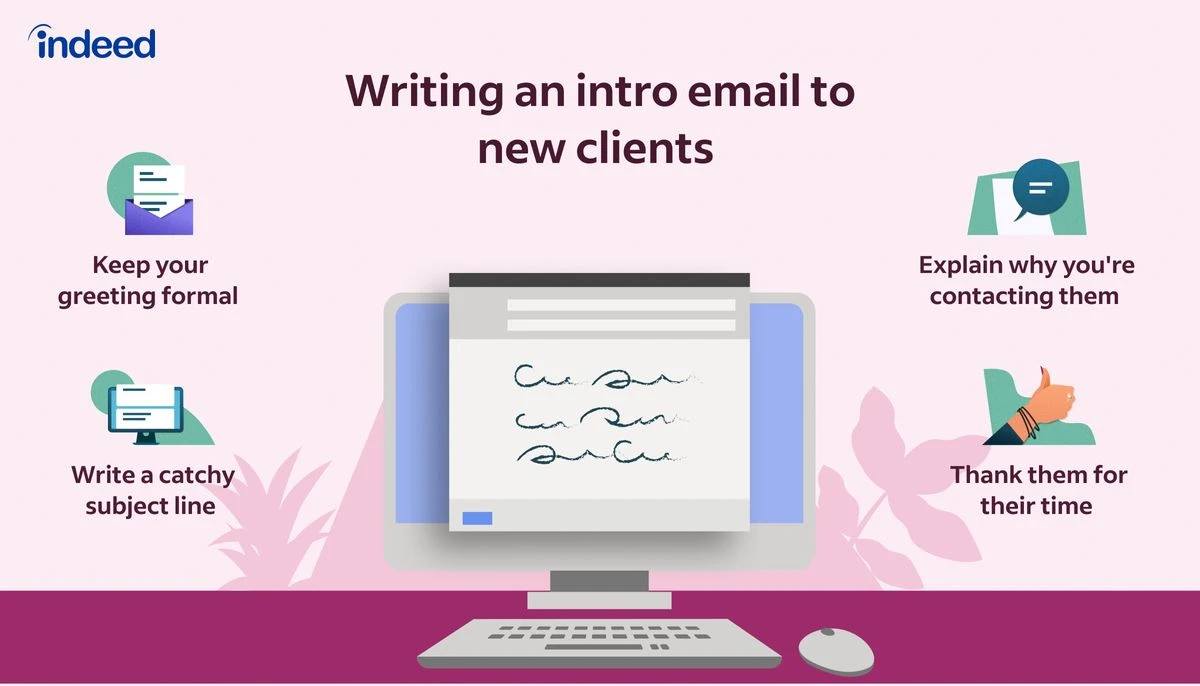
Credit: www.indeed.com
Adding Contact Information
Including contact details helps recipients reach you easily. It builds trust and fosters communication. Make sure to add phone numbers and email addresses clearly.
Adding contact information in your marketing email is like opening a door for conversation. It gives your audience a way to reach out, ask questions, and express interest. Without it, your email might feel like a dead end.Think about the last time you wanted to reach out to a company but couldn’t find their contact info. Frustrating, right? You don’t want your potential customers feeling the same way. Making it easy for them to contact you can significantly boost engagement and trust.Ensure Visibility
Your contact information should be easy to spot. Place it at the bottom of your email, where most readers naturally look for it. Ensure it stands out with a larger font or a distinct color.A simple yet effective way is to use a bold call-to-action phrase like “Contact Us Today!” followed by your details. Also, consider adding a clickable phone number or email address. Your goal is to make reaching out as effortless as possible.Provide Multiple Contact Options
People have preferences. Some prefer calling, while others might like emailing or chatting. Include multiple contact methods to cater to these preferences.List your phone number, email address, and even your social media handles. If your company has a physical location, add your address as well. This versatility shows you are accessible and willing to communicate in ways that suit your audience.Keep It Professional
Always maintain a professional tone in your contact information. Use your official company email instead of a personal one. It adds credibility and reassures recipients that they are contacting the right person.The same applies to phone numbers. Use a business line if possible. This creates a sense of professionalism and ensures important calls are not missed.Include A Personalized Touch
Personalization can make a significant difference. If possible, include the name of a specific contact person. This approach makes your company appear more approachable and human.Instead of a generic email like info@yourcompany.com, try something like john.doe@yourcompany.com. It gives your audience a real person to connect with, enhancing the personal touch.Test Your Links
Imagine a potential client clicking your email link, only to find it doesn’t work. Always test your contact links before sending your email. Ensure email links open a new message in the default email client, and phone numbers work when clicked on a mobile device.Taking these small steps can prevent missed opportunities and ensure a seamless experience for your recipients.Adding contact information is more than just a formality; it’s about building bridges. Are you ready to make it easy for your audience to connect with you?Testing And Optimizing Email Performance
Testing and optimizing your email performance is like tuning a musical instrument. You want your marketing email to hit the right notes with your audience. But how do you know if your email is a rockstar or a one-hit wonder? Through systematic testing and clever optimization.
Testing Email Elements
Think of your email as a recipe. Each element plays its part in the final taste. Test different subject lines to see which ones get more opens. Experiment with the length of your email. A concise message might engage your audience better than a lengthy novel.
Swap out images and colors. You might be surprised at how these visual tweaks impact engagement. It’s like trying different spices until you find the perfect flavor.
Analyzing The Data
Numbers never lie. Once you’ve sent out your test emails, dive into the data. Look at open rates, click-through rates, and conversion rates. These metrics are your road map. They tell you what’s working and what needs a little tweak.
Do you notice a pattern? Maybe emails sent on Tuesdays perform better than those sent on Fridays. Use these insights to refine your strategy.
A/b Testing
A/B testing is your secret weapon. Create two versions of the same email with one difference. It could be a subject line, image, or call-to-action button. Send them to different segments of your audience.
Which version performs better? This method gives you clear evidence on what resonates with your recipients.
Optimizing For Mobile
Imagine receiving an email that’s impossible to read on your phone. Frustrating, right? Ensure your email looks great on all devices. Most people check their emails on mobile nowadays. Optimize the layout, font size, and images for mobile viewing.
If your email isn’t mobile-friendly, you’re missing out on a huge audience.
Personalizing Content
Think about how you feel when you receive a personalized email. It’s like the sender knows you. Use personalization to connect with your audience. Address them by name, and tailor content to their preferences.
Do personalized emails get more responses? Test it and see.
Feedback Loop
Don’t be afraid to ask for feedback. Include a simple survey link in your email. What did your audience like? What didn’t they care for? Use this feedback to adjust your approach.
Wouldn’t it be great to know exactly what your audience wants? Don’t guess, ask.
Continuous Improvement
Testing and optimizing is not a one-time event. It’s an ongoing process. Keep evolving your strategy. Stay curious and be willing to adapt based on what you learn.
Your audience’s preferences might change over time. Are you ready to change with them?

Credit: www.pipedrive.com
Frequently Asked Questions
How To Write An Email To Introduce Your Company?
Begin with a warm greeting and introduce your company briefly. Highlight key services or products. Mention unique selling points and benefits. Include a call-to-action for further discussion. Conclude with your contact information and express enthusiasm for future collaboration.
How Do You Professionally Introduce A Company?
Introduce the company by stating its name, industry, and core services. Highlight unique selling points and achievements. Share the mission, vision, and core values. Mention notable clients or partnerships. Conclude with a call to action or contact information. Keep the tone professional and engaging.
How Do You Introduce Professionally In An Email?
Begin with a polite greeting, state your full name, and mention your job title. Briefly explain your purpose. Include relevant details and maintain a professional tone throughout the email. Conclude with a courteous closing. Keep it concise and clear for effective communication.
Conclusion
Crafting a marketing email introduces your company effectively. Keep it clear and concise. Highlight key benefits and unique offerings. Use simple language that your audience understands easily. Engage readers with a friendly tone. Encourage questions or feedback to build relationships.
Keep testing and refining your emails. This helps improve results over time. Remember, every word counts in making a strong impression. So, be thoughtful and strategic with your message. A well-written email can open doors to lasting connections.


