

Are you struggling to get your product noticed through email? Writing an email that grabs attention and drives action isn’t as hard as it seems.
With the right approach, you can connect with your audience, spark their interest, and boost your sales. You’ll discover simple, proven steps to craft powerful marketing emails that speak directly to your customers’ needs. Keep reading, and you’ll learn how to turn your emails into your most effective marketing tool.
Crafting A Catchy Subject Line
The subject line is the first thing people see in their inbox. It decides if they open your email or skip it. Crafting a catchy subject line grabs attention fast. It sets the tone and builds interest. Keep it simple and clear to make a strong impact.
Keep It Short And Clear
Short subject lines fit better on mobile screens. They are easier to read quickly. Use simple words that explain the email’s main idea. Avoid complex phrases or long sentences. Clear subject lines help readers know what to expect.
Use Action Words
Action words inspire readers to take steps. Use verbs like “discover,” “save,” or “try.” They make your email feel lively and urgent. Action words create excitement and push readers to open the email. Choose words that match your product and message.
Create Urgency And Curiosity
Urgency makes readers act fast. Phrases like “limited time” or “ending soon” work well. Curiosity sparks interest without giving everything away. Use questions or teasers to make readers want more. Balancing urgency and curiosity boosts open rates effectively.

Credit: expresswriters.com
Personalizing Your Email
Personalizing your email makes your message feel special. It helps connect with your audience better. Personal emails get more attention and clicks. They show you care about the reader’s needs. This section explains simple ways to make your emails personal.
Segment Your Audience
Divide your email list into groups by age, location, or buying habits. This allows you to send relevant offers to each group. Emails tailored for groups get better results. Segmentation stops sending the same message to everyone. It keeps readers interested and engaged.
Use Recipient’s Name
Start your email with the person’s name. This simple step grabs attention right away. Names make emails feel friendlier and less like spam. Use the name in the greeting or subject line. Personal touches like this build trust quickly.
Tailor Content To Interests
Match your email content to what the reader likes. Show products or offers related to their past actions. This makes your email useful and timely. Avoid generic messages that do not fit their needs. Custom content encourages readers to act faster.
Writing Engaging Email Content
Writing engaging email content is key to capturing readers’ attention. A well-crafted email keeps readers interested and encourages action. Clear and simple language helps your message stand out. Focus on what matters most to your audience. Make every word count to boost your email’s impact.
Start With A Strong Opening
Begin your email with a catchy sentence. Grab attention right away. Use a question, a bold statement, or a problem your product solves. Keep it short and clear. This invites readers to keep reading. Avoid complex words or long phrases. Make the opening relevant to the reader’s needs.
Highlight Product Benefits
Tell readers how your product helps them. Focus on benefits, not just features. Explain what changes or improvements your product brings. Use simple words and short sentences. Show how the product makes life easier or better. Keep the message clear and direct. This builds interest and desire to buy.
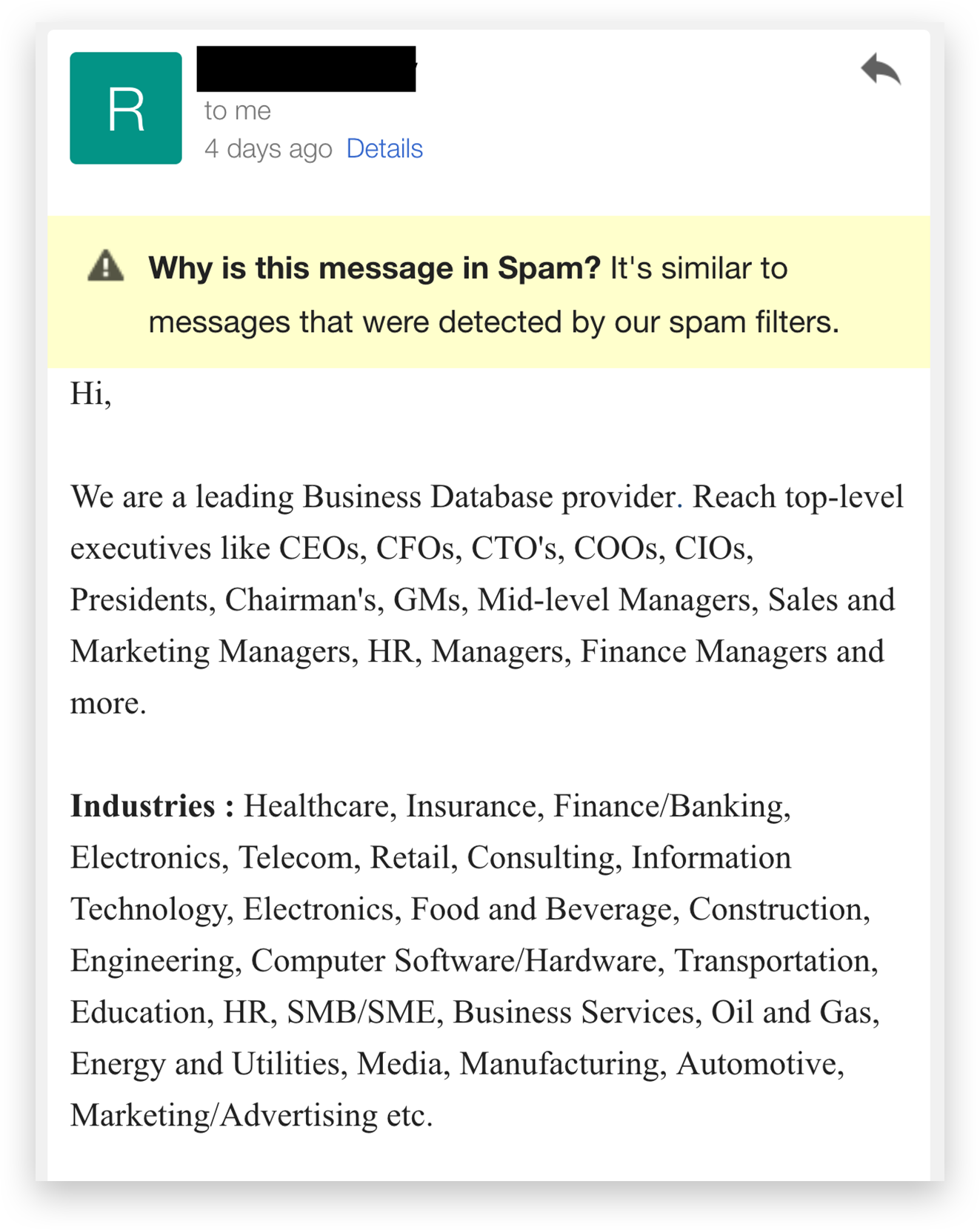
Include Social Proof
People trust others’ experiences. Add customer reviews or testimonials. Use real stories and simple quotes. Show how your product solved problems for others. This builds trust and reduces doubts. Keep social proof short and easy to read. It adds credibility and encourages readers to act.
Credit: www.litmus.com
Designing For Readability
Designing for readability is key to making marketing emails effective. Clear, easy-to-read emails keep readers interested and improve message delivery. Simple designs help readers focus on the product and call to action. Avoid clutter and complex layouts. Organize content so readers can scan quickly. Good readability boosts email success.
Use Clear Formatting
Choose a clean font that is easy to read on all devices. Use font sizes between 14 and 16 pixels for body text. Break text into short paragraphs with space between them. Use bold or italics to highlight important words, but do not overuse. Bullet points make lists easy to scan. Avoid long sentences and complex words. Clear formatting guides the reader smoothly through the message.
Add Eye-catching Images
Images draw attention and support your message. Use high-quality pictures related to the product. Place images near the text they describe for better context. Avoid large image files that slow down loading. Use alt text for images to improve accessibility and SEO. Keep images balanced with text, so the email does not look crowded. Good visuals make emails more engaging and memorable.
Incorporate Mobile-friendly Layouts
Most people read emails on phones. Design emails that fit small screens easily. Use single-column layouts for better viewing on mobile. Make buttons large enough to tap with a finger. Avoid tiny fonts and small links. Test emails on different devices before sending. Mobile-friendly designs ensure your message reaches everyone clearly.
Adding A Compelling Call To Action
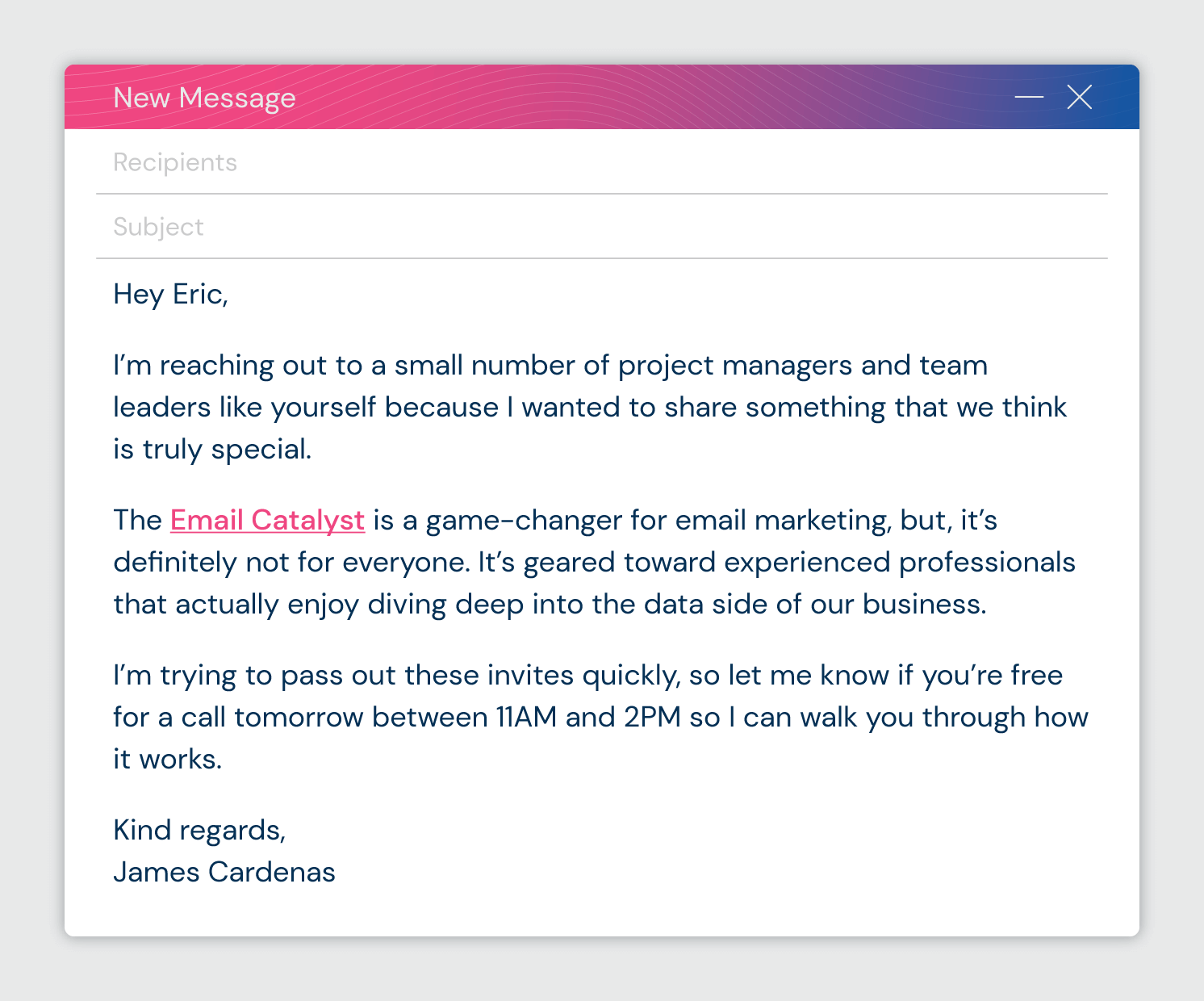
A call to action (CTA) is the key to guide readers toward your goal. It tells them what to do next. A compelling CTA can increase clicks and sales. It makes your email effective and clear. Focus on making the CTA easy to see and understand.
Use Clear And Direct Language
Use simple words that tell readers exactly what to do. Phrases like “Buy Now,” “Get Your Discount,” or “Sign Up Today” work well. Avoid vague terms that confuse readers. Speak directly to the reader’s needs and interests.
Make Buttons Stand Out
Design your CTA button to catch the eye. Use a color that contrasts with your email background. Make the button large enough to click easily on any device. Add space around the button so it does not blend with other text.
Limit To One Primary Cta
One clear CTA keeps readers focused. Too many options can cause confusion. Choose the most important action you want readers to take. Place it prominently in your email for quick access.
Credit: mailshake.com
Timing And Frequency Of Emails
Timing and frequency play a big role in email marketing success. Sending emails at the right time helps your message reach more people. Email frequency keeps your audience engaged without annoying them. Balance is key to build trust and interest.
Best Days And Times To Send
Choose days when people check their inbox often. Tuesday, Wednesday, and Thursday usually work well. Send emails in the morning or early afternoon. Around 10 AM or 1 PM often gets good attention. Test different times to find what fits your audience best.
Avoid Overloading Subscribers
Sending too many emails can annoy your subscribers. Limit your emails to one or two per week. Give readers time to absorb your message. Too many emails may cause unsubscribes or ignore your messages. Quality matters more than quantity in email marketing.
Use Automated Follow-ups
Automated follow-up emails keep your audience interested. Send a quick reminder if they don’t open the first email. Follow-ups can answer questions or offer more details. Automation saves time and keeps your marketing consistent. Use it wisely to support your main message.
Measuring Email Campaign Success
Measuring email campaign success is key to improving your marketing efforts. It helps you understand what works and what doesn’t. Tracking the right data points allows you to make smarter decisions. This section explains how to measure your email campaigns effectively.
Track Open And Click Rates
Open rate shows how many people opened your email. It reflects the strength of your subject line and sender name. Click rate measures how many clicked links inside your email. It reveals interest in your content and offer. Track these rates to see if your email attracts attention.
Analyze Conversion Metrics
Conversion metrics show the number of people who completed a desired action. This might be buying a product or signing up for a service. Measure conversions to see if your email leads to sales or goals. Use tools like Google Analytics to track user actions after clicks.
Test And Optimize Content
Testing helps find the best email elements. Try different subject lines, images, or call-to-actions. Compare results to see what performs better. Optimize your emails based on data to improve open and click rates. Keep testing to refine your marketing messages over time.
Frequently Asked Questions
How Do I Start A Marketing Email Effectively?
Begin with a strong, personalized subject line to capture attention. Use a friendly greeting and introduce your product quickly. Highlight the main benefit early to engage readers and encourage them to continue reading.
What Key Elements Should A Product Marketing Email Include?
Include a clear headline, concise product description, benefits, and a strong call-to-action. Use visuals or links to product pages. Personalize content and keep the tone engaging to boost reader interest and conversions.
How Long Should A Product Marketing Email Be?
Keep marketing emails brief, ideally between 50 to 150 words. Short emails hold attention better and increase the chances of readers acting on your call-to-action.
How Can I Make My Marketing Email Stand Out?
Use personalized content, eye-catching subject lines, and clear value propositions. Incorporate visuals and a strong call-to-action. Testing different formats can also improve engagement and open rates.
Conclusion
Writing a clear email helps you share your product well. Keep your message simple and focused. Use a friendly tone to connect with readers. Highlight benefits that matter to them. Always include a clear call to action. Testing your emails can improve results over time.
Practice makes your marketing emails better. Start writing today and see the difference.


