Picture this: your email lands in someone’s inbox, and instead of being ignored or deleted, it grabs attention and sparks interest. Sounds great, right?
Crafting effective email marketing messages can feel like a daunting task, but with the right techniques, you can turn your emails into engaging conversations that your audience looks forward to. Whether you’re promoting a new product, sharing a special offer, or nurturing relationships with your subscribers, the way you write your messages can make all the difference.
You’ll discover practical tips and strategies to write compelling emails that not only get opened but also inspire action. Get ready to transform your email marketing game and connect with your audience like never before!
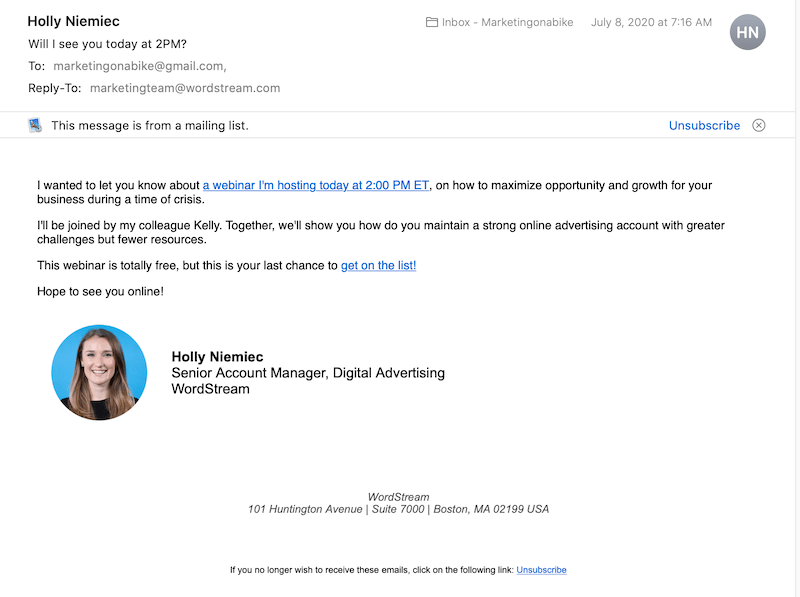
Credit: www.wordstream.com
Crafting Compelling Subject Lines
Crafting compelling subject lines is crucial for successful email marketing. Engage readers with clear, concise messages that spark curiosity. A well-crafted subject line encourages recipients to open and read the email.
Crafting compelling subject lines is an art and a science. It’s the gateway to your email’s success. Your subject line is often the first and only chance to grab your reader’s attention. How do you make sure it stands out in a crowded inbox?Importance Of First Impressions
First impressions are crucial. Think of your subject line as a handshake at a networking event. If it’s weak or uninspiring, people might just walk away.A strong subject line sets the tone for the entire email. It invites curiosity and prompts action. What impression do you want to make?Using Power Words
Power words are your secret weapon. They evoke emotions and spark interest. Words like “exclusive,” “urgent,” or “discover” can motivate readers to click.Experiment with different power words. Notice which ones resonate with your audience. How can you use them to highlight the value of your email?Personalization Techniques
Personalization makes readers feel valued. Using a recipient’s name can create a sense of connection. Wouldn’t you open an email that feels like it was written just for you?Tailor your subject lines to reflect your audience’s interests. Segment your email list to send relevant content. How can you ensure your message speaks directly to each reader?Crafting subject lines is an ongoing process. Test different approaches and learn from the results. What works for one campaign might not work for another. So, what’s your next subject line going to be?
Credit: www.siteground.com
Understanding Your Audience
Crafting effective email marketing messages starts with knowing your audience. Understand their needs and preferences to create engaging content. Personalize your approach to resonate with them, leading to higher engagement and conversion rates.
Understanding your audience is key in email marketing. Knowing who they are helps craft messages that resonate. It’s not just about gathering data. It’s about making connections. Each email should speak directly to the reader. This involves understanding their needs and preferences. Let’s dive deeper into how to achieve this effectively.Segmenting Your Audience
Start by dividing your audience into segments. Use demographics, interests, and behaviors. This helps target messages to specific groups. Each group has unique characteristics. Tailor your messages accordingly. Segmentation increases relevance. Relevant emails get more engagement. More engagement leads to better results.Creating Buyer Personas
Develop buyer personas for deeper insights. These are fictional characters. They represent different customer types. Include details like age, job, and interests. Understand their challenges and goals. Personas guide your messaging strategy. They help in creating targeted content. Targeted content captures attention better.Tailoring Messages To Audience Needs
Tailor your emails to meet audience needs. Use insights from segments and personas. Address their pain points directly. Offer solutions or benefits they seek. Keep messages clear and simple. Use language they understand. Personalization boosts connection. Connected audiences are more likely to respond.Structuring Your Email Content
Crafting effective email messages involves clear, concise content. Start with a strong subject line to grab attention. Use simple language and a friendly tone to engage your audience. Organize information logically, emphasizing key points. End with a call to action, guiding readers on the next steps.
Structuring your email content is vital for successful email marketing. A well-structured email grabs attention and keeps readers engaged. It guides them through your message effortlessly. This approach ensures clarity and boosts response rates.Effective Opening Lines
The first line sets the tone for your email. Use a friendly greeting or ask a question. Spark curiosity to draw readers in. Make it relevant to their interests or pain points. This connection encourages them to read further.Clear Call To Action
Every email needs a purpose. What action do you want the reader to take? Use simple language to guide them. Use clear and direct words like “buy now” or “learn more.” Place the call to action in a visible spot. Reiterate it at the end for emphasis.Balancing Text And Visuals
Too much text can overwhelm readers. Break it up with visuals. Images, graphics, and bullet points make content digestible. Ensure visuals align with your message. They should enhance understanding, not distract. Aim for a clean and appealing layout.Writing Persuasive Copy
Crafting effective email marketing messages involves clear, concise language. Focus on engaging subject lines and compelling calls to action. Personalize content to connect with your audience and boost response rates.
Writing persuasive copy in email marketing is about capturing attention and compelling action. You want your message to resonate with your audience and drive engagement. Think of your emails as conversations rather than sales pitches. When you write, consider what would make you respond positively. It’s about connecting with your reader’s needs and desires.Utilizing Storytelling
Storytelling in email marketing is a powerful tool. It makes your message memorable. Share a personal experience or a customer story that highlights your product’s benefits. Stories create emotional connections. They make your reader feel understood. Picture this: you receive an email about how a simple tool helped someone save hours of work. Wouldn’t you be intrigued?Creating Urgency
Urgency prompts immediate action. Don’t let your emails be the ones that get saved for later. Use time-sensitive language to create a sense of urgency. Offer limited-time discounts or emphasize the scarcity of your product. Imagine receiving an email saying, “Only 24 hours left to grab 50% off!” How likely are you to delay your decision?Using Testimonials And Social Proof
Testimonials and social proof build trust. They show your reader that others have benefited from your product or service. Include quotes from satisfied customers or share impressive statistics. When someone sees a testimonial from someone they relate to, it strengthens your credibility. Consider this: would you trust a product more if you saw numerous positive reviews from people like you?Enhancing Engagement With Personalization
Crafting engaging email messages involves understanding your audience. Personalized content boosts reader interest and fosters connection. Use simple language to make your message clear and relatable, ensuring every recipient feels valued.
Enhancing engagement with personalization in email marketing boosts interaction and builds relationships. Personalization makes recipients feel valued and understood. It goes beyond using names. It involves tailoring content to match individual preferences and behaviors. This approach can significantly increase open and click-through rates. Let’s explore how to personalize effectively.Dynamic Content
Dynamic content lets you tailor emails for different segments. Each recipient sees content relevant to them. Use information like location, purchase history, and interests. Show them products or services they care about. This keeps your message fresh and engaging. It also increases the chances of conversion. Dynamic content makes emails feel unique and personal.Using Recipient’s Name
Using a recipient’s name in the email can create a connection. It grabs attention. People are more likely to read emails addressed to them. Start with the subject line. Continue in the greeting. But don’t overuse their name. Balance is key. A name in the right places makes the message feel personalized. It shows you care about who they are.Behavior-based Triggers
Behavior-based triggers send emails based on user actions. Did they abandon a cart? Send a reminder. Did they download a guide? Follow up with related content. This approach shows you pay attention to their actions. It helps you send timely and relevant messages. These triggers can guide customers through the buying journey. They increase engagement by responding to real-time behaviors.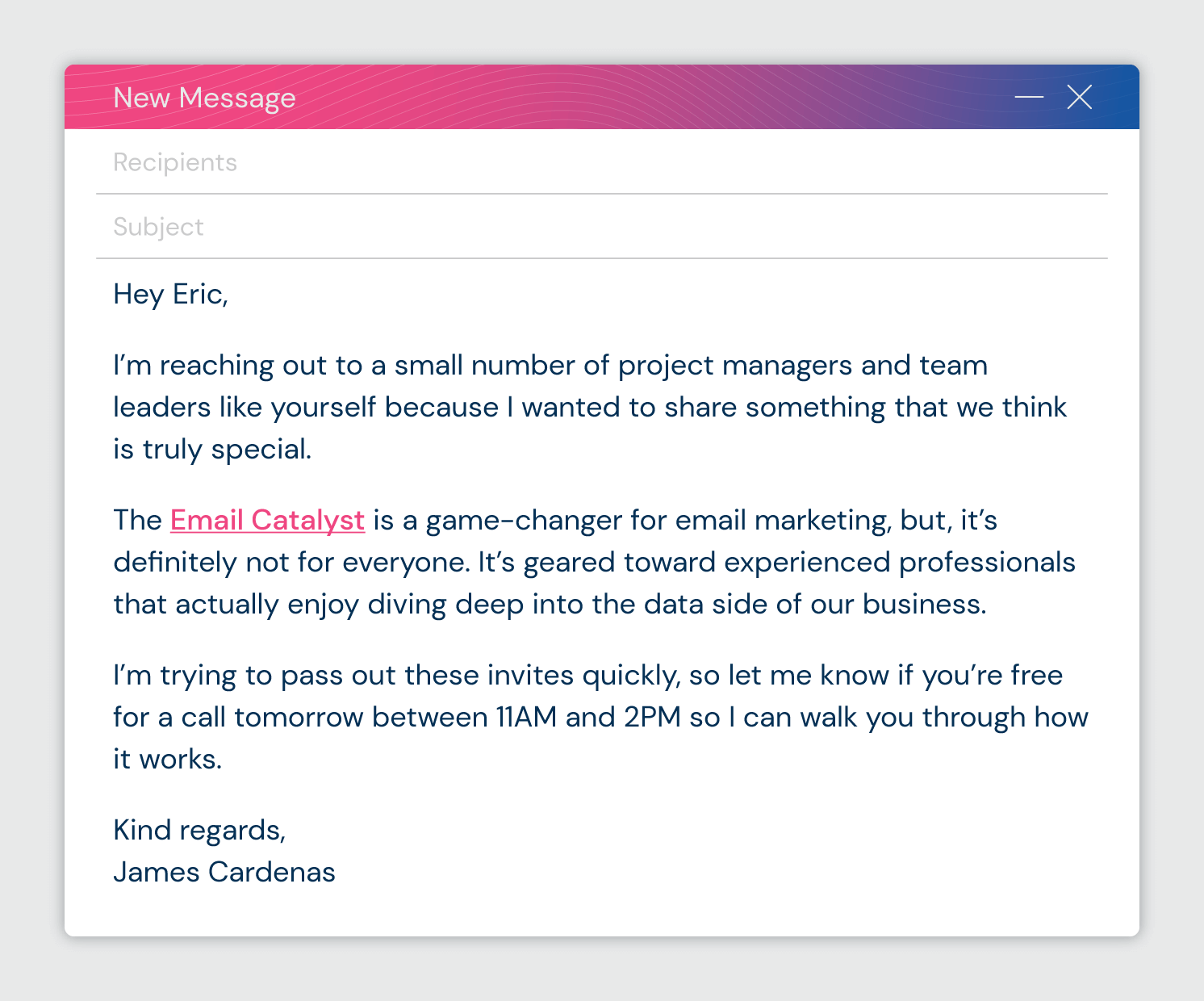
Credit: mailshake.com
Testing And Optimizing Emails
Effective email marketing relies heavily on the ability to test and optimize your messages. It’s not enough to craft a one-size-fits-all email and hope for the best. By testing different elements and continually refining your approach, you can significantly improve engagement and conversion rates. Let’s dive into how you can achieve this through A/B testing, analyzing engagement metrics, and iterative improvement.
A/b Testing Strategies
Have you ever wondered which subject line will capture more attention? A/B testing allows you to test two variations of an email to see which performs better. You could try different subject lines, call-to-action buttons, or even email formats.
Start with small changes to see what impact they have. For instance, sending one version with a personalized subject line and another without. Track which version gets more opens or clicks.
Remember, the key is to test one variable at a time. This helps you pinpoint what exactly made the difference in performance.
Analyzing Engagement Metrics
Have you checked your email analytics dashboard recently? Metrics like open rates, click-through rates, and conversion rates provide valuable insights. They show you what resonates with your audience and what needs improvement.
Look beyond just numbers. If one email had a high open rate but low clicks, the subject line was appealing, but the content didn’t deliver. Use these insights to adjust future messages.
Don’t ignore unsubscribe rates. They can indicate that your emails aren’t meeting expectations. Use feedback to refine your strategy.
Iterative Improvement
Think of your email marketing as a continuous journey. Each campaign offers a new opportunity to learn and improve. After testing and analyzing, implement changes for better results in your next emails.
Consider creating a checklist of successful strategies. Over time, you’ll develop a playbook of what works and what doesn’t. This will save time and boost efficiency in future campaigns.
Remember, perfection is a moving target. Always be ready to adapt and refine your strategy based on real-world feedback.
Avoiding Common Mistakes
Writing effective email marketing messages requires careful attention. Avoiding common mistakes can help improve engagement and ensure your messages reach their full potential. This section discusses three typical errors that marketers should steer clear of.
Overloading With Information
Too much information confuses your audience. Keep your message concise. Focus on key points. Overloading can lead to reader fatigue. Readers might skip your email. Clear and simple messages are more appealing.
Ignoring Mobile Optimization
Many people read emails on their phones. Ignoring mobile optimization is a mistake. Ensure your email looks good on small screens. Use responsive designs. Test your emails on different devices. Mobile-friendly emails increase engagement.
Neglecting Unsubscribe Option
Providing an easy unsubscribe option is crucial. Make it simple for users to opt-out. Hidden unsubscribe links frustrate users. Transparency builds trust. A clear unsubscribe option shows respect for your audience’s choices.
Legal Considerations
Understanding legal considerations is crucial for email marketing. Ensure compliance with privacy laws like GDPR. Include an easy unsubscribe option in every message.
Email marketing is a powerful tool that can drive engagement and sales, but it’s crucial to be aware of the legal landscape surrounding it. Understanding these legal considerations not only helps you avoid penalties but also builds trust with your audience.Understanding Gdpr
The General Data Protection Regulation (GDPR) governs how you collect, store, and use personal data in the European Union. If you’re reaching out to anyone in the EU, GDPR compliance is essential. You must obtain explicit consent from your recipients before sending them marketing emails.Consider how you present this choice. Do you make it easy for users to say yes or no? A clear and straightforward opt-in process respects their privacy and shows your brand’s integrity. Keeping records of consent can protect you in case of disputes.Can-spam Compliance
In the United States, the CAN-SPAM Act sets the rules for commercial emails. It gives recipients the right to stop receiving emails from you and lays out penalties for violations. Your email must include a way to opt-out, and you must honor these requests promptly.Think of your own inbox. How frustrating is it when unsubscribing feels like an obstacle course? Ensure your opt-out process is simple and swift. Always include your physical mailing address in the email, which adds legitimacy and transparency.Privacy Protection Practices
Privacy is more than a legal requirement; it’s a commitment to your audience. Protecting personal data should be a top priority in your email marketing strategy. Secure your data storage systems and limit access to essential personnel only.Imagine sharing your personal email address with a brand you trust. You expect that brand to handle your information with care, right? Implement encryption and regular audits to safeguard this trust. Make privacy policies accessible and comprehensible to your users.How do you think your audience perceives your brand’s commitment to privacy? A proactive approach to protecting user data can set you apart from the competition and foster long-lasting relationships with your subscribers.Frequently Asked Questions
How Do You Write A Good Email Marketing?
Craft compelling subject lines and personalize content for recipients. Segment your audience for targeted messages. Use clear calls to action and concise language. Ensure mobile optimization and track performance metrics. Regularly update your email list to maintain engagement and relevance.
What Are The 5 T’s Of Email Marketing?
The 5 T’s of email marketing are Targeting, Timing, Testing, Tracking, and Tactics. Targeting ensures the right audience. Timing refers to sending emails at optimal times. Testing involves A/B testing for effectiveness. Tracking monitors engagement metrics. Tactics focus on strategies to boost engagement and conversions.
What Is The 80 20 Rule In Email Marketing?
The 80-20 rule in email marketing suggests focusing 80% on valuable content and 20% on promotional material. This strategy builds trust, engages subscribers, and enhances conversion rates, while preventing emails from being too sales-focused. Balancing content ensures you maintain subscriber interest and improve overall campaign effectiveness.
Conclusion
Crafting effective email marketing messages takes practice. Keep your sentences clear and concise. Focus on your audience’s needs and desires. Use a friendly tone to build trust. Personalization goes a long way. Address your readers by name. Use compelling subject lines to grab attention.
Always include a clear call to action. Test different approaches to see what works best. Measure your results and refine your strategy. Remember, the goal is to connect with your audience. With patience and creativity, your email marketing can succeed.