
Imagine you’ve crafted the perfect email marketing campaign. Your message is engaging, your call-to-action is clear, and your design is eye-catching.
But there’s one crucial detail that could make or break your campaign’s success—the reply-to address. Choosing the right reply-to address is more than just a technicality; it’s a strategic decision that can influence how your audience interacts with your emails.
Think of it as opening a door for your subscribers to communicate directly with you. When you select the right reply-to address, you’re not just facilitating responses; you’re building trust and encouraging dialogue. But what are the best choices for a reply-to? How do you ensure your subscribers feel valued and heard? Keep reading, and you’ll discover the keys to unlocking meaningful interactions with your audience.

Credit: exclaimer.com
Importance Of Reply-to Address
Choosing the right reply-to address in email marketing builds trust and encourages engagement. A recognizable address ensures recipients feel comfortable responding. Using a personalized email can improve communication and enhance relationships.
The Reply-To Address in email marketing is more important than many realize. It acts as a bridge between you and your subscribers. A thoughtful choice can enhance communication and build trust.Understanding The Role Of Reply-to Address
The Reply-To address is where your subscribers will send their responses. It provides a direct line to engage with your audience. If it’s not set up correctly, you risk missing valuable feedback and questions.Building Trust With A Personalized Reply-to Address
Using a personalized Reply-To address, such as a specific team member’s name, can make your emails feel more personal. It shows that there’s a real person behind the communication. This can increase open rates and improve your brand’s credibility.Boosting Engagement Through Accessibility
An accessible Reply-To address encourages interaction. Subscribers are more likely to respond if they feel their queries will be read by a human. This can lead to valuable insights about your products or services.Avoiding Common Pitfalls
Avoid using a no-reply email address. This can frustrate your subscribers and make them feel undervalued. Instead, opt for a monitored inbox that can handle responses and ensure every message is acknowledged.Is Your Reply-to Address Aligned With Your Brand?
Consider whether your Reply-To address aligns with your brand image. Does it reflect the professionalism and tone of your company? A mismatch can create confusion and dilute your brand message.Testing And Adjusting Your Approach
Experiment with different Reply-To addresses to find what works best. Analyze response rates and feedback to refine your strategy. Small adjustments can lead to significant improvements in engagement and satisfaction.When was the last time you analyzed your Reply-To address? It might be time for a refresh.
Impact On Email Deliverability
Email deliverability is crucial for successful marketing campaigns. The choice of reply-to address affects deliverability. It can impact your email’s journey to the recipient’s inbox. Understanding its role is essential for effective marketing strategies.
Impact On Spam Filters
Spam filters scrutinize the reply-to address. A questionable reply-to can lead emails to spam folders. Using a recognizable and trusted address enhances credibility. Spam filters are more likely to accept emails from familiar addresses. This improves your chances of reaching the inbox.
Building Trust With Recipients
A clear reply-to address builds trust with recipients. People are wary of unknown senders. Using a recognizable email domain assures them of your authenticity. Trust encourages recipients to engage with your content. They are more likely to open and respond to your emails.
Consistency Across Campaigns
Consistency in the reply-to address is key. It helps in building brand recognition. A consistent address reminds recipients of your brand identity. This consistency supports deliverability and engagement. It makes your emails familiar and expected.
Impact On Feedback Loops
Feedback loops are crucial for maintaining sender reputation. A correct reply-to address aids in managing feedback effectively. It helps in processing complaints and unsubscribes. This ensures your email list remains healthy and engaged. Proper feedback management is vital for deliverability.
Aligning With Brand Identity
Aligning your reply-to address with your brand identity is crucial. It impacts how recipients perceive your emails. A well-chosen reply-to can strengthen brand recognition. It also builds trust among your audience. This section guides on selecting a reply-to address that matches your brand.
Aligning With Brand Voice
Your brand voice should be consistent in all communications. Choose a reply-to email address that reflects this voice. For a casual brand, use a friendly name. For a formal brand, stick to official titles. This consistency helps reinforce your brand’s personality.
Choosing The Right Domain
The domain of your reply-to address matters. Use your company’s domain for credibility. This ensures your emails don’t look like spam. A domain that aligns with your brand boosts authenticity. It shows professionalism and builds trust.
Personalization For Engagement
Personalizing your reply-to address can increase engagement. A real person’s name can make a difference. People feel more comfortable replying to a person. This approach humanizes your brand. It encourages recipients to interact more.
Consistency Across Platforms
Your reply-to should be consistent with other platforms. Align it with social media and website branding. This creates a unified brand image. It makes your brand memorable. Consistency is key in building a strong brand identity.
Testing For Best Fit
Testing different reply-to addresses helps find the best fit. Monitor engagement rates with each option. Analyze responses to see which address works best. Testing ensures your choice aligns with your audience’s expectations.
Types Of Reply-to Addresses
Selecting the right reply-to address enhances email marketing success. Personal addresses build trust, while dedicated support emails ensure quick responses. Both options cater to different marketing strategies.
In email marketing, choosing the right “Reply-To” address can significantly impact your campaign’s success. It’s not just about where the replies go—it’s about creating a connection and fostering engagement. Your choice of address can influence the recipient’s perception of your brand. So, what are the types of Reply-To addresses you can consider?Personalized Reply-to
A personalized Reply-To address can make your email feel more human and approachable. Imagine receiving an email from “john@yourcompany.com” instead of a generic info@ or no-reply@. You might feel more inclined to respond.Using a real person’s name can build trust and encourage communication. It shows that there is someone ready to listen and engage with the recipient’s feedback or inquiries.Generic Email Addresses
Generic email addresses like info@yourcompany.com or support@yourcompany.com can be a safe bet. They convey professionalism and indicate that your company has a structured communication system.These addresses are often used for larger businesses where individual personalization might not be feasible. However, you should ensure that responses are promptly managed to avoid any negative impressions.Team-based Addresses
A team-based Reply-To address, such as marketing@yourcompany.com, can be an excellent choice if you want to direct responses to a specific department. This method helps streamline the communication process, ensuring that inquiries are handled by the appropriate team.But here’s a thought: What message does it send when responses are directed to a team rather than an individual? It could reflect a well-organized company that values expertise and efficiency in handling customer interactions.Choosing the right Reply-To address boils down to your company’s communication strategy and the message you want to convey. What impression do you want to leave with your audience? The address you choose is more than just a contact point; it’s a subtle yet powerful tool in shaping your brand’s identity.Personalization Benefits
Choosing the right reply-to address in email marketing enhances personalization. A recognizable and friendly address builds trust with recipients. This simple choice can improve engagement and response rates, making your campaigns more effective.
Personalization is key in email marketing. It makes your emails feel personal. A good reply-to address can enhance this. It builds trust and encourages engagement.When recipients see a familiar name, they’re more likely to respond. They feel connected, as if talking to a friend. This connection boosts your email’s effectiveness.Builds Trust And Credibility
Using a recognizable name builds trust. People prefer dealing with known entities. An email from “John at Company” feels trustworthy. It assures recipients they’re contacting a real person.This can lead to higher response rates. Trust is crucial in maintaining long-term relationships.Encourages Engagement
Personalized reply-to addresses encourage engagement. They invite feedback, questions, and conversations. When recipients feel their voice matters, they engage more.This interaction can provide valuable insights. It helps improve future marketing strategies.Improves Open Rates
A personalized reply-to can improve open rates. People are more curious about emails from known names. They want to read what their contacts have to say.This curiosity can lead to higher open rates. More opens mean more chances for conversion.Enhances Customer Experience
A friendly reply-to address enhances the customer experience. It shows you care about their opinions. It makes the recipient feel valued and important.A positive experience can lead to customer loyalty. Loyal customers often become brand advocates.Fosters Relationship Building
Personalization fosters relationship building. It transforms a simple email into a meaningful interaction. Recipients feel connected, not just marketed to.This connection can lead to stronger relationships. Strong relationships can drive business success. “`Security Considerations
In email marketing, ensuring the security of your communications is crucial. A secure Reply-To address protects your brand and your customers. It prevents unauthorized access and potential phishing attacks. This section explores key security considerations for selecting a Reply-To address. Understand how these choices impact your email strategy.
Use A Secure Domain
Choose a domain with strong security protocols. Domains with SSL certificates are safer. They encrypt communications between the server and recipients. This reduces the risk of data interception.
Implement Spf And Dkim Authentication
SPF and DKIM provide layers of security. SPF verifies the sender’s IP address. DKIM adds a digital signature to your emails. Both prevent email spoofing. They help ensure your messages are genuine.
Regularly Update Security Settings
Keep your domain’s security settings up to date. Regular updates fix vulnerabilities. They enhance protection against new threats. Schedule routine security audits. They help maintain optimal email security.
Monitor For Suspicious Activity
Use tools to track email activity. Look for unusual patterns. Sudden spikes or unfamiliar addresses may indicate threats. Early detection helps prevent breaches. Be proactive in your monitoring efforts.
Educate Your Team
Training is vital for security awareness. Teach your team about email security. They should recognize phishing attempts. Encourage them to report suspicious emails. A well-informed team strengthens your security posture.
Best Practices
Choosing the right reply-to address enhances email engagement. Use a recognizable name for trust. Keep it consistent to avoid confusion.
Best practices in email marketing create effective communication. The right reply-to choice can improve engagement. It builds trust with your audience. This section explores essential tips for success.Consistency Across Campaigns
Use the same reply-to address in every campaign. This builds familiarity. People recognize the address and feel secure. It reduces confusion and keeps communication smooth. Consistent addresses can also improve recognition. They help maintain a professional image.Monitoring Replies
Track responses actively. It helps understand customer feedback. Use tools to organize and analyze replies. Quick response shows attentiveness. Monitoring replies can also refine your strategy. It helps identify patterns in customer behavior. This insight leads to better campaigns.Regular Updates
Keep your email address current. Update it as needed. It ensures emails reach the right place. Regular updates prevent broken communication. They maintain reliability and trust. Always check for changes in your business contact details. This keeps your audience well-informed.
Credit: www.instagram.com
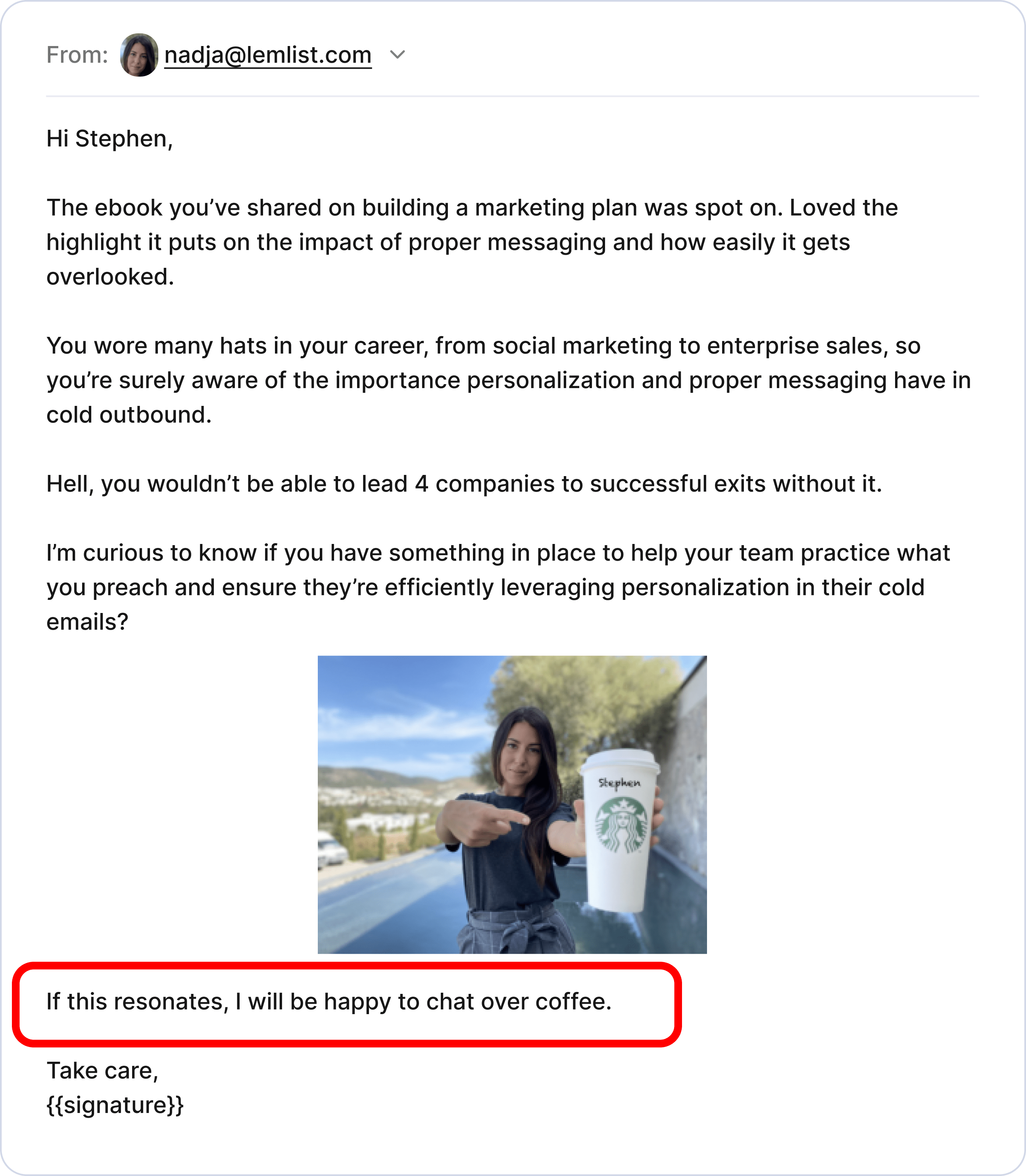
Credit: www.lemlist.com
Frequently Asked Questions
What Is A Good Return On Email Marketing?
A good return on email marketing is a 4,200% ROI, meaning $42 for every $1 spent. This benchmark varies by industry, campaign, and audience. Analyzing metrics like open rates, click-through rates, and conversions helps in evaluating success.
How To Get Response From Email Marketing?
Craft compelling subject lines to grab attention. Personalize emails to engage recipients. Provide valuable content and clear calls to action. Segment your audience for targeted messaging. Optimize send times to improve open rates. Use A/B testing to refine your strategy and analyze metrics for better results.
How To Professionally Reply To An Email?
Start with a polite greeting. Address the sender by name. Acknowledge the email’s content. Provide a clear, concise response. Close with a courteous sign-off.
What Is A Good Response Rate For Email Marketing?
A good email marketing response rate is typically between 15% to 25%. Achieving this depends on targeting the right audience and creating engaging content. Regularly analyze campaign performance to optimize strategies and improve response rates.
Conclusion
Choosing the right reply-to address is crucial for email marketing success. It builds trust with your audience. Helps improve open rates. Always consider your brand’s voice. Personal addresses often make emails feel more approachable. Avoid no-reply addresses to encourage engagement.
Test different options to find what works best. Understand your audience’s needs. Tailor your approach accordingly. Clear communication fosters better relationships. This leads to improved results. Remember, a thoughtful reply-to choice can enhance your email marketing effectiveness. It’s a small change.
But it can make a big difference.


